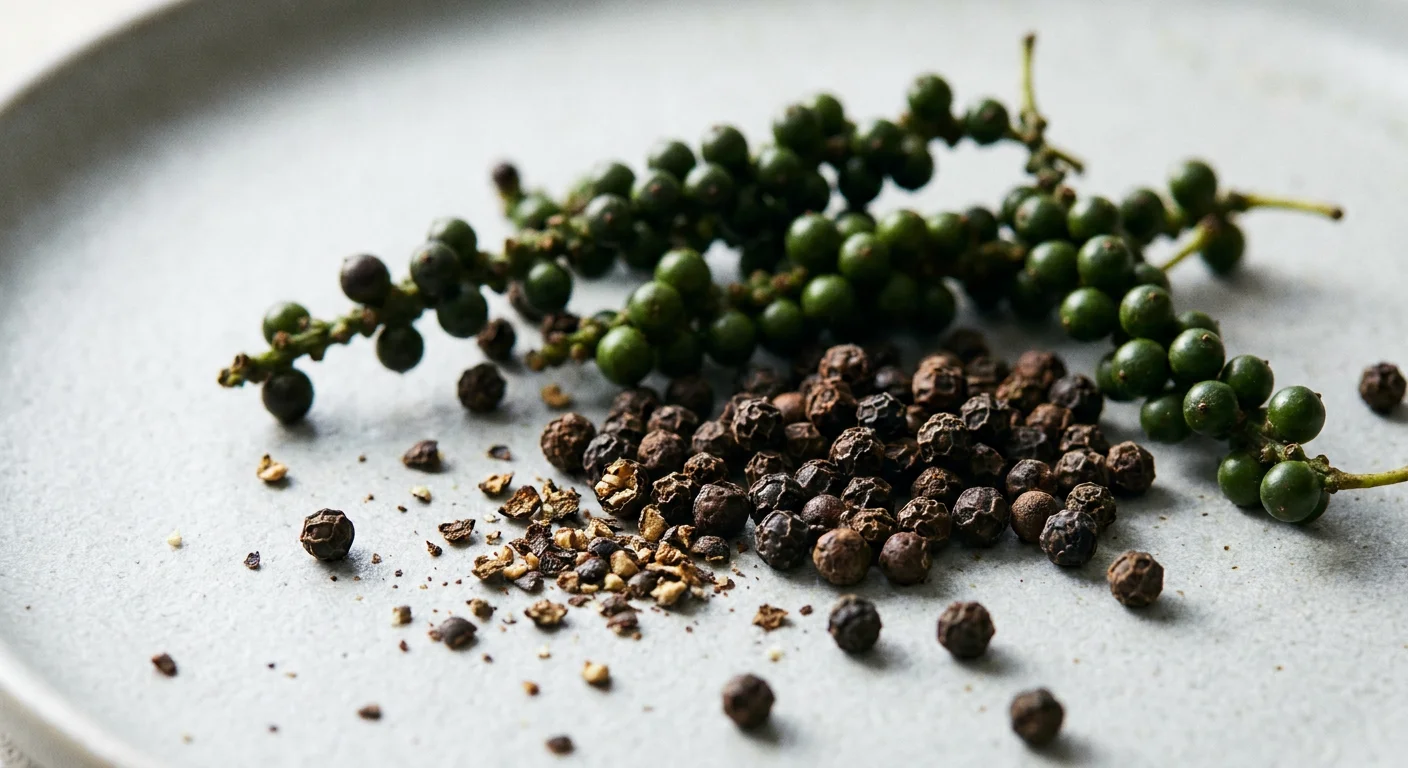
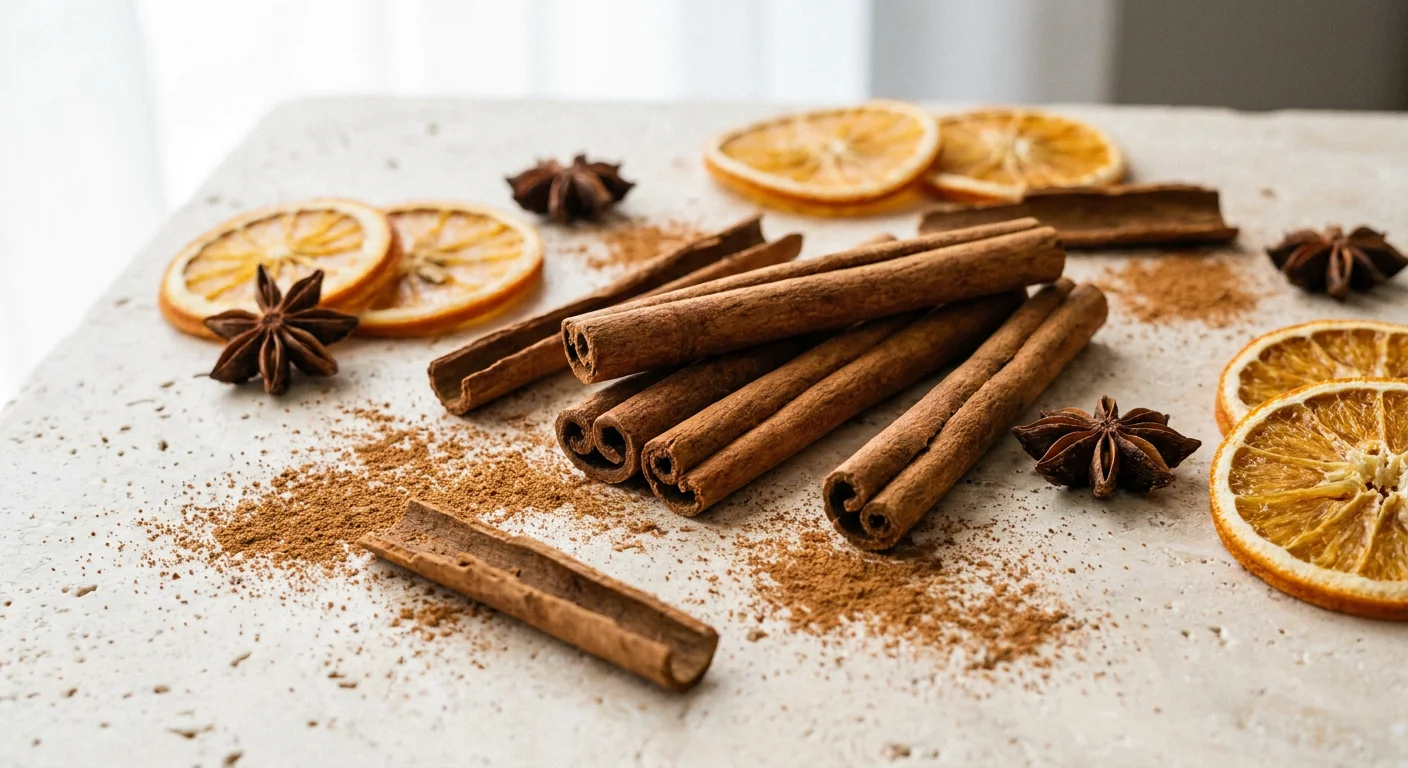
That beautiful, woody star in your spice drawer does more than just look pretty. Star anise is the backbone of Pho broth and Chinese five-spice powder for a reason: its deep, licorice-like warmth is complex and powerful. But for a spice, it's also surprisingly interesting from a health perspective. It's packed with unique compounds, adds incredible flavor for virtually no calories, and its impact on blood sugar is... well, not something you even need to think about.
↑ Star anise adds deep, warming flavor without sugar or salt.
The star of the spice rack
Star anise is the dried fruit of an evergreen tree native to China and Vietnam, Illicium verum. Don't confuse it with aniseed — they share a key flavor compound (anethole) that gives them that licorice note, but star anise is warmer, deeper, and more pungent. Aniseed is brighter and more herbaceous.
One or two pods are enough to infuse an entire pot of broth or stew with a complex, savory-sweet flavor. It's a foundational spice in many Asian cuisines, and for good reason. It transforms simple ingredients.
IN ONE LINE
A potent, low-calorie spice that adds deep, savory-sweet flavor. It's rich in antioxidants and has a negligible effect on blood sugar, making it a smart tool for healthy cooking.
Star anise nutrition facts
Looking at the nutrition for 100 grams of star anise is interesting, but not very practical — you'd never eat that much. It's like analyzing a cup of salt. Still, the data shows that, gram for gram, it's quite dense in fiber, protein, and minerals. The table below is for reference; the real magic is in the potent compounds you get in small, culinary doses.
In the real world, you use one or two pods, which weigh about a gram each. In that amount, the calories, carbs, and protein are all trivial. What isn't trivial are the antioxidants and essential oils, like anethole, which are responsible for most of its flavor and potential health effects.
Star anise's glycemic index
This is an easy one. The glycemic index of star anise is so low it's never been formally measured, because it would be pointless. As a spice used in one- or two-gram increments, it contributes virtually no carbohydrate to a meal. Its impact on your blood sugar is zero. It's pure flavor, which is exactly what you want from a spice.
GLYCEMIC INDEX · STAR ANISE vs COMMON FOODS
Star anise has no meaningful GI value
Star Anise
spice
LOW
Apple
whole fruit
LOW
Pineapple
whole fruit
MEDIUM
White bread
refined
HIGH
Cornflakes
refined
HIGH
SCALE 0–90
04590
How to use it right
Getting the most out of star anise is easy, but there are a few things to keep in mind.
01
Use it whole.
Drop one or two whole pods into soups, broths, stews, or poaching liquids. Fish them out before serving, just like a bay leaf.
02
A little goes a long way.
Its flavor is potent. Start with one pod for a standard pot of soup. You can always add more, but you can't take it away.
03
Toast it for more flavor.
Briefly toasting the whole pods in a dry pan before using them wakes up the essential oils and deepens the flavor.
04
Grind it for rubs and blends.
Star anise is a key ingredient in Chinese five-spice powder. You can grind it fresh in a spice grinder for rubs for pork, duck, or chicken.
05
Buy Chinese, not Japanese.
This is crucial. Japanese star anise (Illicium anisatum) is a different, toxic plant that looks very similar. Always buy from a reputable source and ensure it's Illicium verum.
What star anise is good for
01
Flavor without salt or sugar
It adds immense complexity and a hint of sweetness to dishes, allowing you to reduce the need for salt or added sugar.
0
calories
02
Rich in antioxidants
Star anise is loaded with flavonoid and polyphenol antioxidants, especially anethole, which helps protect the body's cells from oxidative stress.
Potent
antioxidants
03
A source of shikimic acid
It's one of nature's best sources of shikimic acid, a compound with antiviral properties that is the starting material for producing the flu medication oseltamivir (Tamiflu).
High
shikimic acid
04
Traditional digestive aid
In many cultures, star anise tea is sipped after a meal to help with bloating, gas, and indigestion, thanks to its carminative properties.
Soothes
digestion
What to pair star anise with
Star anise's warm, sweet-spicy flavor profile is a natural partner for a wide range of foods, both savory and sweet.
A spice for everyone?
Three ways to use it
Go beyond just dropping a pod in soup. Here are three simple ways to make star anise a regular in your kitchen.
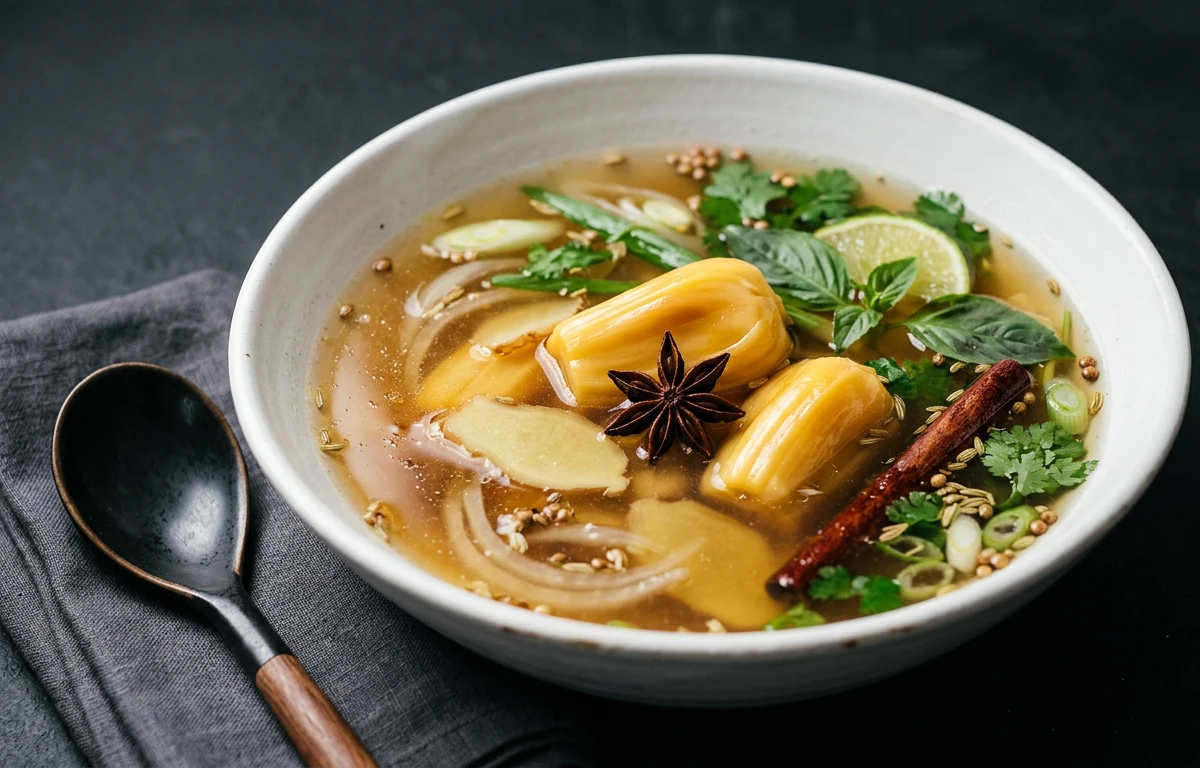
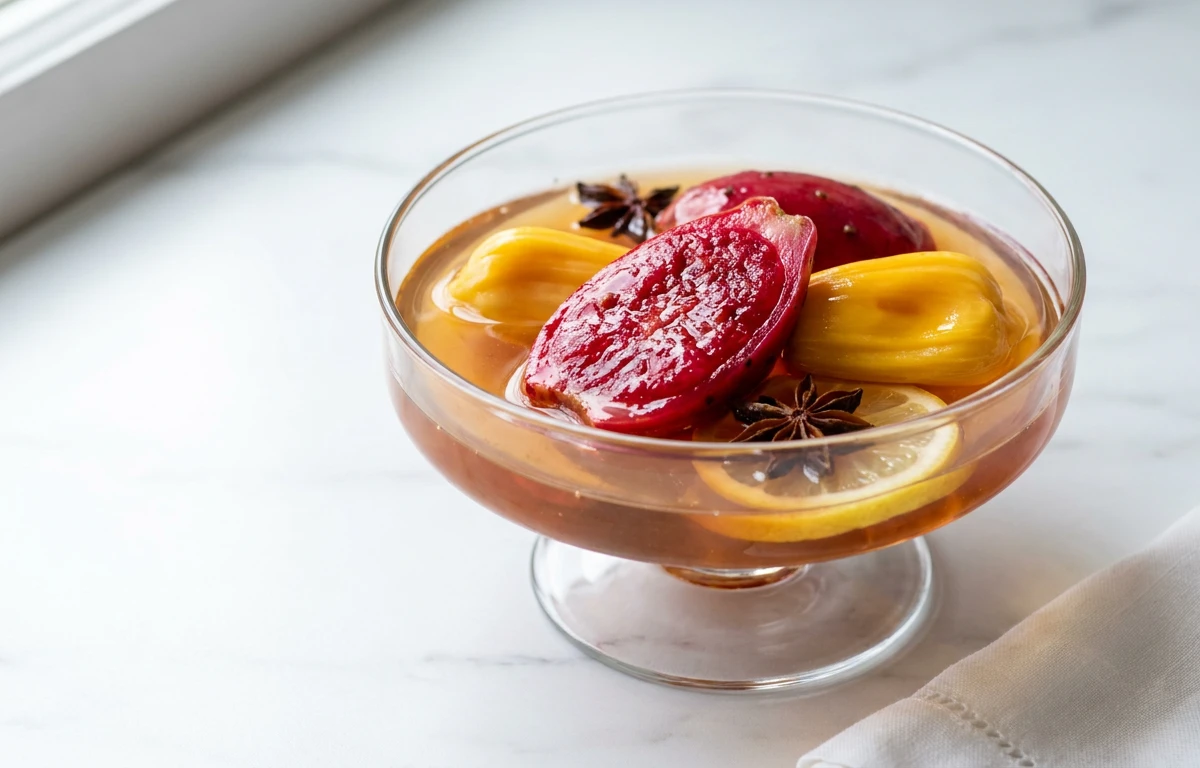
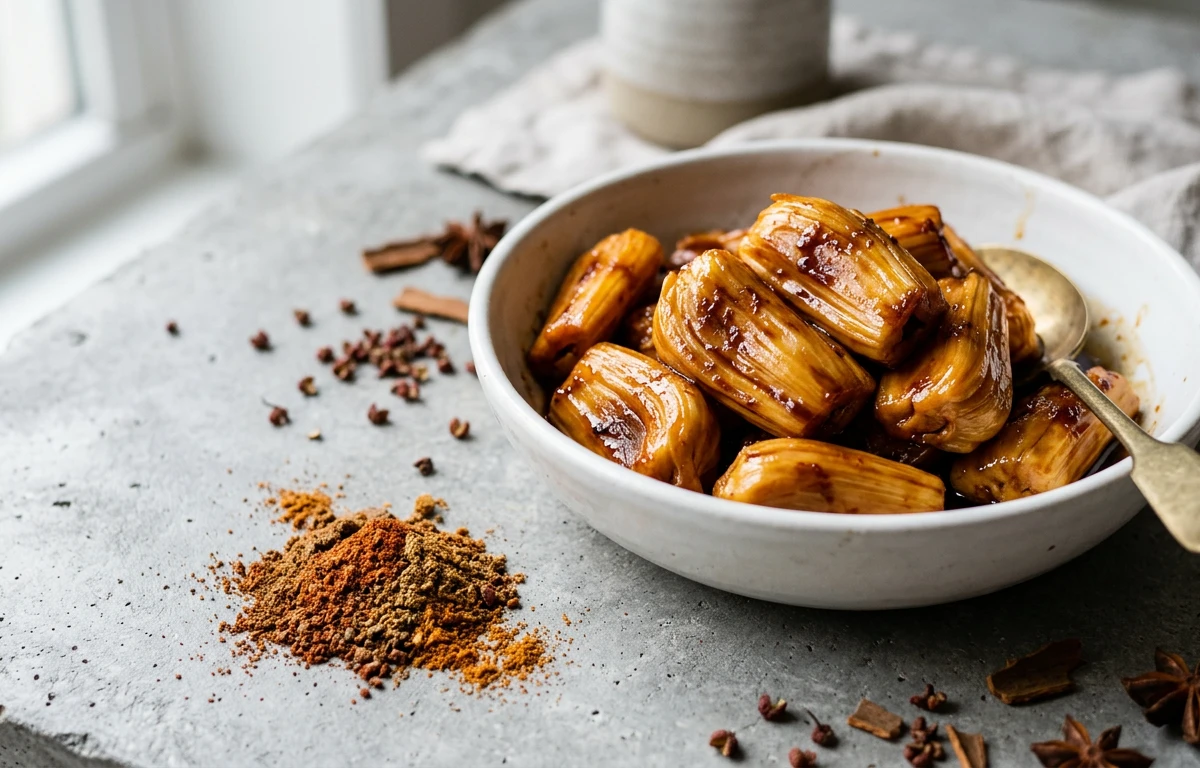
Want more flavor-first, healthy recipes?
Our meal planner focuses on building incredible flavor with smart ingredients like star anise, so healthy eating never feels like a compromise. Get balanced weekly plans with a single grocery list.
Build my weekly plan →SOURCES & REFERENCES · 3
One more thing
Eating well is rarely about willpower. It’s about having a short list of dinners you actually want to eat. Pick two from this list. Make them next week. The rest will follow.
If you want these on autopilot, our weekly meal planner can drop the picks above into your calendar with one click and build a single grocery list from the merged ingredients.
FREQUENTLY ASKED QUESTIONS
Frequently asked questions
What's the difference between star anise and aniseed?
They are from two completely different plants. They share a similar licorice-like flavor because both contain the oil anethole. However, star anise (from a tree) is spicier and warmer, while aniseed (from a shrub) is milder and more herbaceous.
Is star anise good for you?
Yes, in the small amounts used for cooking, it's a very healthy way to add flavor. It provides antioxidants, notably anethole and quercetin, and allows you to use less salt. Its traditional use as a digestive aid is also well-established.
Can you eat the whole star anise pod?
No, you shouldn't. The pods are hard, woody, and not pleasant to eat. They are used to infuse flavor during cooking and should be removed before serving, much like a bay leaf.
Is star anise safe?
Chinese star anise (Illicium verum) is safe for culinary use. However, you must avoid Japanese star anise (Illicium anisatum), which is toxic. Always buy from a trusted, reputable source to ensure you're getting the correct, safe spice.
METHODOLOGY
How this article was created
Built using verified nutrition databases, culinary research, and traditional cooking knowledge — every claim is cross-referenced against the sources listed in the article.
· USDA data· Culinary research· Quality reviewed
Read our methodology →TRANSPARENCY
About this content
Articles are curated using trusted food databases (USDA FoodData Central, IFCT), culinary literature, and dietary guidelines, then structured by our editorial team for clarity, accuracy, and usefulness.
· Verified data sources· Culinary research· Quality reviewed
Read our editorial policy →RELATED RECIPES
Cook from this article
EXPLORE OUR MEALS
Meals that fit this article

AMERICAN · 1677 CAL
Almonds with Sliced Apple + supplement + iron

MEDITERRANEAN · 809 CAL
Greek Yogurt with Berries Almonds and Granola + supplement + iron

GENERAL_HEALTHY · 705 CAL
Banana with Peanut Butter Pregnancy + supplement + iron

MODERN · 982 CAL
Hummus with Crudits and Pita with Fresh Orange Snack + supplement + iron
TAGGED
KEEP READING