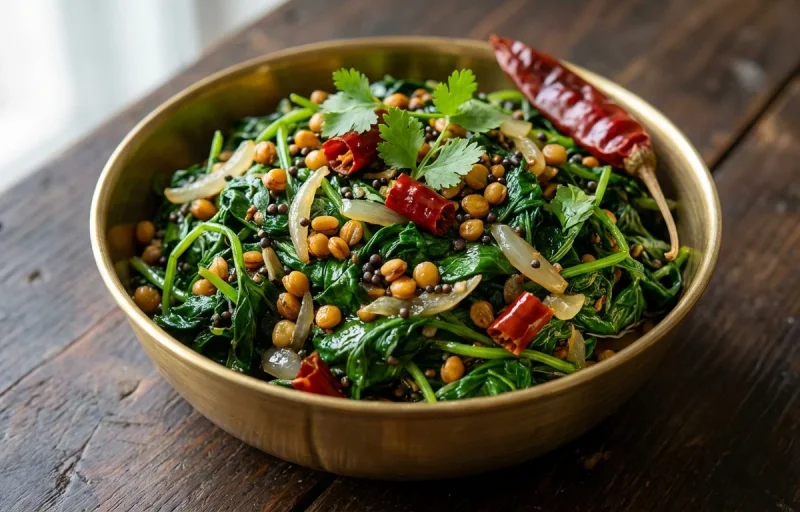
Other10 recipes
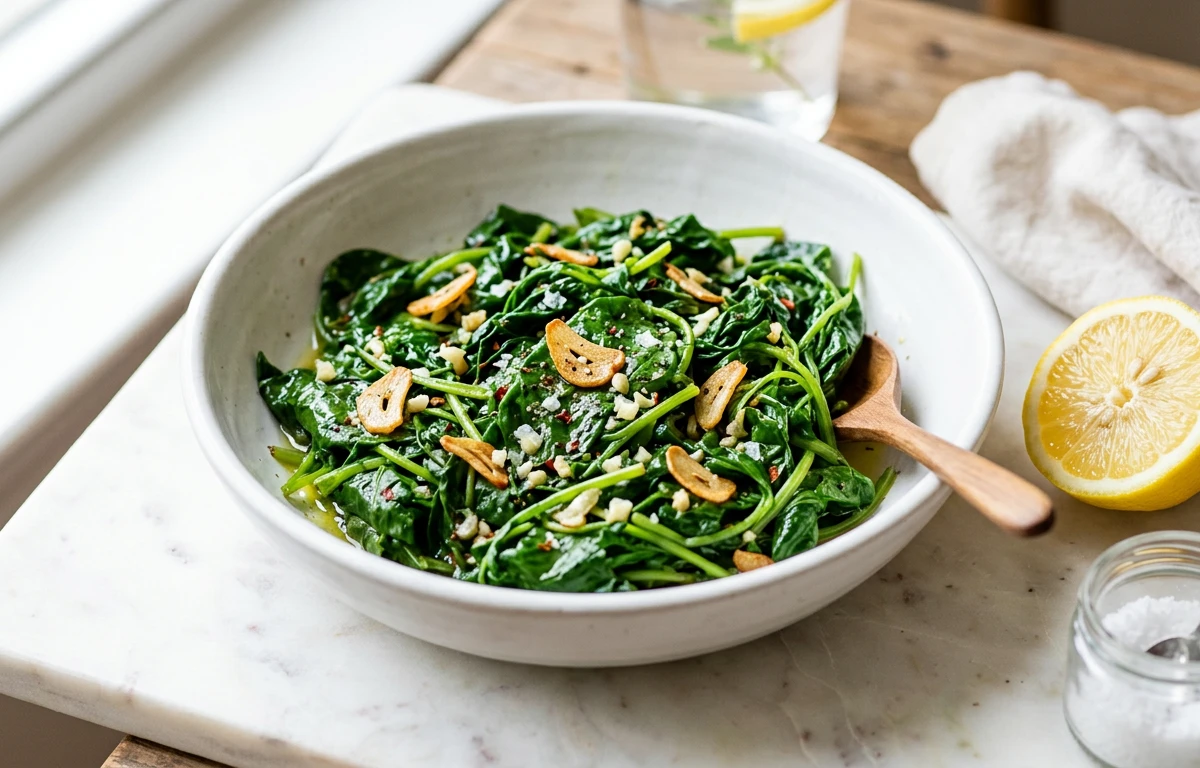
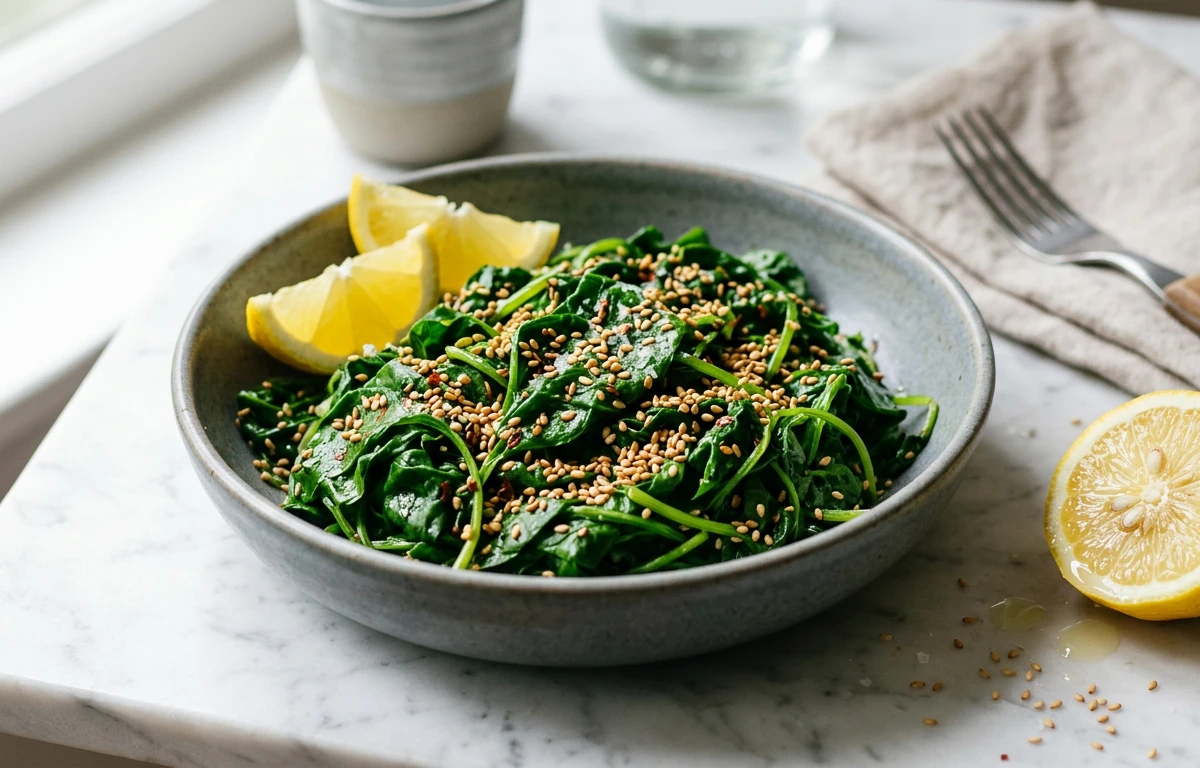
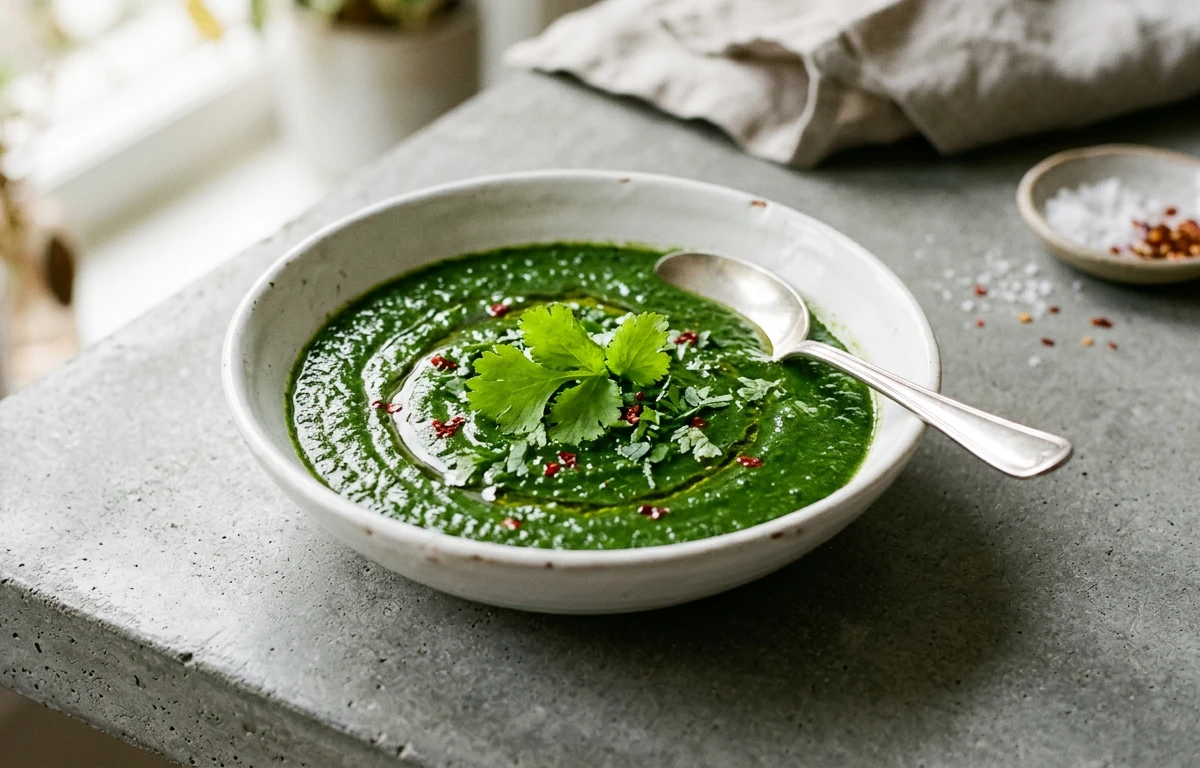
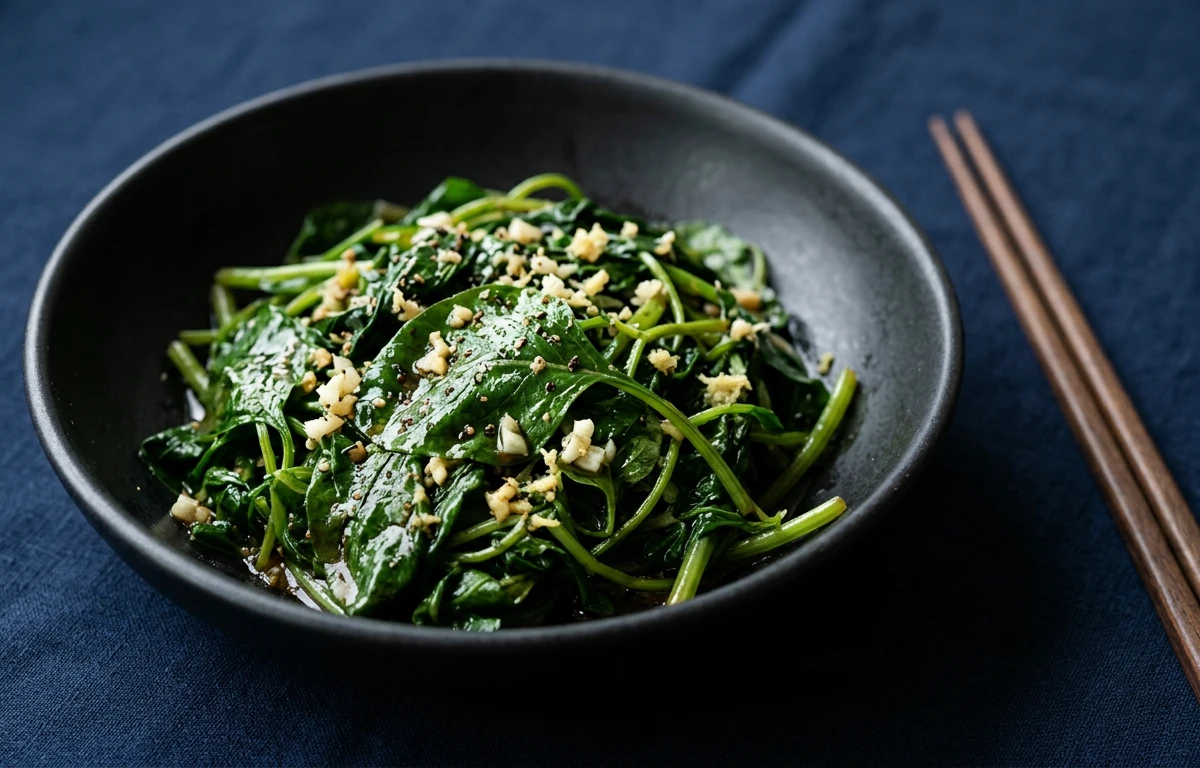
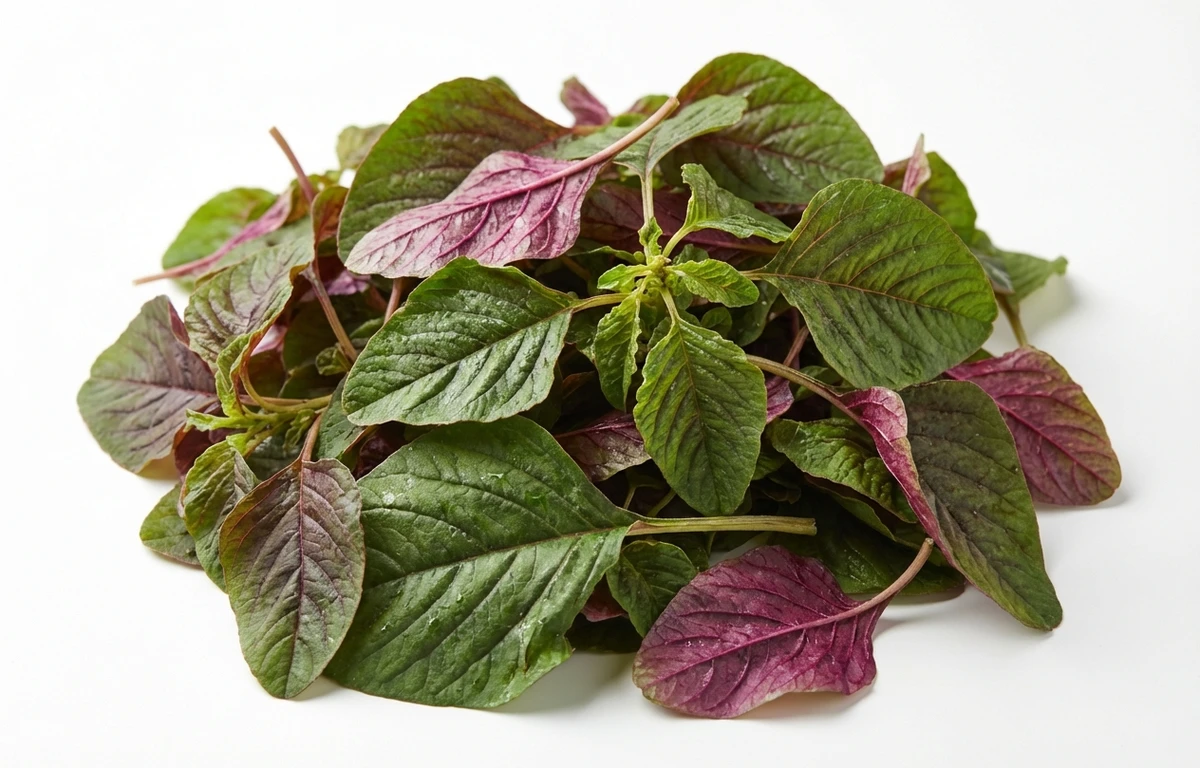
amaranth leaves.
VegetarianVeganGluten-freeDairy-freeNut-freePeanut-freeSoy-freeEgg-freeShellfish-freeHoney-freeAlcohol-free
ALSO KNOWN AS
chaulaithotakuracheerarajgira leavescallalooamaranth bhajiraw amaranth leaves
SERVING
CALORIES
23
PROTEIN
2.5g
CARBS
3.0g
FAT
0.10g
FIBER
2.1g
NUTRITION PROFILE · per 100 g
Everything in this ingredient.
MACRONUTRIENTS
Calories23kcal—
Protein2.5g5%
Carbohydrates3.0g1%
Fiber2.1g8%
Sugar0g0%
Total fat0.10g0%
Saturated fat0.02g0%
Trans fat0g—
Cholesterol0mg0%
Water91.7g—
MINERALS
Sodium20mg1%
Potassium611mg13%
Calcium215mg17%
Iron2.3mg13%
Magnesium55mg13%
Phosphorus50mg4%
Zinc0.90mg8%
Copper0.16mg18%
Manganese0.89mg39%
Selenium0.90µg2%
VITAMINS
Vitamin A146µg16%
Vitamin C43.3mg48%
Vitamin D0µg0%
Vitamin E2.1mg14%
Vitamin K1140µg950%
Thiamin (B1)0.03mg3%
Riboflavin (B2)0.16mg12%
Niacin (B3)0.66mg4%
Pantothenic acid (B5)0.06mg1%
Vitamin B60.19mg11%
Folate (B9)85µg21%
Vitamin B120µg0%
%DV based on a 2,000 cal diet. Source: USDA FoodData Central. A dash in the %DV column means there’s no established Daily Value for that nutrient.
MEASUREMENT CONVERSIONS
How much is what.
1 cup30g
1 oz28.4g
1 lb453.6g
HEALTH BENEFITS
Why eat it.
- ✓Extremely high in Vitamin K for bone health
- ✓Rich in iron to help prevent anemia
- ✓High antioxidant content helps reduce inflammation
- ✓Good source of dietary fiber for digestive health
- ✓Contains significant Vitamin C for immune support
COOKING TIPS
In the kitchen.
- 1Sauté quickly on high heat to maintain the vibrant color and nutrients
- 2Pairs excellently with garlic, cumin, and coconut milk
- 3Can be used as a direct substitute for spinach in most recipes
STORAGE
Keep it fresh.
- Wrap loosely in a damp paper towel and place in a perforated plastic bag
- Store in the refrigerator crisper drawer for 2-3 days
- Do not wash until immediately before use to prevent premature wilting
FAQ
Frequently asked questions.
How long do amaranth leaves last in the fridge?
They are highly perishable and typically last 2 to 3 days when stored properly in a damp paper towel in the crisper drawer.
Can you eat amaranth leaves raw?
Yes, young and tender amaranth leaves can be eaten raw in salads, though they are more commonly cooked to reduce their slightly astringent taste.
What is a good substitute for amaranth leaves?
Spinach, kale, or Swiss chard are the best substitutes as they have similar textures and nutritional profiles.
How do I prepare amaranth leaves for cooking?
Thoroughly wash the leaves in a bowl of cold water to remove grit, then trim off any thick, woody stems before chopping.
Are amaranth leaves high in oxalates?
Yes, like spinach, amaranth leaves contain oxalates. People prone to kidney stones should consume them in moderation.
Can amaranth leaves be frozen?
Yes, they can be frozen if blanched first for 2 minutes, then shocked in ice water and squeezed dry.
What do amaranth leaves taste like?
They have a mild, earthy, and slightly nutty flavor, very similar to spinach but often described as more delicate.
How do I pick the best amaranth leaves?
Look for leaves that are vibrant in color, crisp, and free from yellowing, wilting, or dark slimy spots.
RECIPES
Cook with amaranth leaves.
10 recipes · sorted by what’s quick