Spice10 recipes
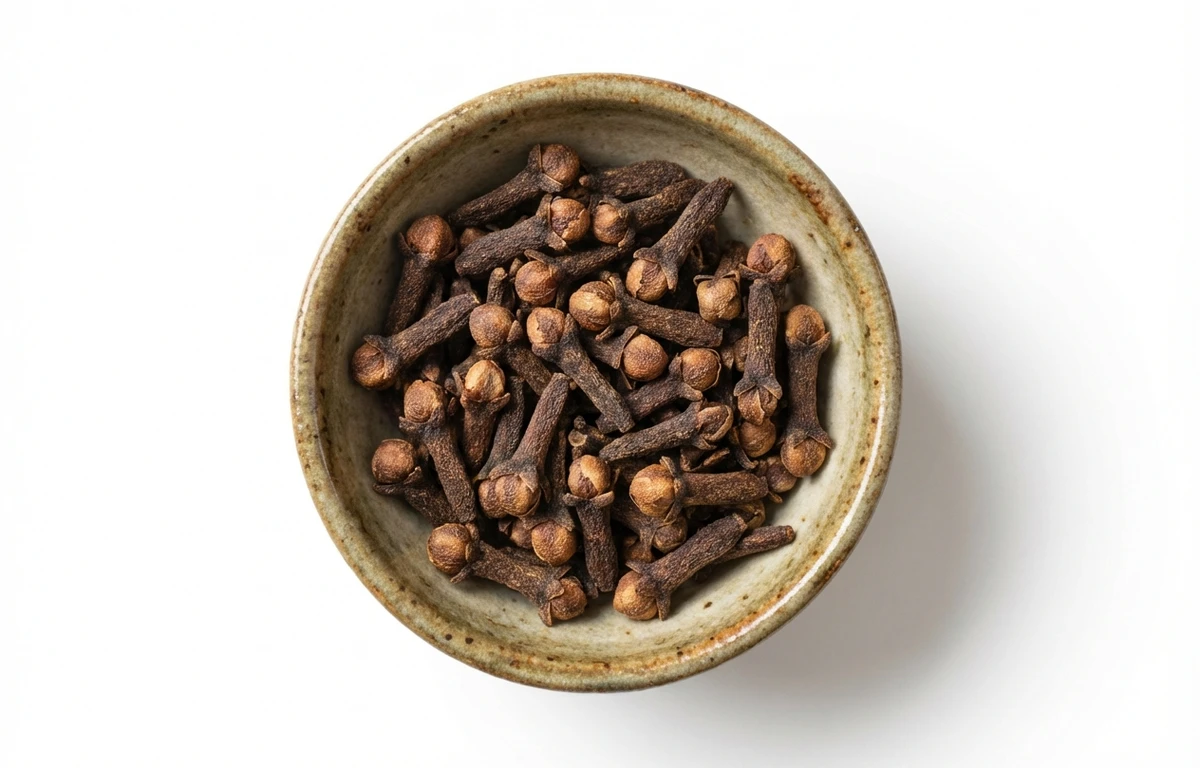
cloves.
VegetarianVeganGluten-freeDairy-freeNut-freePeanut-freeSoy-freeEgg-freeShellfish-freeHoney-freeAlcohol-free
ALSO KNOWN AS
lounglavanglavangamclou de giroflesyzygium aromaticumcloveLaungcloveswhole cloves
SERVING
CALORIES
403
PROTEIN
6.0g
CARBS
65.5g
FAT
13g
FIBER
33.1g
NUTRITION PROFILE · per 100 g
Everything in this ingredient.
MACRONUTRIENTS
Calories403kcal—
Protein6.0g12%
Carbohydrates65.5g24%
Fiber33.1g118%
Sugar2.4g5%
Total fat13g17%
Saturated fat3.9g20%
Trans fat0g—
Cholesterol0mg0%
Water9.9g—
MINERALS
Sodium277mg12%
Potassium1020mg22%
Calcium646mg50%
Iron11.8mg66%
Magnesium334mg80%
Phosphorus83.1mg7%
Zinc1.1mg10%
Copper0.54mg60%
Manganese61.9mg2690%
Selenium7.8µg14%
VITAMINS
Vitamin A160µg18%
Vitamin C0.20mg0%
Vitamin D0µg0%
Vitamin E0.77mg5%
Vitamin K161µg134%
Thiamin (B1)0.53mg44%
Riboflavin (B2)0.22mg17%
Niacin (B3)1.1mg7%
Pantothenic acid (B5)0.36mg7%
Vitamin B60.03mg2%
Biotin (B7)2.4µg8%
Folate (B9)32.8µg8%
Vitamin B120µg0%
%DV based on a 2,000 cal diet. Source: USDA FoodData Central. A dash in the %DV column means there’s no established Daily Value for that nutrient.
MEASUREMENT CONVERSIONS
How much is what.
1 cup104g
1 tablespoon6.5g
1 teaspoon2.1g
1 ml0.4g
1 liter433.3g
1 piece0.2g
HEALTH BENEFITS
Why eat it.
- ✓Rich in antioxidants, particularly eugenol, which helps combat oxidative stress and inflammation.
- ✓Possesses strong antimicrobial properties that can help inhibit the growth of bacteria, including those responsible for gum disease.
- ✓May help regulate blood sugar by improving insulin sensitivity and the function of cells that produce insulin.
- ✓High in manganese, an essential mineral for maintaining brain function and building strong bones.
COOKING TIPS
In the kitchen.
- 1Use cloves sparingly as their flavor is intense and can easily overpower a dish. A little goes a long way.
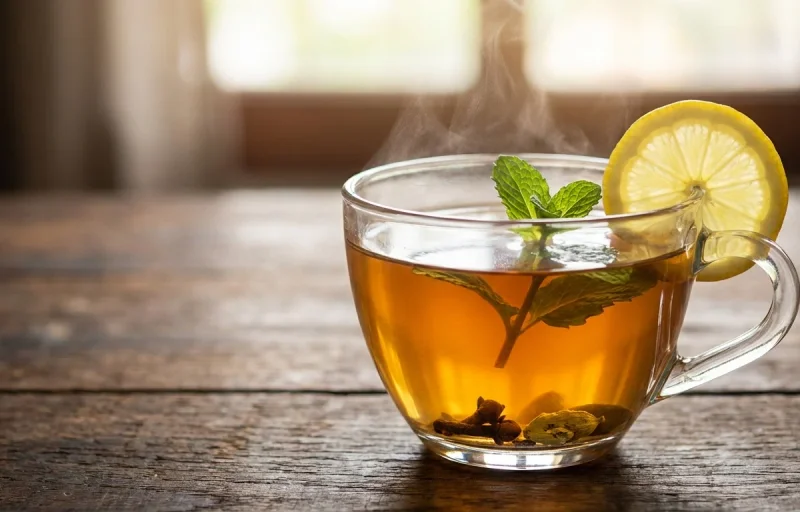
- 2For infusing flavor into liquids like stocks, mulled wine, or brines, stud an onion or an orange with whole cloves and remove them before serving.
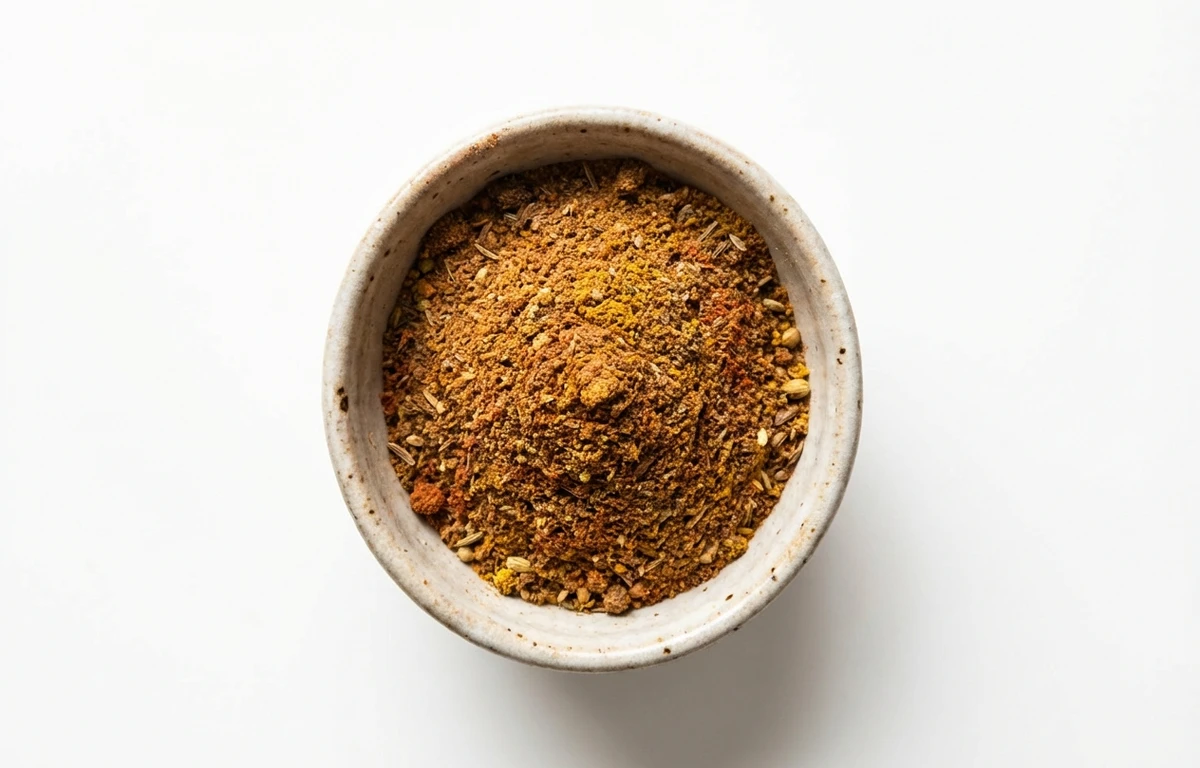
- 3Ground cloves are a key ingredient in many spice blends, such as garam masala and pumpkin pie spice, and are essential in baked goods like gingerbread.
- 4To release more flavor from whole cloves for a rub or paste, lightly toast them in a dry pan for a minute until fragrant before grinding.
STORAGE
Keep it fresh.
- Store whole cloves in a tightly sealed glass container in a cool, dark, and dry place. They can retain their potency for up to 2-3 years.
- Ground cloves lose their flavor more quickly. Store them in an airtight container and use within 6-12 months for the best taste.
FAQ
Frequently asked questions.
What are the primary health benefits of cloves?
Cloves are exceptionally rich in antioxidants, particularly eugenol, which helps reduce oxidative stress and inflammation. They are also an excellent source of manganese, a mineral essential for maintaining strong bones and supporting brain function.
Can cloves help with toothaches or oral health?
Yes, cloves have been used for centuries in dental care due to their antimicrobial properties and the presence of eugenol, which acts as a natural anesthetic. They can help inhibit the growth of bacteria responsible for gum disease and provide temporary relief from tooth pain.
Are cloves keto-friendly and low-carb?
Yes, cloves are keto-friendly. While they contain 65.5g of carbs per 100g, the amount used in typical cooking is so small (usually less than a gram) that the net carb impact is negligible.
How do cloves affect blood sugar levels?
Research suggests that compounds found in cloves may help regulate blood sugar by improving insulin sensitivity. This can support the function of cells that produce insulin, making it a beneficial spice for metabolic health.
What do cloves taste like?
Cloves have a very intense, warm, and sweet flavor with a distinct pungent aroma. They provide a slight numbing sensation on the tongue and are often described as having a woody, spicy profile that is common in fall-themed dishes.
How do you use cloves in cooking?
Whole cloves are often used to flavor stocks, mulled wine, and roasted meats, but are typically removed before eating. Ground cloves are used in spice blends like garam masala, as well as in baked goods like gingerbread and pumpkin pie.
What is a good substitute for cloves?
Allspice is the best substitute for cloves because it mimics the warm, pungent flavor profile. Alternatively, you can use a mixture of equal parts nutmeg and cinnamon to achieve a similar aromatic effect in recipes.
How should I store cloves to keep them fresh?
Store cloves in an airtight glass container in a cool, dark, and dry place. Whole cloves can maintain their potency for up to two years, while ground cloves lose their flavor more quickly and should be used within six months to a year.
Can you eat whole cloves raw?
While whole cloves are edible, they are very hard and have an extremely concentrated, overwhelming flavor that can be unpleasant to bite into. It is generally recommended to use them for infusion or in ground form rather than eating them whole.
Are cloves vegan and gluten-free?
Yes, cloves are a natural plant product derived from the dried flower buds of the clove tree. They are naturally vegan, gluten-free, and suitable for most dietary restrictions including Halal and Kosher diets.
RECIPES
Cook with cloves.
10 recipes · sorted by what’s quick