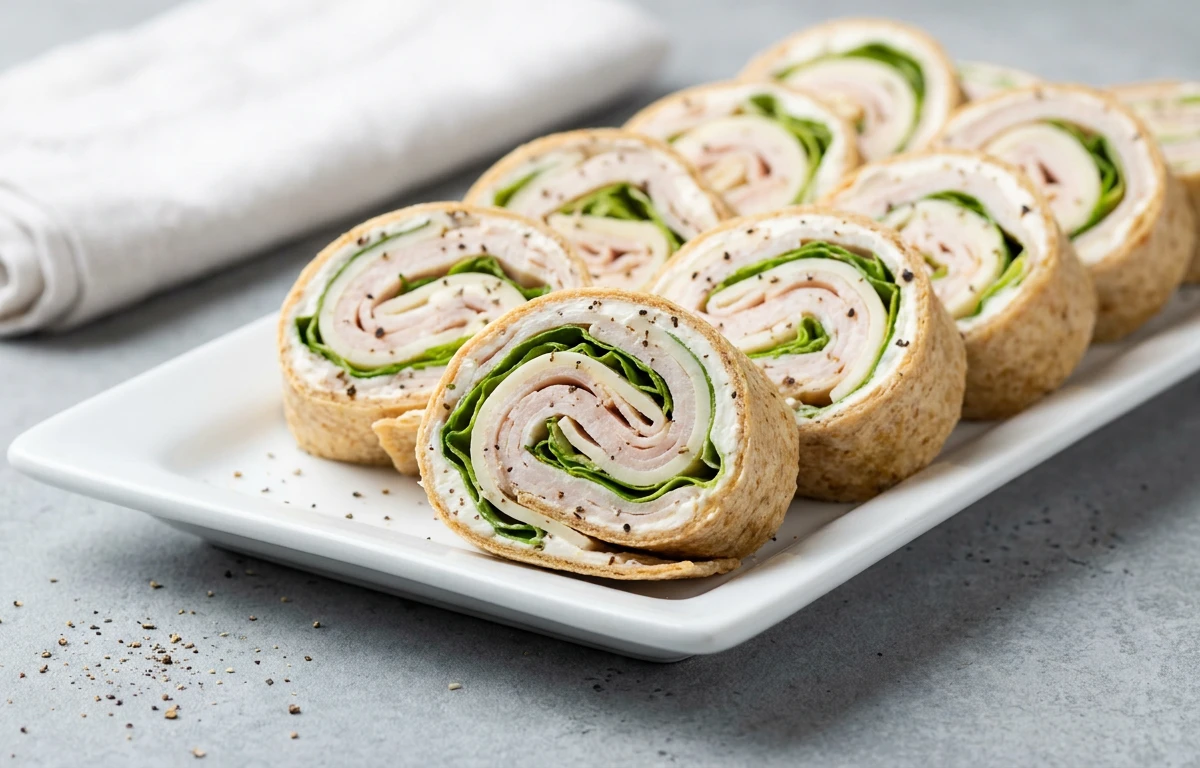
Dairy10 recipes
cream cheese.
VegetarianVeganGluten-freeDairy-freeNut-freePeanut-freeSoy-freeEgg-freeShellfish-freeHoney-freeAlcohol-freeFermented
ALSO KNOWN AS
creamcheesekrim chiz
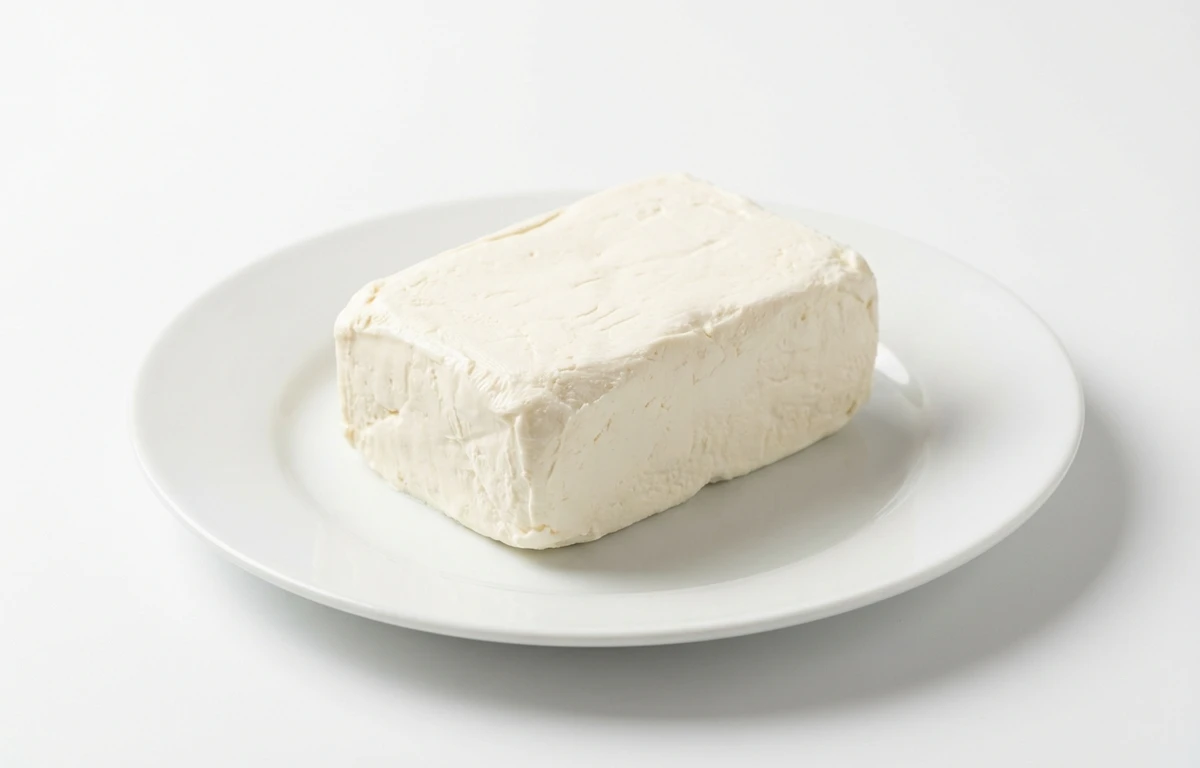
SERVING
CALORIES
342
PROTEIN
6.2g
CARBS
4.1g
FAT
34.2g
FIBER
0g
This ingredient is flagged as naturally gluten-free. Per 100 g, it provides 1.0 µg of vitamin K.
NUTRITION PROFILE · per 100 g
Everything in this ingredient.
MACRONUTRIENTS
Calories342kcal—
Protein6.2g12%
Carbohydrates4.1g1%
Fiber0g0%
Sugar3.2g6%
Total fat34.2g44%
Saturated fat21.5g108%
Trans fat0.17g—
Cholesterol110mg37%
Water53.8g—
MINERALS
Sodium317mg14%
Potassium130mg3%
Calcium93mg7%
Iron0.30mg2%
Magnesium1.3mg0%
Phosphorus15.5mg1%
Zinc0.07mg1%
Copper0mg0%
Manganese0mg0%
Selenium1.3µg2%
VITAMINS
Vitamin A306µg34%
Vitamin C0.60mg1%
Vitamin D0.60µg3%
Vitamin E0.12mg1%
Vitamin K1.0µg1%
Thiamin (B1)0mg0%
Riboflavin (B2)0.03mg2%
Niacin (B3)0.01mg0%
Pantothenic acid (B5)0.08mg2%
Vitamin B60.01mg1%
Folate (B9)1.3µg0%
Vitamin B120.03µg1%
%DV based on a 2,000 cal diet. Source: USDA FoodData Central. A dash in the %DV column means there’s no established Daily Value for that nutrient.
MEASUREMENT CONVERSIONS
How much is what.
1 cup232g
1 tablespoon14.5g
1 teaspoon4.8g
1 oz28.4g
1 lb453.6g
1 ml1g
1 liter966.7g
HEALTH BENEFITS
Why eat it.
- ✓Contains some beneficial bacteria from the fermentation process, which may support gut health.
COOKING TIPS
In the kitchen.
- 1For smooth, lump-free dips and frostings, allow cream cheese to soften to room temperature before mixing.
- 2When adding to hot sauces, temper it by whisking a small amount of the hot liquid into the cream cheese before adding it to the main pot to prevent curdling.
- 3Use full-fat, block-style cream cheese for baking cheesecakes to ensure a rich, dense, and creamy texture.
STORAGE
Keep it fresh.
- Keep refrigerated at or below 40°F (4°C) in its original, sealed container.
- Once opened, wrap tightly in plastic wrap or store in an airtight container and consume within 7-10 days for best quality.
- Cream cheese can be frozen for up to 2 months, though its texture may change slightly upon thawing, making it best for cooked applications.
FAQ
Frequently asked questions.
Is cream cheese keto-friendly?
Yes, cream cheese is very keto-friendly because it is high in fat (34.2g per 100g) and low in carbohydrates (4.08g per 100g). It is a popular ingredient in low-carb recipes for sauces, desserts, and snacks.
How much protein is in cream cheese?
Cream cheese contains approximately 6.15g of protein per 100g. While it provides some protein, it is not considered a high-protein dairy source compared to options like cottage cheese or Greek yogurt.
Can you freeze cream cheese?
You can freeze cream cheese, but the texture will change from smooth to grainy and crumbly once thawed. It is best used for cooking or baking after freezing rather than as a spread for bagels.
Is cream cheese lactose-free?
No, cream cheese is a dairy product and contains lactose. However, the fermentation process and high fat content mean it has less lactose than fluid milk, which some people with mild sensitivities may tolerate.
What is a good substitute for cream cheese?
Neufchâtel cheese is the closest substitute with lower fat content. For baking, mascarpone or strained Greek yogurt can work, while silken tofu or cashew-based spreads are popular vegan alternatives.
Is cream cheese gluten-free?
Plain cream cheese is naturally gluten-free. However, some flavored varieties or low-fat versions may contain thickeners or stabilizers derived from gluten, so it is important to check the ingredient label.
How can you tell if cream cheese has spoiled?
Signs of spoilage include visible mold, a sour or pungent odor, and a change in color to yellow or grey. If the texture becomes excessively slimy or the liquid separates significantly, it should be discarded.
Is cream cheese safe to eat during pregnancy?
Yes, most commercially produced cream cheese is made from pasteurized milk, which is safe for consumption during pregnancy. Always check the label to ensure the product is pasteurized to avoid the risk of foodborne illness.
RECIPES
Cook with cream cheese.
10 recipes · sorted by what’s quick