Other10 recipes
edamame.
VegetarianVeganGluten-freeDairy-freeNut-freePeanut-freeSoy-freeEgg-freeShellfish-freeHoney-freeAlcohol-free
ALSO KNOWN AS
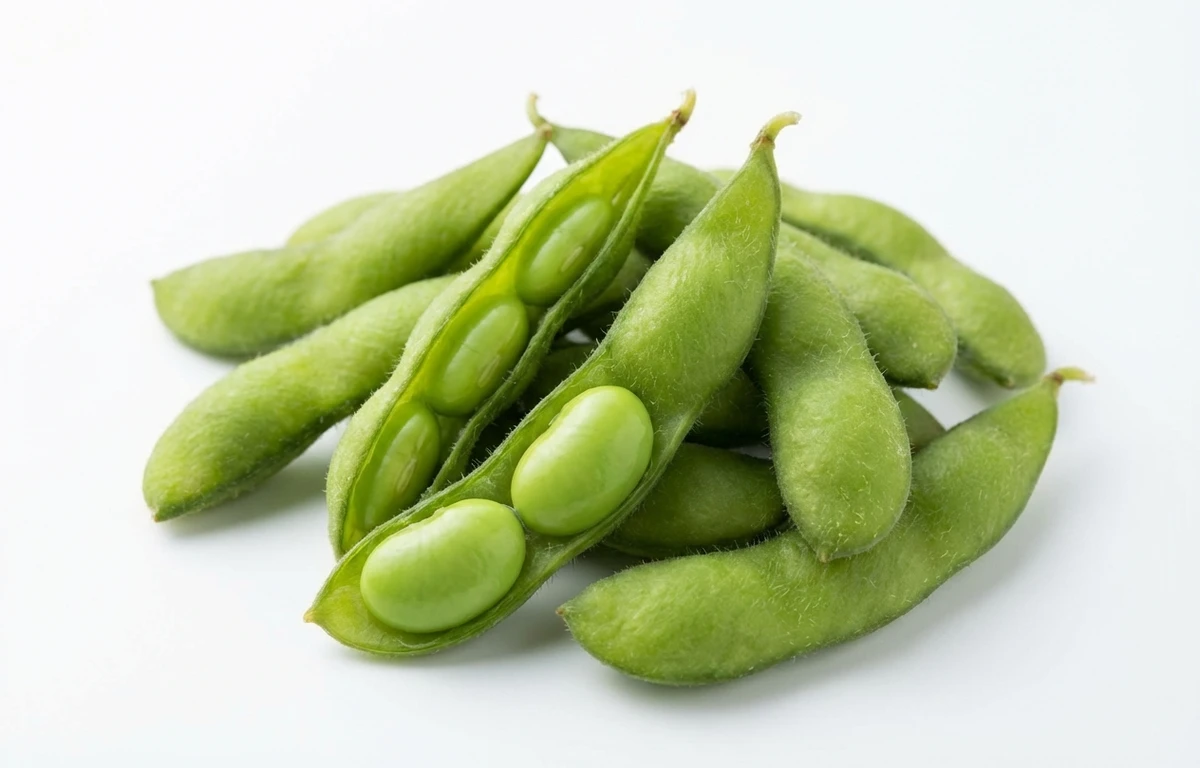
edamame shellededamame in podgreen soybeansedamamefrozen edamame
SERVING
CALORIES
109
PROTEIN
11.2g
CARBS
7.6g
FAT
4.7g
FIBER
4.8g
NUTRITION PROFILE · per 100 g
Everything in this ingredient.
MACRONUTRIENTS
Calories109kcal—
Protein11.2g22%
Carbohydrates7.6g3%
Fiber4.8g17%
Sugar2.5g5%
Total fat4.7g6%
Saturated fat0.62g3%
Trans fat0g—
Water75.2g—
MINERALS
Sodium6.0mg0%
Potassium482mg10%
Calcium60mg5%
Iron2.1mg12%
Magnesium64mg15%
Phosphorus169mg14%
Zinc1.2mg11%
Copper0.23mg26%
Manganese0.62mg27%
Selenium1.3µg2%
VITAMINS
Vitamin A16µg2%
Vitamin C6.1mg7%
Vitamin D0µg0%
Vitamin E0.60mg4%
Vitamin K26.4µg22%
Thiamin (B1)0.20mg17%
Riboflavin (B2)0.14mg11%
Niacin (B3)1.5mg9%
Pantothenic acid (B5)0.30mg6%
Vitamin B60.10mg6%
Folate (B9)311µg78%
Vitamin B120µg0%
%DV based on a 2,000 cal diet. Source: USDA FoodData Central. A dash in the %DV column means there’s no established Daily Value for that nutrient.
MEASUREMENT CONVERSIONS
How much is what.
1 cup155g
1 tablespoon9.7g
1 teaspoon3.2g
1 oz28.4g
1 lb453.6g
1 ml0.7g
1 liter645.3g
HEALTH BENEFITS
Why eat it.
- ✓Excellent source of plant-based complete protein, containing all nine essential amino acids.
- ✓Rich in dietary fiber, which supports digestive health and promotes feelings of fullness.
- ✓High in essential vitamins and minerals, including folate, vitamin K, manganese, and iron.
- ✓Contains isoflavones, which are antioxidants that may help reduce the risk of certain chronic diseases and support bone health.
COOKING TIPS
In the kitchen.
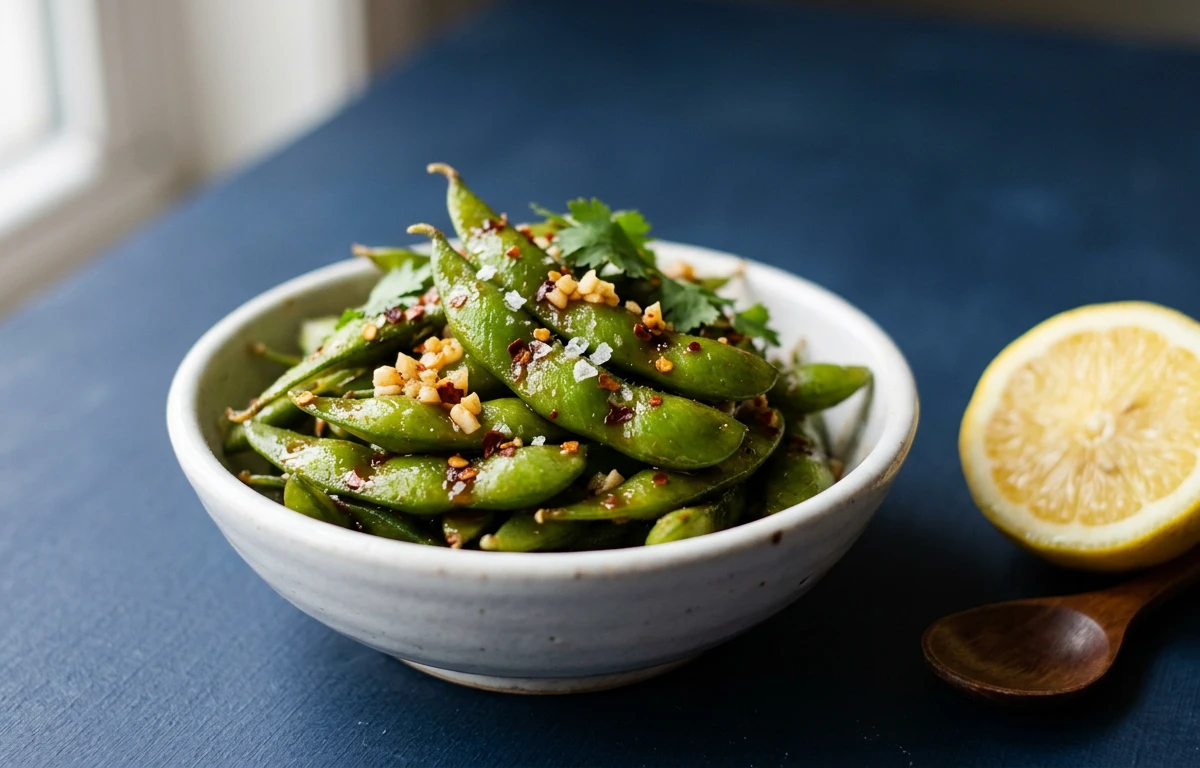
- 1Boil or steam edamame in the pod in salted water for 5-7 minutes until tender-crisp. Drain and sprinkle with coarse sea salt to serve.
- 2For a smoky flavor, pan-sear cooked edamame pods in a hot skillet with a little sesame oil and garlic until slightly charred.
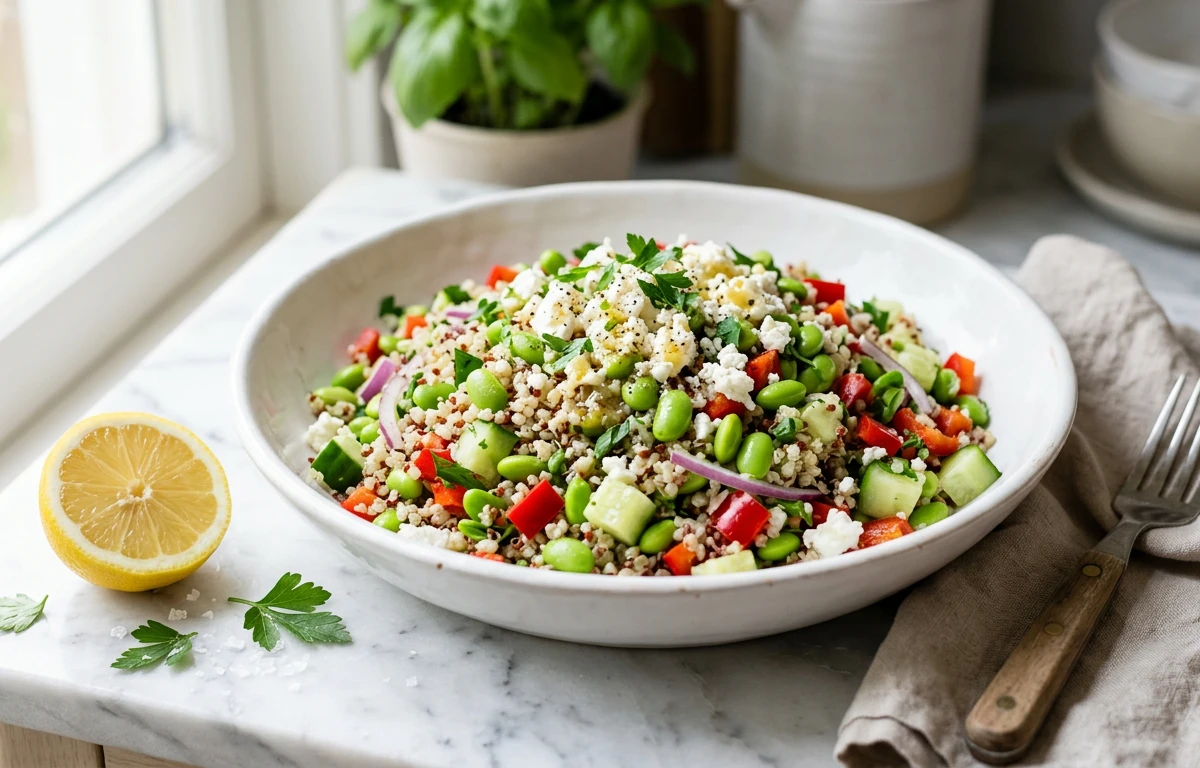
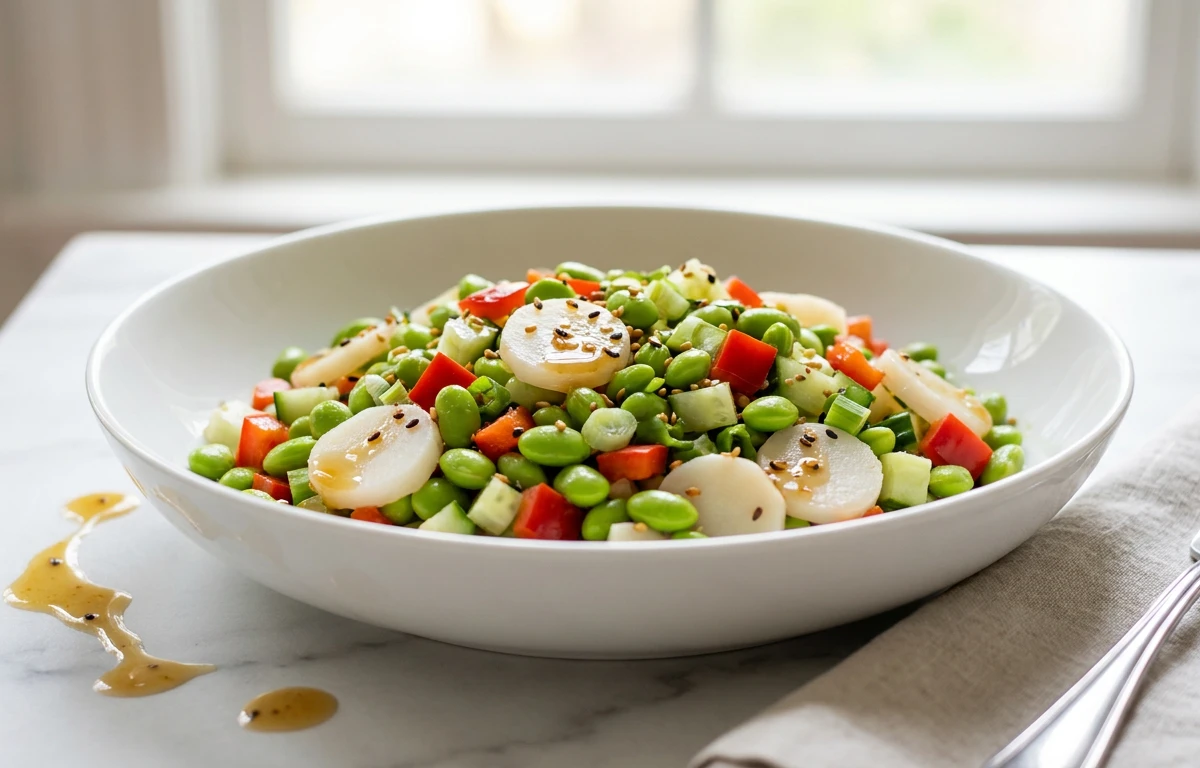
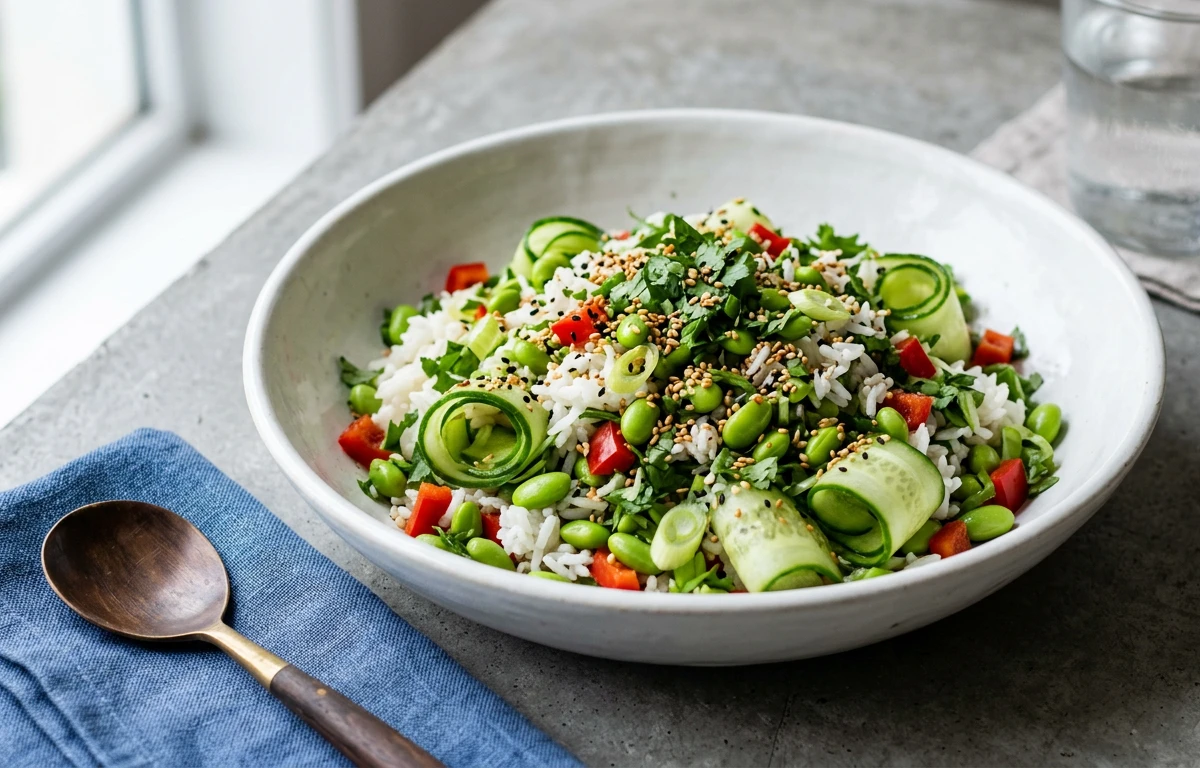
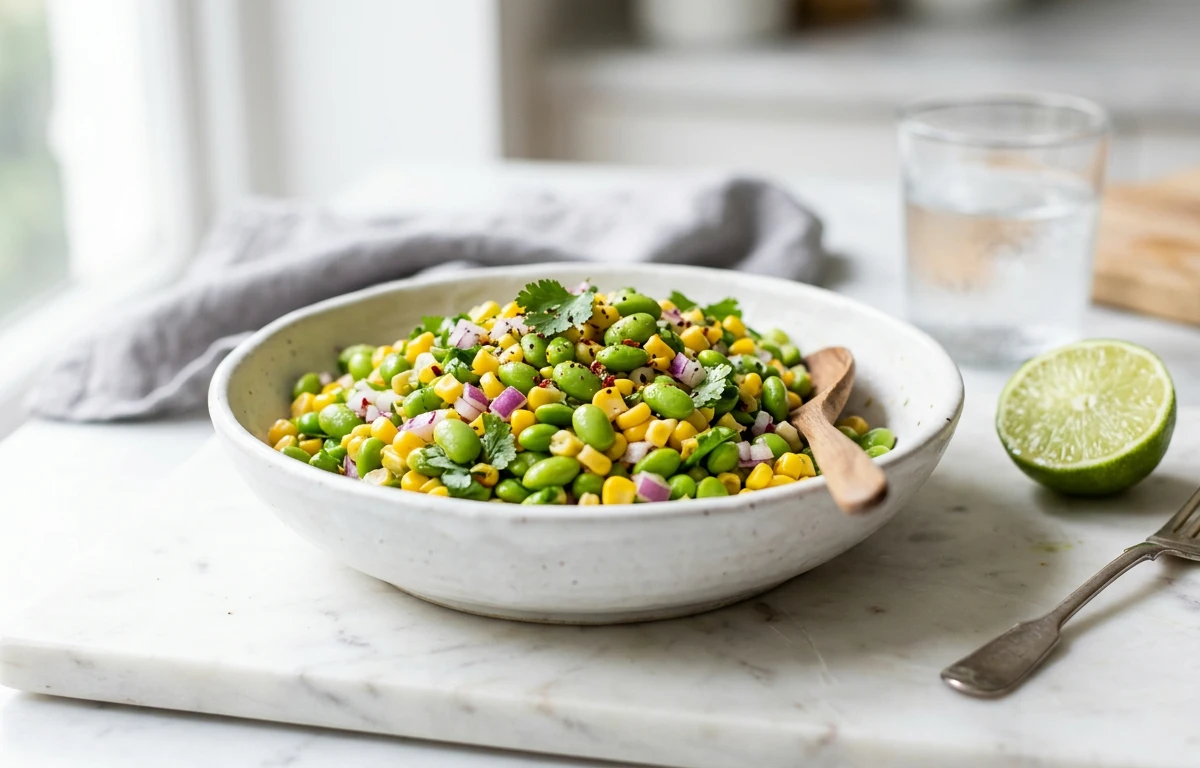
- 3Shell cooked edamame and add the beans to salads, stir-fries, grain bowls, or soups for a boost of protein and texture.
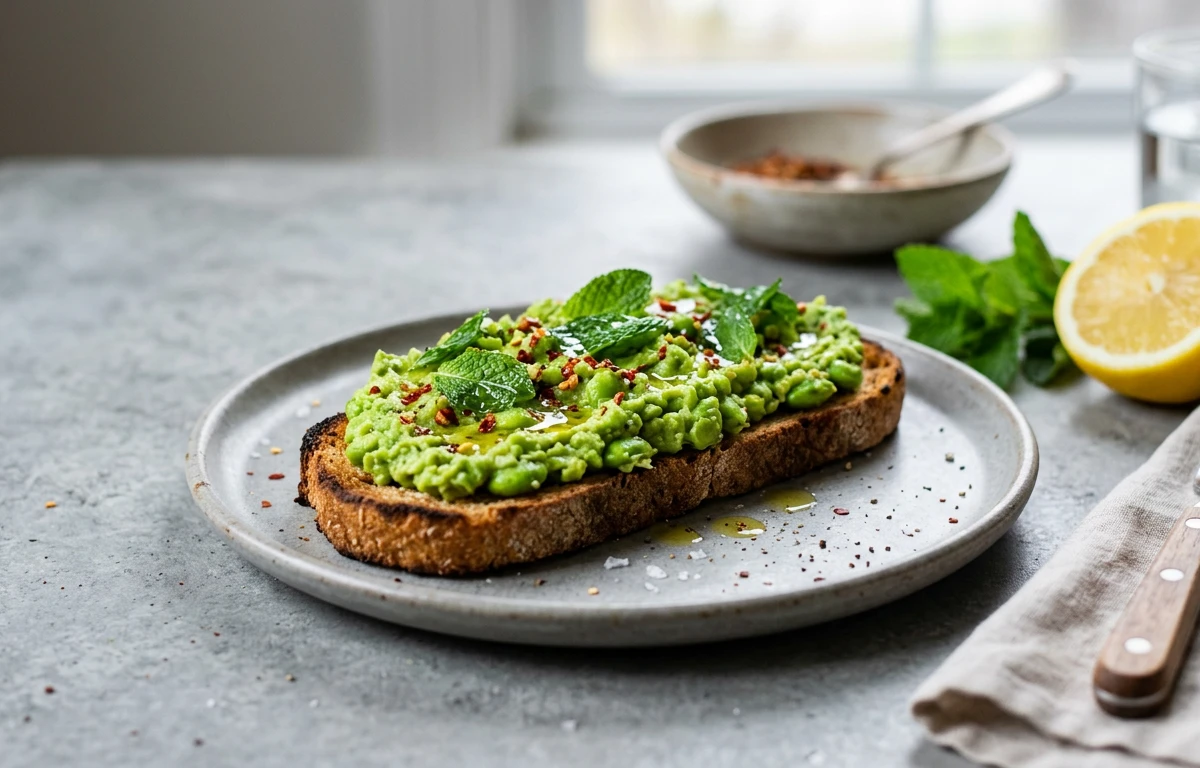
- 4Blend shelled edamame with garlic, lemon juice, tahini, and olive oil to create a vibrant and nutritious alternative to hummus.
STORAGE
Keep it fresh.
- Store fresh edamame pods in a breathable bag in the refrigerator's crisper drawer for up to three days.
- Keep frozen edamame (shelled or in-pod) in an airtight container or its original packaging in the freezer at 0°F (-18°C) for up to 12 months.
FAQ
Frequently asked questions.
Is edamame healthy?
Yes, edamame is very healthy. It's an excellent source of plant-based complete protein, providing all nine essential amino acids. It's also rich in dietary fiber, essential vitamins like folate and vitamin K, and minerals such as manganese and iron, contributing to overall well-being.
What are the nutritional benefits of edamame?
Per 100g, edamame contains approximately 109 calories, 11.22g of protein, 7.61g of carbohydrates, and 4.73g of fat. It's particularly noted for its high fiber content, which aids digestion, and its wealth of vitamins and minerals, including folate, vitamin K, and iron.
Is edamame good for weight loss?
Edamame can be beneficial for weight loss due to its high protein and fiber content. Protein and fiber promote satiety, helping you feel full longer and potentially reducing overall calorie intake. Its relatively low calorie count for its nutritional density also makes it a smart snack choice.
Is edamame vegan and gluten-free?
Yes, edamame is naturally both vegan and gluten-free. As a plant-based legume, it contains no animal products, and it is not a grain, making it suitable for those avoiding gluten.
Is edamame keto-friendly?
While edamame is a legume and contains carbohydrates (around 7.61g per 100g), it can be consumed in moderation on a keto diet. Its fiber content helps offset net carbs, and its high protein makes it a good plant-based option, but portion control is key for strict keto followers.
How do you cook edamame?
Edamame is typically sold frozen, either in the pod or shelled. To cook, you can boil it in salted water for 3-5 minutes, steam it for 5-10 minutes, or microwave it with a splash of water for 2-3 minutes until tender-crisp. Serve with a sprinkle of salt.
What does edamame taste like?
Edamame has a mild, slightly sweet, and nutty flavor with a firm, satisfying texture. Some describe its taste as similar to a fresh pea or lima bean, with a hint of grassy freshness. It's versatile and pairs well with many seasonings.
How should I store edamame?
Fresh edamame pods can be stored in the refrigerator for a few days. Most edamame is sold frozen; keep it in the freezer until ready to use. Once cooked, leftover edamame should be refrigerated in an airtight container and consumed within 3-4 days.
Can you eat edamame raw?
No, edamame should not be eaten raw. Like other soybeans, raw edamame contains trypsin inhibitors and other compounds that can interfere with digestion and nutrient absorption. It must be cooked before consumption to neutralize these compounds and make it safe to eat.
What are isoflavones in edamame and are they beneficial?
Isoflavones are a type of phytoestrogen found in edamame, which are plant compounds that can mimic estrogen in the body. They act as antioxidants and have been studied for potential benefits in reducing the risk of certain chronic diseases, supporting bone health, and alleviating menopausal symptoms.
RECIPES
Cook with edamame.
10 recipes · sorted by what’s quick