Dairy10 recipes
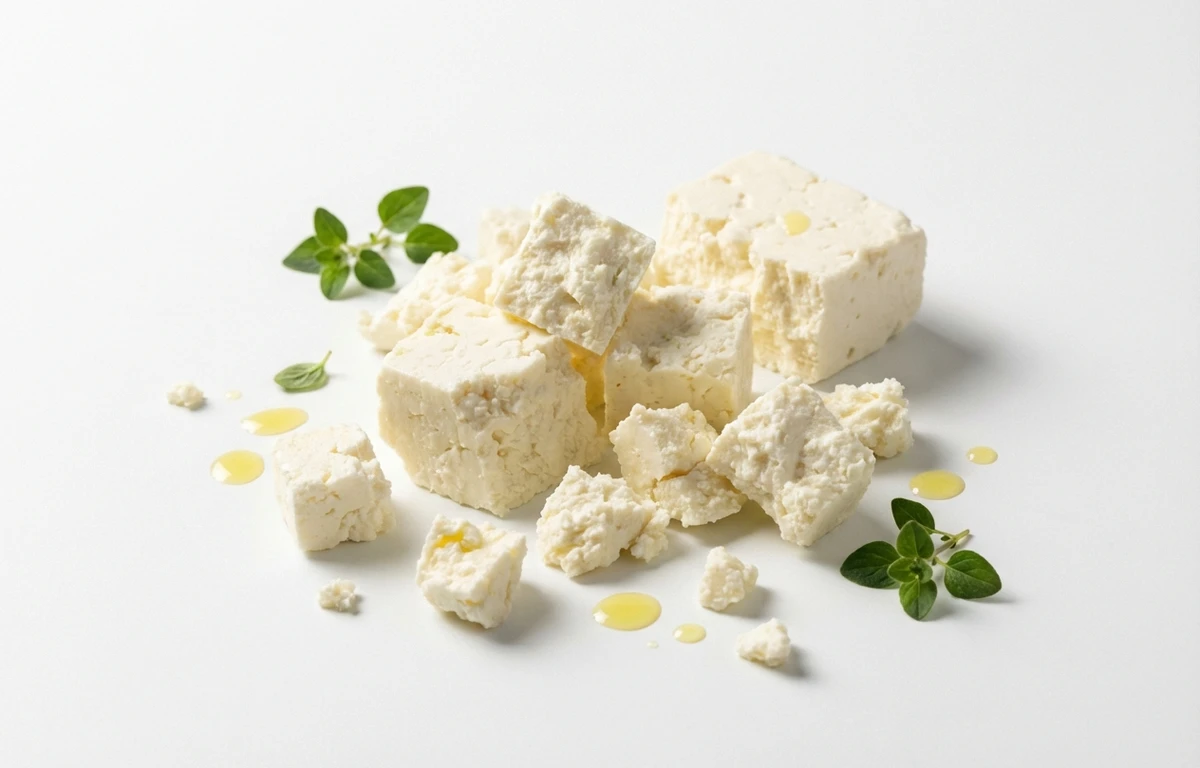
feta cheese.
VegetarianVeganGluten-freeDairy-freeNut-freePeanut-freeSoy-freeEgg-freeShellfish-freeHoney-freeAlcohol-freeFermented
ALSO KNOWN AS
fetagreek fetapickled cheesebrined cheese
SERVING
CALORIES
264
PROTEIN
14.2g
CARBS
4.1g
FAT
21.3g
FIBER
0g
NUTRITION PROFILE · per 100 g
Everything in this ingredient.
MACRONUTRIENTS
Calories264kcal—
Protein14.2g28%
Carbohydrates4.1g1%
Fiber0g0%
Sugar4.1g8%
Total fat21.3g27%
Saturated fat14.9g75%
Trans fat0g—
Cholesterol89mg30%
Water55.2g—
MINERALS
Sodium1116mg49%
Potassium62mg1%
Calcium493mg38%
Iron0.70mg4%
Magnesium19mg5%
Phosphorus337mg27%
Zinc2.9mg26%
Copper0.03mg3%
Manganese0.03mg1%
Selenium15µg27%
VITAMINS
Vitamin A125µg14%
Vitamin C0mg0%
Vitamin D0.40µg2%
Vitamin E0.18mg1%
Vitamin K1.8µg2%
Thiamin (B1)0.15mg13%
Riboflavin (B2)0.84mg65%
Niacin (B3)1.0mg6%
Pantothenic acid (B5)0.97mg19%
Vitamin B60.42mg25%
Folate (B9)32µg8%
Vitamin B121.7µg70%
%DV based on a 2,000 cal diet. Source: USDA FoodData Central. A dash in the %DV column means there’s no established Daily Value for that nutrient.
MEASUREMENT CONVERSIONS
How much is what.
1 cup150g
1 tablespoon9g
1 teaspoon3g
1 oz28.4g
1 lb453.6g
HEALTH BENEFITS
Why eat it.
- ✓Excellent source of bone-strengthening calcium
- ✓Contains probiotics that support gut health
- ✓High in Vitamin B12 for nerve function
- ✓Provides high-quality complete protein
- ✓Contains conjugated linoleic acid (CLA) which may improve body composition
COOKING TIPS
In the kitchen.
- 1Rinse under cold water before use to reduce the saltiness
- 2Feta softens when heated but does not fully melt, making it great for baking
- 3Add to hot dishes at the very end to maintain its texture and tangy flavor
STORAGE
Keep it fresh.
- Store in its original brine to prevent drying out
- Keep refrigerated at all times in an airtight container
- If the brine is lost, make a new one using 1 cup water and 1 teaspoon salt
FAQ
Frequently asked questions.
How long does feta cheese last after opening?
If kept in brine and refrigerated, feta can last for 1 to 2 weeks. If it starts to smell sour or develops mold, discard it.
Can feta cheese be frozen?
Yes, but the texture will become more crumbly and dry once thawed. It is best used for cooking or baking after being frozen.
What is a good substitute for feta cheese?
Goat cheese (Chevre) is the best substitute for texture. Ricotta Salata or Cotija cheese can also work for their salty, crumbly properties.
Is feta cheese made from cow's milk?
Traditional Greek feta is made from sheep's milk or a mixture of sheep and goat milk. Some commercial varieties use cow's milk, but they are often milder.
How do I pick a high-quality feta?
Look for feta that is stored in brine, has a bright white color, and is labeled 'Product of Greece' for the most authentic flavor.
Why is feta cheese so salty?
Feta is a brined cheese, meaning it is cured and stored in a salt-water solution, which acts as a preservative and provides its signature flavor.
Is feta cheese healthy for weight loss?
Feta is lower in calories and fat than many other cheeses like Cheddar or Parmesan, but it is high in sodium, so it should be eaten in moderation.
Can I eat feta cheese if I am lactose intolerant?
Feta made from sheep or goat milk is often easier to digest than cow's milk cheese, but it still contains lactose and may not be suitable for everyone.
What are common ways to use feta cheese?
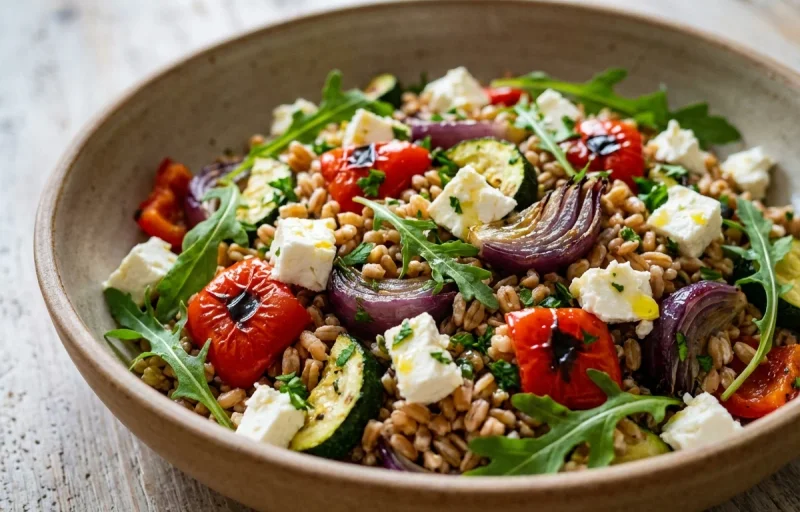
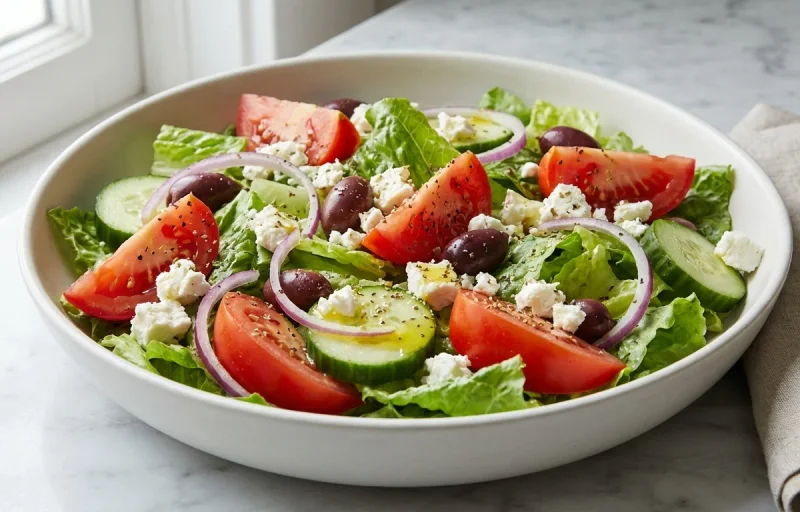
It is most commonly used in Greek salads, crumbled over roasted vegetables, stuffed into pastries like Spanakopita, or baked with cherry tomatoes.
RECIPES
Cook with feta cheese.
10 recipes · sorted by what’s quick