Grain10 recipes
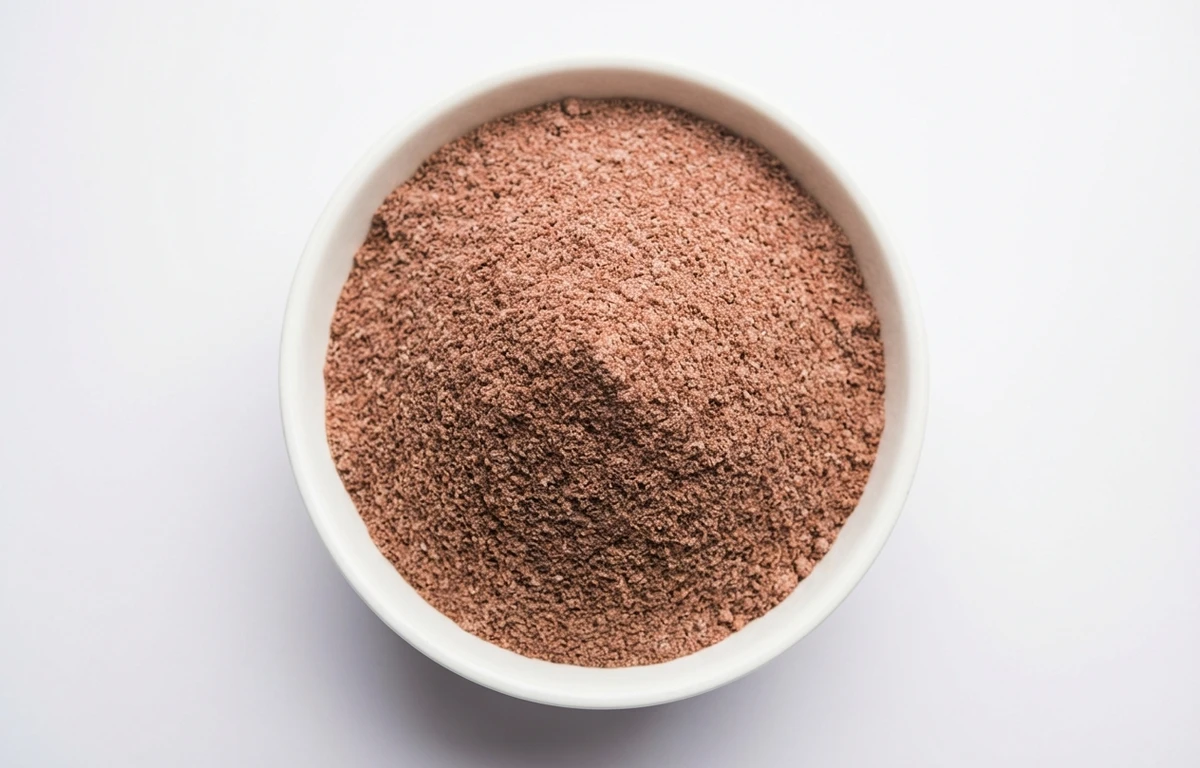
finger millet flour.
VegetarianVeganGluten-freeDairy-freeNut-freePeanut-freeSoy-freeEgg-freeShellfish-freeHoney-freeAlcohol-freeWhole grain
ALSO KNOWN AS
ragi flournachni flourfinger millet
SERVING
CALORIES
382
PROTEIN
10.8g
CARBS
75.1g
FAT
4.3g
FIBER
3.5g
NUTRITION PROFILE · per 100 g
Everything in this ingredient.
MACRONUTRIENTS
Calories382kcal—
Protein10.8g22%
Carbohydrates75.1g27%
Fiber3.5g13%
Sugar1.7g3%
Total fat4.3g5%
Saturated fat0.54g3%
Trans fat0g—
Water8.7g—
MINERALS
Sodium4.0mg0%
Potassium224mg5%
Calcium14mg1%
Iron3.9mg22%
Magnesium137mg33%
Phosphorus283mg23%
Zinc2.3mg21%
Copper0.48mg53%
Manganese1.1mg48%
Selenium4.2µg8%
VITAMINS
Vitamin A0µg0%
Vitamin C0mg0%
Vitamin D0µg0%
Vitamin E0.09mg1%
Vitamin K0.30µg0%
Thiamin (B1)0.42mg35%
Riboflavin (B2)0.11mg8%
Niacin (B3)1.1mg7%
Pantothenic acid (B5)0.40mg8%
Vitamin B60.38mg22%
Folate (B9)38µg10%
Vitamin B120µg0%
%DV based on a 2,000 cal diet. Source: USDA FoodData Central. A dash in the %DV column means there’s no established Daily Value for that nutrient.
MEASUREMENT CONVERSIONS
How much is what.
1 cup120g
1 tablespoon8g
1 teaspoon2.5g
1 ml0.6g
1 liter533.3g
HEALTH BENEFITS
Why eat it.
- ✓Exceptionally rich in calcium, promoting bone health and helping to prevent osteoporosis.
- ✓High in dietary fiber, which aids in digestion, promotes satiety, and helps regulate blood sugar levels.
- ✓Naturally gluten-free, making it an excellent choice for individuals with celiac disease or gluten intolerance.
- ✓A good source of iron and other essential minerals, which can help in preventing anemia and boosting overall vitality.
COOKING TIPS
In the kitchen.
- 1To avoid lumps when making porridge or sauces, first mix the flour with a small amount of cold water or milk to form a smooth paste before adding it to hot liquid.
- 2Finger millet flour has a dense texture and earthy flavor; combine it with other flours like whole wheat or oat flour for lighter baked goods.
- 3Since it is gluten-free, it requires a binding agent like psyllium husk, flax egg, or mashed banana when used for baking bread or cakes.
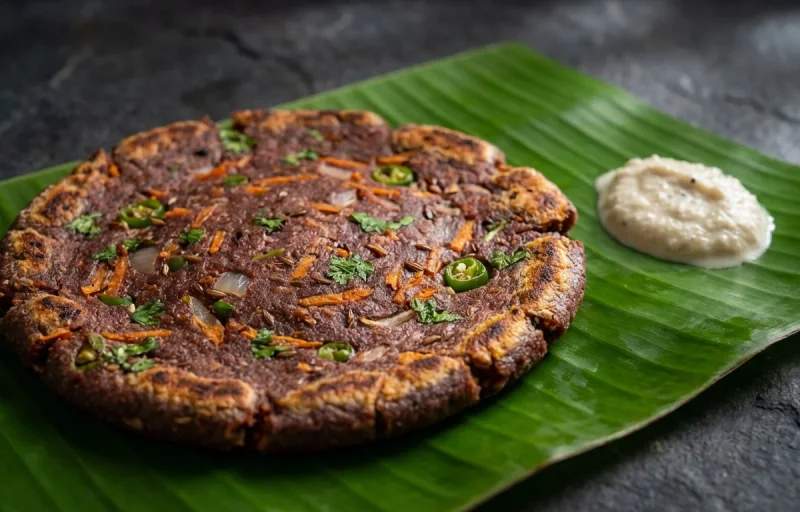
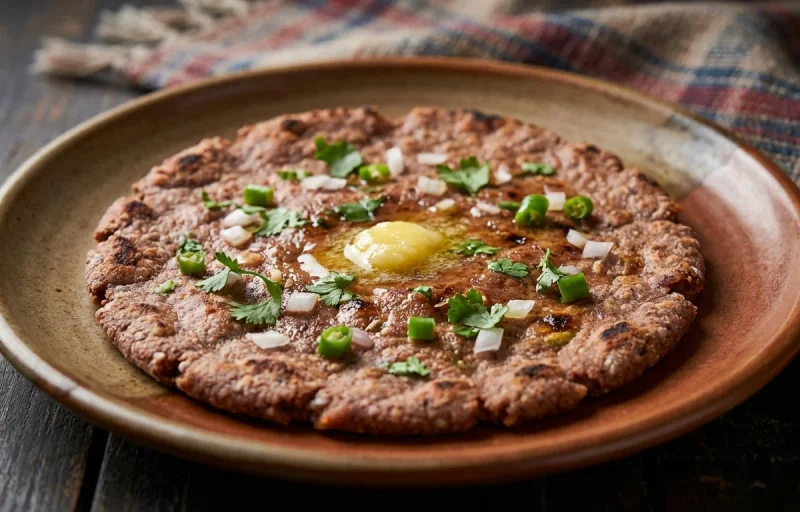
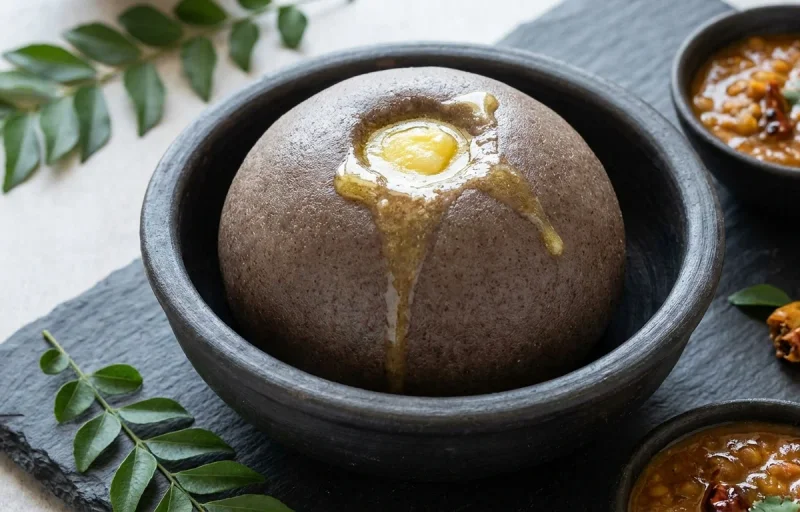
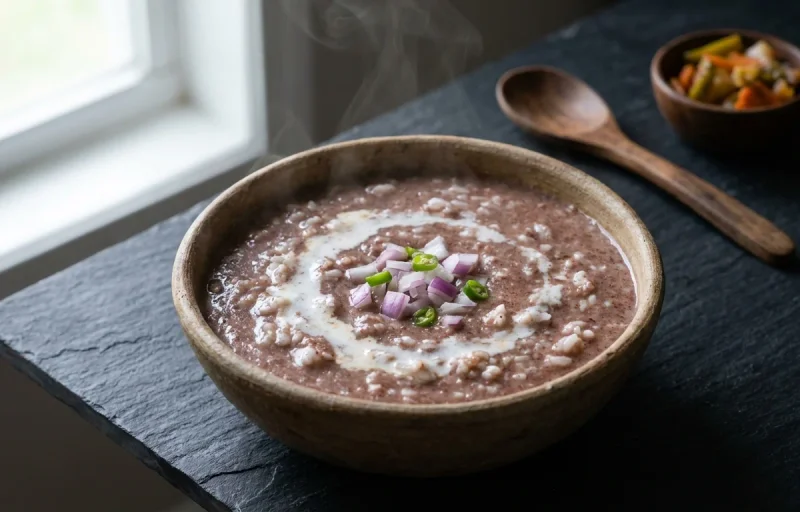
- 4It is traditionally used to make flatbreads (ragi roti), dosas, and nutritious porridges (ragi malt).
STORAGE
Keep it fresh.
- Store in a cool, dark, and dry place in an airtight container to prevent moisture absorption and pest infestation.
- For long-term storage (beyond 3-4 months), refrigerate or freeze the flour to maintain its freshness and prevent it from turning rancid.
FAQ
Frequently asked questions.
Is finger millet flour healthy?
Yes, finger millet flour is exceptionally healthy. It is renowned for being rich in calcium, high in dietary fiber, and a good source of iron and other essential minerals. These properties contribute to strong bones, improved digestion, and overall vitality.
What are the key nutritional benefits of finger millet flour?
Finger millet flour is a powerhouse of nutrients. It's exceptionally rich in calcium, which is vital for bone health and preventing osteoporosis. Its high fiber content aids digestion and helps regulate blood sugar, while also providing iron to combat anemia and boost energy.
How many calories and carbohydrates are in finger millet flour?
Per 100g, finger millet flour contains approximately 382 calories and 75.12g of carbohydrates. It also provides a good amount of protein at 10.75g and 4.25g of fat, making it an energy-dense and nutrient-rich grain.
Is finger millet flour good for weight loss?
Finger millet flour can be beneficial for weight management due to its high dietary fiber content. Fiber promotes satiety, helping you feel full longer and potentially reducing overall calorie intake. Its complex carbohydrates also provide sustained energy, which can prevent overeating.
Is finger millet flour gluten-free?
Yes, finger millet flour is naturally gluten-free. This makes it an excellent and safe grain alternative for individuals with celiac disease, gluten sensitivity, or those following a gluten-free diet.
Can diabetics eat finger millet flour?
Yes, finger millet flour is often recommended for diabetics. Its high dietary fiber content helps in slowing down the absorption of carbohydrates, leading to a more gradual rise in blood sugar levels compared to refined grains. However, portion control remains important.
Is finger millet flour keto-friendly?
No, finger millet flour is not keto-friendly. With approximately 75.12g of carbohydrates per 100g, it is too high in carbs to fit into a ketogenic diet, which typically restricts net carb intake to a much lower amount.
How can I use finger millet flour in cooking?
Finger millet flour is very versatile and can be used in various culinary applications. It's commonly used to make traditional flatbreads (rotis), porridges, dosas, and idlis. It can also be incorporated into baked goods like bread, cookies, and muffins, often blended with other flours.
What does finger millet flour taste like?
Finger millet flour has a distinct, slightly nutty and earthy flavor. It's generally mild but more pronounced than wheat flour, adding a unique depth to dishes. Its taste pairs well with both savory and sweet preparations.
How should I store finger millet flour?
To maintain its freshness and prevent spoilage, store finger millet flour in an airtight container. Keep it in a cool, dry, and dark place, away from direct sunlight and moisture. Properly stored, it can last for several months.
RECIPES
Cook with finger millet flour.
10 recipes · sorted by what’s quick