Other10 recipes
fresh dill.
VegetarianVeganGluten-freeDairy-freeNut-freePeanut-freeSoy-freeEgg-freeShellfish-freeHoney-freeAlcohol-free
ALSO KNOWN AS
dill weedfresh dill weedshepusoya saageneldoanethdill sprigs
SERVING
CALORIES
43
PROTEIN
3.5g
CARBS
7.0g
FAT
1.1g
FIBER
2.1g
NUTRITION PROFILE · per 100 g
Everything in this ingredient.
MACRONUTRIENTS
Calories43kcal—
Protein3.5g7%
Carbohydrates7.0g3%
Fiber2.1g8%
Sugar0.05g0%
Total fat1.1g1%
Saturated fat0.06g0%
Trans fat0g—
Cholesterol0mg0%
Water86g—
MINERALS
Sodium61mg3%
Potassium738mg16%
Calcium208mg16%
Iron6.6mg37%
Magnesium55mg13%
Phosphorus66mg5%
Zinc0.91mg8%
Copper0.14mg16%
Manganese1.3mg55%
Selenium0µg0%
VITAMINS
Vitamin A386µg43%
Vitamin C85mg94%
Vitamin D0µg0%
Vitamin E0mg0%
Vitamin K628µg524%
Thiamin (B1)0.06mg5%
Riboflavin (B2)0.30mg23%
Niacin (B3)1.6mg10%
Pantothenic acid (B5)0.40mg8%
Vitamin B60.19mg11%
Folate (B9)150µg38%
Vitamin B120µg0%
%DV based on a 2,000 cal diet. Source: USDA FoodData Central. A dash in the %DV column means there’s no established Daily Value for that nutrient.
MEASUREMENT CONVERSIONS
How much is what.
1 cup8.9g
1 tablespoon0.6g
1 teaspoon0.2g
1 oz28.4g
1 lb453.6g
1 ml0.6g
1 liter37g
1 piece2g
HEALTH BENEFITS
Why eat it.
- ✓Rich in antioxidants like flavonoids and tannins
- ✓Excellent source of Vitamin C for immune support
- ✓Contains Vitamin K which is essential for bone health
- ✓May help lower blood sugar levels
- ✓Traditionally used to aid digestion and reduce gas
COOKING TIPS
In the kitchen.
- 1Add fresh dill at the very end of cooking to preserve its delicate flavor
- 2Use the stems for flavoring stocks, soups, or pickling liquids
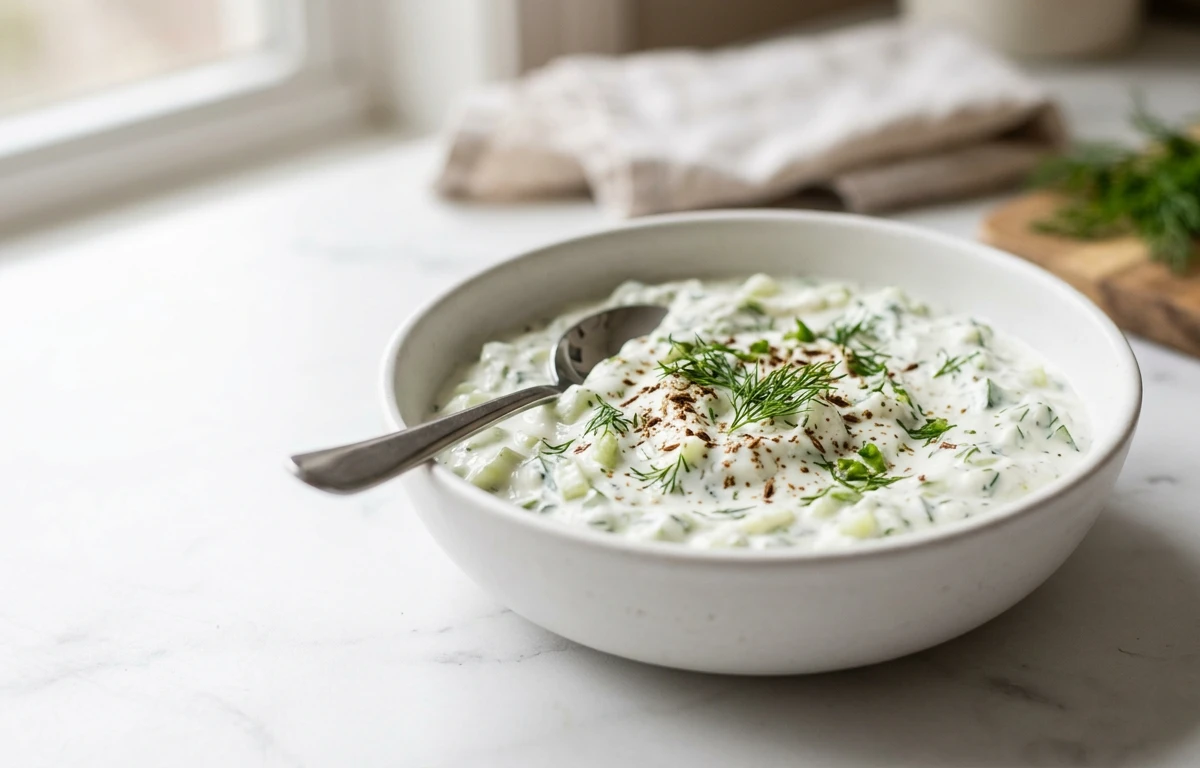
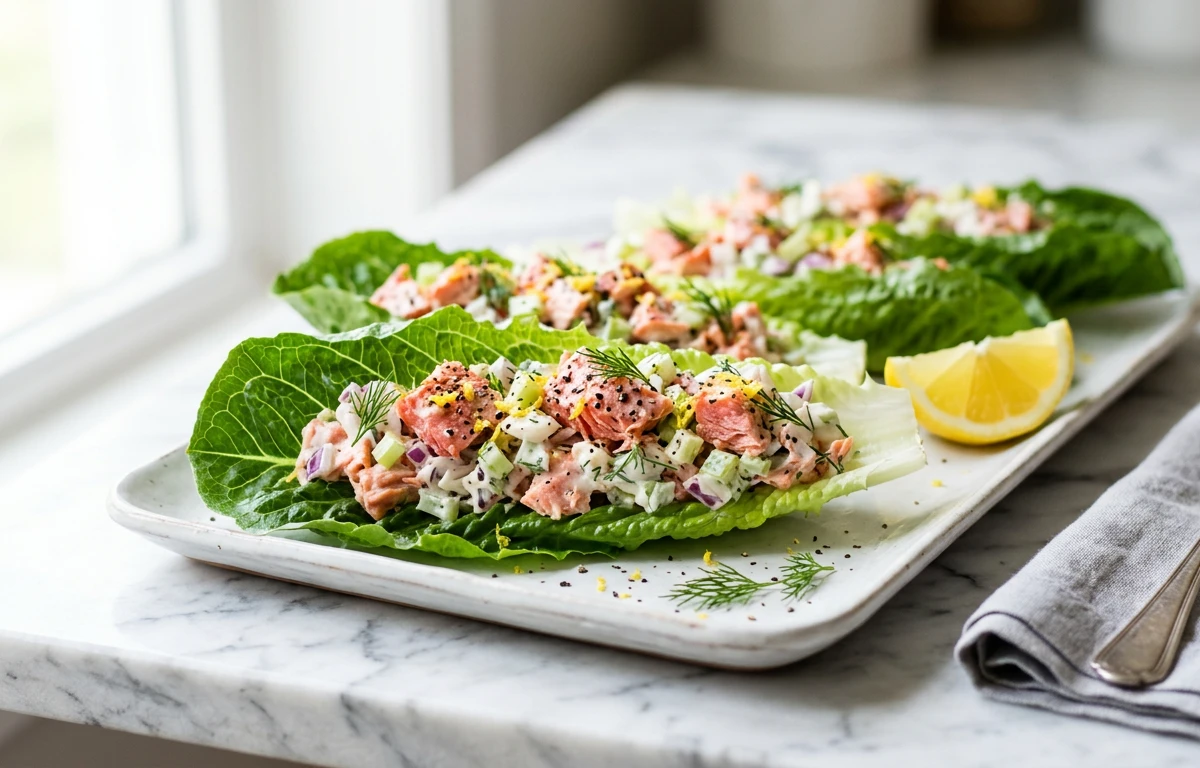
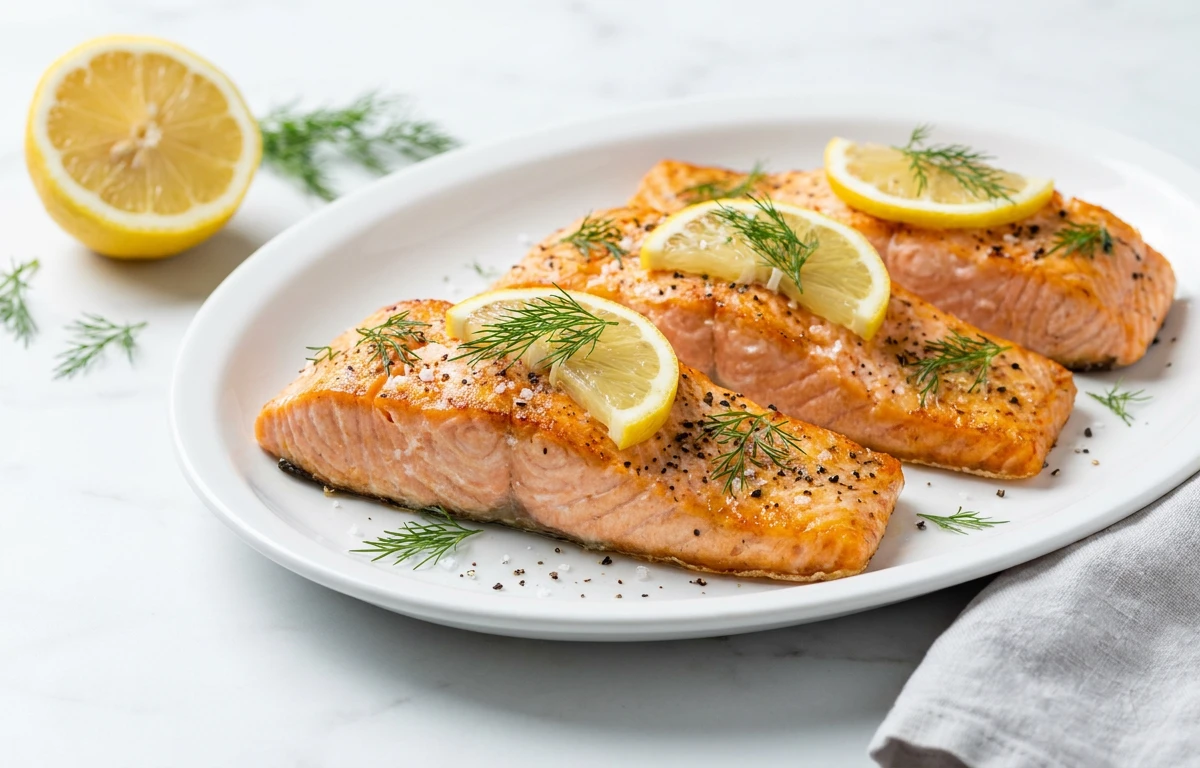
- 3Pairs exceptionally well with lemon, yogurt, cucumbers, and fatty fish
STORAGE
Keep it fresh.
- Wrap loosely in a damp paper towel and place in a plastic bag in the fridge
- Store upright in a glass of water with a plastic bag over the top
- Freeze chopped dill in ice cube trays with water or olive oil
FAQ
Frequently asked questions.
How long does fresh dill last in the refrigerator?
When stored properly in a damp paper towel or a jar of water, fresh dill typically lasts 7 to 10 days.
Can I freeze fresh dill?
Yes, you can freeze it. While it will lose its crisp texture, it retains its flavor well for use in cooked dishes or sauces.
What is a good substitute for fresh dill?
Dried dill can be used (1 teaspoon dried for every 1 tablespoon fresh). Alternatively, use fennel fronds or fresh parsley for a different but fresh profile.
How do I pick the best fresh dill at the store?
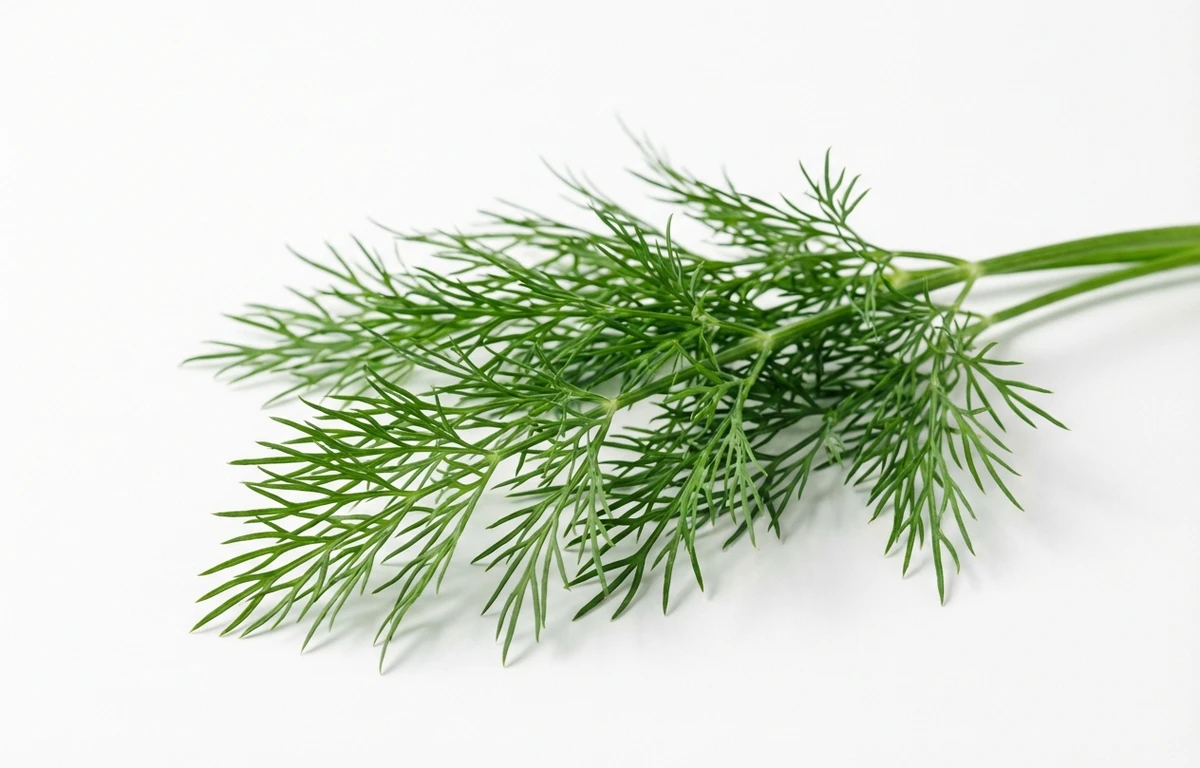
Look for bright green, feathery leaves. Avoid any bunches that are wilting, turning yellow, or have slimy stems.
Are dill stems edible?
Yes, the stems are edible and very flavorful. Fine stems can be chopped with the leaves; thicker stems are best used in stocks or pickles.
How do I clean fresh dill?
Swish the dill in a bowl of cold water to remove grit, then pat it very dry with a paper towel or use a salad spinner.
Is fresh dill healthy?
Yes, it is very low in calories but high in Vitamin A, Vitamin C, and Manganese, along with various antioxidants.
What are the most common uses for fresh dill?
It is a staple in pickles, tzatziki sauce, potato salads, borscht, and as a garnish for salmon and egg dishes.
RECIPES
Cook with fresh dill.
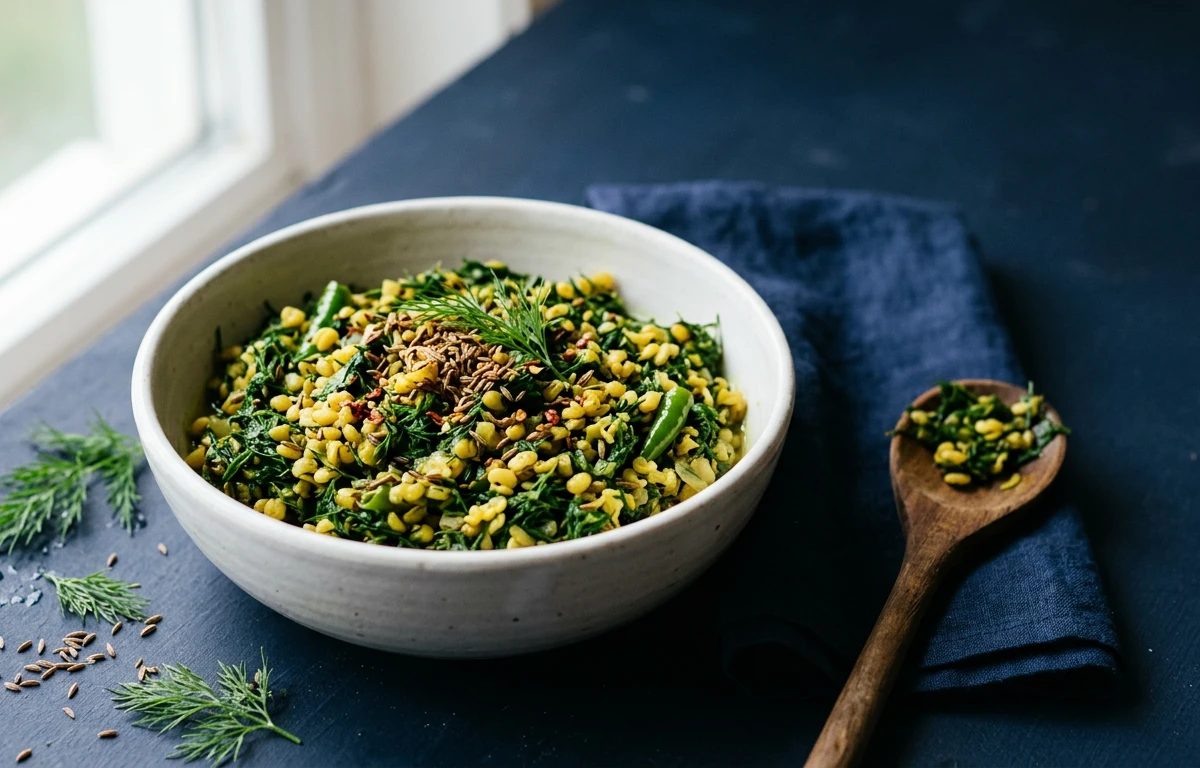
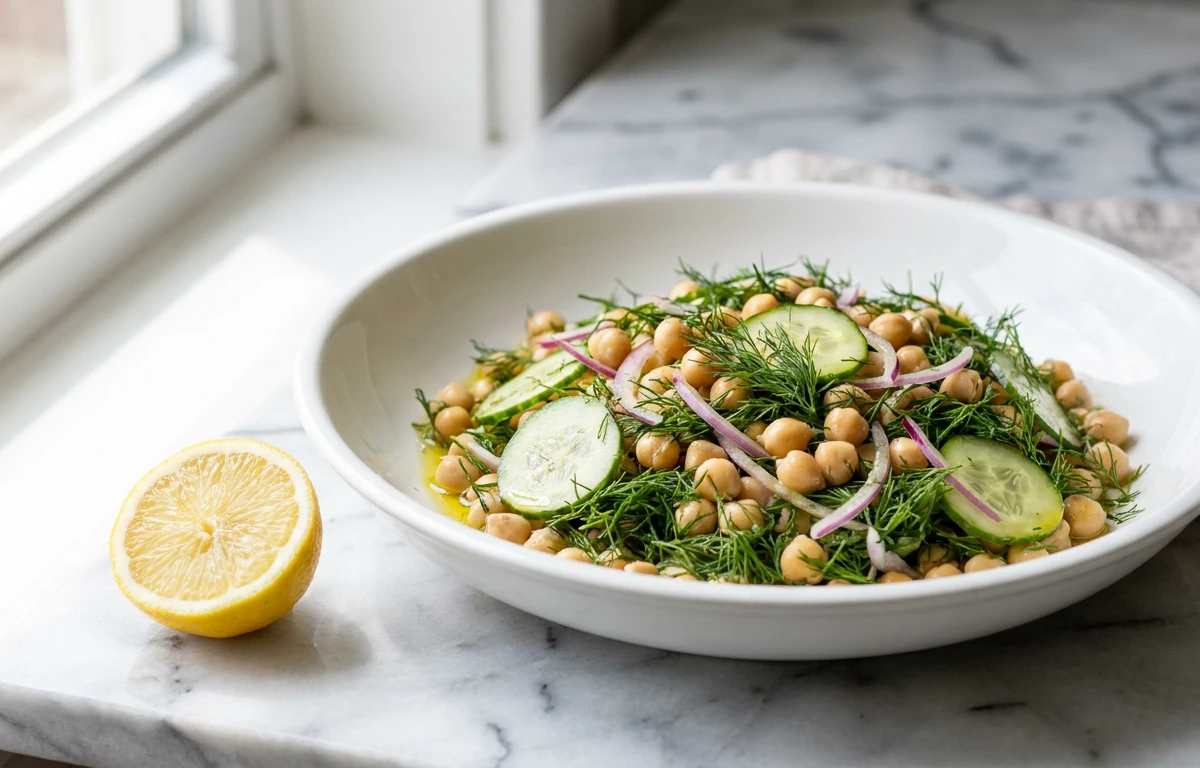
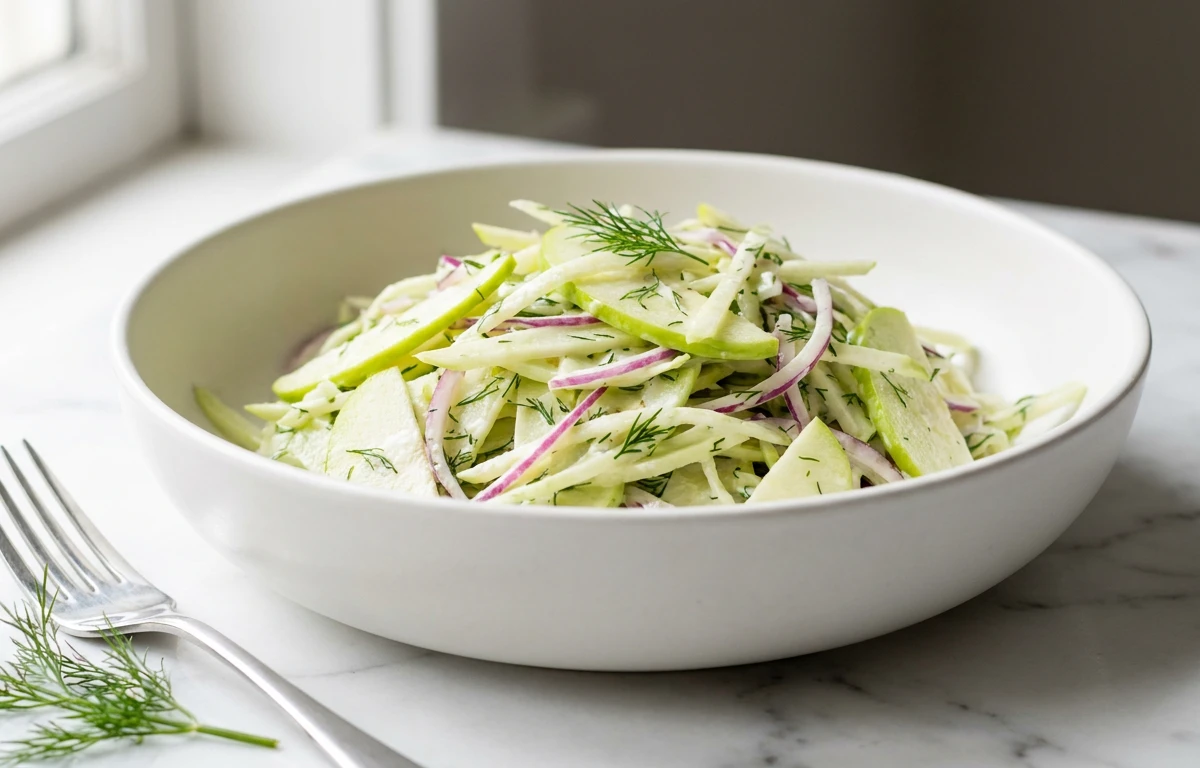
10 recipes · sorted by what’s quick