Loading...
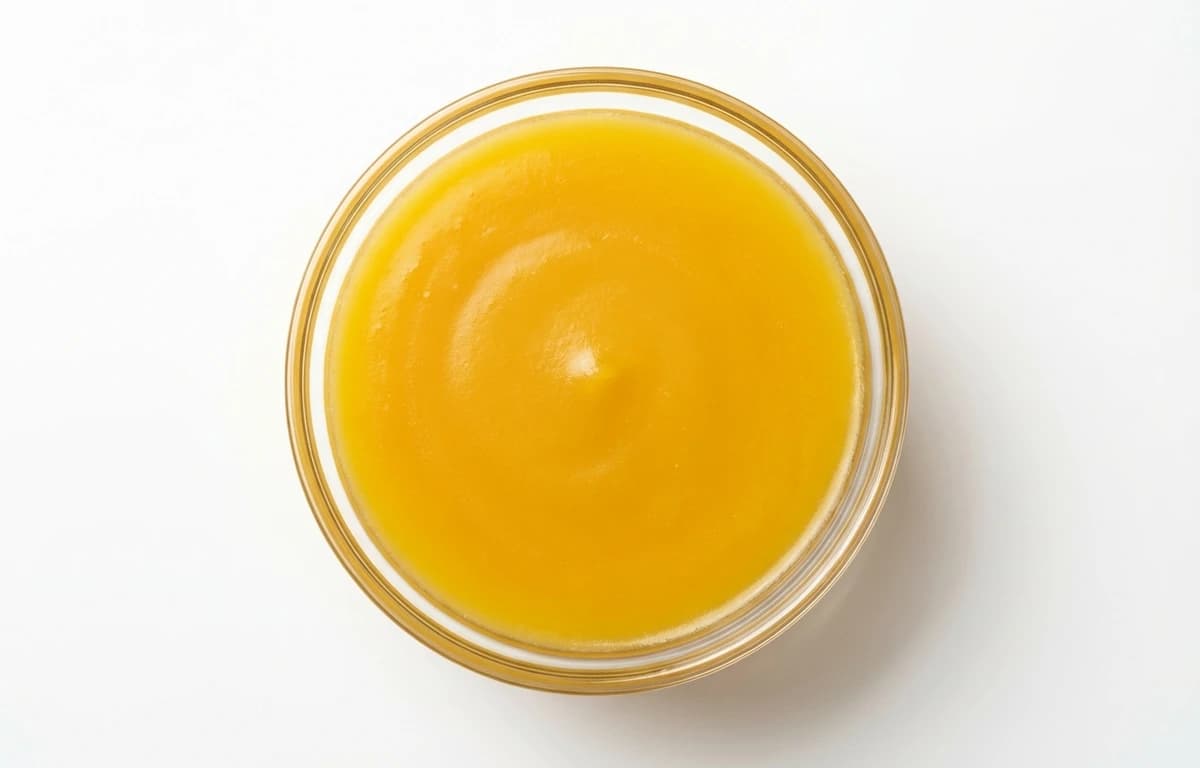
Also known as: clarified butter, ghee, Indian butter
Per 100g
Nutrition data source: USDA FoodData Central
Common measurement equivalents in grams
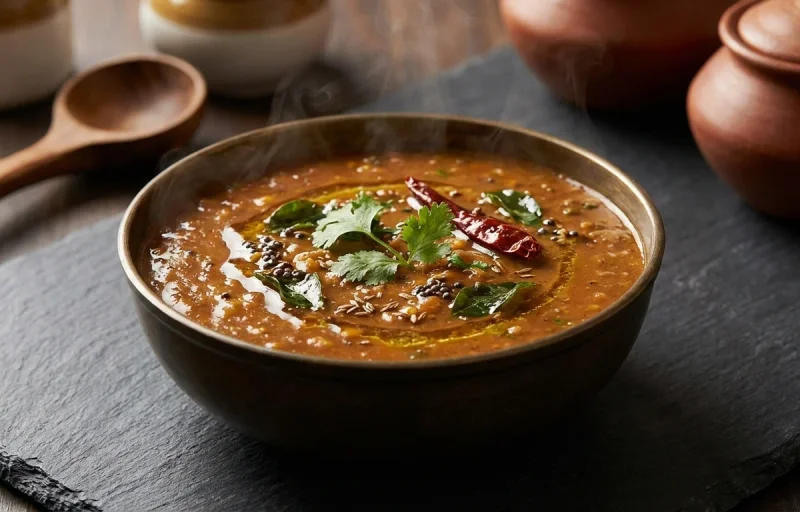
A comforting and tangy lentil soup from Karnataka, made with toor dal, tamarind, and a special blend of spices. This classic 'saaru' is the perfect accompaniment to steamed rice and a spoonful of ghee.
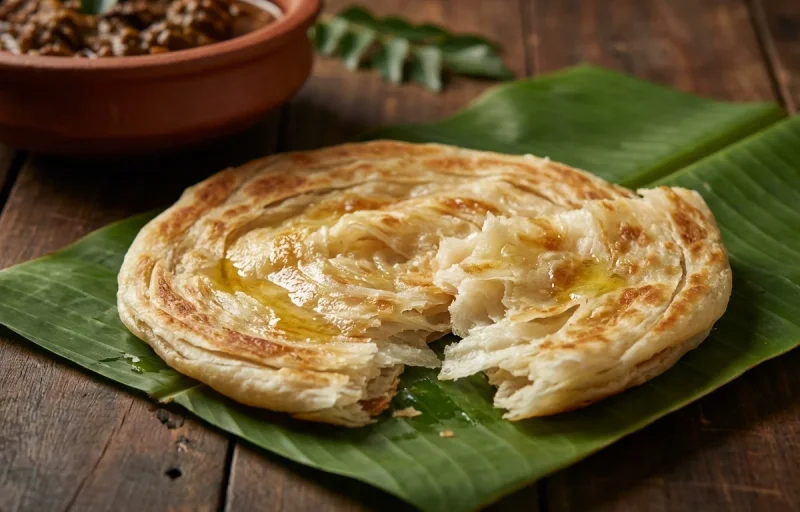
Experience the magic of flaky, layered flatbread from the coastal city of Mangalore. This parotta, with its countless crispy layers and soft, chewy texture, is the perfect companion for rich curries like chicken ghee roast or vegetable korma.

A comforting South Indian stew made with tender cucumber and soft-cooked moong dal in a fragrant coconut-cumin masala. This wholesome kootu is a perfect, light accompaniment for rice and a dollop of ghee.

A traditional South Indian soup made from the nutritious broth of horsegram lentils. It's tangy, spicy, and deeply comforting, perfect to enjoy with hot steamed rice and a dollop of ghee.
Yes, ghee offers several health benefits. It's rich in fat-soluble vitamins A, E, and K, and contains butyric acid, which may support gut health and reduce inflammation. Its high smoke point also makes it a stable fat for cooking.
Per 100g, ghee is almost entirely fat, containing approximately 99.48g of fat and 899 calories. It has virtually no protein (0.28g) or carbohydrates (0g).
Ghee is virtually free of lactose and casein, the primary proteins in dairy that cause sensitivities. This makes it a suitable fat source for many individuals with lactose intolerance or mild dairy allergies, though severe allergies should still exercise caution.
No, ghee is not vegan. It is made from butter, which is derived from cow's milk, making it a dairy product. However, it is vegetarian.
Yes, ghee is highly keto-friendly. It is a pure fat source with zero carbohydrates and minimal protein, making it an excellent choice for those following a ketogenic diet to meet their fat macros.
Ghee is excellent for high-heat cooking methods like sautéing, frying, and roasting due to its high smoke point of around 485°F (250°C). This stability helps prevent the formation of harmful compounds during cooking.
Ghee has a rich, nutty, and slightly sweet flavor, often described as more intense and complex than butter. It adds a distinct depth to dishes and has a pleasant aroma.
ghee is a versatile ingredient found in cuisines around the world. With 899 calories per 100g and 0.28 grams of protein, it's a nutritious addition to many dishes.
Explore more ingredients in the other category with complete nutrition information.
View all other →Explore more ingredients similar to ghee.
The most-searched ingredients on CraftMyMeals.
Ghee is shelf-stable and does not require refrigeration. It should be stored in an airtight container in a cool, dark place away from direct sunlight and moisture to maintain its quality.
When stored properly in a cool, dark place, unopened ghee can last for up to 12 months, and even longer. Once opened, it typically remains fresh for 3-6 months at room temperature, or longer if refrigerated.
Yes, ghee stands out due to its high concentration of butyric acid, a short-chain fatty acid known for its potential to support gut health and reduce inflammation. It's also a rich source of fat-soluble vitamins A, E, and K.