spice blend10 recipes
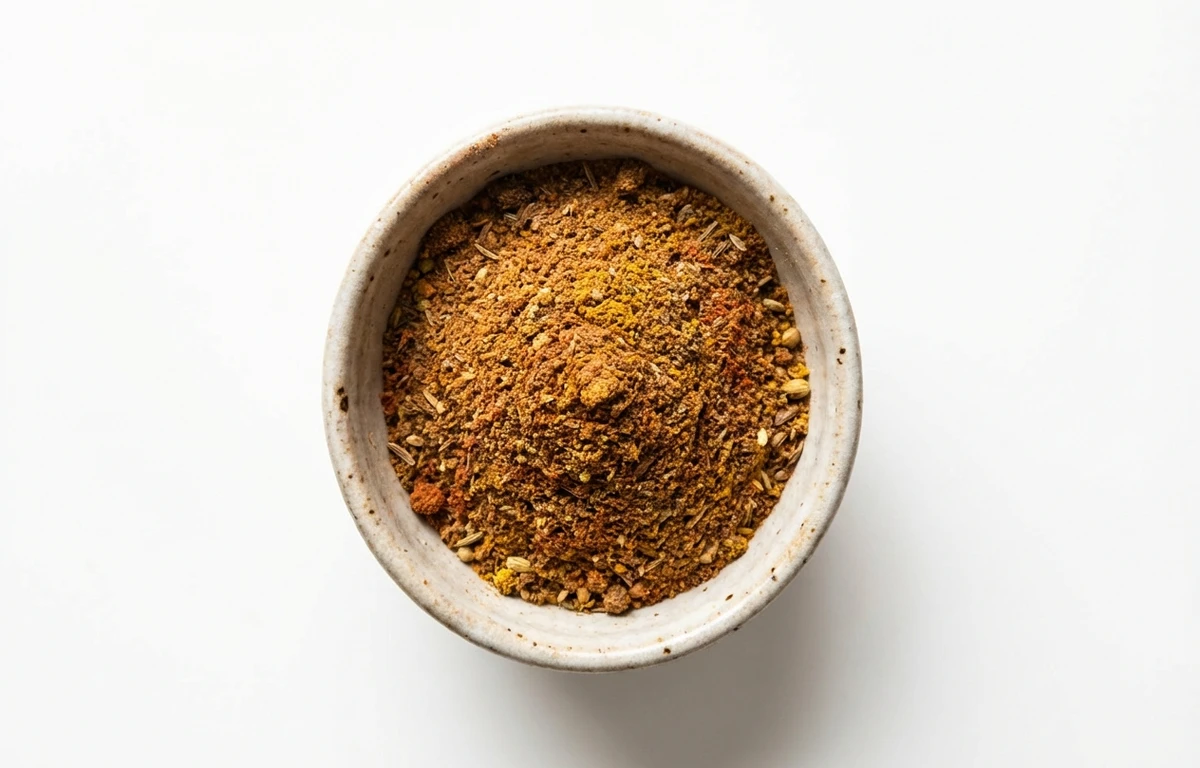
Goda Masala.
VegetarianVeganGluten-freeDairy-freeNut-freePeanut-freeSoy-freeEgg-freeShellfish-freeHoney-freeAlcohol-free
ALSO KNOWN AS
Kala Masalagodha masalamaharashtrian black masalagoda masalamaharashtrian spice blend
SERVING
CALORIES
380
PROTEIN
10.5g
CARBS
44.2g
FAT
22.4g
FIBER
26.1g
NUTRITION PROFILE · per 100 g
Everything in this ingredient.
MACRONUTRIENTS
Calories380kcal—
Protein10.5g21%
Carbohydrates44.2g16%
Fiber26.1g93%
Sugar1.8g4%
Total fat22.4g29%
Saturated fat8.5g43%
Trans fat0g—
Cholesterol0mg0%
Water5.2g—
MINERALS
Sodium45mg2%
Potassium1050mg22%
Calcium620mg48%
Iron16.5mg92%
Magnesium210mg50%
Phosphorus280mg22%
Zinc3.2mg29%
Copper0.85mg94%
Manganese2.1mg91%
Selenium5.5µg10%
VITAMINS
Vitamin A22µg2%
Vitamin C2.5mg3%
Vitamin D0µg0%
Vitamin E2.2mg15%
Vitamin K12µg10%
Thiamin (B1)0.32mg27%
Riboflavin (B2)0.21mg16%
Niacin (B3)3.1mg19%
Pantothenic acid (B5)0.55mg11%
Vitamin B60.42mg25%
Folate (B9)42µg11%
Vitamin B120µg0%
%DV based on a 2,000 cal diet. Source: USDA FoodData Central. A dash in the %DV column means there’s no established Daily Value for that nutrient.
MEASUREMENT CONVERSIONS
How much is what.
1 cup0.7g
1 tablespoon11.1g
1 teaspoon33.3g
1 oz3.5g
1 lb0.2g
1 ml166.7g
1 liter0.2g
HEALTH BENEFITS
Why eat it.
- ✓Rich in antioxidants from cloves and cinnamon
- ✓Aids digestion due to cumin and coriander content
- ✓Anti-inflammatory properties from stone flower (dagad phool)
- ✓Good source of dietary fiber from whole seeds
- ✓Contains essential minerals like iron and calcium
COOKING TIPS
In the kitchen.
- 1Add towards the end of cooking to preserve the delicate aroma
- 2Slightly sauté in oil before adding liquids to release flavors
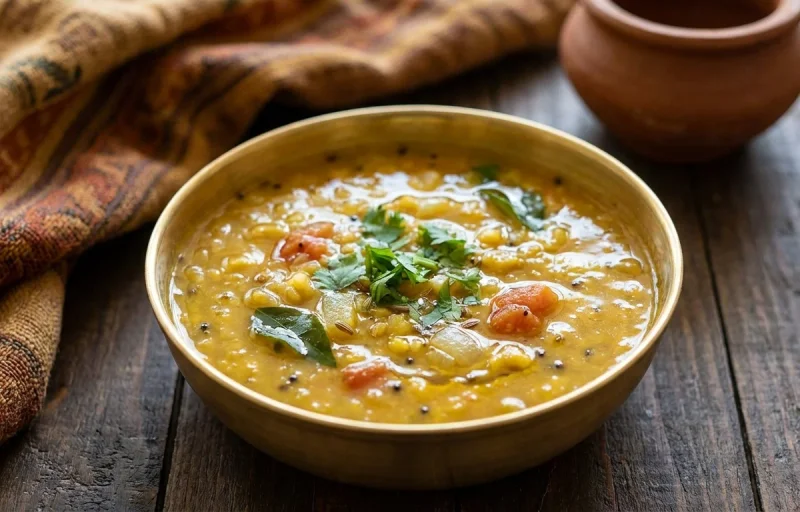
- 3Pairs perfectly with lentils (dal) and stuffed vegetable curries
STORAGE
Keep it fresh.
- Store in an airtight glass container to preserve volatile oils
- Keep in a cool, dark place away from direct sunlight
- Avoid using a wet spoon to prevent moisture and spoilage
FAQ
Frequently asked questions.
How long does Goda Masala last?
When stored in an airtight container in a cool, dark place, it stays fresh and aromatic for 6 to 12 months.
Can I freeze Goda Masala?
Yes, freezing in an airtight bag can extend its shelf life and preserve the volatile oils for up to a year.
What is the difference between Goda Masala and Garam Masala?
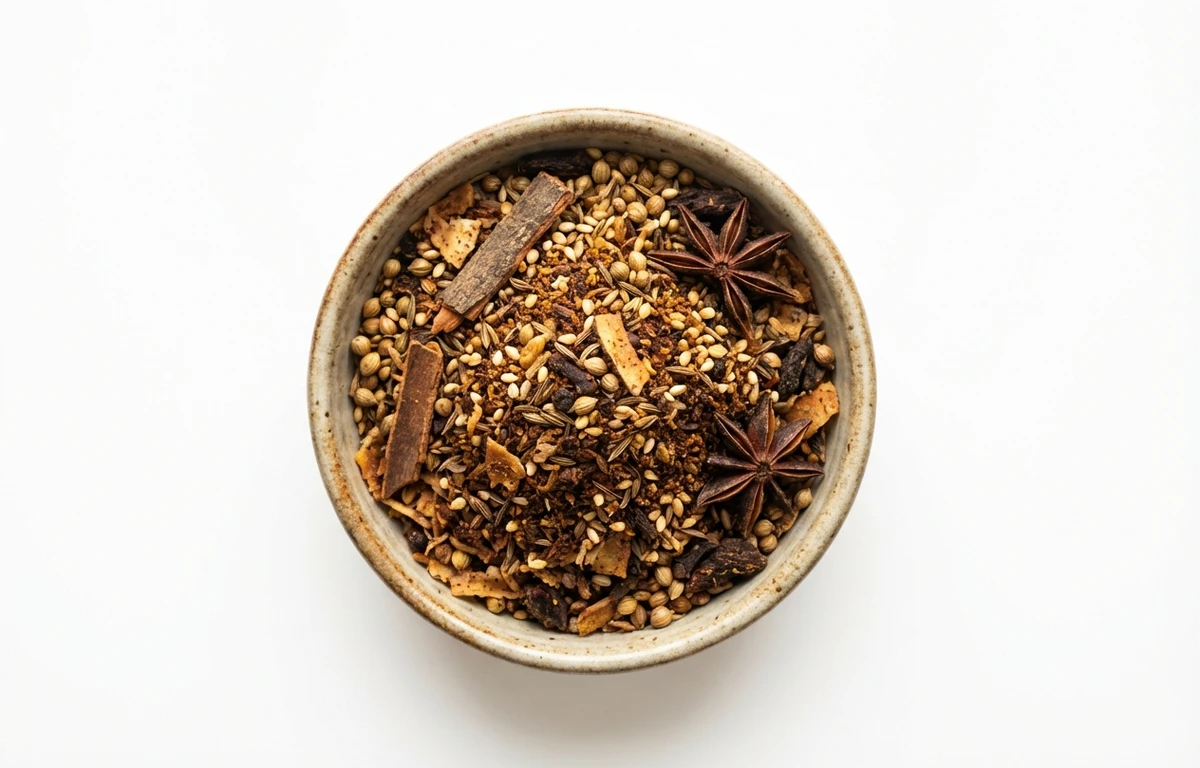
Goda Masala is milder and sweeter, containing stone flower and toasted coconut, whereas Garam Masala is more pungent and spicy.
What can I use as a substitute for Goda Masala?
A mix of Garam Masala with some roasted coconut powder and toasted sesame seeds is the best alternative.
Is Goda Masala spicy?
No, it is known for its 'sweet' (goda) and aromatic profile rather than heat, though it has a complex depth.
How do I identify high-quality Goda Masala?
Look for a deep, dark brown color and a strong, complex aroma of coconut, sesame, and stone flower.
Does Goda Masala contain onion or garlic?
Traditional Goda Masala is made only from spices, seeds, and coconut, and does not contain onion or garlic.
What are the common dishes that use Goda Masala?
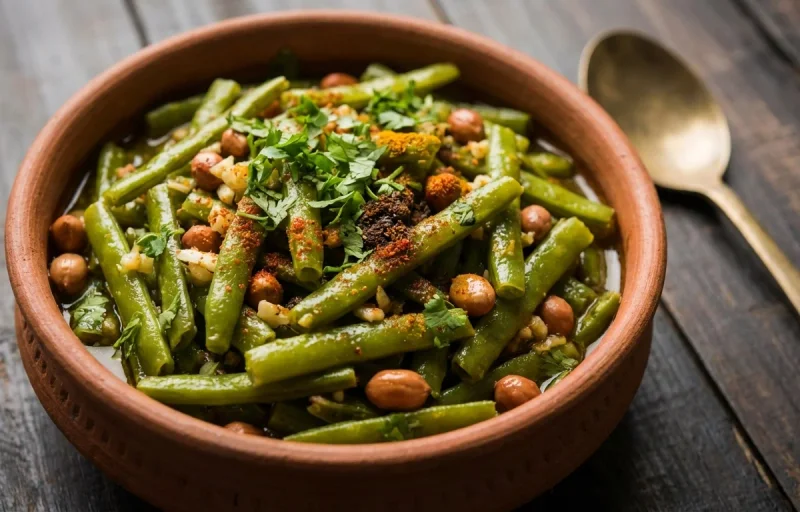
It is essential for Maharashtrian dishes like Bharli Vangi (stuffed eggplant), Katachi Amti, and Tondli Bhaat.
Is Goda Masala vegan?
Yes, it is typically made by roasting spices in vegetable oil, making it suitable for vegans.
How should I use Goda Masala in cooking?
It is best added towards the middle or end of the cooking process to maintain its delicate, toasted aroma.
RECIPES
Cook with goda masala.
10 recipes · sorted by what’s quick