Loading...
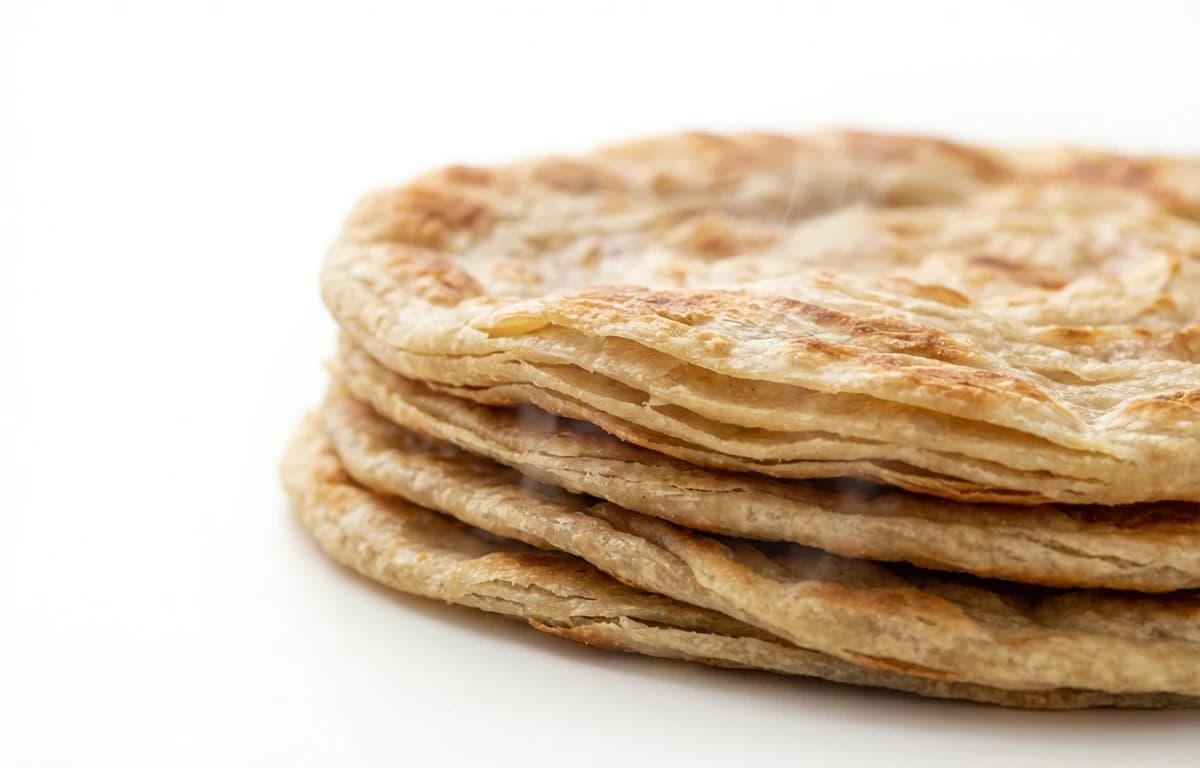
Also known as: parotta, parantha, lachha paratha
Per 100g
Nutrition data source: USDA FoodData Central
Common measurement equivalents in grams
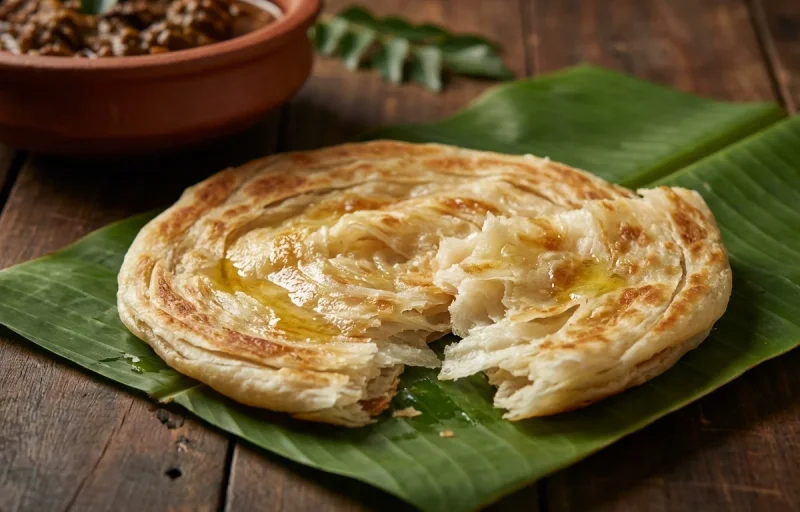
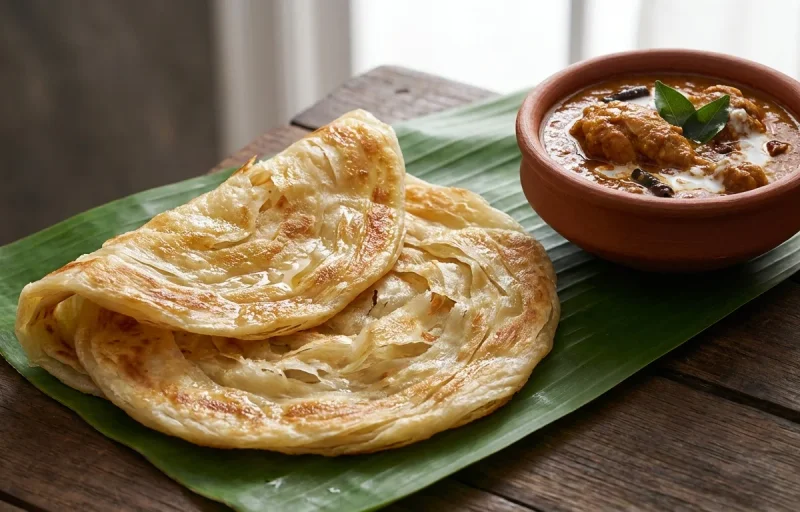
Experience the magic of flaky, layered flatbread from the coastal city of Mangalore. This parotta, with its countless crispy layers and soft, chewy texture, is the perfect companion for rich curries like chicken ghee roast or vegetable korma.
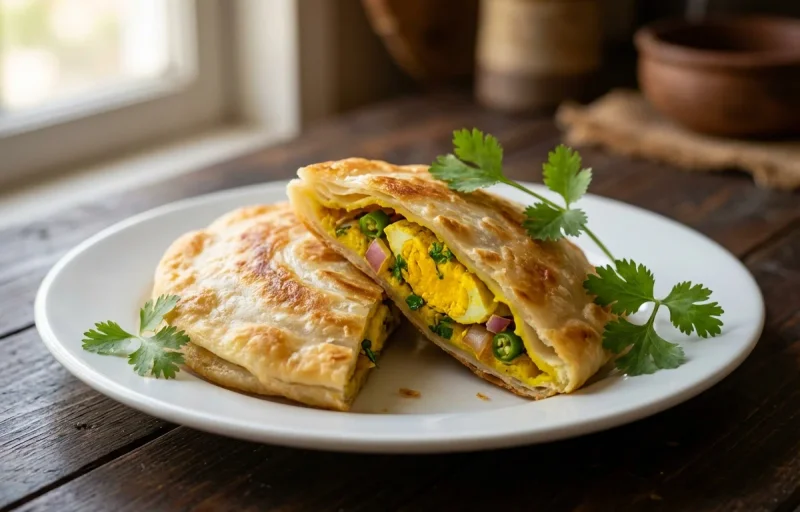
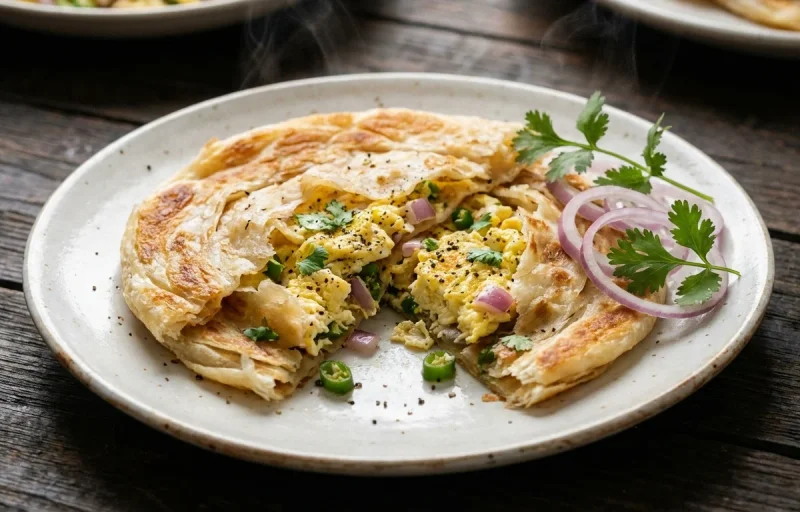
A savory Malabar specialty featuring delicate, layered flatbreads stuffed with a spicy egg scramble. Perfect as a hearty snack or for a special Iftar meal, these golden-fried pockets are full of flavor.
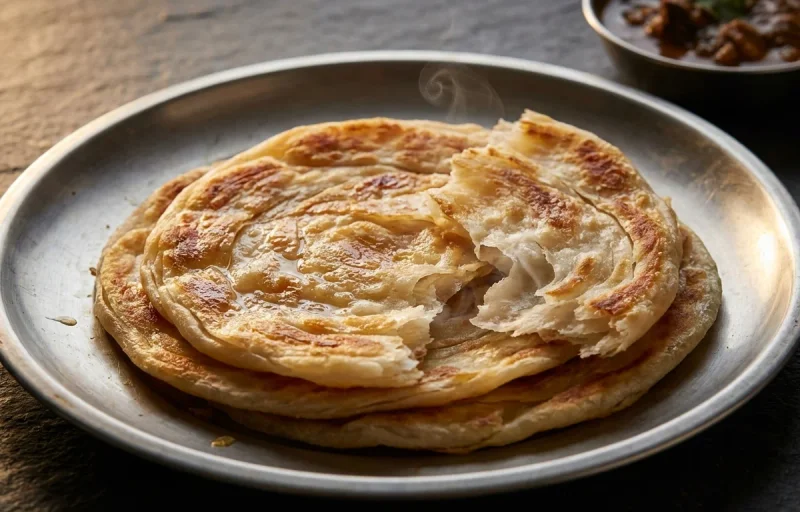
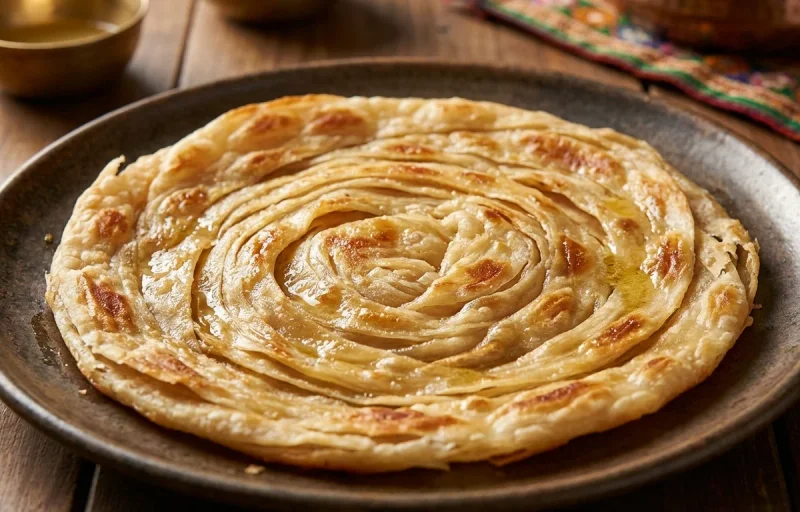
A classic South Indian layered flatbread from the Chettinad region. Famous for its countless flaky, soft layers and crispy exterior, this parotta is perfect for mopping up rich curries like Vegetable Kurma or Chicken Chettinad.
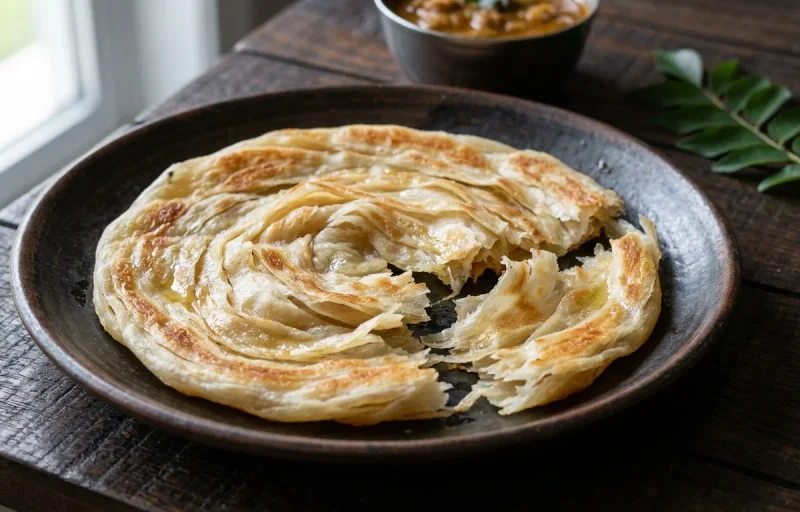
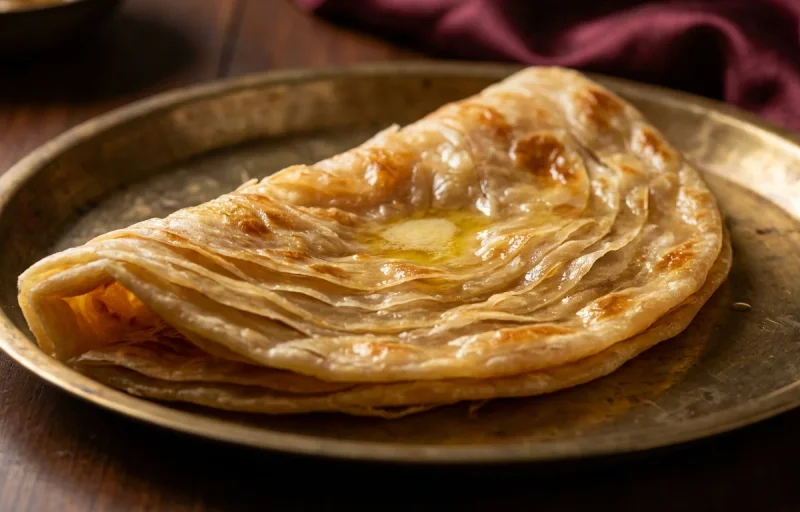
Experience the magic of flaky, layered flatbread from the streets of Kerala. This Malabar Parotta is soft on the inside, crispy on the outside, and perfect for scooping up rich curries. A truly satisfying and iconic South Indian bread that requires patience but rewards with incredible texture.
Layered flatbread provides carbohydrates for energy and, if made with whole wheat flour, offers dietary fiber for digestion. It often serves as a vehicle for nutrient-dense foods like curries and vegetables, enhancing overall meal nutrition. However, due to its fat and calorie content (18g fat, 320 calories per 100g), it should be consumed in moderation.
Per 100g, layered flatbread typically contains approximately 320 calories, 7.5g protein, 40g carbohydrates, and 18g fat. These values can vary based on the specific ingredients used and the preparation method.
Given its relatively high calorie and fat content, layered flatbread should be consumed in moderation if you are aiming for weight loss. Opting for smaller portions or choosing versions made with less oil or ghee can help manage calorie intake.
Traditional layered flatbreads often incorporate ghee (clarified butter) or butter, making them not vegan. However, vegan versions made with plant-based oils or fats are available in some markets or can be prepared at home.
Most layered flatbreads are made from wheat flour, which contains gluten. Therefore, they are generally not suitable for individuals following a gluten-free diet. Gluten-free alternatives would need to be specifically made with gluten-free flours.
Layered flatbreads are high in carbohydrates (40g per 100g), which can affect blood sugar levels. Diabetics should consume them in controlled portions and ideally choose versions made with whole wheat flour, as its higher fiber content can help moderate the glycemic response.
layered flatbread is a versatile ingredient found in cuisines around the world. With 320 calories per 100g and 7.5 grams of protein, it's a nutritious addition to many dishes.
Explore more ingredients in the grain category with complete nutrition information.
View all grain →Discover 10 recipes featuring layered flatbread with step-by-step instructions.
Browse recipes →Explore more ingredients similar to layered flatbread.
The most-searched ingredients on CraftMyMeals.
Layered flatbreads are typically cooked on a hot griddle or tawa with a little oil until golden brown and flaky. To reheat, warm them on a dry pan over medium heat for a minute or two per side until they are soft and thoroughly warmed through.
Layered flatbreads have a rich, slightly savory taste with a distinctive flaky and chewy texture due to their many layers. They are commonly served alongside various curries, lentil dishes (dal), yogurt, pickles, or even as a breakfast item with eggs.
Freshly made layered flatbread can be stored at room temperature in an airtight container for 1-2 days. For extended freshness, refrigerate for up to 5 days or freeze for up to 2-3 months. Always thaw frozen flatbreads before reheating.
The characteristic layers are created by repeatedly folding and rolling the dough with fat (such as oil, ghee, or butter) in between each fold. This process traps air and fat, which then separate during cooking, resulting in the signature flaky texture.