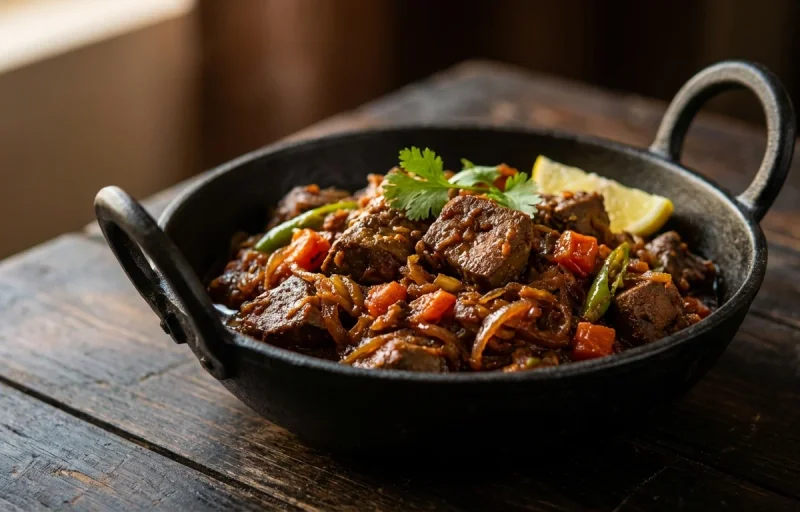
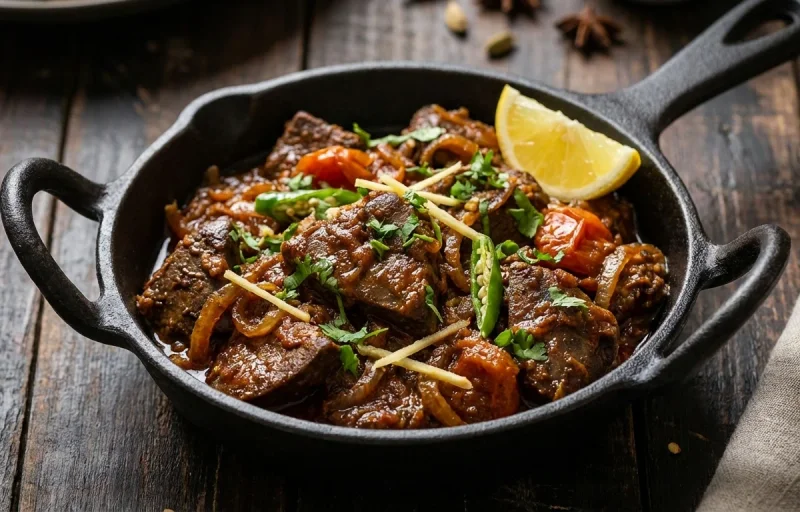
Protein10 recipes
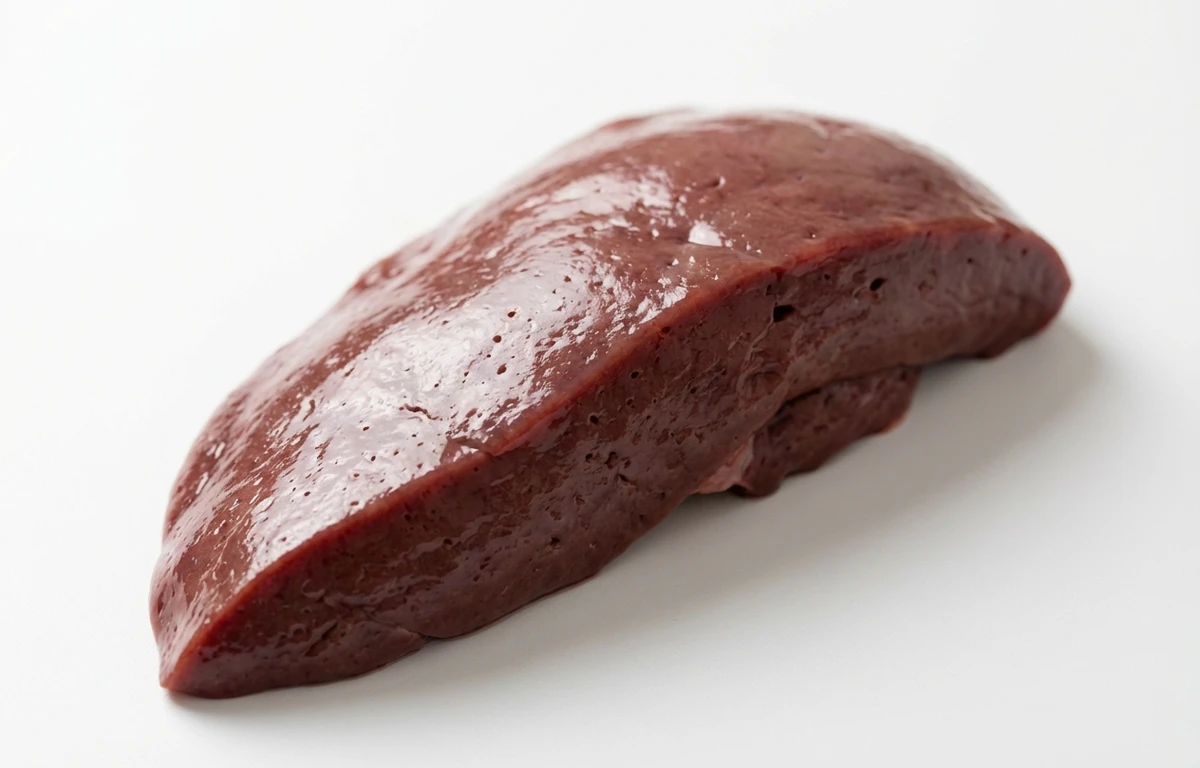
mutton liver.
VegetarianVeganGluten-freeDairy-freeNut-freePeanut-freeSoy-freeEgg-freeShellfish-freeHoney-freeAlcohol-free
ALSO KNOWN AS
mutton kalejilamb liver
SERVING
CALORIES
220
PROTEIN
29.1g
CARBS
4.3g
FAT
9.8g
FIBER
0g
NUTRITION PROFILE · per 100 g
Everything in this ingredient.
MACRONUTRIENTS
Calories220kcal—
Protein29.1g58%
Carbohydrates4.3g2%
Fiber0g0%
Sugar0g0%
Total fat9.8g13%
Saturated fat3.8g19%
Cholesterol562mg187%
Water55.5g—
MINERALS
Sodium104mg5%
Potassium300mg6%
Calcium10mg1%
Iron11.9mg66%
Magnesium23mg5%
Phosphorus427mg34%
Zinc5.6mg51%
Copper9.8mg1092%
Manganese0.59mg26%
Selenium116µg211%
VITAMINS
Vitamin A8800µg978%
Vitamin C13.5mg15%
Vitamin D1.2µg6%
Thiamin (B1)0.35mg29%
Riboflavin (B2)4.6mg353%
Niacin (B3)16.7mg104%
Pantothenic acid (B5)6.3mg127%
Vitamin B60.95mg56%
Folate (B9)400µg100%
Vitamin B1285.7µg3571%
%DV based on a 2,000 cal diet. Source: USDA FoodData Central. A dash in the %DV column means there’s no established Daily Value for that nutrient.
MEASUREMENT CONVERSIONS
How much is what.
1 cup160g
1 oz28.4g
1 lb453.6g
1 piece90g
HEALTH BENEFITS
Why eat it.
- ✓Extremely rich in heme iron, which is highly bioavailable and effective in preventing and treating iron-deficiency anemia.
- ✓An exceptional source of preformed Vitamin A (retinol), crucial for vision health, immune function, and cellular growth.
- ✓Packed with B vitamins, especially Vitamin B12, folate, and riboflavin, which are essential for energy metabolism, nerve function, and red blood cell formation.
- ✓Provides a significant amount of high-quality protein, containing all essential amino acids needed for muscle repair and growth.
- ✓A good source of copper and zinc, minerals that play vital roles in immune support and antioxidant defense.
COOKING TIPS
In the kitchen.
- 1To mellow its strong flavor, soak the liver in milk or buttermilk for 30-60 minutes before cooking, then rinse and pat dry.
- 2Avoid overcooking, as it can become tough and grainy. Pan-sear slices quickly over medium-high heat for 2-3 minutes per side until browned on the outside but still slightly pink inside.
- 3Remove the thin, outer membrane and any visible connective tissues before cooking for a more tender texture.
- 4Mutton liver pairs well with robust flavors like caramelized onions, garlic, bacon, and acidic ingredients such as lemon juice or balsamic vinegar to balance its richness.
STORAGE
Keep it fresh.
- Store fresh mutton liver in the coldest part of the refrigerator (at or below 4°C / 40°F) in its original packaging or an airtight container and use within 1-2 days.
- For longer storage, wrap the liver tightly in plastic wrap and then place it in a heavy-duty freezer bag, removing as much air as possible. It can be frozen for up to 3-4 months.
FAQ
Frequently asked questions.
Is mutton liver healthy?
Yes, mutton liver is exceptionally healthy, often considered a superfood due to its dense nutrient profile. It's packed with essential vitamins and minerals like iron, Vitamin A, B vitamins (especially B12 and folate), copper, and zinc. These nutrients support energy, vision, immune function, and red blood cell formation.
What are the key nutrients in mutton liver?
Mutton liver is an outstanding source of heme iron, highly bioavailable for preventing anemia. It's also exceptionally rich in preformed Vitamin A (retinol) for vision and immunity, and a powerhouse of B vitamins, particularly B12, folate, and riboflavin, crucial for energy metabolism and nerve health.
How much protein and calories are in mutton liver?
Per 100g, mutton liver provides approximately 29.1g of high-quality protein, making it an excellent source for muscle repair and growth. It contains about 220 calories, along with 9.8g of fat and 4.3g of carbohydrates.
Is mutton liver good for iron deficiency?
Absolutely. Mutton liver is one of the best dietary sources of heme iron, which is the most easily absorbed form of iron by the body. Regular consumption can be highly effective in preventing and treating iron-deficiency anemia.
Is mutton liver keto-friendly?
Yes, mutton liver is generally keto-friendly. With only 4.3g of carbohydrates per 100g and a high protein and moderate fat content, it fits well into a ketogenic diet. It provides essential nutrients without significantly impacting carb intake.
Can diabetics eat mutton liver?
Yes, mutton liver can be a beneficial food for diabetics. It is low in carbohydrates and high in protein, which helps manage blood sugar levels. Its rich nutrient profile also supports overall health, but portion control is always important.
How should I cook mutton liver?
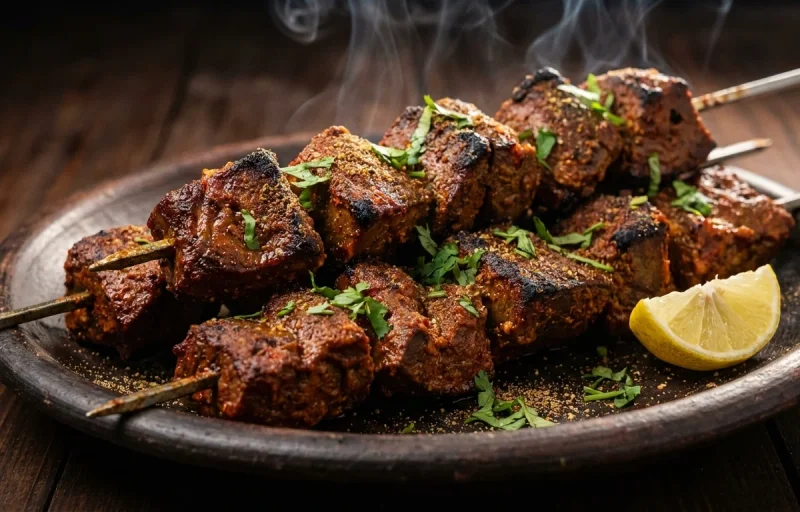
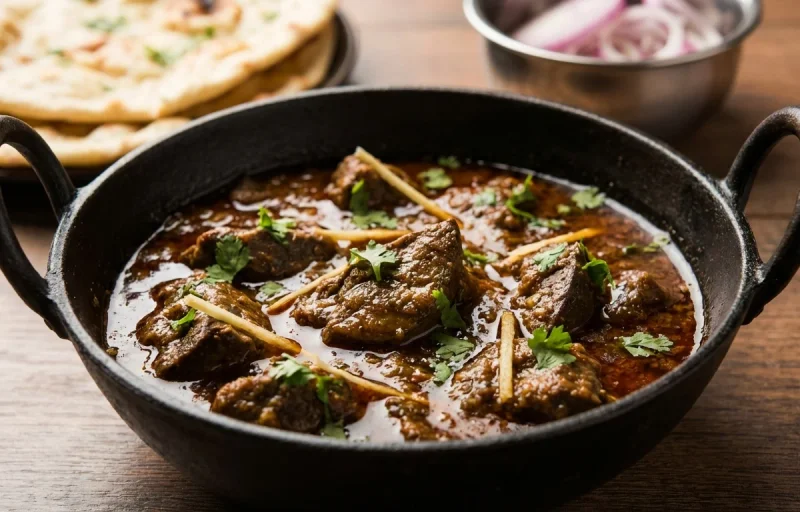
Mutton liver cooks quickly and is best prepared by pan-frying, grilling, or sautéing. It's often sliced thin and cooked with onions, spices, or in stews. Be careful not to overcook, as it can become tough and dry.
What does mutton liver taste like?
Mutton liver has a distinct, rich, and slightly metallic or "gamey" flavor, which is characteristic of organ meats. It's generally stronger than chicken or beef liver. Its texture is smooth and tender when cooked properly.
How do you store fresh mutton liver?
Fresh mutton liver should be stored in the coldest part of your refrigerator, ideally in its original packaging or a sealed container, for no more than 1-2 days. For longer storage, it can be frozen for up to 3-4 months.
How can I tell if mutton liver is fresh?
Fresh mutton liver should have a shiny, deep reddish-brown color and a smooth, moist surface. Avoid liver that looks dull, discolored, or has a strong, unpleasant odor. It should have a mild, slightly sweet smell.
RECIPES
Cook with mutton liver.
10 recipes · sorted by what’s quick