Other10 recipes
tempeh.
VegetarianVeganGluten-freeDairy-freeNut-freePeanut-freeSoy-freeEgg-freeShellfish-freeHoney-freeAlcohol-freeFermented
ALSO KNOWN AS
soy tempeh
SERVING
CALORIES
192
PROTEIN
18.5g
CARBS
9.4g
FAT
10.8g
FIBER
4.8g
NUTRITION PROFILE · per 100 g
Everything in this ingredient.
MACRONUTRIENTS
Calories192kcal—
Protein18.5g37%
Carbohydrates9.4g3%
Fiber4.8g17%
Sugar0g0%
Total fat10.8g14%
Saturated fat3.0g15%
Trans fat0g—
Cholesterol0mg0%
Water59.6g—
MINERALS
Sodium9.0mg0%
Potassium412mg9%
Calcium111mg9%
Iron2.7mg15%
Magnesium81mg19%
Phosphorus266mg21%
Zinc1.1mg10%
Copper0.56mg62%
Manganese1.3mg57%
Selenium8.8µg16%
VITAMINS
Vitamin A0µg0%
Vitamin C0mg0%
Vitamin D0µg0%
Vitamin E0.25mg2%
Vitamin K0.50µg0%
Thiamin (B1)0.08mg7%
Riboflavin (B2)0.36mg28%
Niacin (B3)2.6mg16%
Pantothenic acid (B5)0.28mg6%
Vitamin B60.22mg13%
Folate (B9)24µg6%
Vitamin B120.08µg3%
%DV based on a 2,000 cal diet. Source: USDA FoodData Central. A dash in the %DV column means there’s no established Daily Value for that nutrient.
MEASUREMENT CONVERSIONS
How much is what.
1 cup166g
1 tablespoon10.4g
1 teaspoon3.5g
1 oz28.4g
1 lb453.6g
1 ml0.7g
1 liter691.7g
HEALTH BENEFITS
Why eat it.
- ✓Excellent source of plant-based complete protein, containing all essential amino acids.
- ✓Rich in prebiotics, which feed beneficial gut bacteria and support digestive health.
- ✓Contains soy isoflavones, which may help reduce cholesterol levels and support bone density.
- ✓Good source of minerals such as manganese, copper, phosphorus, and magnesium.
COOKING TIPS
In the kitchen.
- 1Steam or simmer tempeh for 10 minutes before marinating to reduce bitterness and improve its ability to absorb flavors.
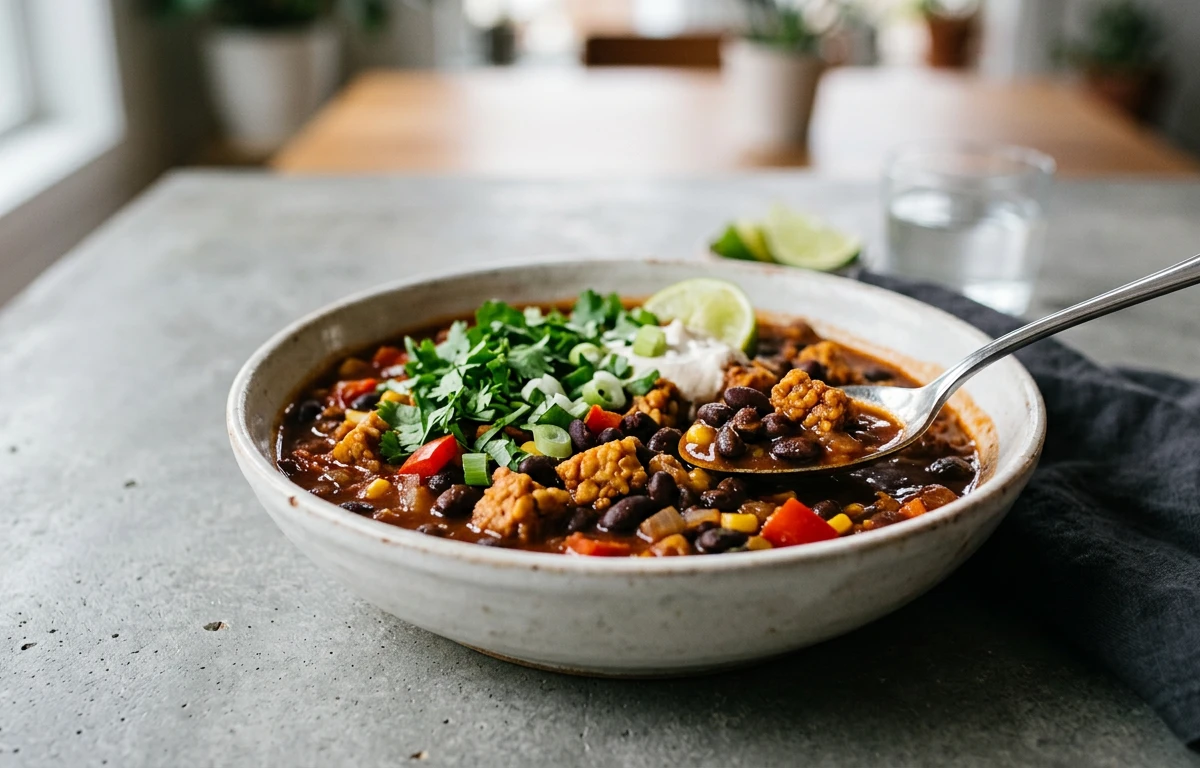
- 2Crumble tempeh to use as a substitute for ground meat in pasta sauces, tacos, or chili.
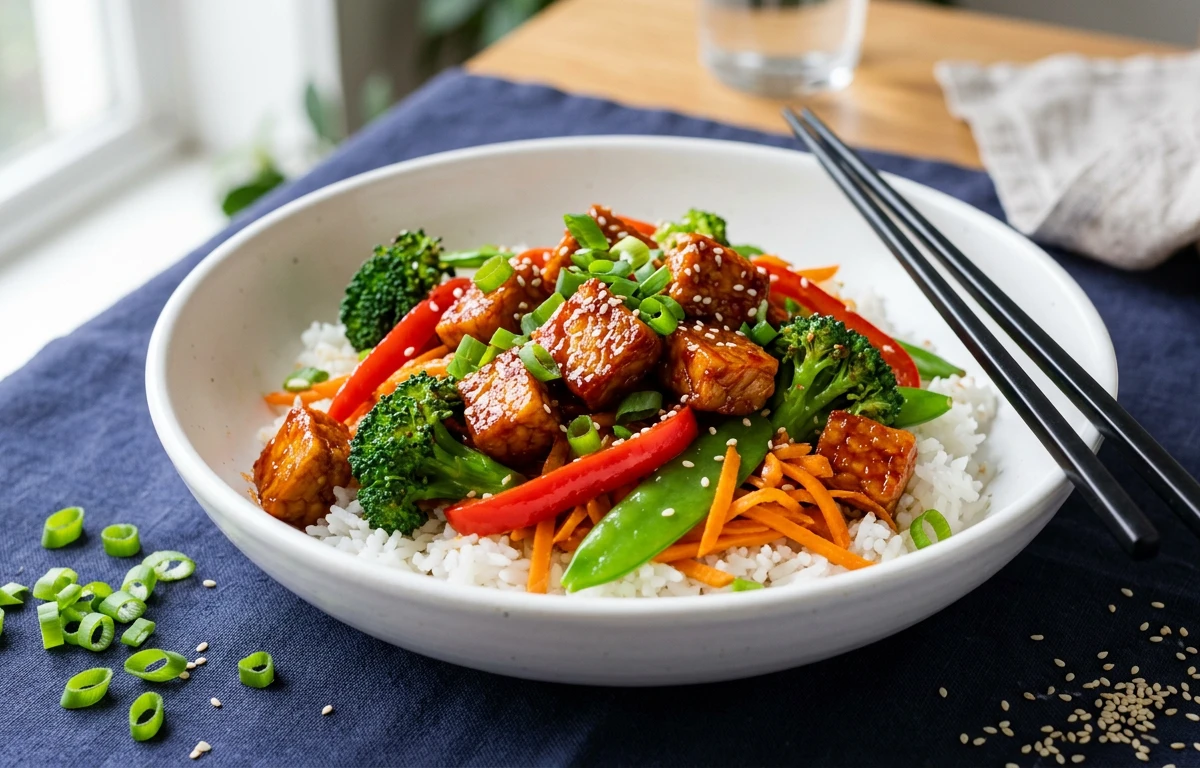
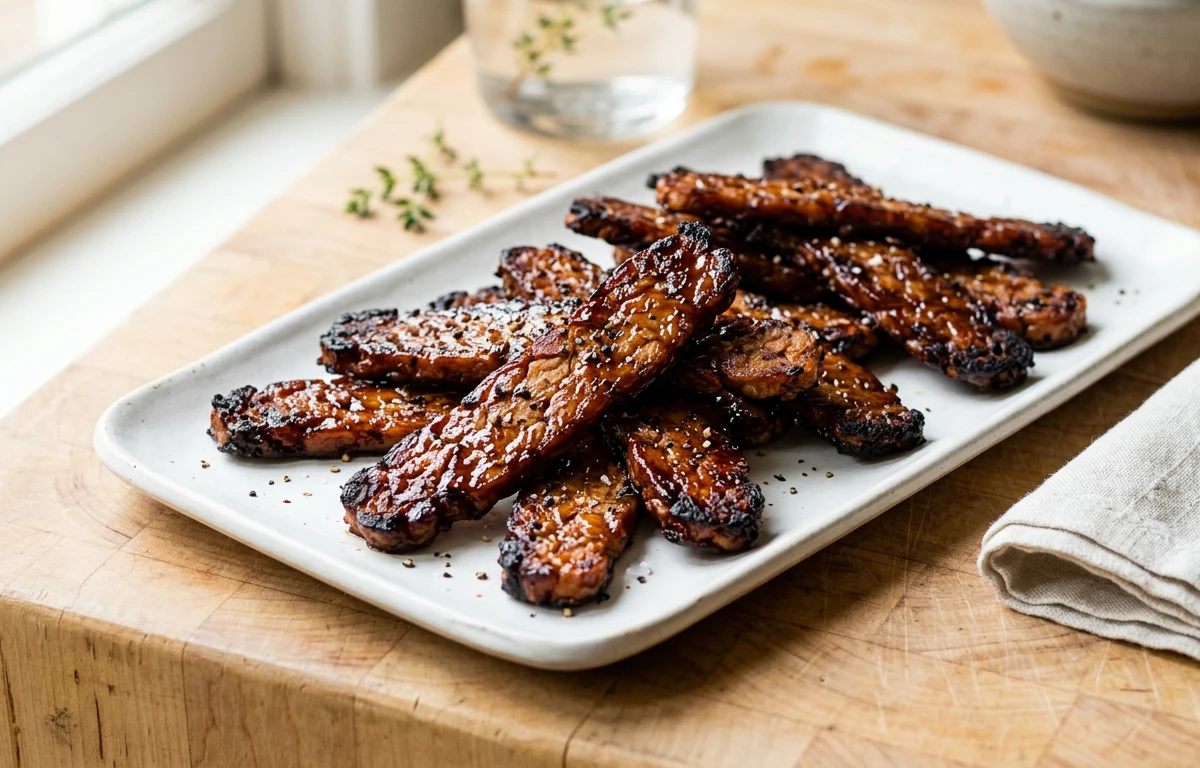
- 3Slice tempeh into thin strips, marinate, and then pan-fry, bake, or air-fry until golden and crispy for sandwiches, salads, or stir-fries.
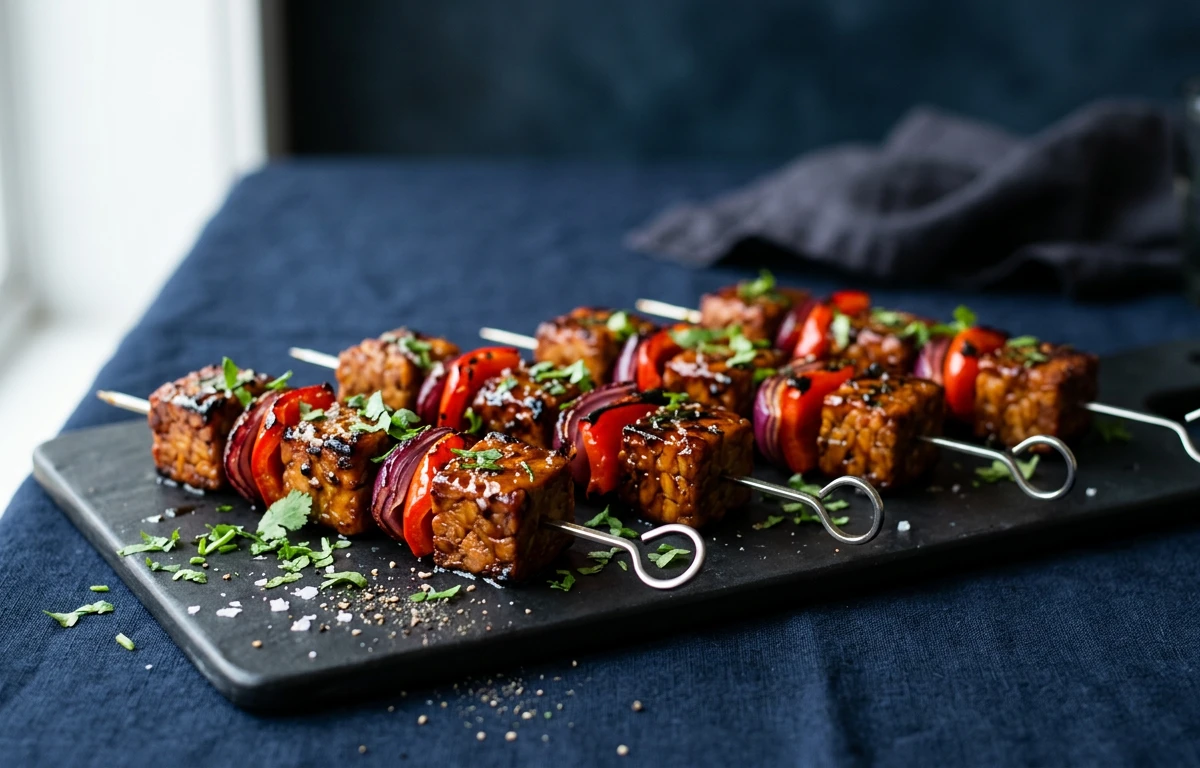
- 4Tempeh's firm texture holds up well to grilling; use skewers or place planks directly on the grill.
STORAGE
Keep it fresh.
- Refrigerate fresh tempeh in its original packaging or an airtight container for up to one week.
- For longer storage, freeze tempeh for up to 6 months. It can be frozen directly in its vacuum-sealed package.
FAQ
Frequently asked questions.
Is tempeh healthy?
Yes, tempeh is highly nutritious, offering 18.5g of complete protein per 100g. It is rich in prebiotics for gut health and contains essential minerals like manganese and magnesium that support bone density and heart health.
How much protein is in tempeh?
Tempeh is an excellent protein source, providing approximately 18.5g of protein per 100g serving. As a complete protein, it contains all nine essential amino acids, making it a staple for plant-based diets.
Is tempeh vegan and gluten-free?
Tempeh is naturally vegan as it is made from fermented soybeans. While pure tempeh is gluten-free, some commercial varieties include grains like barley, so always check the label if you have a gluten sensitivity.
Is tempeh keto-friendly?
With about 9.4g of carbohydrates and 10.8g of fat per 100g, tempeh can fit into a keto diet in moderation. Its high fiber and protein content help maintain satiety while keeping net carbs relatively low.
What does tempeh taste like?
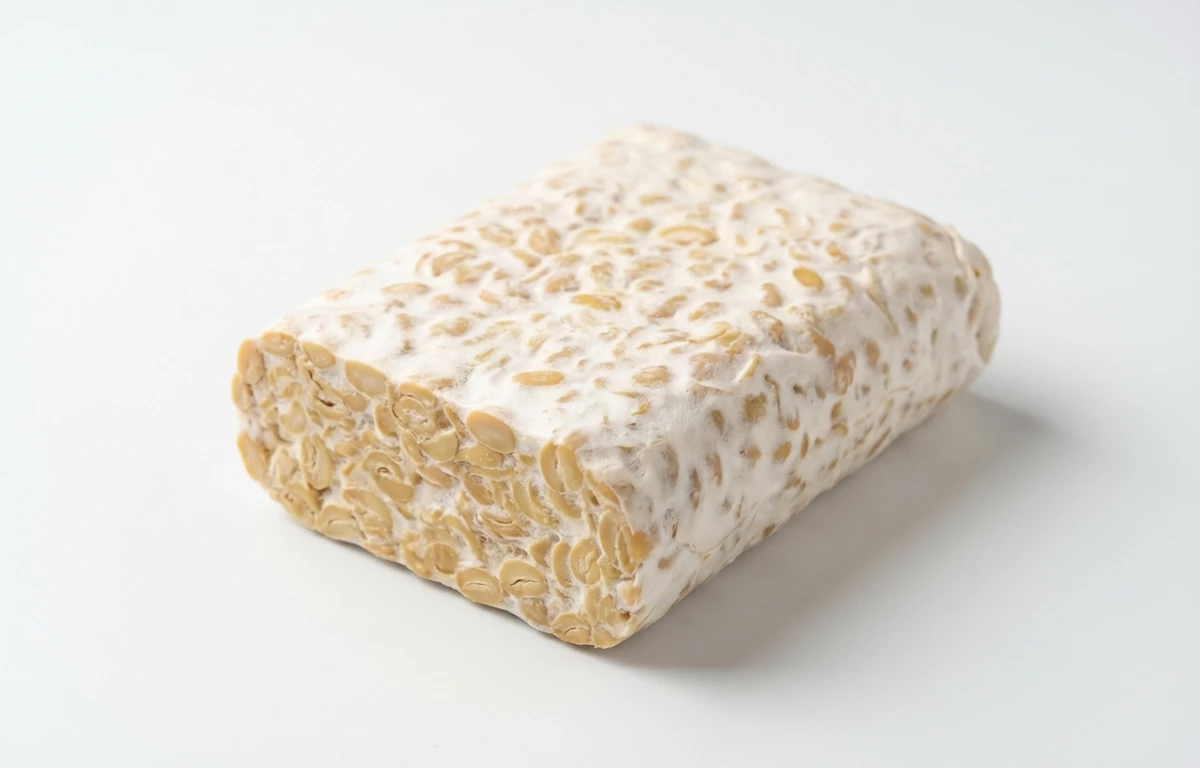
Tempeh has a firm, chewy texture and a nutty, earthy flavor with a slight tang from the fermentation process. Unlike tofu, it holds its shape well and absorbs marinades and sauces effectively.
How do you cook tempeh?
Tempeh is versatile and can be sliced, cubed, or crumbled. Common methods include pan-frying, baking, or grilling until crispy; many people prefer to steam it for 10 minutes before cooking to remove any bitterness.
Can you eat tempeh raw?
While some pasteurized tempeh can be eaten raw, it is generally recommended to cook it. Cooking improves the flavor, softens the texture, and ensures any potentially harmful bacteria from the fermentation process are eliminated.
How do you store tempeh and how long does it last?
Store fresh tempeh in the refrigerator for up to 7–10 days in its original packaging. For longer storage, you can freeze tempeh for up to 6 months without significantly affecting its texture or nutritional value.
Is tempeh better for you than tofu?
Both are healthy, but tempeh is less processed and fermented, providing more protein, fiber, and prebiotics than tofu. Tempeh is also denser and has a stronger, nuttier flavor compared to the neutral taste of tofu.
Why does my tempeh have black spots?
Small black or grey spots on tempeh are usually a natural byproduct of the fermentation process and are safe to eat. However, if the tempeh is slimy, smells foul, or has colorful mold, it has likely spoiled and should be discarded.
RECIPES
Cook with tempeh.
10 recipes · sorted by what’s quick