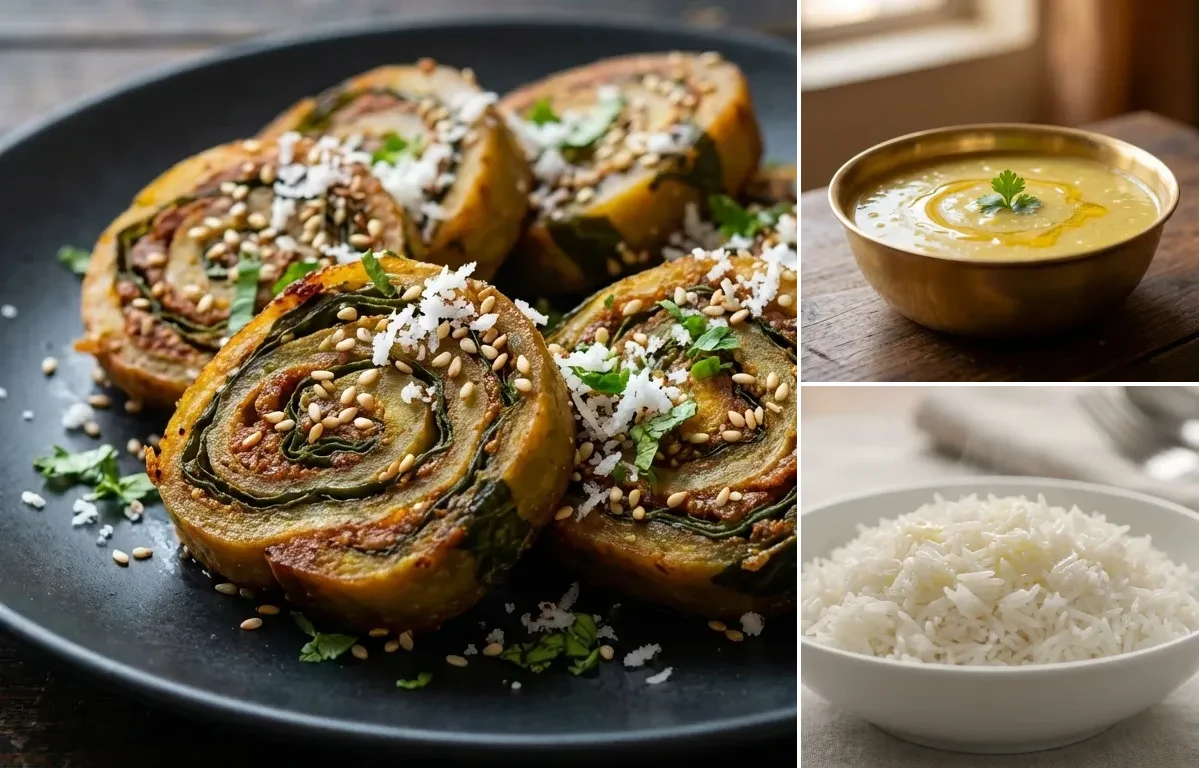
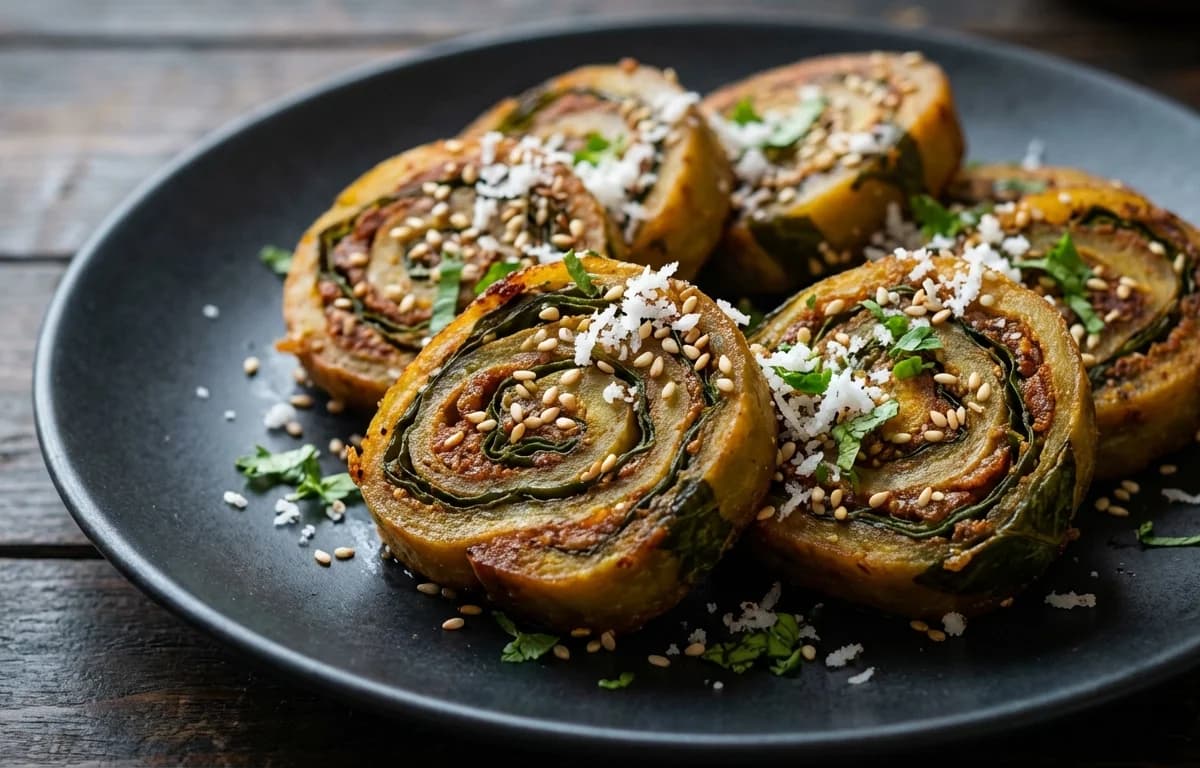
A classic Maharashtrian snack where tender colocasia leaves are slathered with a tangy and spicy chickpea flour paste, then rolled, steamed, and pan-fried until crisp. A delightful combination of textures and flavors.
Prep25 min
Cook30 min
Servings4
Serving size: 1 serving
320cal
14gprotein
48gcarbs
10g
Ingredients
10 leaves Colocasia Leaves (medium-sized, also known as arbi ke patte)
1.5 cup Besan
3 tbsp Tamarind Pulp (thick pulp)
2 tbsp Jaggery (grated or powdered)
1 tbsp Ginger Garlic Paste
1 tsp Green Chilli Paste (adjust to your spice preference)
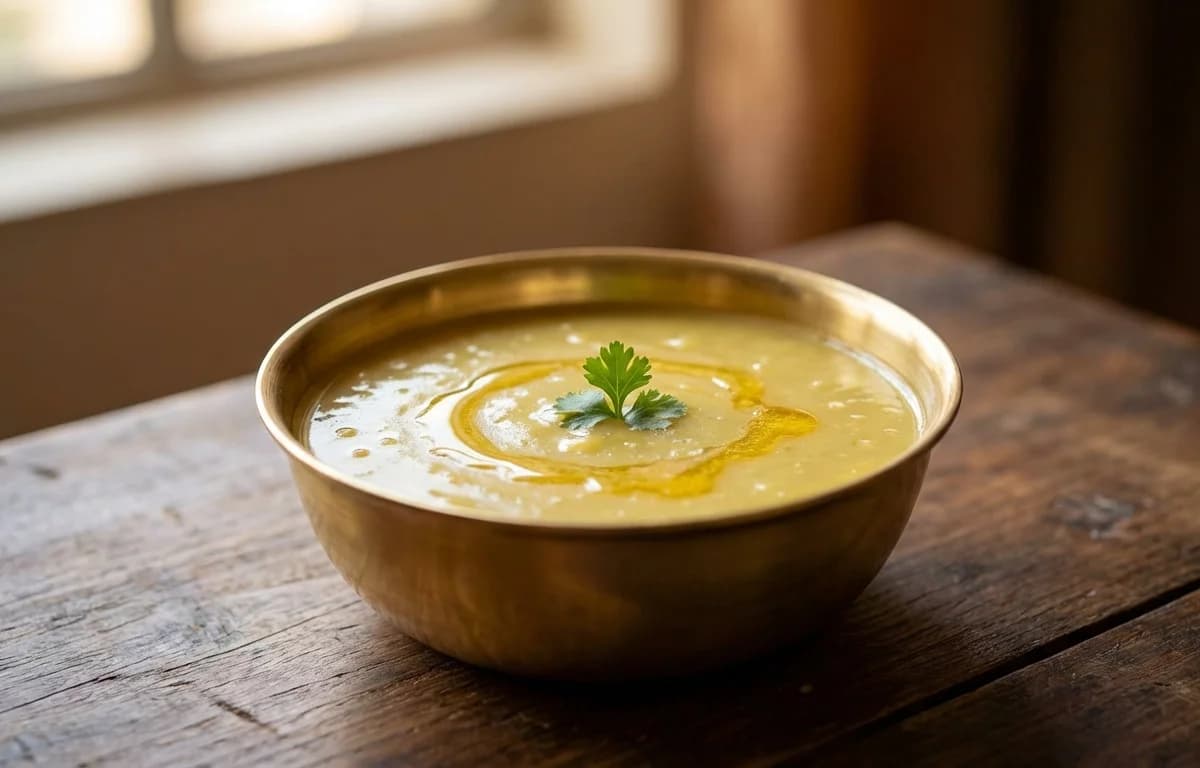
A simple, comforting Maharashtrian dal made from split pigeon peas. Lightly seasoned with turmeric and asafoetida, this soothing lentil dish is a staple in festival feasts, traditionally served with steamed rice and a dollop of ghee.
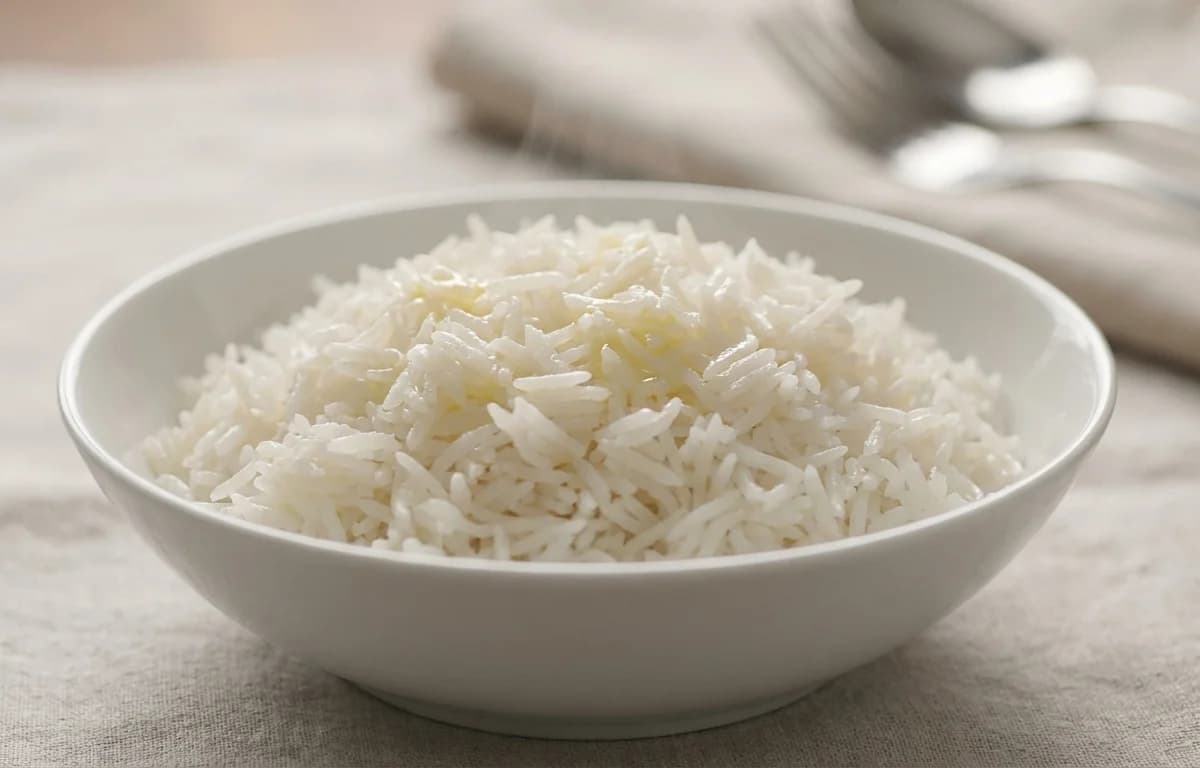
Perfectly fluffy, long-grained basmati rice with a delicate aroma. This simple, foolproof recipe gives you separate, non-sticky grains every time, making it the perfect base for any curry or dal.
Prep35 min
Cook25 min
Soak30 min
Servings
About Alu Wadi, Varan and Steamed Basmati Rice
Crispy Alu Wadi with protein-packed Varan & fluffy Bhaat. A soul-satisfying, homestyle meal!
This maharashtrian dish is perfect for dinner. With 818.27 calories and 29.4g of protein per serving, it's a muscle-gain option for your meal plan.
Other Cuisines to Explore
Discover authentic meals from cuisines around the world.
0.5 cup Water (approximately, for making the paste)
4 tbsp Oil (for shallow frying)
2 tbsp Fresh Coconut (grated, for garnish)
2 tbsp Coriander Leaves (chopped, for garnish)
Instructions
1
Prepare the Colocasia Leaves
Rinse the colocasia leaves thoroughly under running water and pat them completely dry with a clean cloth.
Place a leaf with the vein-side up on a cutting board. Using a sharp knife, carefully shave off the thick central vein and any other prominent side veins. This step is crucial to prevent throat irritation and makes the leaves easier to roll.
Repeat this process for all the leaves and set them aside.
2
Make the Besan Paste
In a large mixing bowl, combine the besan, tamarind pulp, grated jaggery, ginger-garlic paste, green chilli paste, turmeric powder, red chilli powder, coriander powder, hing, sesame seeds, and salt.
Gradually add water, a little at a time, while whisking continuously to form a thick, smooth, and lump-free paste. The consistency should be easily spreadable, similar to a thick pancake batter.
3
Assemble and Roll the Leaves
Place the largest prepared leaf on your work surface, vein-side up.
Scoop a portion of the besan paste and spread a thin, even layer across the entire surface of the leaf.
Place a slightly smaller leaf on top and repeat the process of spreading the paste. Continue stacking and layering 4-5 leaves from largest to smallest.
Fold the left and right sides of the leaf stack inwards by about 1-2 inches.
Starting from the bottom (petiole end), roll the stack up tightly into a firm, compact log. The paste will act as a glue.
4
Steam the Rolls
Bring water to a boil in a steamer. Grease the steamer plate or tray with a little oil.
Carefully place the prepared rolls on the greased plate, ensuring they don't touch each other.
Steam the rolls over medium heat for 15-20 minutes. The leaves will change color and the paste will become firm.
To check for doneness, insert a toothpick or knife into the center of a roll; it should come out clean.
5
Cool and Slice the Rolls
Once steamed, remove the rolls from the steamer and let them cool down to room temperature completely. This can take 30-40 minutes and is essential for clean, non-crumbly slices.
After cooling, use a sharp knife to cut the rolls into 1/2-inch thick slices, known as 'wadis'.
6
Shallow Fry the Wadis
Heat oil in a wide, non-stick pan or skillet over medium heat.
Gently place the sliced wadis in the pan in a single layer, without overcrowding.
Shallow fry for 2-3 minutes on each side, until they turn golden brown and develop a crisp exterior.
Remove the fried wadis and place them on a plate lined with a paper towel to absorb any excess oil.
7
Garnish and Serve
Garnish the hot Alu Wadis with grated fresh coconut and chopped coriander leaves.
Serve immediately with green chutney or tomato ketchup.
4
Serving size: 1 serving
236cal
11gprotein
33gcarbs
7gfat
Ingredients
1 cup Toor Dal (Also known as split pigeon peas)
4 cup Water (Divided; 2 cups for cooking and 2 cups for adjusting consistency)
0.5 tsp Turmeric Powder
0.25 tsp Hing (Asafoetida)
1 tsp Salt (Adjust to taste)
1 tsp Jaggery (Optional, for a subtle sweetness)
2 tbsp Ghee (For serving)
Instructions
1
Cook the Dal
Rinse the toor dal thoroughly under cold running water until the water runs clear. Soaking the dal for 30 minutes is optional but recommended for faster cooking.
Drain the dal and transfer it to a pressure cooker.
Add 2 cups of water, turmeric powder, and hing to the cooker.
Secure the lid and pressure cook on medium heat for 4-5 whistles, or approximately 15 minutes, until the dal is completely soft and mushy.
2
Mash and Simmer
Allow the pressure to release naturally from the cooker. This ensures the dal is perfectly cooked.
Open the lid and, while the dal is still hot, use a whisk or an immersion blender to mash it into a smooth, creamy paste. There should be no whole lentils visible.
Place the cooker back on the stove over low heat.
Pour in the remaining 2 cups of hot water, salt, and the optional jaggery. Stir well to combine everything.
Bring the mixture to a gentle boil and let it simmer for 5-7 minutes, stirring occasionally, until it reaches a smooth, flowing, soupy consistency.
3
Serve
Turn off the heat. Pour the hot varan into serving bowls.
Just before serving, add a generous dollop of ghee to each bowl.
Serve immediately with hot steamed rice (bhaat) for a classic Maharashtrian meal.
1.5 cup Basmati Rice (Use good quality, aged basmati rice for best results)
2.25 cup Water (For the absorption cooking method)
0.75 tsp Salt (Adjust to taste)
1 tsp Ghee (Optional, for flavor and to prevent sticking)
Instructions
1
Rinse and Soak the Rice (35 minutes)
Place the basmati rice in a large bowl. Add cold water and gently swirl the rice with your fingers. Drain the cloudy water. Repeat this process 3-4 times until the water runs mostly clear. This removes excess starch and prevents stickiness.
Cover the rinsed rice with fresh water and let it soak for 30 minutes. Soaking allows the grains to absorb water, ensuring they cook evenly and elongate beautifully.
After 30 minutes, drain the rice completely using a fine-mesh sieve and set aside.
2
Cook the Rice (15 minutes)
In a medium, heavy-bottomed saucepan with a tight-fitting lid, combine the drained rice, 2.25 cups of fresh water, salt, and ghee (if using).
Bring the mixture to a rolling boil over medium-high heat, uncovered.
As soon as it boils, give it one gentle stir, then immediately reduce the heat to the lowest possible setting. Cover the saucepan tightly with the lid.
Let the rice simmer for 12-15 minutes, or until all the water has been absorbed. Do not lift the lid during this time to prevent steam from escaping.
3
Rest and Fluff (10 minutes)
Turn off the heat but leave the saucepan on the stove, still covered. Let the rice rest and steam for 10 minutes. This step is crucial for finishing the cooking process and achieving a perfect texture.
After resting, remove the lid. Use a fork to gently fluff the rice, separating the long, delicate grains.
Serve hot as a perfect accompaniment to curries, dals, or grilled dishes.