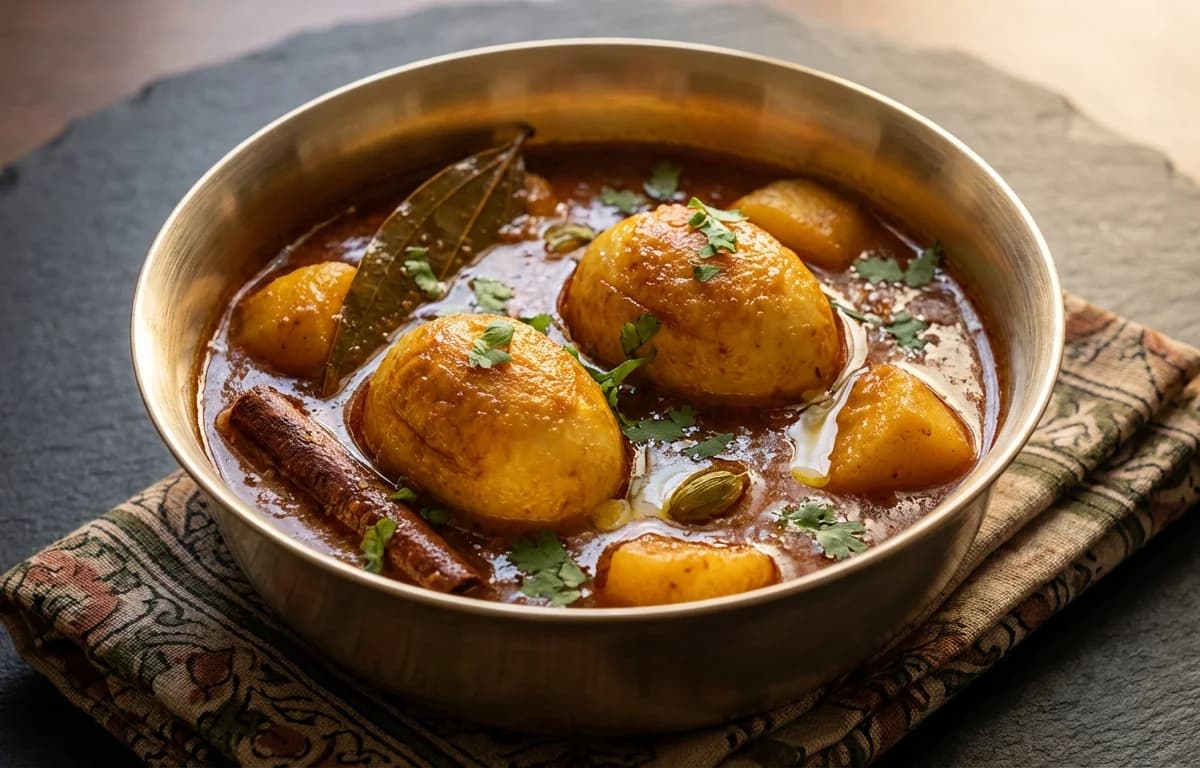
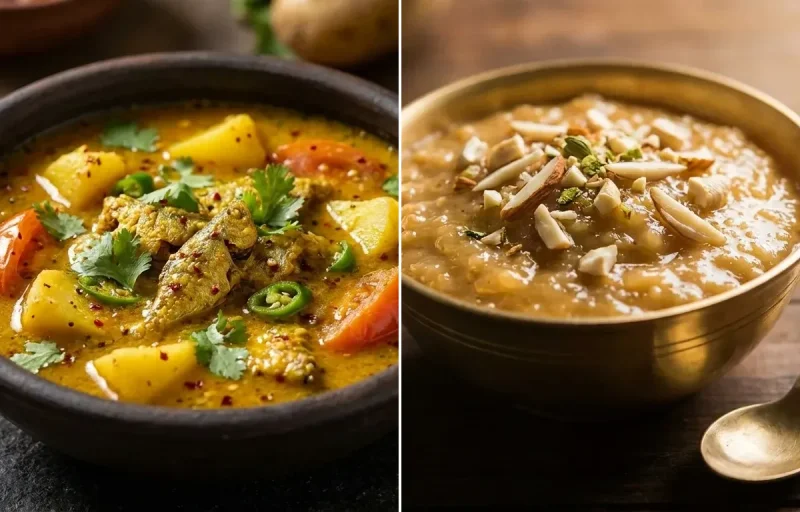
A classic Bengali delight where hard-boiled eggs are shallow-fried and then simmered in a rich, spicy onion-tomato gravy. The signature 'kosha' or slow-sautéing process develops a deep, intense flavor and a luscious, oil-streaked gravy that's perfect with steamed rice or luchi.
Prep15 min
Cook35 min
Servings4
Serving size: 1 serving(2 eggs and 1 potato half with gravy)
399cal
16gprotein
29gcarbs
25g
Ingredients
8 pcs Egg (hard-boiled and peeled)
2 pcs Potato (medium, boiled, peeled, and halved)
60 ml Mustard Oil
250 g Onion (finely ground to a paste (approx. 2 medium onions))
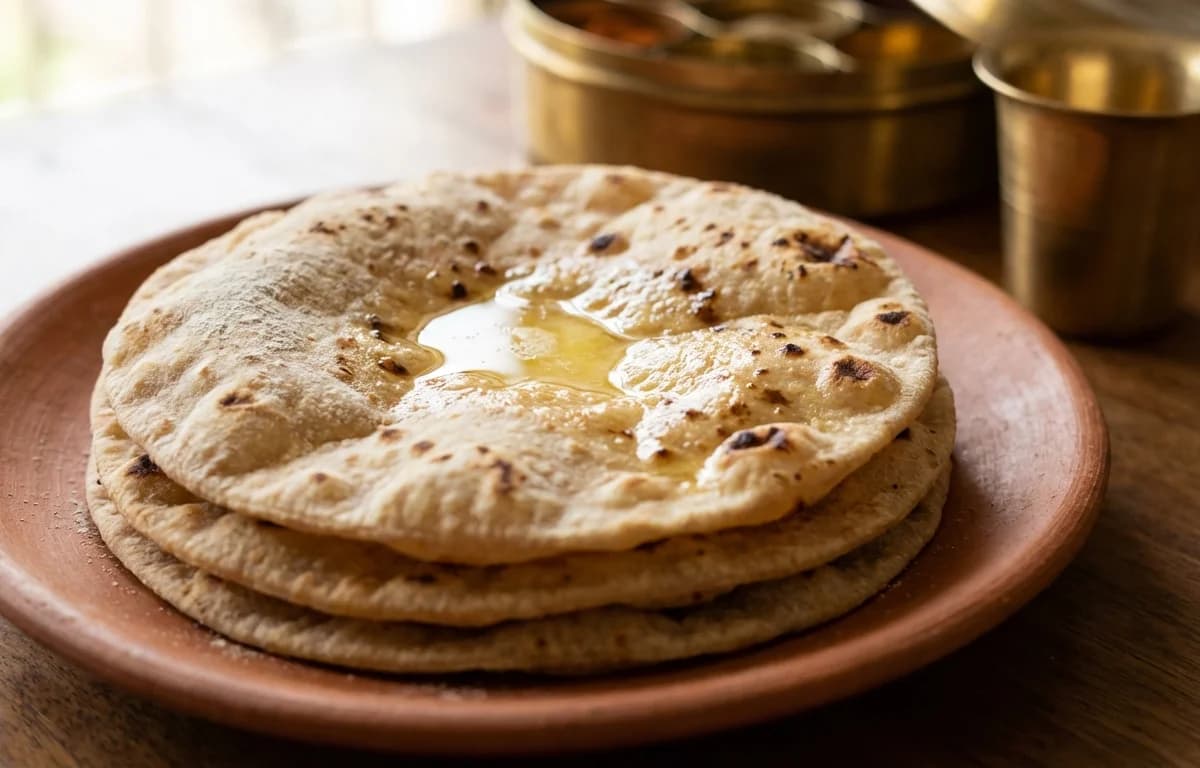
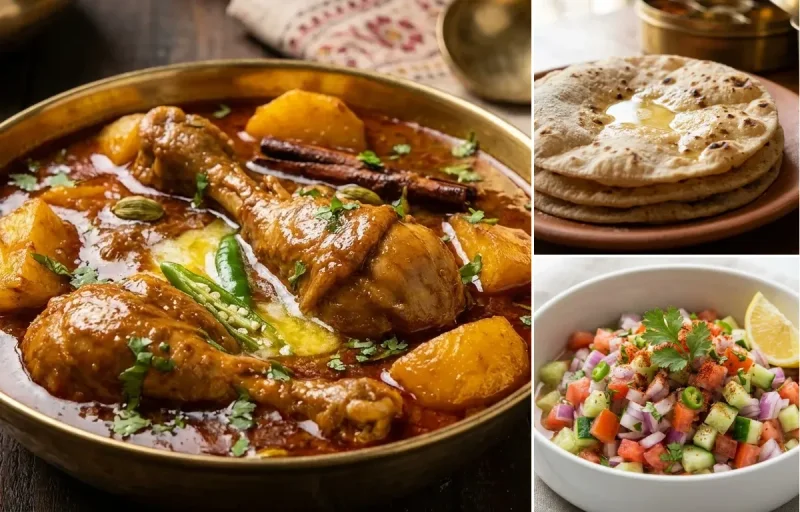
Soft, unleavened whole wheat flatbread, a daily staple in Indian households. Perfect for scooping up curries and dals, this simple, wholesome bread is puffed up on an open flame for that classic, airy texture.
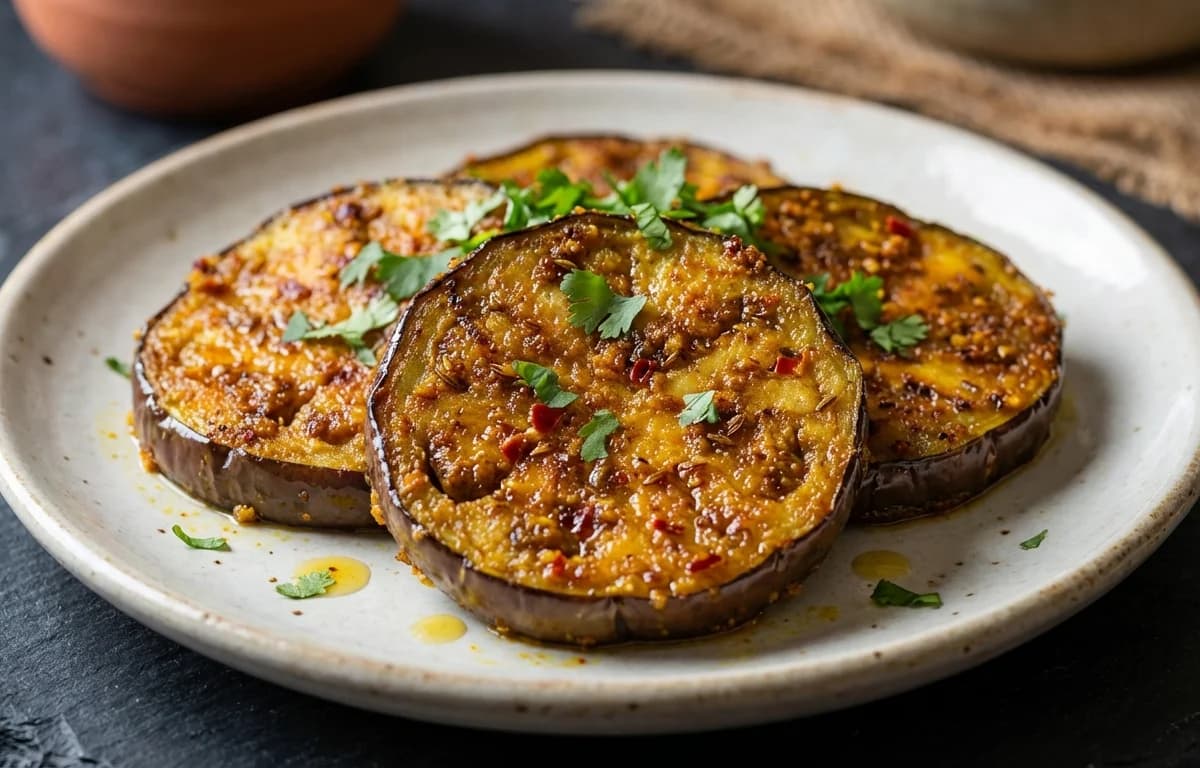
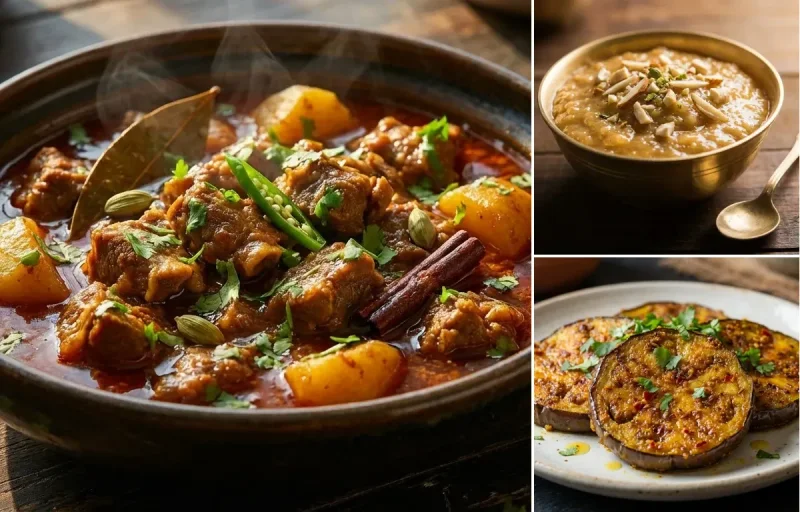
Crispy, pan-fried eggplant slices coated in a simple spice mix. This classic Odia side dish is quick to make and pairs wonderfully with dal and rice for a comforting meal.
Prep10 min
Cook15 min
Servings4
Serving size: 1 serving
About Bengali Anda Kosha, Roti and Baigana Bhaja
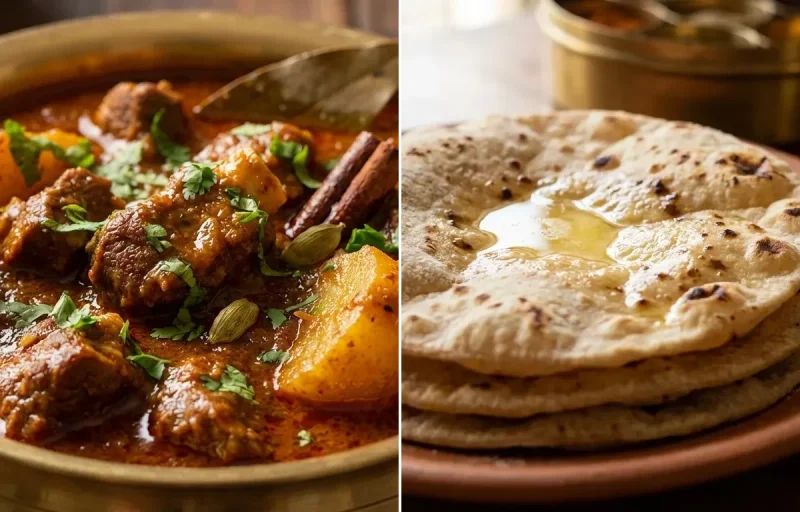
Protein-packed Anda Kosha with soft Roti & crispy Baigana Bhaja – a perfectly spiced, melt-in-mouth delight!
This odia dish is perfect for dinner. With 704.95 calories and 25.860000000000003g of protein per serving, it's a muscle-gain option for your meal plan.
Other Cuisines to Explore
Discover authentic meals from cuisines around the world.
1.25 tsp Turmeric Powder (1/4 tsp for eggs, 1 tsp for gravy)
1.25 tsp Kashmiri Red Chili Powder (1/4 tsp for eggs, 1 tsp for gravy)
1 tsp Cumin Powder
1 tsp Coriander Powder
0.5 tsp Garam Masala Powder
1 tsp Sugar
1.5 tsp Salt (1/4 tsp for eggs, 1.25 tsp for gravy, or to taste)
1 tsp Ghee
10 g Coriander Leaves (finely chopped, for garnish)
240 ml Water (warm)
Instructions
1
Prep & Fry Eggs and Potatoes (Time: 8 mins)
Make a few shallow slits on the hard-boiled eggs with a knife. This helps them absorb flavor and prevents them from bursting.
In a bowl, toss the eggs with 1/4 tsp turmeric powder, 1/4 tsp Kashmiri red chili powder, and 1/4 tsp salt.
Heat the mustard oil in a heavy-bottomed pan or kadai over medium-high heat until it is lightly smoking.
Carefully slide in the marinated eggs and fry for 2-3 minutes, turning gently, until they have a light golden, blistered skin. Remove with a slotted spoon and set aside.
In the same oil, fry the boiled potato halves for 4-5 minutes until they are golden brown on all sides. Remove and set aside.
2
Prepare the Spice Base (Time: 12 mins)
In the remaining oil, reduce the heat to medium. Add the bay leaf, cinnamon stick, green cardamoms, and cloves. Sauté for 30-40 seconds until they become fragrant.
Add the onion paste and cook for 8-10 minutes, stirring frequently, until it turns a deep golden brown and oil begins to separate from the sides. This step is crucial for the flavor.
Add the ginger-garlic paste and sauté for another 2 minutes until the raw aroma disappears.
3
The 'Kosha' Process (Time: 10 mins)
Add the tomato puree and slit green chilies. Cook for 5-7 minutes, stirring, until the mixture thickens and oil starts to pool at the edges.
Lower the heat and add the powdered spices: 1 tsp turmeric powder, 1 tsp Kashmiri red chili powder, cumin powder, and coriander powder. Sauté for 1 minute until fragrant.
Add the sugar and the remaining 1.25 tsp of salt. Mix well. Continue to slow-sauté ('kosha') the masala for another 3-4 minutes, stirring continuously, until it becomes a dark, cohesive mass.
4
Simmer the Curry (Time: 10 mins)
Gently return the fried eggs and potatoes to the pan. Carefully coat them with the masala, ensuring not to break the eggs.
Pour in 240 ml (1 cup) of warm water and stir gently. Bring the gravy to a boil.
Cover the pan, reduce the heat to low, and let it simmer for 10 minutes, allowing the eggs to absorb the flavors and the gravy to thicken to your desired consistency.
5
Finishing Touches (Time: 5 mins)
Turn off the heat. Sprinkle the garam masala powder and drizzle the ghee over the curry. Give it a gentle stir.
Garnish with freshly chopped coriander leaves.
Let the curry rest, covered, for at least 5-10 minutes before serving. This allows the flavors to meld beautifully. Serve hot.
213cal
8gprotein
44gcarbs
2gfat
Ingredients
2 cup atta (Use a fine-milled whole wheat flour for best results.)
1 cup lukewarm water (Adjust quantity as needed; dough should be soft and pliable.)
1 tsp ghee (For the dough, plus extra for brushing (optional).)
Instructions
1
Prepare the dough
In a large mixing bowl, combine the atta and 1 tsp of ghee.
Gradually add lukewarm water, a little at a time, mixing with your fingers to form a shaggy dough.
Knead the dough on a clean surface for 8-10 minutes, using the heel of your palm to push and fold until it is smooth, soft, and pliable, but not sticky.
Cover the dough with a damp cloth or a lid and let it rest for at least 20-30 minutes. This step is crucial for relaxing the gluten and ensuring soft rotis.
2
Divide and roll the rotis
After resting, knead the dough for another minute.
Divide the dough into 8 equal-sized portions and roll each into a smooth, crack-free ball.
Take one dough ball, flatten it, and dip it in dry atta for dusting.
On a rolling board, use a rolling pin to roll it into an even circle about 6-7 inches in diameter. Ensure the edges are as thin as the center for proper puffing.
3
Cook the roti
Heat a flat griddle (tawa) over medium-high heat. It's ready when a pinch of flour sprinkled on it sizzles and turns brown in seconds.
Place the rolled roti on the hot tawa. Cook for about 20-30 seconds, until you see small bubbles appear on the surface.
Using tongs, flip the roti. Cook the second side for about 45-60 seconds, until light brown spots appear.
4
Puff the roti
Using tongs, carefully remove the roti from the tawa and place it directly over a medium-high open flame. It should puff up into a ball almost instantly. Flip it once and remove immediately to avoid burning.
Alternatively, if you don't have a gas stove, flip the roti back onto the tawa and gently press the edges with a folded kitchen towel. This traps steam and helps the roti puff up.
Once puffed, immediately remove the roti from the heat.
5
Finish and serve
Brush one side with ghee, if desired, for extra flavor and softness.
Place the finished roti in a casserole dish or a container lined with a clean kitchen towel to keep them soft and warm.
Repeat the process for all remaining dough balls. Serve hot with your favorite dal, curry, or sabzi.
1 large Eggplant (about 450g, also known as Baigana)
2 tbsp Rice Flour
0.5 tsp Turmeric Powder
1 tsp Red Chili Powder (adjust to your spice preference)
0.5 tsp Cumin Powder
0.75 tsp Salt (or to taste)
0.25 cup Mustard Oil (for shallow frying)
Instructions
1
Prepare the Eggplant
Wash the eggplant thoroughly. Trim the stalk and slice it into roundels about 1/4-inch (0.6 cm) thick. You should get about 12-14 slices.
Optional but recommended: Place the slices in a bowl of water with a teaspoon of salt for 10 minutes. This prevents browning and helps reduce oil absorption.
Drain the slices and pat them completely dry with a clean kitchen towel. This step is crucial for achieving a crispy texture.
2
Coat the Slices
In a wide, shallow dish or plate, combine the rice flour, turmeric powder, red chili powder, cumin powder, and salt. Mix well.
Take one eggplant slice at a time and press it firmly into the spice mixture, ensuring it is evenly coated on both sides and the edges.
Set the coated slices aside on a plate for 5-10 minutes. This allows the masala to adhere well to the eggplant.
3
Shallow Fry
Heat the mustard oil in a wide, heavy-bottomed skillet or tawa over medium heat. The oil should be hot enough that a pinch of the spice mix sizzles immediately, but it should not be smoking.
Carefully arrange the coated eggplant slices in a single layer in the pan. Do not overcrowd; fry in batches if necessary.
Fry for 3-4 minutes on the first side, or until the bottom is golden brown and crisp.
Flip the slices gently with a spatula and fry for another 3-4 minutes on the other side until tender, golden, and crispy.
Once cooked, transfer the fried slices to a plate lined with paper towels to drain any excess oil.
4
Serve
Serve Baigana Bhaja immediately while it's hot and crispy. It pairs perfectly with steamed rice and dal, especially Odia Dalma.