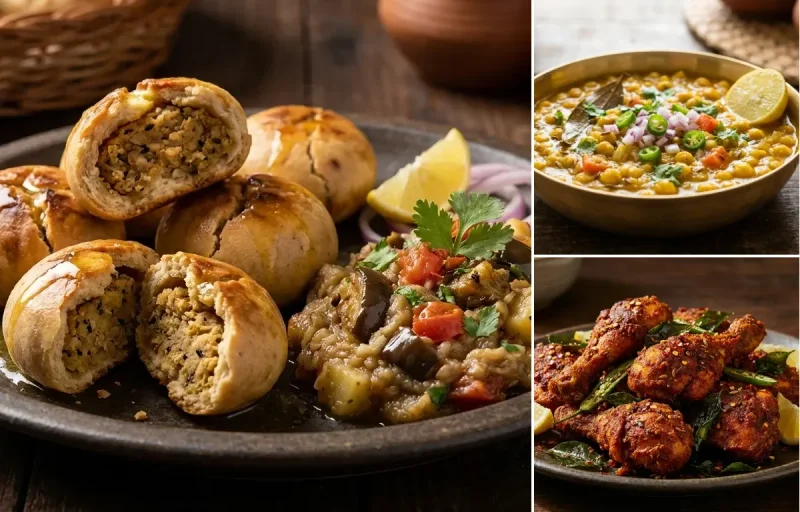
Crispy on the outside and soft inside, these deep-fried pancakes are a beloved breakfast from Bihar and Jharkhand. Made from a naturally fermented batter of rice and lentils, they have a unique tangy and savory flavor. This recipe requires overnight soaking and fermentation, so plan accordingly.
Prep20 min
Cook25 min
Soak360 min
Ferment480 min
Servings4
Serving size: 1 serving
415cal
12gprotein
59gcarbs
Ingredients
1 cup Sona Masuri Rice (or any short-grain raw rice)
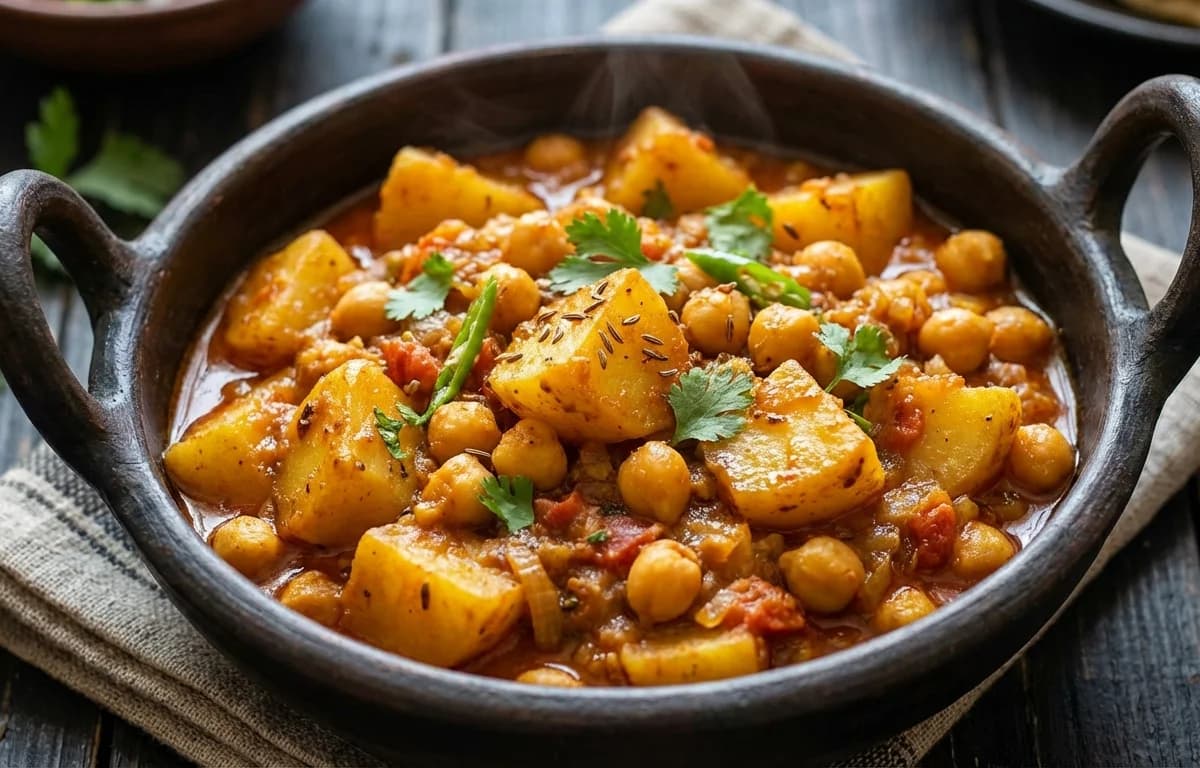
A hearty and flavorful North Indian curry with tender potatoes and protein-rich chickpeas simmered in a spiced onion-tomato gravy. Perfect with roti or rice for a comforting weeknight meal.
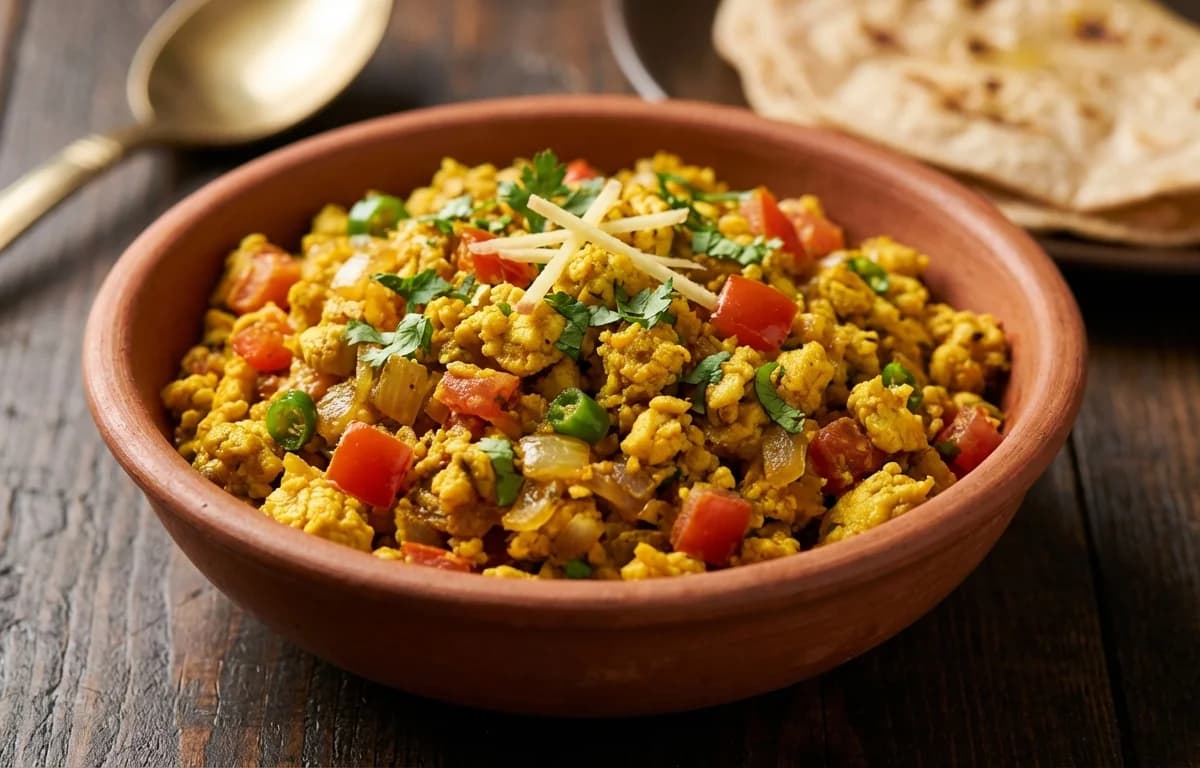
A quick and savory Indian-style scrambled egg dish, packed with flavor from onions, tomatoes, and aromatic spices. Perfect for a hearty breakfast or a light meal, ready in under 20 minutes and delicious with pav or roti.
Prep10 min
Cook10 min
Servings4
Serving size: 1 serving
About Dhuska, Aloo Chana Sabzi and Egg Bhurji
Crispy Dhuska with protein-packed Egg Bhurji & Aloo Chana – a soul-satisfying, energy-giving lunch!
This bihari dish is perfect for lunch. With 1279.8799999999999 calories and 50.53g of protein per serving, it's a nutritious choice for your meal plan.
Other Cuisines to Explore
Discover authentic meals from cuisines around the world.
Rinse the rice, chana dal, and urad dal together under cold running water until the water runs clear.
Place them in a large bowl and add enough water to cover them by at least 2 inches.
Cover the bowl and let them soak for a minimum of 6 hours, or preferably overnight.
2
Grind the Batter (10 minutes)
Drain all the water from the soaked rice and lentils.
Transfer the mixture to a high-speed blender or wet grinder. Add the chopped ginger, garlic cloves, and green chillies.
Grind to a smooth, thick batter. Add water sparingly, a few tablespoons at a time, only as needed to help the grinding process. The final consistency should be thick yet pourable, similar to idli batter.
3
Ferment the Batter (8-12 hours)
Pour the ground batter into a large container, ensuring it's only filled halfway to allow room for it to rise.
Whisk the batter vigorously for 1-2 minutes to incorporate air, which aids fermentation.
Cover the container with a lid (do not seal it tightly) and place it in a warm, draft-free spot to ferment for 8 to 12 hours, or until it has visibly increased in volume and has a slightly sour, fermented aroma.
4
Season the Batter (2 minutes)
Once fermented, gently stir the batter. Do not overmix, as this will deflate the air pockets.
Add the turmeric powder, cumin seeds, hing, and salt to the batter.
Mix gently with a spoon or spatula until just combined.
5
Fry the Dhuskas (20-25 minutes)
Heat the oil in a kadai or deep pan over medium-high heat. The oil should be about 2-3 inches deep.
To test if the oil is ready, drop a tiny bit of batter into it. If it sizzles and rises to the surface quickly, the oil is at the right temperature.
Reduce the heat to medium. Using a ladle, pour about 1/4 cup of batter directly into the hot oil. Do not spread it.
The dhuska will sink at first and then puff up like a puri and float to the top. Gently nudge it with a slotted spoon.
Fry 2-3 dhuskas at a time, being careful not to overcrowd the pan.
Fry for about 2-3 minutes, then flip and fry the other side for another 2-3 minutes until both sides are golden brown and crisp.
Remove the fried dhuskas with a slotted spoon, allowing excess oil to drip back into the pan. Place them on a wire rack or a plate lined with paper towels.
6
Serve Hot
Dhuska is best enjoyed immediately while it's hot and crispy.
Serve traditionally with Ghugni (black chickpea curry) or Aloo ki Sabzi (spicy potato curry).
615cal
25gprotein
94gcarbs
18gfat
Ingredients
400 g Yukon Gold Potatoes (about 3 medium, boiled, peeled, and cubed)
425 g Canned Chickpeas (one 15 oz can, rinsed and drained)
3 tbsp Vegetable Oil
1 tsp Cumin Seeds
0.25 tsp Hing (Asafoetida)
1 large Onion (finely chopped)
1 tbsp Ginger-Garlic Paste
2 pcs Green Chili (slit lengthwise)
1 cup Tomato Puree (from about 2-3 medium tomatoes)
3 tbsp Coriander Leaves (freshly chopped, for garnish)
Instructions
1
Prepare the Tempering and Sauté Aromatics
Heat oil in a heavy-bottomed pan or kadai over medium-high heat. Once hot, add the cumin seeds and allow them to crackle and become fragrant, about 30-45 seconds.
Reduce the heat to medium, add the hing, and immediately follow with the finely chopped onions.
Sauté the onions for 6-8 minutes, stirring frequently, until they are soft, translucent, and light golden brown at the edges.
Add the ginger-garlic paste and slit green chilies. Cook for another 1-2 minutes until the raw aroma disappears.
2
Build the Masala Gravy
Pour in the tomato puree. Cook for 4-5 minutes, stirring, until the puree thickens and darkens slightly.
Add the turmeric powder, Kashmiri red chili powder, and coriander powder. Mix well.
Cook this masala mixture for 6-8 minutes on medium-low heat, stirring occasionally. Add a splash of water if it starts to stick. The masala is ready when it deepens in color and you see oil separating from the sides.
3
Combine and Simmer the Curry
Add the boiled potato cubes and drained chickpeas to the pan. Gently fold them into the masala, ensuring they are well-coated without breaking the potatoes.
Pour in 1.5 cups of hot water and add the salt. Stir to combine.
Crush the Kasuri Methi between your palms and sprinkle it into the curry. Bring the mixture to a gentle boil.
Reduce the heat to low, cover the pan, and let the curry simmer for 10-12 minutes. This allows the potatoes and chickpeas to absorb the flavors of the gravy.
4
Finishing Touches and Garnish
Uncover the pan. For a thicker gravy, gently press a few potato cubes against the side of the pan with the back of a spoon and mix them into the gravy.
Turn off the heat. Sprinkle the garam masala and amchur powder over the curry. Give it a final gentle stir.
Garnish with freshly chopped coriander leaves. Let the curry rest for 5-10 minutes before serving to allow the flavors to meld.
Serve hot with fresh rotis, naan, or steamed basmati rice.
Gently start scrambling the eggs with a spatula, breaking them into soft curds. Continue cooking for 2-3 minutes until the eggs are cooked but still moist.
5
Garnish and serve
Turn off the heat. Sprinkle the garam masala and chopped coriander leaves over the bhurji.
Give it a final gentle mix. Serve immediately with hot rotis, pav (bread rolls), or toast.