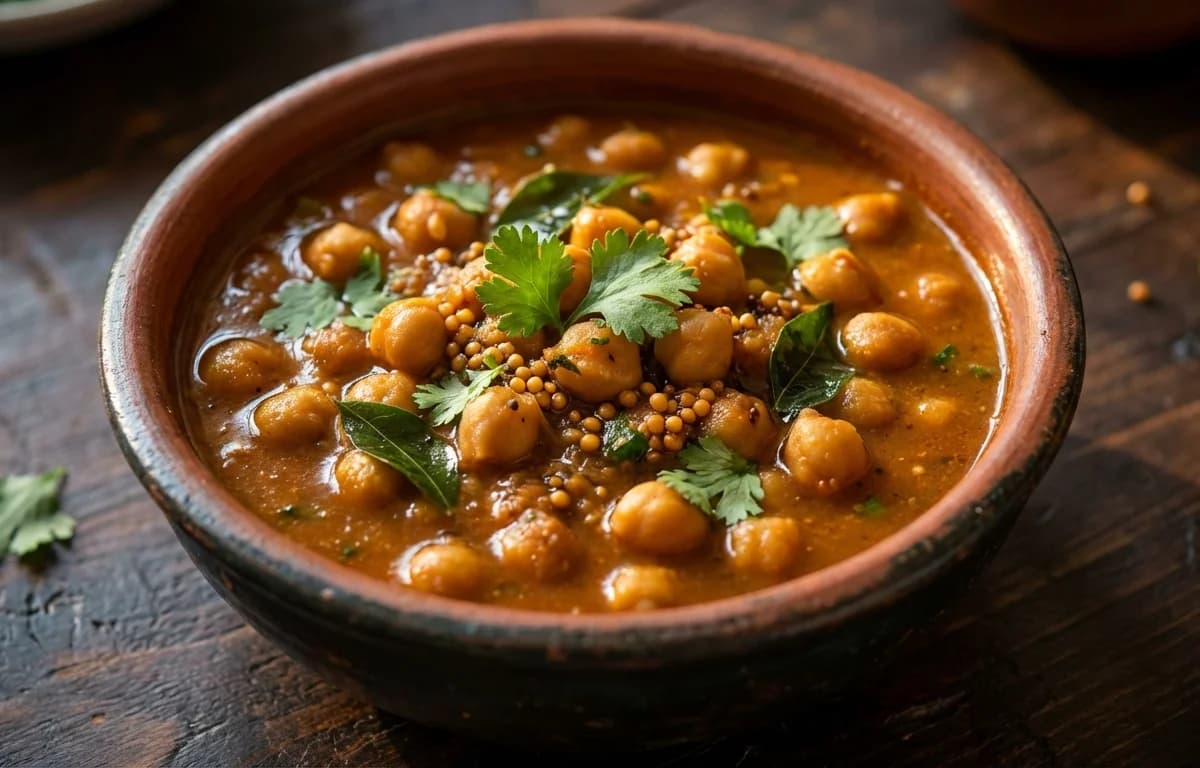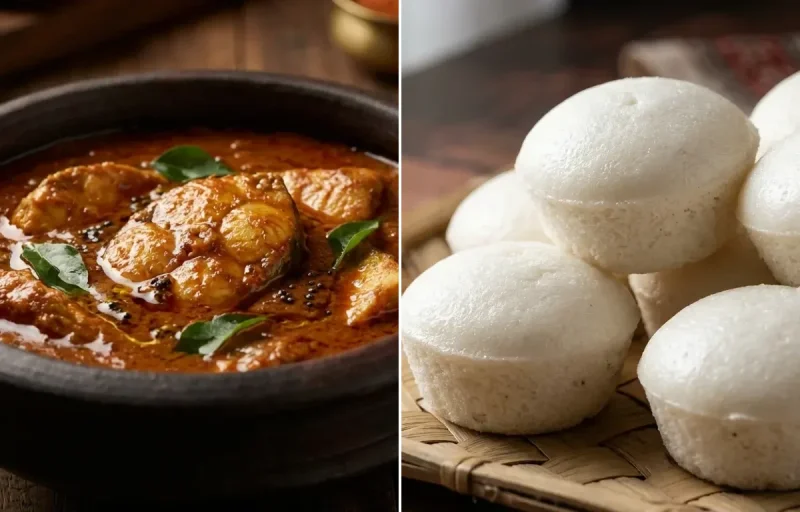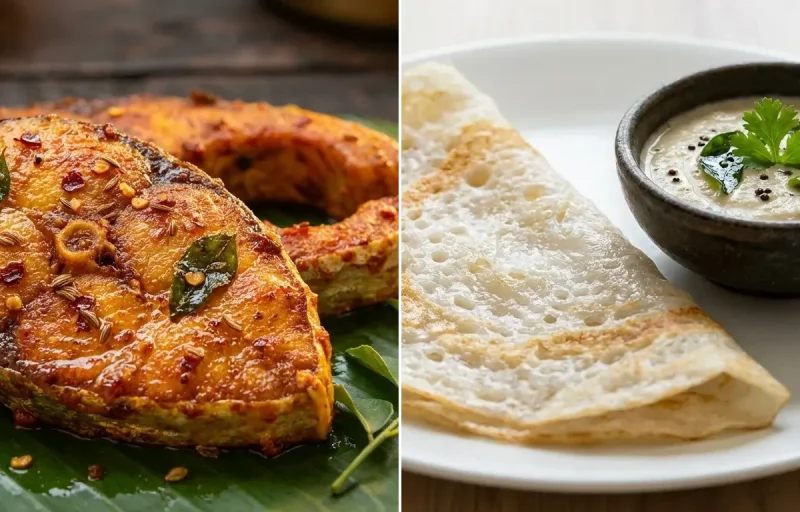
A traditional Karnataka curry made with black chickpeas, coconut, and a blend of aromatic spices. This tangy and slightly sweet saaru is the perfect comfort food, best enjoyed with steamed rice or ragi mudde.
Prep15 min
Cook40 min
Soak480 min
Servings4
Serving size: 1 cup
325cal
11gprotein
44gcarbs
Ingredients
1 cup Kala Chana (dried)
1 medium Onion (finely chopped)
1 medium Tomato (chopped)
0.5 cup Fresh Grated Coconut
1 inch Tamarind (soaked in 1/4 cup warm water)
1 tbsp Jaggery (grated or powdered)
1 tbsp Coriander Seeds
1 tsp Cumin Seeds
4 pcs Dried Red Chilies (adjust to spice preference)
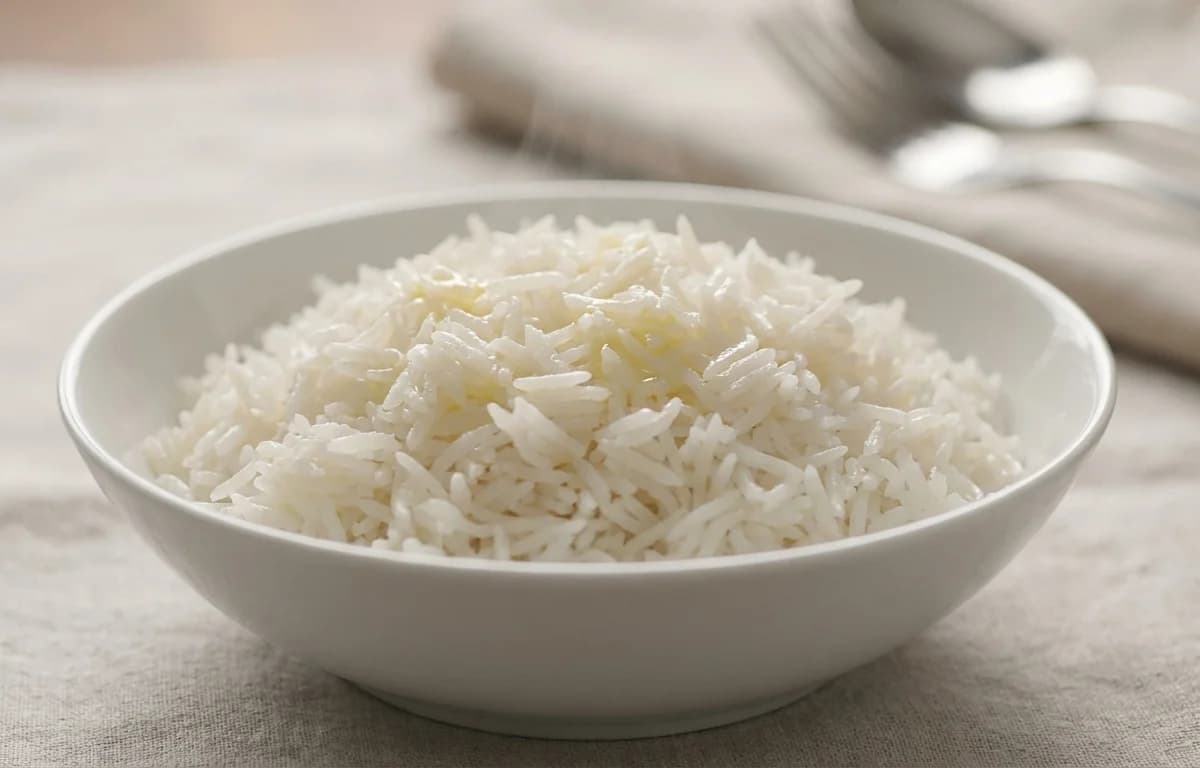
Perfectly fluffy, long-grained basmati rice with a delicate aroma. This simple, foolproof recipe gives you separate, non-sticky grains every time, making it the perfect base for any curry or dal.

A fluffy, savory omelette packed with the vibrant flavors of India. Finely chopped onions, tomatoes, and green chilies are whisked with eggs and aromatic spices for a quick, satisfying, and protein-rich breakfast.
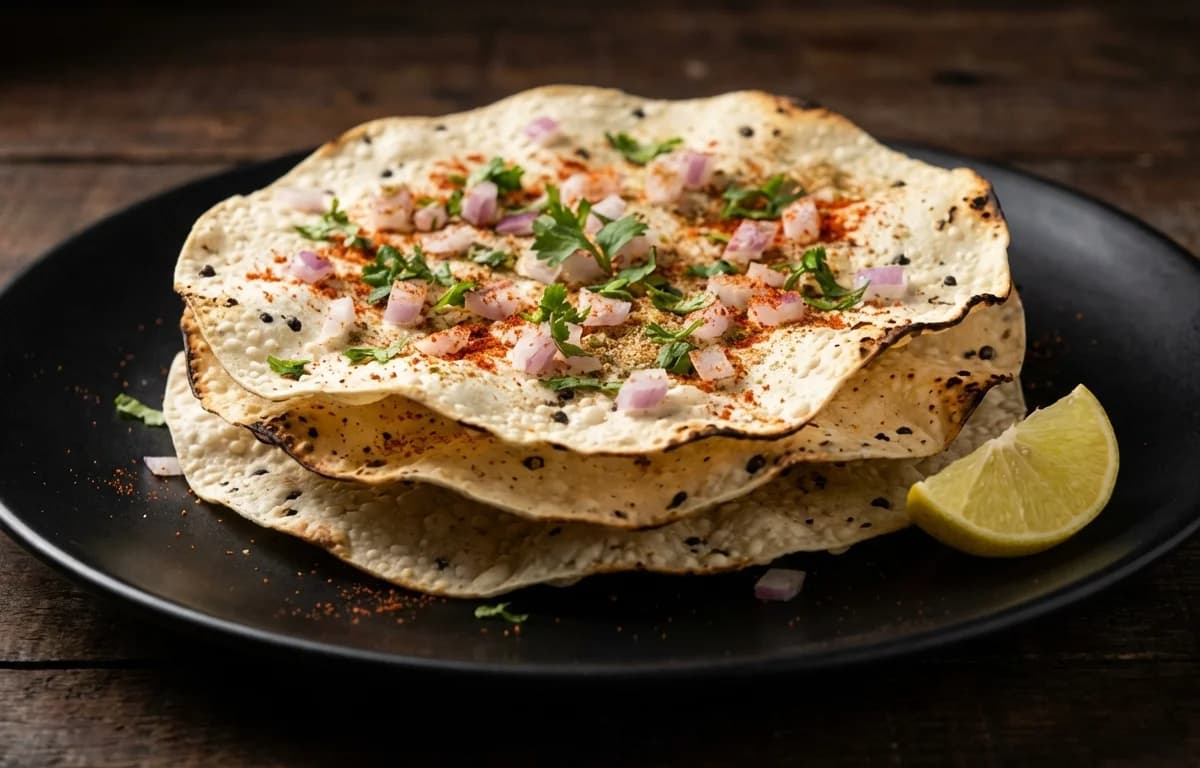
Crispy, sun-dried lentil wafers made from urad dal flour and spiced with black pepper and hing. A classic Indian accompaniment that's perfect for roasting or frying to enjoy with any meal. This recipe guides you through the traditional process of making these iconic crackers from scratch.
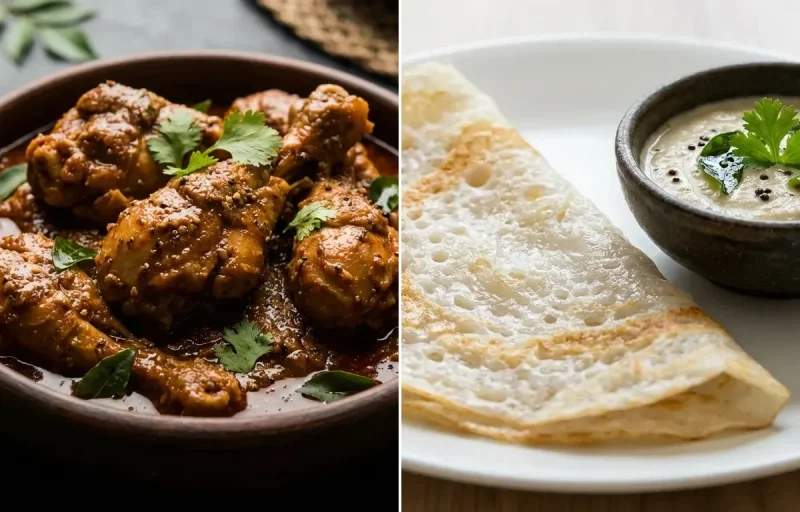
This udupi dish is perfect for lunch. With 959.32 calories and 39.4g of protein per serving, it's a muscle-gain option for your meal plan.
14gfat
4 cloves
Garlic
0.5 tsp Turmeric Powder
1.5 tsp Salt (divided, adjust to taste)
2 tbsp Vegetable Oil
1 tsp Mustard Seeds
10 pcs Curry Leaves
0.25 tsp Asafoetida
2 tbsp Coriander Leaves (chopped, for garnish)
4.25 cups Water (for soaking, cooking, and grinding)
Instructions
1
Soak and Cook Chickpeas
Rinse the kala chana (black chickpeas) thoroughly and soak them in ample water for at least 8 hours or overnight.
Drain the soaking water. Transfer the chickpeas to a pressure cooker.
Add 3 cups of fresh water, 0.5 tsp turmeric powder, and 1 tsp of salt.
Pressure cook on medium heat for 5-6 whistles, or until the chickpeas are soft but hold their shape. This takes about 20-25 minutes.
Allow the pressure to release naturally. Do not discard the cooking water (kattu), as it is flavorful and will be used for the gravy.
2
Prepare the Masala Paste
While the chickpeas are cooking, heat a small pan over low-medium heat.
Dry roast the coriander seeds, cumin seeds, and dried red chilies for 1-2 minutes until they release a pleasant aroma. Be careful not to burn them.
Let the roasted spices cool completely.
Transfer the cooled spices to a grinder jar. Add the fresh grated coconut and garlic cloves.
Add about 1/4 cup of water and grind to a very smooth, fine paste. Add a little more water if necessary to achieve a smooth consistency.
3
Prepare the Saaru Base
Heat vegetable oil in a heavy-bottomed pot or kadai over medium heat.
Add the mustard seeds. Once they begin to splutter, add the curry leaves and asafoetida. Sauté for 30 seconds.
Add the finely chopped onion and sauté until it becomes soft and translucent, which should take about 4-5 minutes.
Add the chopped tomato and cook until it turns soft and mushy, about 5-6 minutes.
4
Combine and Simmer
Add the ground masala paste to the pot. Sauté for 3-4 minutes, stirring frequently, until the raw aroma disappears and you see oil separating from the masala.
Pour in the cooked chickpeas along with their cooking water.
Extract the juice from the soaked tamarind (about 3-4 tbsp of pulp) and add it to the pot. Discard the pulp.
Add the grated jaggery and the remaining 0.5 tsp of salt. Stir well to combine.
Add 1 more cup of water, or as needed, to reach the desired thin, soupy consistency of a saaru.
Bring the curry to a rolling boil, then reduce the heat to low and let it simmer for 8-10 minutes, allowing all the flavors to meld together beautifully.
5
Garnish and Serve
Turn off the heat and garnish with freshly chopped coriander leaves.
Let the saaru rest for 10 minutes before serving.
Serve hot with steamed rice, ragi mudde (finger millet balls), or chapati.
Servings
4
Serving size: 1 cup
262cal
5gprotein
55gcarbs
1gfat
Ingredients
1.5 cup Basmati Rice (Use good quality, aged basmati rice for best results)
2.25 cup Water (For the absorption cooking method)
0.75 tsp Salt (Adjust to taste)
1 tsp Ghee (Optional, for flavor and to prevent sticking)
Instructions
1
Rinse and Soak the Rice (35 minutes)
Place the basmati rice in a large bowl. Add cold water and gently swirl the rice with your fingers. Drain the cloudy water. Repeat this process 3-4 times until the water runs mostly clear. This removes excess starch and prevents stickiness.
Cover the rinsed rice with fresh water and let it soak for 30 minutes. Soaking allows the grains to absorb water, ensuring they cook evenly and elongate beautifully.
After 30 minutes, drain the rice completely using a fine-mesh sieve and set aside.
2
Cook the Rice (15 minutes)
In a medium, heavy-bottomed saucepan with a tight-fitting lid, combine the drained rice, 2.25 cups of fresh water, salt, and ghee (if using).
Bring the mixture to a rolling boil over medium-high heat, uncovered.
As soon as it boils, give it one gentle stir, then immediately reduce the heat to the lowest possible setting. Cover the saucepan tightly with the lid.
Let the rice simmer for 12-15 minutes, or until all the water has been absorbed. Do not lift the lid during this time to prevent steam from escaping.
3
Rest and Fluff (10 minutes)
Turn off the heat but leave the saucepan on the stove, still covered. Let the rice rest and steam for 10 minutes. This step is crucial for finishing the cooking process and achieving a perfect texture.
After resting, remove the lid. Use a fork to gently fluff the rice, separating the long, delicate grains.
Serve hot as a perfect accompaniment to curries, dals, or grilled dishes.
4 piece Large Egg (Bring to room temperature for a fluffier result.)
0.25 cup Red Onion (Finely chopped.)
0.25 cup Tomato (Deseeded and finely chopped.)
1 piece Green Chilli (Finely chopped. Adjust to your spice preference.)
2 tbsp Coriander Leaves (Finely chopped, plus extra for garnish.)
0.25 tsp Turmeric Powder (Adds color and a mild earthy flavor.)
0.25 tsp Red Chilli Powder (Optional, for extra heat.)
0.25 tsp Garam Masala (For a warm, aromatic finish.)
2 tbsp Milk (Optional, helps make the omelette tender.)
0.5 tsp Salt (Adjust to taste.)
0.25 tsp Black Pepper (Freshly ground is best.)
2 tsp Ghee (Can be substituted with butter or oil.)
Instructions
1
Prepare the Egg Mixture
In a medium-sized bowl, crack the 4 eggs. Add the milk (if using), turmeric powder, red chilli powder, garam masala, salt, and black pepper.
Using a fork or a whisk, beat the mixture vigorously for 1-2 minutes until it is light, well-combined, and slightly frothy. This incorporates air and is key to a fluffy omelette.
2
Add Vegetables
Add the finely chopped onion, deseeded tomato, green chilli, and coriander leaves to the whisked eggs.
Gently mix everything together until just combined. Avoid over-mixing at this stage.
3
Cook the First Omelette
Heat 1 teaspoon of ghee in an 8-inch non-stick skillet over medium heat. The pan is ready when a drop of water sizzles.
Pour half of the egg mixture into the pan. Swirl gently to spread it into an even circle.
Cook for 2-3 minutes, until the edges begin to set and the bottom is a light golden brown. You can lift an edge with a spatula to check.
In a large bowl, sift the urad dal flour. Add the coarsely crushed black peppercorns, hing, papad khar, and salt.
Whisk everything together until the spices are evenly distributed throughout the flour.
2
Form the Stiff Dough
Gradually add water, just one teaspoon at a time, to the flour mixture.
Mix and gather the flour to form an extremely stiff, tight, and almost dry dough. It's crucial to use as little water as possible. The dough will look crumbly at first.
3
Pound the Dough
Transfer the dough to a sturdy, clean surface. Grease a pestle (or the back of a heavy pan) and your hands with a little sesame oil.
Begin pounding the dough firmly for 15-20 minutes. This process is essential to develop gluten and make the dough pliable.
The texture will transform from crumbly to a smooth, elastic ball. This step cannot be skipped for authentic results.
4
Rest the Dough
Rub a little more oil over the surface of the dough ball.
Cover it with a damp cloth and let it rest for 30 minutes. This allows the flour to hydrate fully and makes rolling easier.
5
Shape into Logs and Pellets
After resting, knead the dough for another 2-3 minutes. Divide it into 2-3 equal portions.
Roll each portion into a long, uniform log about 1-inch in diameter.
Cut the logs into small, equal-sized pellets, about the size of a small marble. Keep the pellets covered with the damp cloth to prevent them from drying out.
6
Roll the Papads
Lightly grease your rolling surface and rolling pin with sesame oil.
Take one pellet, flatten it with your palm, and roll it into a very thin, translucent circle, about 4-5 inches in diameter.
The key is to roll them as thinly as possible without tearing. Place the rolled papads on a clean cotton cloth or plastic sheet, ensuring they don't overlap.
7
Dry the Papads
Place the sheets with the papads in direct, strong sunlight for 1-2 days. Flip them every 3-4 hours for even drying.
Alternatively, dry them indoors under a fan for 2-3 days, or in an oven set to its lowest temperature (around 50-60°C or 120-140°F) with the door slightly ajar for 4-6 hours, flipping halfway through.
They are ready when they are completely moisture-free, brittle, and snap easily.
8
Store and Cook
Once completely dry, stack the papads and store them in an airtight container at room temperature. They will last for several months.
To cook, you can either deep-fry in hot oil for 3-5 seconds until they puff up, or roast them directly over a gas flame using tongs, flipping constantly until crisp and lightly charred.