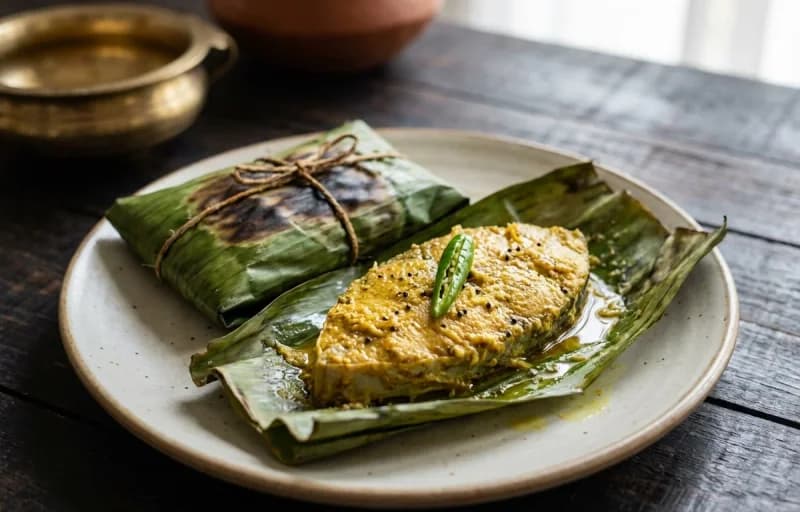
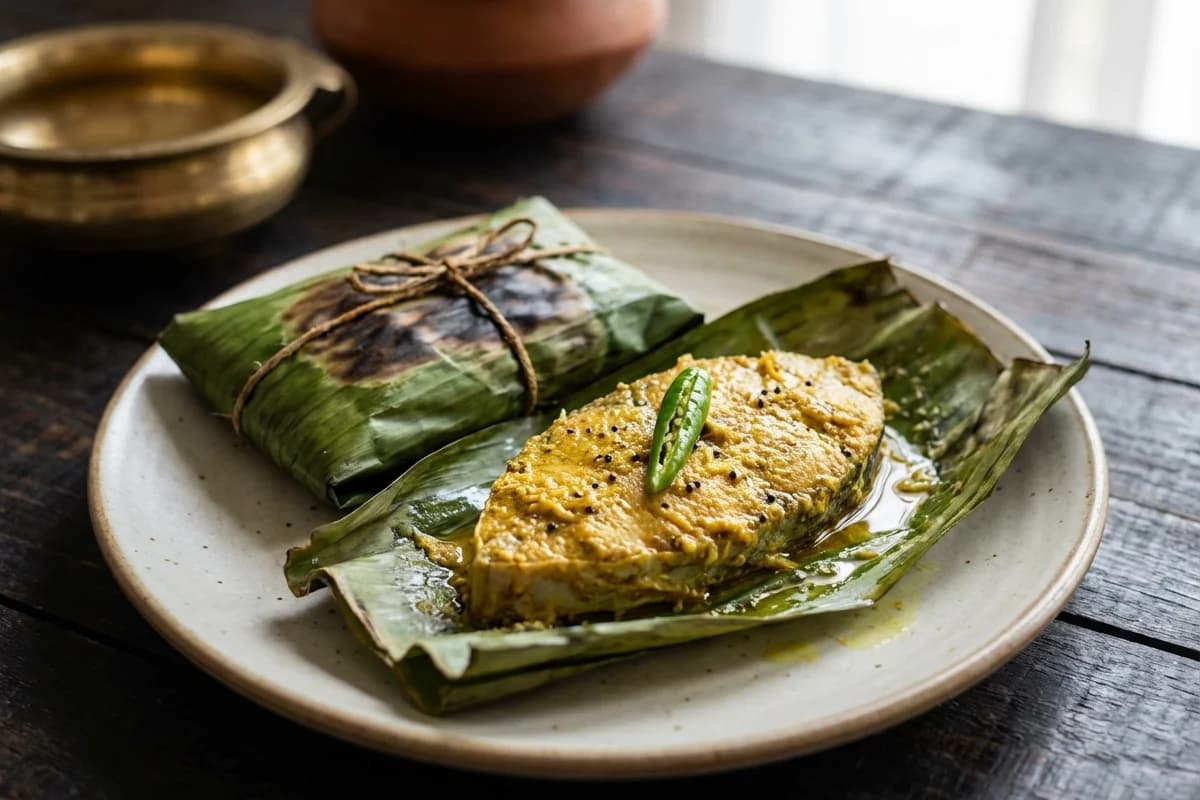
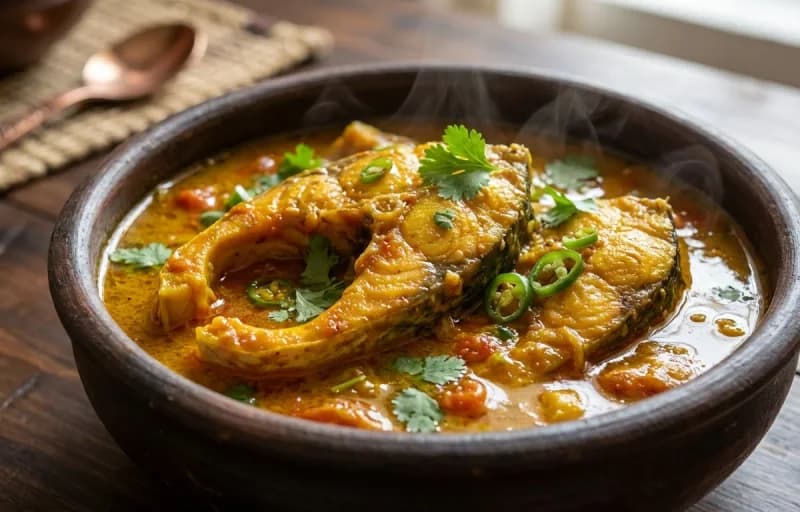
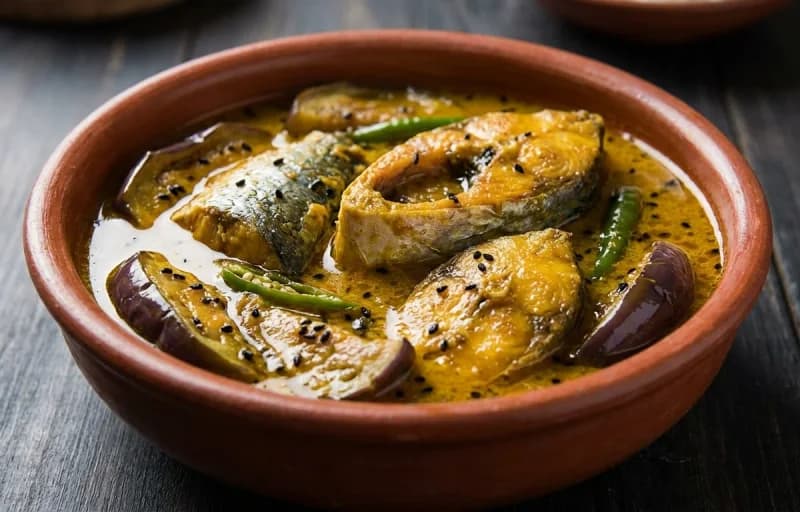
A classic Bengali delicacy where tender fish fillets are marinated in a pungent mustard and poppy seed paste, wrapped in banana leaves, and steamed to perfection. The leaves impart a subtle, smoky aroma, making this dish truly unforgettable.
Prep25 min
Cook15 min
Soak20 min
Servings4
Serving size: 1 serving
408cal
35gprotein
7gcarbs
Ingredients
600 g Bhetki Fish Fillets (Cut into 4 equal pieces, about 150g each)
2 tbsp Black Mustard Seeds
2 tbsp Yellow Mustard Seeds
2 tbsp Poppy Seeds (Known as Posto in Bengali)
0.25 cup Fresh Grated Coconut
2 tbsp Curd (Whisked until smooth)
8 pcs Green Chillies (4 for the paste and 4 slit lengthwise for wrapping)
1 tsp Turmeric Powder
5 tbsp Mustard Oil (4 tbsp for marinade, 1 tbsp for pan-frying (if using that method))
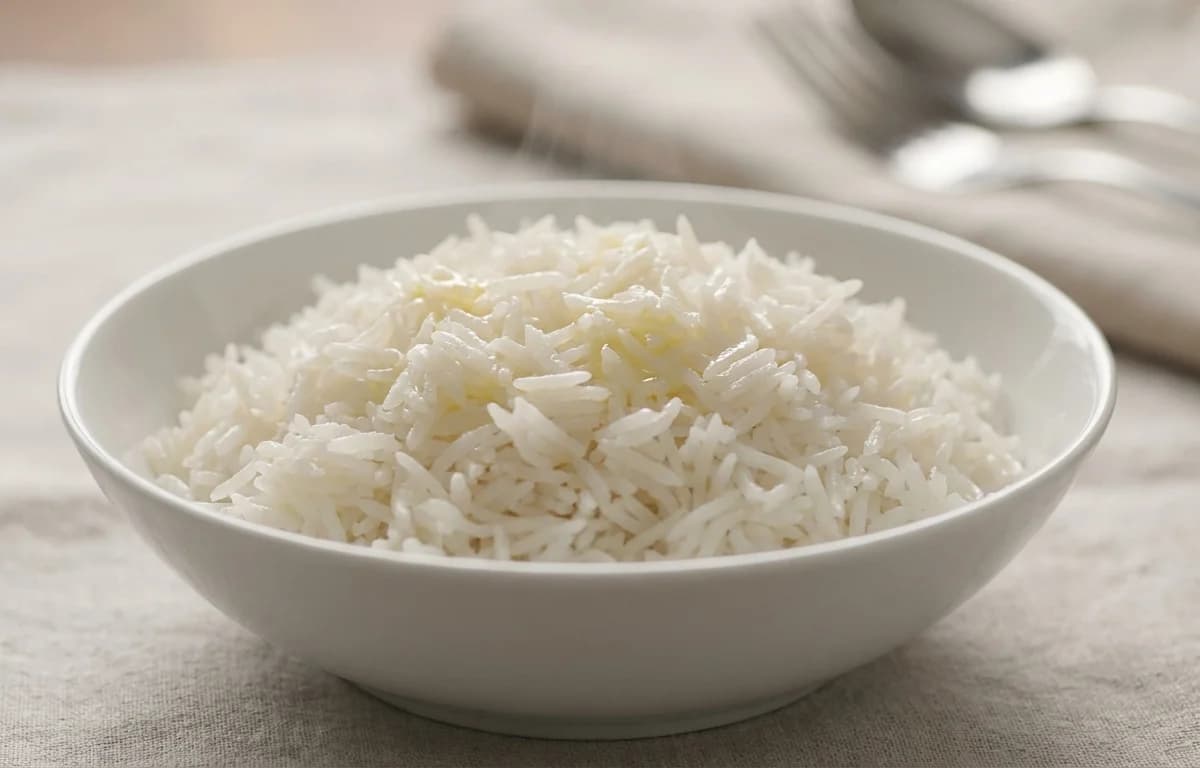
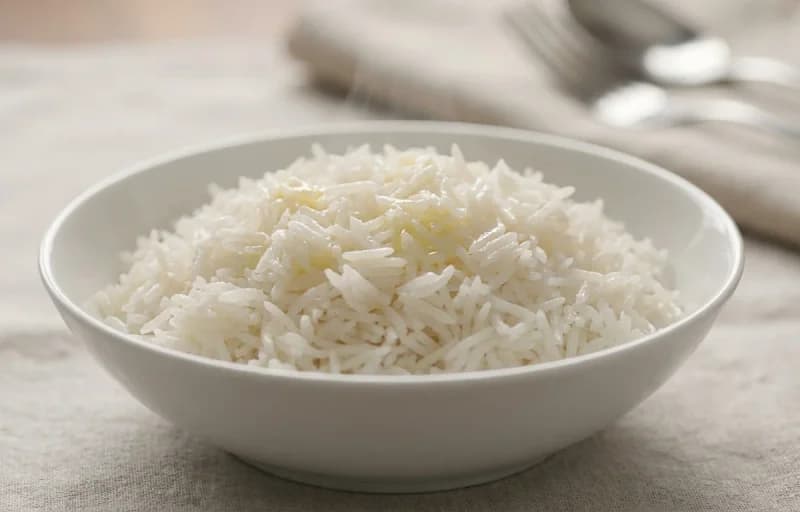
Perfectly fluffy, long-grained basmati rice with a delicate aroma. This simple, foolproof recipe gives you separate, non-sticky grains every time, making it the perfect base for any curry or dal.
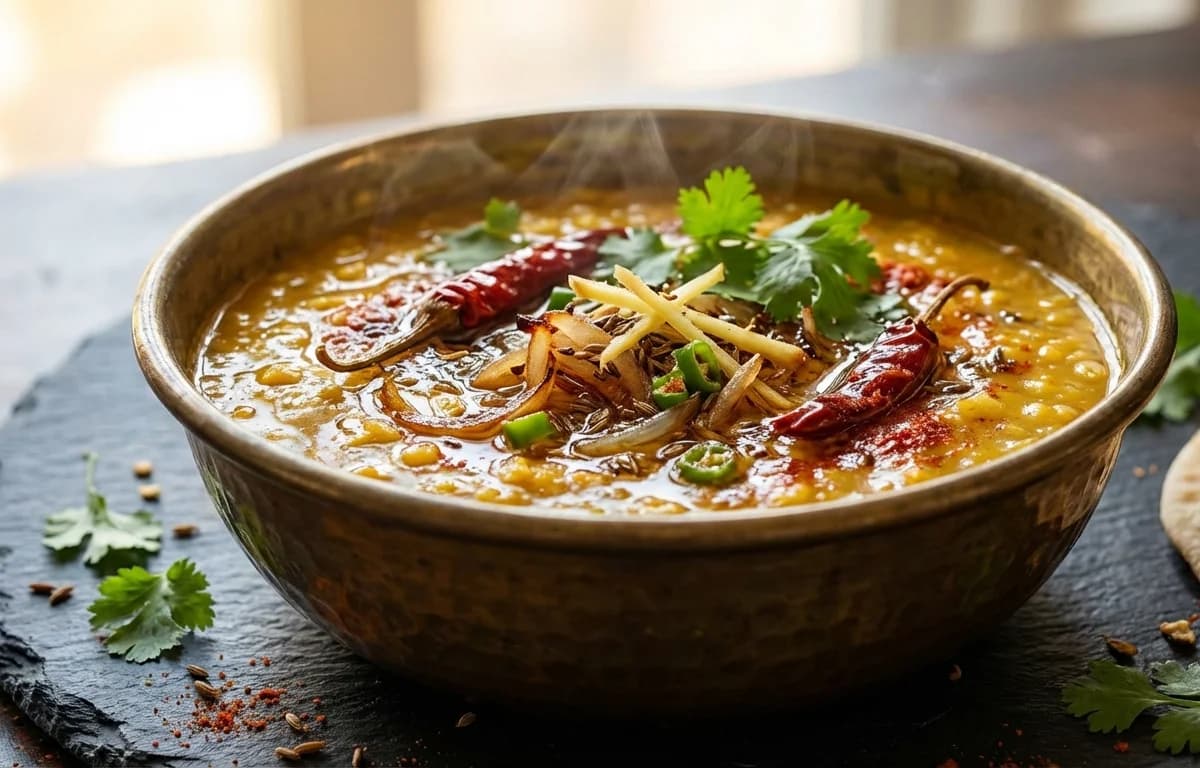
A comforting and classic North Indian lentil dish. Creamy yellow lentils are cooked until tender and then topped with a fragrant tempering of spices sizzled in ghee. Perfect with steamed rice or roti.
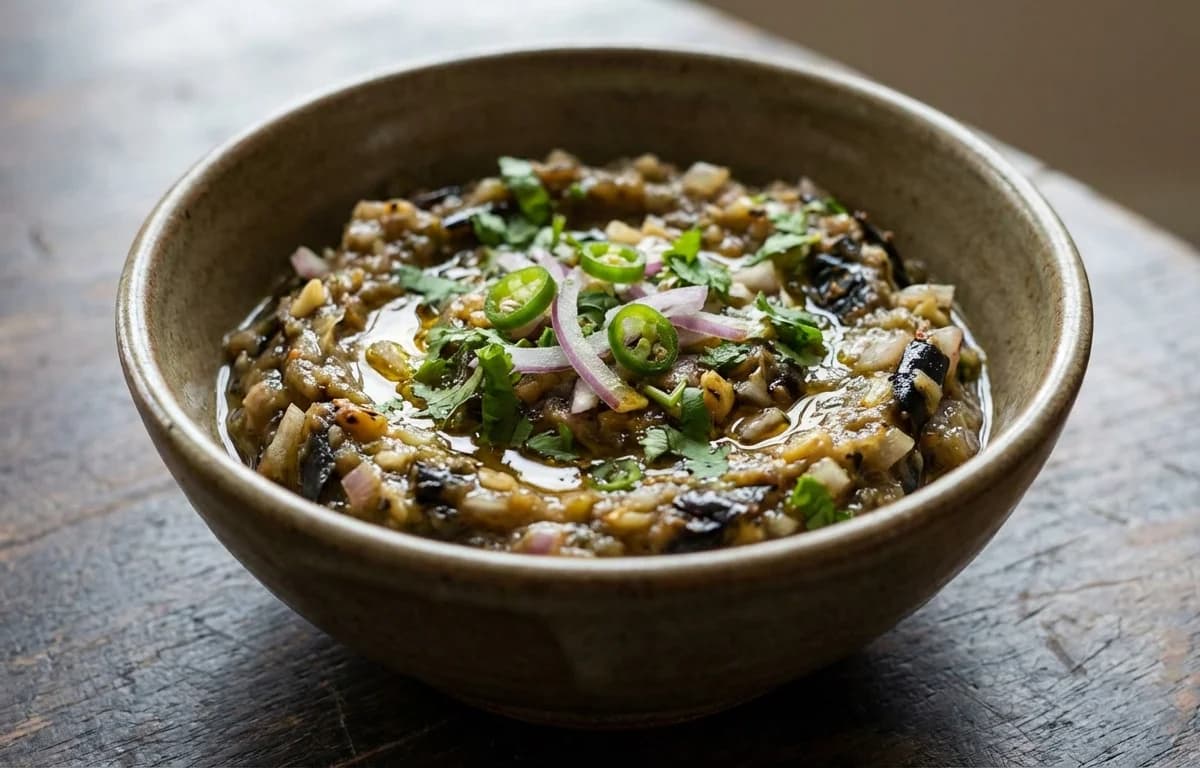
A rustic and smoky mashed eggplant dish from Assam, flavored with pungent mustard oil, sharp raw onions, and fresh chilies. This simple, flavorful side comes together in minutes and pairs perfectly with steamed rice.
About Patot Diya Maas, Steamed Basmati Rice, Dal Tadka and Begena Pitika
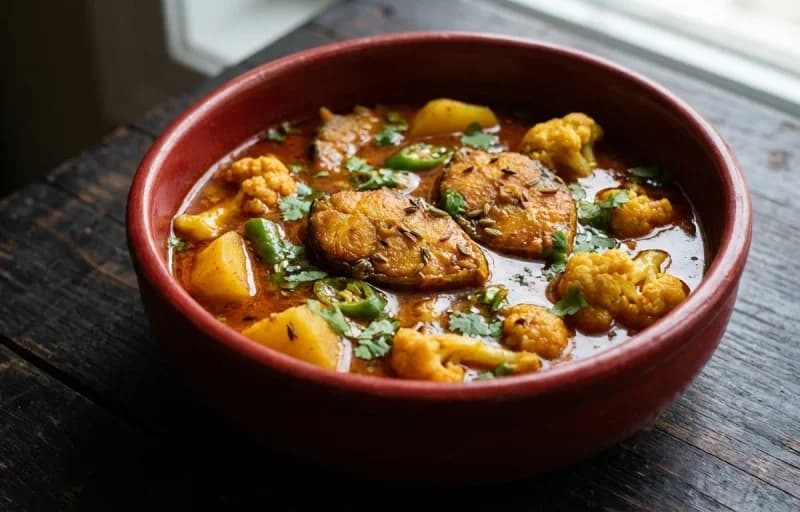
Delicate, protein-packed steamed fish with fluffy rice and gut-friendly eggplant mash. A light, soul-satisfying comfort food!
This assamese dish is perfect for lunch. With 1054.2399999999998 calories and 53.60999999999999g of protein per serving, it's a nutritious choice for your meal plan.
28gfat
1 tsp Salt (Adjust to taste)
4 pcs Banana Leaves (Large pieces, about 10x10 inches each)
3 tbsp Water (For grinding the paste)
Instructions
1
Prepare Seeds and Banana Leaves (15 minutes)
In a small bowl, combine the black mustard seeds, yellow mustard seeds, and poppy seeds. Cover with warm water and let them soak for at least 15 minutes. This softens them for easier grinding and reduces bitterness.
While the seeds are soaking, wash the banana leaves thoroughly. Carefully pass each leaf over a low open flame for about 10-15 seconds on each side. This makes them pliable and prevents them from tearing when you fold the parcels.
2
Create the Mustard Marinade (5 minutes)
Drain the soaked seeds completely. Transfer them to a grinder or blender jar.
Add the grated coconut, 4 green chillies, turmeric powder, salt, and 3 tablespoons of water to the jar.
Grind everything into a smooth, thick paste. Scrape down the sides as needed. Be careful not to over-grind, as this can make the mustard bitter.
Transfer the paste to a mixing bowl. Stir in the whisked curd and 4 tablespoons of mustard oil until well combined.
3
Marinate and Wrap the Fish (5 minutes)
Gently pat the fish fillets dry with a paper towel. Add them to the bowl with the marinade and coat each piece generously on all sides.
Lay a softened banana leaf on a clean, flat surface with the shiny side facing up.
Place one marinated fish fillet in the center of the leaf. Top it with an extra spoonful of the marinade and one slit green chili.
Fold the banana leaf neatly from all four sides to create a secure rectangular parcel. Tie it with a piece of cotton kitchen thread to hold it together.
4
Cook the Parcels (15 minutes)
Choose your cooking method: Steaming (recommended) or Pan-Frying.
For Steaming: Arrange the parcels in a steamer basket over boiling water. Cover and steam for 12-15 minutes on medium heat, until the fish is cooked through and flakes easily.
For Pan-Frying: Heat 1 tablespoon of mustard oil in a non-stick pan over low-medium heat. Place the parcels in the pan, cover with a lid, and cook for 7-8 minutes on each side. The leaf will become charred, which adds a lovely smoky flavor.
5
Serve Hot
Once cooked, remove the parcels from the steamer or pan and let them rest for a minute.
Serve the Patot Diya Maas immediately, allowing each person to unwrap their own parcel. It pairs perfectly with hot steamed rice.
Servings
4
Serving size: 1 serving
262cal
5gprotein
55gcarbs
1gfat
Ingredients
1.5 cup Basmati Rice (Use good quality, aged basmati rice for best results)
2.25 cup Water (For the absorption cooking method)
0.75 tsp Salt (Adjust to taste)
1 tsp Ghee (Optional, for flavor and to prevent sticking)
Instructions
1
Rinse and Soak the Rice (35 minutes)
Place the basmati rice in a large bowl. Add cold water and gently swirl the rice with your fingers. Drain the cloudy water. Repeat this process 3-4 times until the water runs mostly clear. This removes excess starch and prevents stickiness.
Cover the rinsed rice with fresh water and let it soak for 30 minutes. Soaking allows the grains to absorb water, ensuring they cook evenly and elongate beautifully.
After 30 minutes, drain the rice completely using a fine-mesh sieve and set aside.
2
Cook the Rice (15 minutes)
In a medium, heavy-bottomed saucepan with a tight-fitting lid, combine the drained rice, 2.25 cups of fresh water, salt, and ghee (if using).
Bring the mixture to a rolling boil over medium-high heat, uncovered.
As soon as it boils, give it one gentle stir, then immediately reduce the heat to the lowest possible setting. Cover the saucepan tightly with the lid.
Let the rice simmer for 12-15 minutes, or until all the water has been absorbed. Do not lift the lid during this time to prevent steam from escaping.
3
Rest and Fluff (10 minutes)
Turn off the heat but leave the saucepan on the stove, still covered. Let the rice rest and steam for 10 minutes. This step is crucial for finishing the cooking process and achieving a perfect texture.
After resting, remove the lid. Use a fork to gently fluff the rice, separating the long, delicate grains.
Serve hot as a perfect accompaniment to curries, dals, or grilled dishes.
3 cup Water (for pressure cooking, plus more as needed)
0.5 tsp Turmeric Powder
1 tsp Salt (or to taste)
2 tbsp Ghee (divided)
1 tsp Cumin Seeds
0.5 tsp Mustard Seeds
1 medium Onion (finely chopped)
1 tbsp Ginger Garlic Paste
2 pcs Green Chili (slit lengthwise)
1 medium Tomato (finely chopped)
0.25 tsp Hing (asafoetida)
2 pcs Dried Red Chili (whole)
0.5 tsp Kashmiri Red Chili Powder (for color, adjust to taste)
0.5 tsp Garam Masala
2 tbsp Coriander Leaves (freshly chopped, for garnish)
1 tsp Lemon Juice (optional, for a tangy finish)
Instructions
1
Pressure Cook the Dal
Rinse the toor dal thoroughly under cold running water until the water runs clear. Drain.
Place the rinsed dal in a pressure cooker. Add 3 cups of water, turmeric powder, and 1/2 tsp of salt.
Secure the lid and pressure cook on medium-high heat for 4-5 whistles, or about 15 minutes, until the dal is completely soft and mushy.
Allow the pressure to release naturally. This extra time helps the dal become even creamier.
Once the pressure has subsided, open the cooker and whisk the dal gently until it reaches a smooth, consistent texture. If it's too thick, add a little hot water to reach your desired consistency.
2
Prepare the Masala Base
Heat 1 tbsp of ghee in a separate pan or kadai over medium heat.
Add 1/2 tsp of cumin seeds and let them sizzle.
Add the finely chopped onion and sauté for 3-4 minutes until it becomes soft and translucent.
Add the ginger-garlic paste and slit green chilies. Cook for another minute until the raw smell disappears.
Stir in the chopped tomatoes and the remaining 1/2 tsp of salt. Cook for 4-5 minutes, stirring occasionally, until the tomatoes break down and the mixture becomes pulpy.
1 tsp Vegetable Oil (For rubbing on the eggplant skin)
1 medium Onion (Finely chopped)
2 pcs Green Chili (Finely chopped, adjust to taste)
2 tbsp Mustard Oil (Use a pungent, cold-pressed variety for authentic flavor)
3 tbsp Coriander Leaves (Freshly chopped)
0.75 tsp Salt (Or to taste)
1 pcs Lemon (Cut into wedges, for serving (optional))
Instructions
1
Roast the Eggplant
Wash and pat dry the eggplant. Prick it all over with a fork or the tip of a knife. This prevents it from bursting.
Rub 1 tsp of vegetable oil all over the skin. This helps the skin char evenly and peel off easily.
Place the eggplant directly on a medium gas flame. Using tongs, turn it every 2-3 minutes to ensure it cooks evenly on all sides.
Roast for about 10-15 minutes, until the skin is completely blackened and charred, and the eggplant has collapsed and feels very soft when pressed.
2
Peel and Mash the Eggplant
Carefully remove the roasted eggplant from the flame and place it in a bowl. Cover the bowl with a lid or plate and let it rest for 5-10 minutes. The trapped steam will make peeling easier.
Once cool enough to handle, peel off all the charred skin. It should come away easily. Discard the skin.
Remove and discard the stem. Place the soft, cooked pulp in a mixing bowl.
Using a fork or a potato masher, mash the eggplant pulp thoroughly until it's relatively smooth but still has some texture.
3
Combine and Season
To the mashed eggplant, add the finely chopped onion, green chilies, and fresh coriander leaves.
Pour in the pungent mustard oil and add salt to taste.
Mix everything together vigorously until all the ingredients are well combined. The oil should emulsify slightly with the eggplant pulp.
4
Serve Immediately
Taste the pitika and adjust the salt, chili, or mustard oil if needed.
Transfer to a serving bowl. For the best flavor and texture, serve immediately with hot steamed rice, dal, and lemon wedges on the side.
Pour this onion-tomato masala into the cooked dal. Add the garam masala, stir well, and let it simmer on low heat for 5 minutes for the flavors to meld.
3
Prepare the Final Tempering (Tadka)
In a small tadka pan or small skillet, heat the remaining 1 tbsp of ghee over medium heat until hot.
Add the mustard seeds and the remaining 1/2 tsp of cumin seeds. Allow them to crackle and splutter, which should take about 30 seconds.
Add the whole dried red chilies and hing (asafoetida). Sauté for just 10-15 seconds, being careful not to burn them.
Turn off the heat completely. Immediately add the Kashmiri red chili powder to the hot ghee and give it a quick swirl. This prevents the powder from burning and turning bitter.
4
Combine and Serve
Immediately pour the sizzling hot tempering over the simmering dal. You should hear a satisfying sizzle as the tadka hits the dal.
Stir gently to incorporate the tempering. Stir in the optional lemon juice if using.
Garnish with freshly chopped coriander leaves.
Serve hot with steamed basmati rice, jeera rice, or fresh rotis.