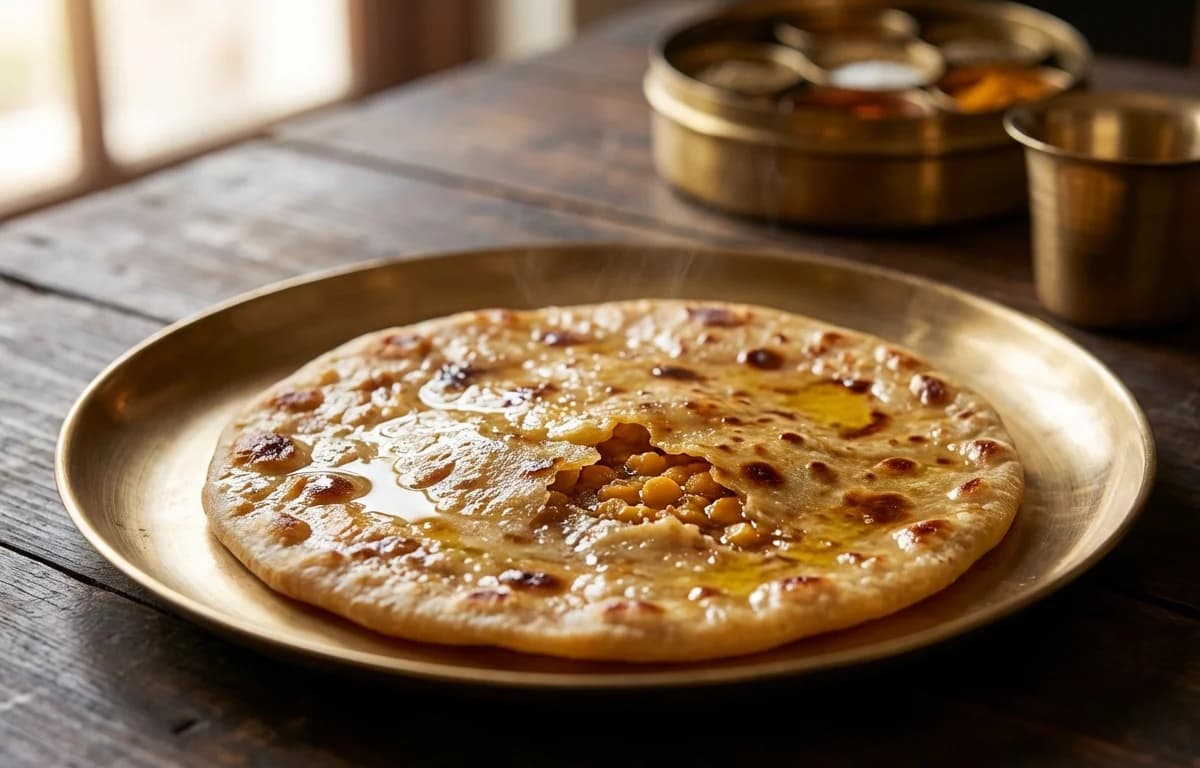
A classic Maharashtrian sweet flatbread where a soft outer layer encases a delicious, aromatic filling of chana dal and jaggery. Perfect for festivals like Holi and Ganesh Chaturthi, this dish is a true taste of tradition.
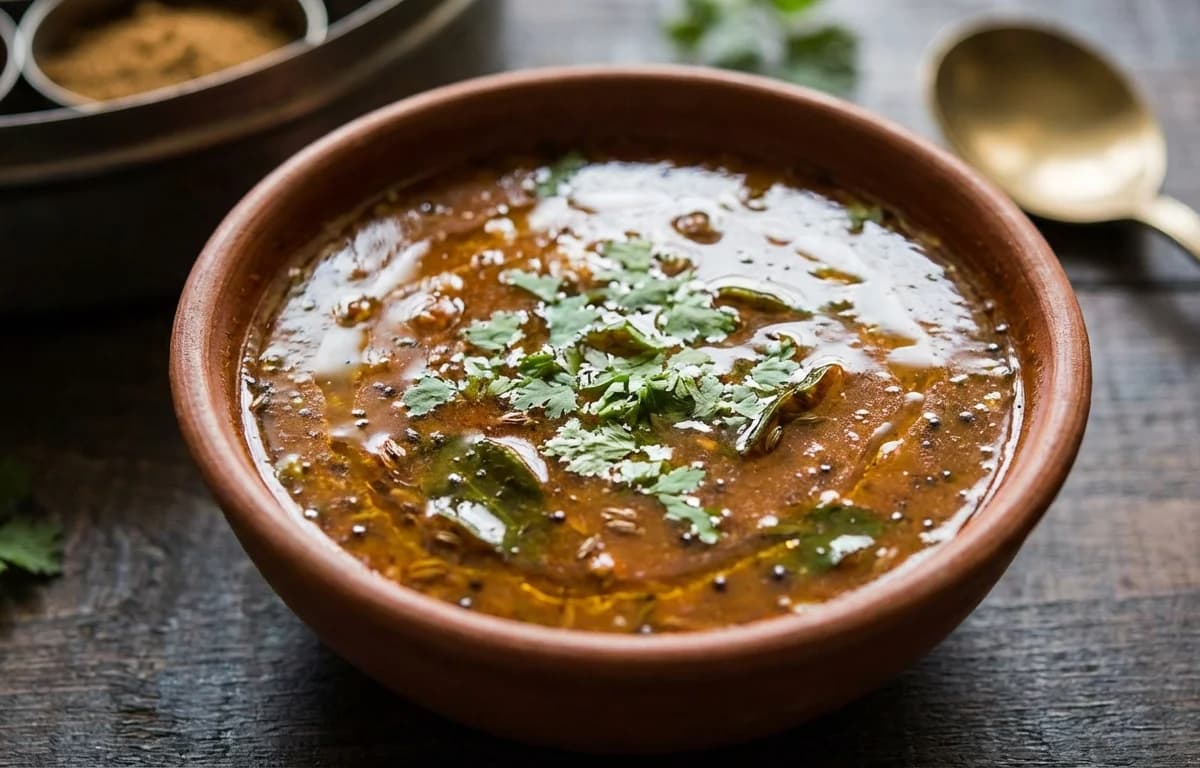
A tangy, sweet, and spicy thin curry from Maharashtra, made with the strained water from cooked chana dal. This flavorful amti is the perfect companion to Puran Poli or steamed rice.
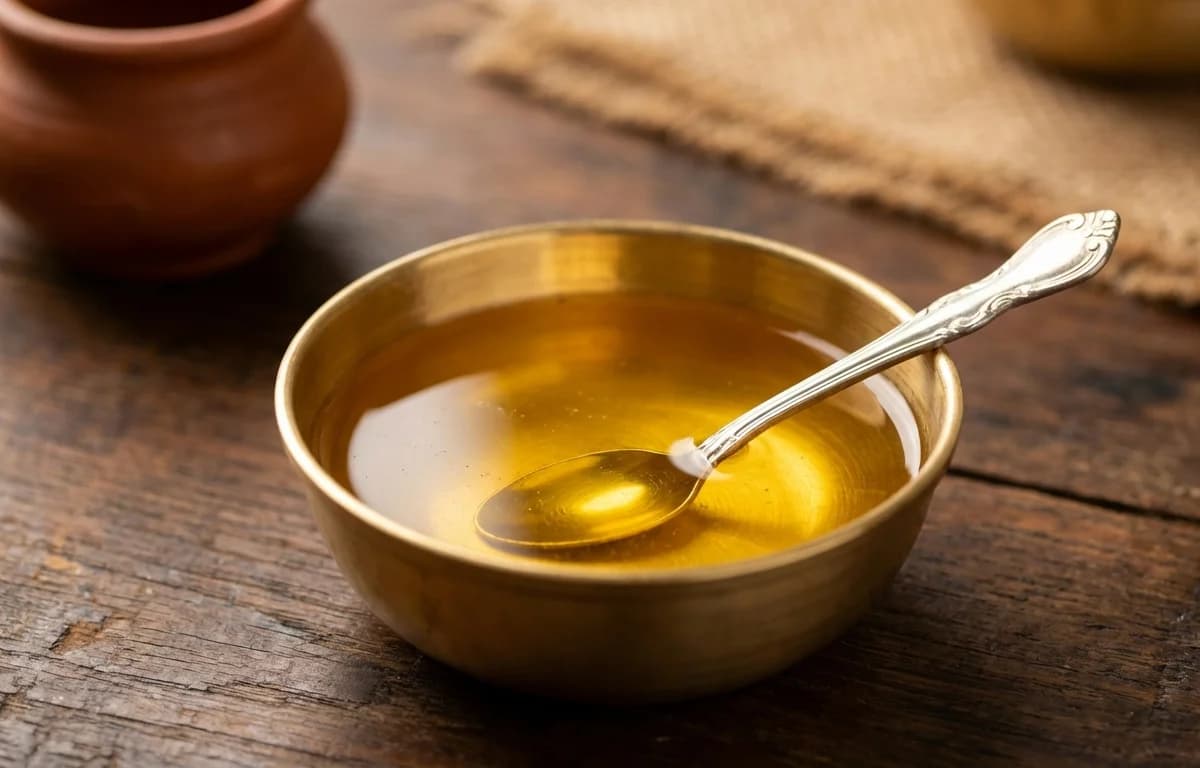
Aromatic and nutty clarified butter, a staple in Indian cooking. Making ghee at home is simple, rewarding, and results in a pure, flavorful cooking fat perfect for sautéing, frying, and tempering.
Prep5 min
Cook25 min
Servings24
Serving size: 1 serving
About Puran Poli, Katachi Amti and Ghee
Melt-in-mouth Puran Poli with aromatic Katachi Amti and ghee – a soul-satisfying, mom's recipe style delight!
This maharashtrian dish is perfect for lunch. With 1239.78 calories and 28.8g of protein per serving, it's a nutritious choice for your meal plan.
Other Cuisines to Explore
Discover authentic meals from cuisines around the world.
Rinse the chana dal thoroughly under running water. Soak it in ample water for 3-4 hours.
Drain the soaking water. Transfer the dal to a pressure cooker and add 3 cups of fresh water.
Pressure cook on medium heat for 4-5 whistles, or until the dal is very soft and easily mashed with a finger.
Once the pressure settles, open the cooker. Drain the dal completely using a fine-mesh sieve. It's crucial that the dal is as dry as possible.
2
Prepare the Puran (Filling)
In a heavy-bottomed pan, combine the cooked, drained dal and the grated jaggery. Cook on low-medium heat.
Stir continuously as the jaggery melts. The mixture will become liquidy at first. Continue cooking for 15-20 minutes.
The mixture is ready when it thickens considerably, pulls away from the sides of the pan, and a spoon inserted in the center stands upright. This is the 'spoon test'.
Turn off the heat. Stir in the cardamom powder, nutmeg powder, dry ginger powder, and 1 tsp of ghee. Mix well.
Allow the puran mixture to cool down completely to room temperature.
Once cooled, grind the mixture into a very fine, smooth paste using a food processor or a traditional 'puran yantra'. This step is vital for a non-grainy texture.
3
Knead the Dough
In a large bowl, whisk together the atta, maida, turmeric powder, and salt.
Add 2 tbsp of ghee and rub it into the flour mixture with your fingertips until it resembles breadcrumbs.
Gradually add warm water and knead for 8-10 minutes to form a very soft, smooth, and pliable dough. It should be softer than regular chapati dough.
Cover the dough with a damp cloth and let it rest for at least 30-45 minutes.
4
Assemble and Roll the Puran Poli
After resting, knead the dough again for a minute. Divide the dough and the puran filling into 12 equal-sized balls each.
Take a ball of dough, dust it with rice flour, and use your fingers to flatten it into a 3-inch cup or disc.
Place a ball of puran filling in the center.
Gently pull the edges of the dough up and around the filling, pinching them together at the top to seal it completely. Remove any excess dough from the pinched seal.
Flatten the stuffed ball gently with your palm. Dust generously with rice flour on both sides.
Using very light and even pressure, roll the ball into a thin, 6-7 inch circle. Rotate the poli frequently to ensure even rolling and prevent sticking.
5
Cook the Puran Poli
Heat a tawa (griddle) on medium heat. The tawa should be hot but not smoking.
Carefully lift the rolled poli and place it on the hot tawa.
Cook for about 45-60 seconds until small bubbles appear on the surface.
Flip the poli. Drizzle about 1 tsp of ghee on the top surface. Cook the second side for another 45-60 seconds until golden-brown spots appear.
Flip again. The poli should start to puff up. Gently press the edges with a spatula to encourage it to puff up fully like a balloon.
Drizzle ghee on the other side, cook for a final 20-30 seconds, and then remove from the tawa.
Repeat for all remaining polis, stacking them with parchment paper in between or in a cloth-lined container to keep them soft.
6
Serve
Serve Puran Poli warm, generously smeared with more ghee. It pairs wonderfully with warm milk, yogurt, or a savory lentil curry called Katachi Amti.
Serving size: 1 serving
363cal
12gprotein
49gcarbs
15gfat
Ingredients
1 cup Chana Dal (bengal gram lentils)
4 cup Water (for cooking the dal)
0.5 tsp Turmeric Powder (divided use)
2 tbsp Ghee
1 tsp Mustard Seeds
1 tsp Cumin Seeds
0.25 tsp Hing (asafoetida)
10 leaves Curry Leaves
0.25 cup Fresh Coconut (grated)
1 inch Ginger (roughly chopped)
5 cloves Garlic
2 pcs Green Chili (adjust to taste)
1.5 tsp Goda Masala (adjust to taste)
0.5 tsp Red Chili Powder (adjust for heat)
1.5 tbsp Tamarind Pulp (from a small lemon-sized ball of tamarind)
1.5 tbsp Jaggery (grated or powdered, adjust to taste)
1 tsp Salt (to taste)
2 tbsp Coriander Leaves (finely chopped, for garnish)
Instructions
1
Cook the Dal and Extract the 'Kat'
Wash the chana dal thoroughly. In a pressure cooker, combine the dal, 4 cups of water, and 1/4 tsp of turmeric powder.
Pressure cook on medium heat for 4-5 whistles, or until the dal is very soft and mushy. This should take about 15 minutes.
Let the pressure release naturally. Open the cooker and carefully strain the entire contents through a fine-mesh sieve into a large bowl.
The strained liquid is the 'kat' – the base for our amti. The cooked dal left in the sieve is used to make Puran for Puran Poli. Set both aside.
2
Prepare the Coconut Spice Paste
In a small grinder or blender, add the grated fresh coconut, chopped ginger, garlic cloves, and green chilies.
Add 2 tablespoons of water and grind to a very smooth paste. Set aside.
3
Temper and Sauté
Heat ghee in a deep pan or kadai over medium heat. Once hot, add the mustard seeds and let them splutter.
Add the cumin seeds, hing, and curry leaves. Sauté for about 30 seconds until the curry leaves are crisp and aromatic.
1 lb Unsalted Butter (High-quality, grass-fed butter will yield the most flavorful and nutritious ghee.)
Instructions
1
Melt the Butter
Cut the unsalted butter into 1-inch cubes to ensure even melting.
Place the butter cubes in a heavy-bottomed, medium-sized saucepan or pot.
Heat the pot over medium-low heat. Allow the butter to melt completely without stirring, which should take about 5-7 minutes.
2
Simmer and Clarify
Once melted, increase the heat slightly to a medium-low simmer. The butter will go through several stages.
First, it will come to a boil and a layer of white foam (milk solids) will form on top. Let it simmer gently.
After 10-15 minutes, the foam will start to thin, the bubbling will become finer, and the liquid will turn more transparent.
Continue simmering. The milk solids will begin to sink to the bottom and turn a golden-brown color. The bubbling will become very quiet, and the liquid will be clear and golden. This process takes about 10 more minutes.
The key indicator that the ghee is ready is a distinct nutty, popcorn-like aroma. Be very watchful at this stage to prevent the solids from burning.
3
Strain the Ghee
Immediately remove the pot from the heat once the milk solids are golden brown and the aroma is nutty.
Let the ghee cool in the pot for about 5-10 minutes to reduce the risk of burns.
Line a fine-mesh sieve with 2-3 layers of cheesecloth and place it over a clean, completely dry, heatproof glass jar.
Carefully and slowly pour the hot ghee through the cheesecloth-lined sieve, leaving the browned milk solids behind in the pot.
4
Cool and Store
Allow the strained ghee to cool completely to room temperature in the jar, uncovered. As it cools, it will solidify and become opaque.
Once fully cooled and solidified, seal the jar with an airtight lid.
Store the ghee in a cool, dark pantry for up to 3 months, or in the refrigerator for up to a year.
Add the ground coconut paste to the pan. Sauté on low-medium heat for 3-4 minutes, stirring continuously, until the paste is fragrant and the raw smell disappears.
Lower the heat and add the goda masala, red chili powder, and the remaining 1/4 tsp of turmeric powder. Stir for 20-30 seconds, being careful not to burn the spices.
4
Simmer the Amti
Immediately pour the reserved dal water (kat) into the pan. Whisk well to combine everything without lumps.
Add the tamarind pulp, grated jaggery, and salt. Stir until the jaggery is fully dissolved.
Bring the mixture to a rolling boil, then reduce the heat to low and let it simmer gently for 8-10 minutes. This allows all the flavors to meld together beautifully.
The amti should have a thin, soupy consistency. Adjust salt, jaggery, or tamarind if needed to achieve the perfect balance of sweet, sour, and spicy.
5
Garnish and Serve
Turn off the heat and garnish generously with finely chopped coriander leaves.
Serve the hot Katachi Amti with traditional Puran Poli or steamed basmati rice.