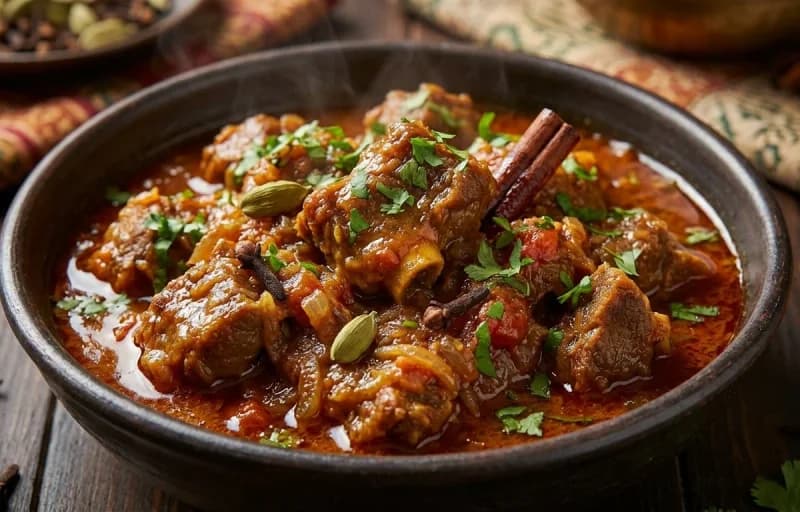
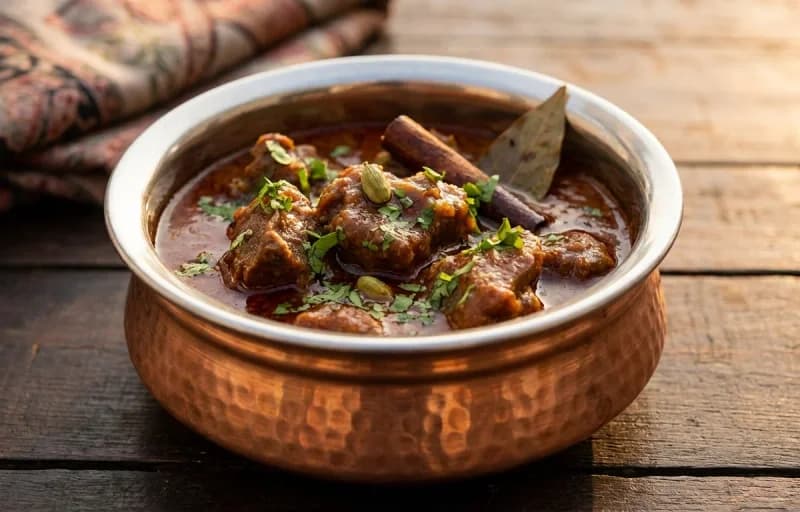
A comforting one-pot Sindhi curry made with mixed vegetables simmered in a flavorful onion and tomato gravy. This hearty, authentic dish is perfect with phulkas or pav for a wholesome meal.
Prep15 min
Cook25 min
Servings4
Serving size: 1 serving
251cal
6gprotein
34gcarbs
12g
Ingredients
2 medium Potato (peeled and cut into 1-inch cubes)
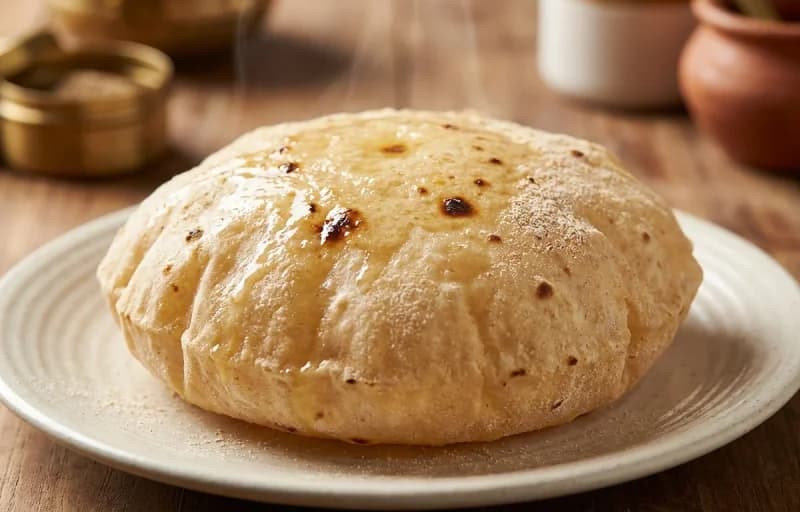
A crisp and flaky flatbread from Sindhi cuisine, loaded with onions, green chilies, and spices. This double-cooked bread is a delightful breakfast or travel food, perfect with yogurt and pickle.
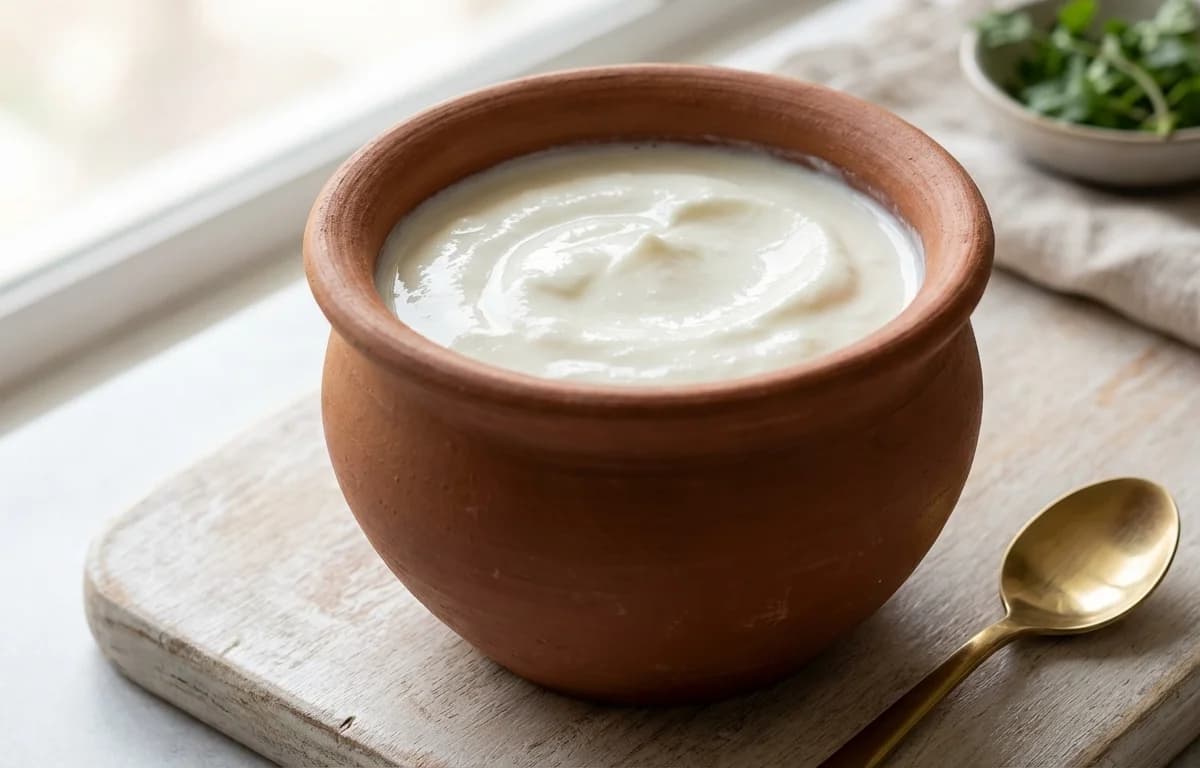
Creamy, tangy, and light homemade curd (dahi), a staple in every Indian household. This simple recipe uses just two ingredients to create a probiotic-rich food perfect for raita, lassi, or enjoying on its own. Note that this recipe requires 6-12 hours of inactive time for fermentation.
Aromatic Seyal Bhaji with Koki and cool curd – a gut-friendly, fiber-rich meal, just like mom's!
This sindhi dish is perfect for lunch. With 864.8000000000001 calories and 24.77g of protein per serving, it's a nutritious choice for your meal plan.
fat
3 tbsp Vegetable Oil
1 tbsp Besan (chickpea flour)
1 tsp Cumin Seeds
0.5 tsp Turmeric Powder
1 tsp Red Chili Powder (adjust to taste)
1.5 tsp Coriander Powder
0.5 tsp Garam Masala
1.25 tsp Salt (or to taste)
1.5 cup Water (as needed)
2 tbsp Coriander Leaves (freshly chopped, for garnish)
Instructions
1
Sauté Aromatics
Heat oil in a 3-liter pressure cooker over medium heat. Once hot, add the cumin seeds and let them splutter for about 30 seconds.
Add the finely chopped onions and sauté for 5-6 minutes, stirring occasionally, until they turn translucent and light golden.
Stir in the ginger-garlic paste and slit green chilies. Cook for another minute until the raw aroma disappears.
2
Build the Masala Base
Lower the heat and add the besan (chickpea flour). Roast for 1-2 minutes, stirring continuously, until it becomes fragrant and slightly changes color. Be careful not to burn it.
Add the tomato puree along with the spice powders: turmeric, red chili powder, and coriander powder. Mix everything thoroughly.
Cook this masala mixture for 4-5 minutes, stirring often, until it thickens and you see oil starting to separate from the sides.
3
Pressure Cook the Vegetables
Add all the chopped vegetables (potatoes, cauliflower, carrots, peas, beans) and salt to the cooker.
Sauté for 2-3 minutes, gently mixing to coat all the vegetables evenly with the prepared masala.
Pour in 1.5 cups of water and give it a final stir. The water should just partially cover the vegetables.
Secure the lid of the pressure cooker. Cook on medium-high heat for 2 whistles (approximately 8-10 minutes).
After 2 whistles, turn off the heat and allow the pressure to release naturally. This prevents the vegetables from getting mushy.
4
Garnish and Serve
Once the pressure has fully released, carefully open the cooker lid.
Sprinkle the garam masala and freshly chopped coriander leaves over the bhaji.
Gently stir to combine. Check for seasoning and add more salt if needed.
Serve hot with phulkas, roti, pav (bread rolls), or steamed rice.
450cal
10gprotein
51gcarbs
25gfat
Ingredients
2 cup Atta
2 tbsp Besan (Adds crispness)
1 medium Onion (finely chopped)
2 piece Green Chili (finely chopped, adjust to taste)
3 tbsp Coriander Leaves (chopped)
1 tbsp Anardana Powder (coarsely ground)
1 tsp Cumin Seeds
0.5 tsp Ajwain
0.5 tsp Red Chili Powder (adjust to taste)
0.25 tsp Turmeric Powder
1.5 tsp Salt (or to taste)
7 tbsp Ghee (3 tbsp for the dough (moyan) and 4 tbsp for cooking)
0.75 cup Water (approximately, for kneading a stiff dough)
Instructions
1
Prepare the Dough
In a large mixing bowl, combine the atta, besan, salt, red chili powder, turmeric powder, cumin seeds, ajwain, and anardana powder. Mix the dry ingredients thoroughly.
Add the finely chopped onion, green chilies, and coriander leaves. Mix well to distribute them evenly.
Add 3 tablespoons of ghee to the flour mixture. Using your fingertips, rub the ghee into the flour until it resembles coarse breadcrumbs. This step, called 'moyan', is crucial for a flaky texture.
Gradually add water, a little at a time, and knead to form a stiff and tight dough. Avoid making the dough soft, as it will be difficult to handle.
Cover the dough with a damp cloth and let it rest for 15-20 minutes.
2
Shape and First Roast
After resting, knead the dough once more. Divide it into 8 equal portions and roll them into smooth balls.
Take one ball, flatten it slightly, and roll it into a thick circle about 4-5 inches in diameter and 1/4 inch thick.
Heat a tawa (griddle) over medium heat. Place the rolled koki on the hot tawa without any ghee.
Cook for about 1 minute on each side until it's partially cooked and has a few light brown spots. This is the first 'kaccha' roast.
1 litre Whole Milk (Full-fat milk yields the thickest, creamiest curd. You can use low-fat milk, but the result will be less thick.)
1 tbsp Yogurt Starter (Must contain live active cultures. Ensure the starter is fresh and not sour for the best results.)
Instructions
1
Boil the Milk
Pour the milk into a heavy-bottomed pot or saucepan.
Bring the milk to a rolling boil over medium heat, then reduce the heat to low. Let it simmer for 5-7 minutes, stirring occasionally to prevent a skin from forming and to avoid scorching at the bottom. This process helps thicken the milk slightly, resulting in a creamier curd.
2
Cool to Lukewarm Temperature
Turn off the heat and allow the milk to cool down until it is lukewarm. The ideal temperature is between 40-45°C (105-115°F).
To test without a thermometer, dip a clean finger into the milk. You should be able to hold it in for about 10 seconds without it feeling uncomfortably hot. If it's too hot, it will kill the bacteria; if it's too cold, the curd won't set.
3
Inoculate with Starter
In a small bowl, whisk the yogurt starter until it is smooth and lump-free.
Add 2-3 tablespoons of the warm milk to the starter and mix well. This process, called tempering, helps the culture mix evenly without curdling.
Pour this tempered starter mixture back into the pot of milk and stir gently just a few times to combine everything thoroughly.
4
Ferment and Set the Curd
Pour the inoculated milk into the container you wish to set the curd in (earthenware, glass, or steel containers work well).
Cover the container with a lid and place it in a warm, draft-free spot to ferment. An oven (turned off) with the light on, a warm cupboard, or an Instant Pot on the 'Yogurt' setting are great options.
Let it sit undisturbed for 6 to 12 hours. The time will vary based on the climate; warmer weather requires less time (6-8 hours), while colder weather may take longer (10-12 hours).
5
Chill and Serve
Once the curd is set (it should be firm and not jiggle like a liquid), carefully transfer it to the refrigerator without disturbing it.
Chill for at least 3-4 hours. This crucial step stops the fermentation process (preventing it from becoming too sour) and helps the curd to thicken and set further.
Serve chilled as a side dish, or use it as a base for raita, lassi, or marinades.