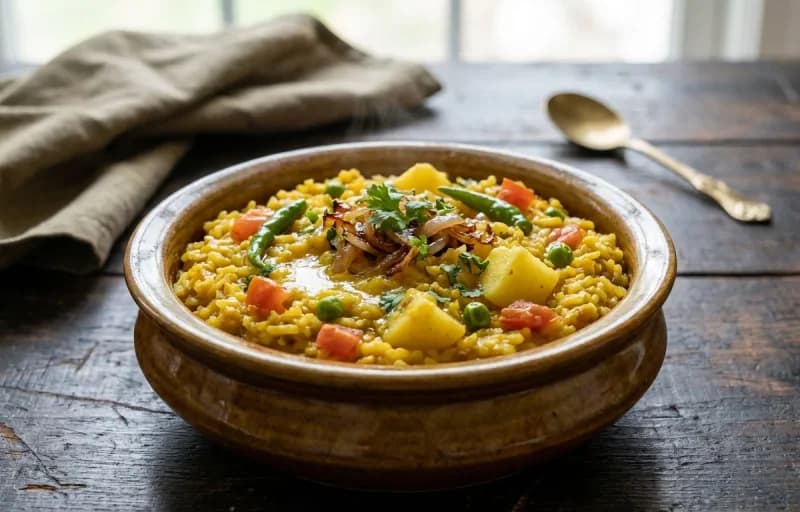
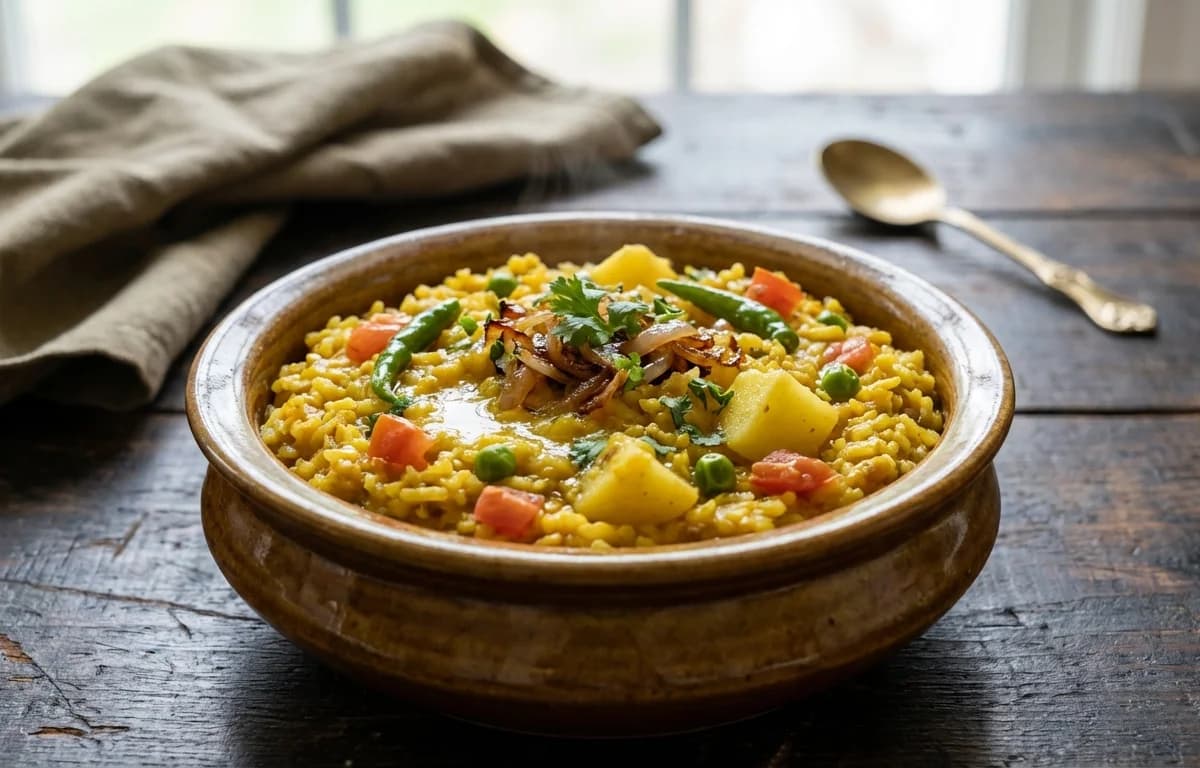
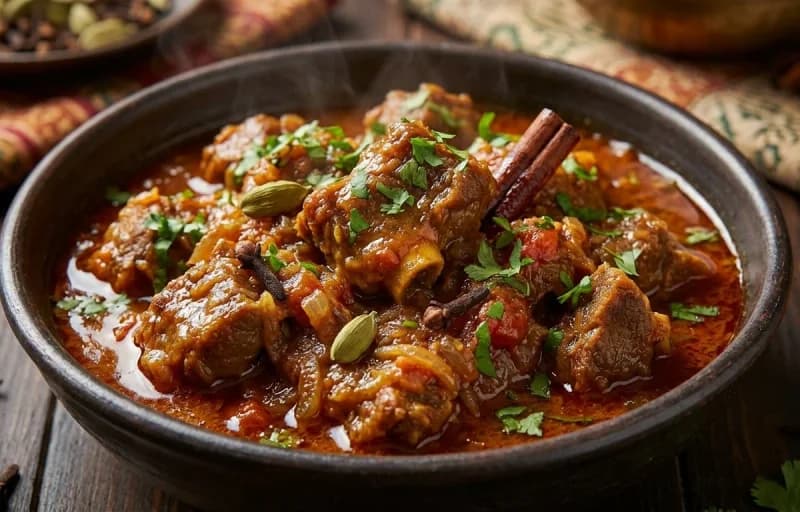
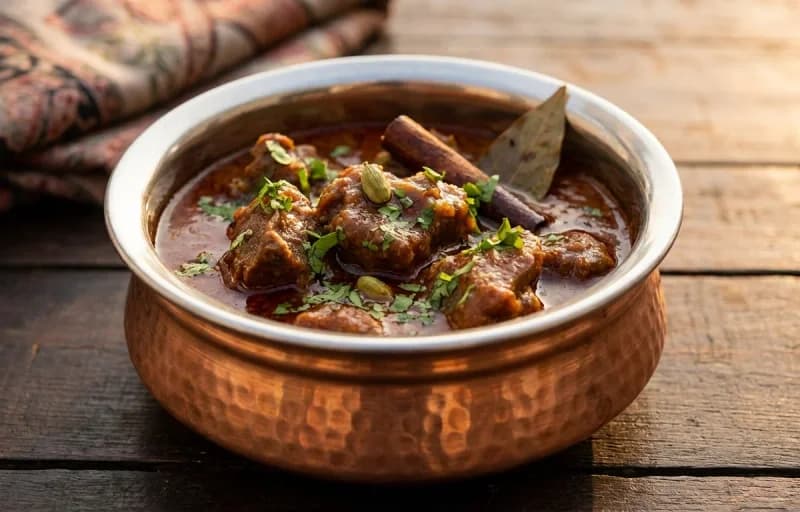
A unique and aromatic one-pot meal where rice and moong dal are roasted to a golden-brown perfection, lending a wonderfully nutty flavor. This comforting dish is a staple in Sindhi households, perfect for a wholesome lunch or dinner.
Prep15 min
Cook30 min
Soak30 min
Servings4
Serving size: 1 serving
507cal
18gprotein
84gcarbs
Ingredients
1 cup Basmati Rice (Aged basmati rice is preferred for best texture)
1 cup Moong Dal (Split and skinned yellow lentils)
3 tbsp Ghee
1 tsp Cumin Seeds
0.25 tsp Hing (Asafoetida)
1 medium Onion (Finely chopped)
1 inch Ginger (Grated or finely chopped)
2 pcs Green Chili (Slit lengthwise, adjust to taste)
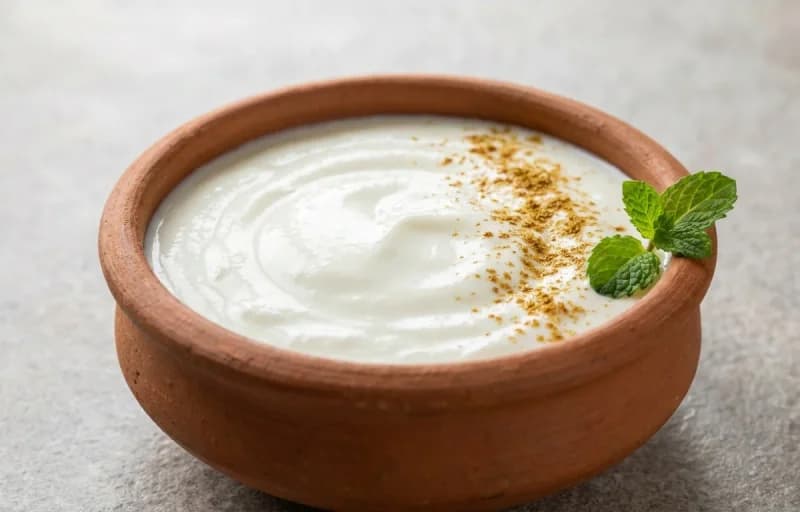
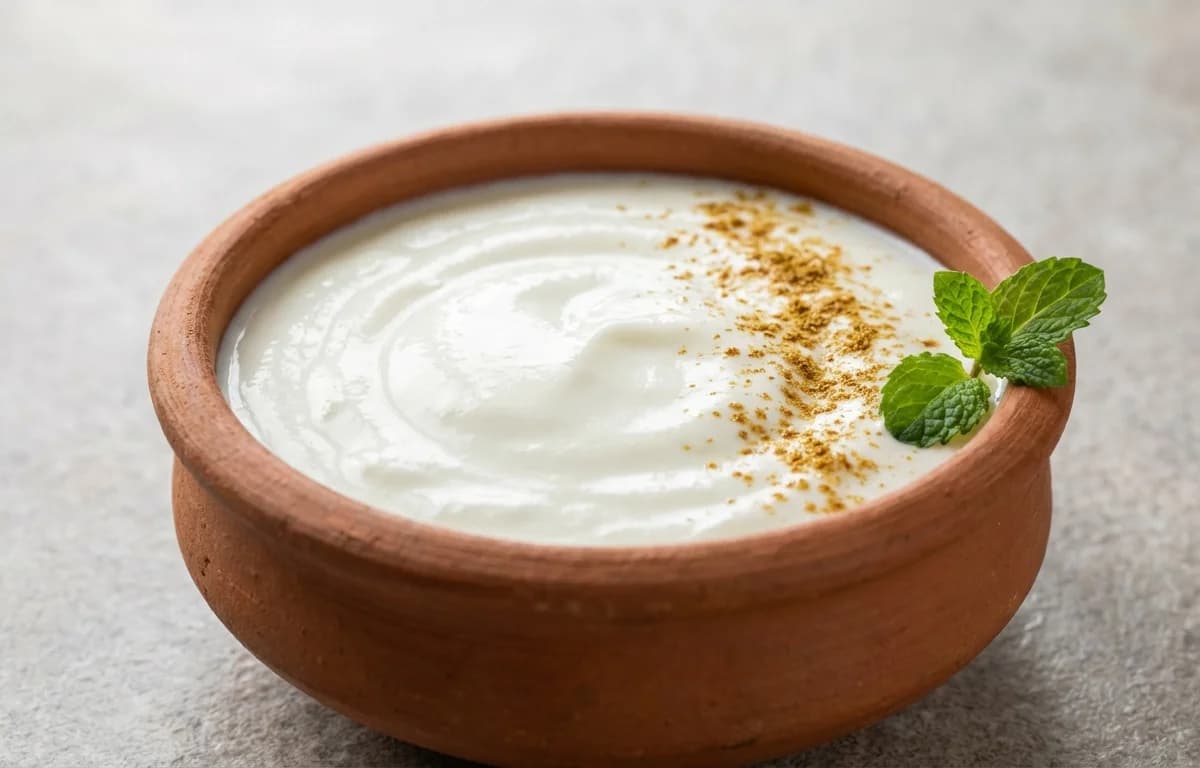
Creamy, tangy, and rich homemade yogurt, a staple in every Indian household. This simple recipe uses just two ingredients to create perfect, thick dahi every time, ideal for raitas, curries, or enjoying plain.
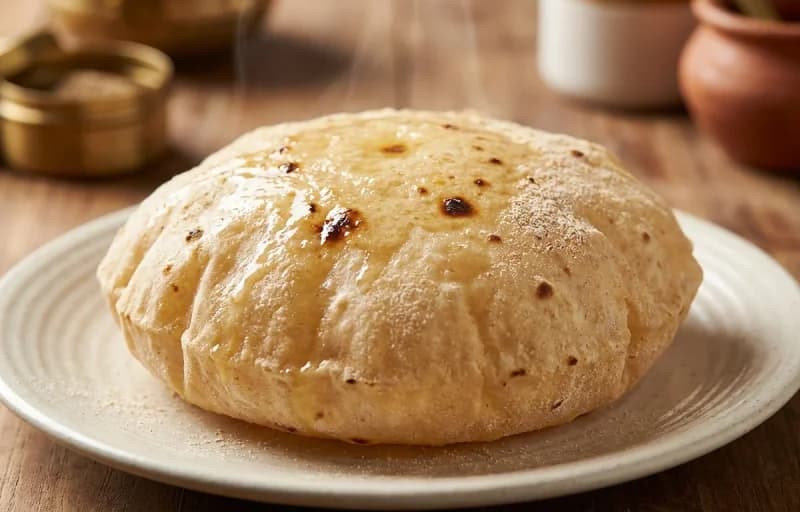
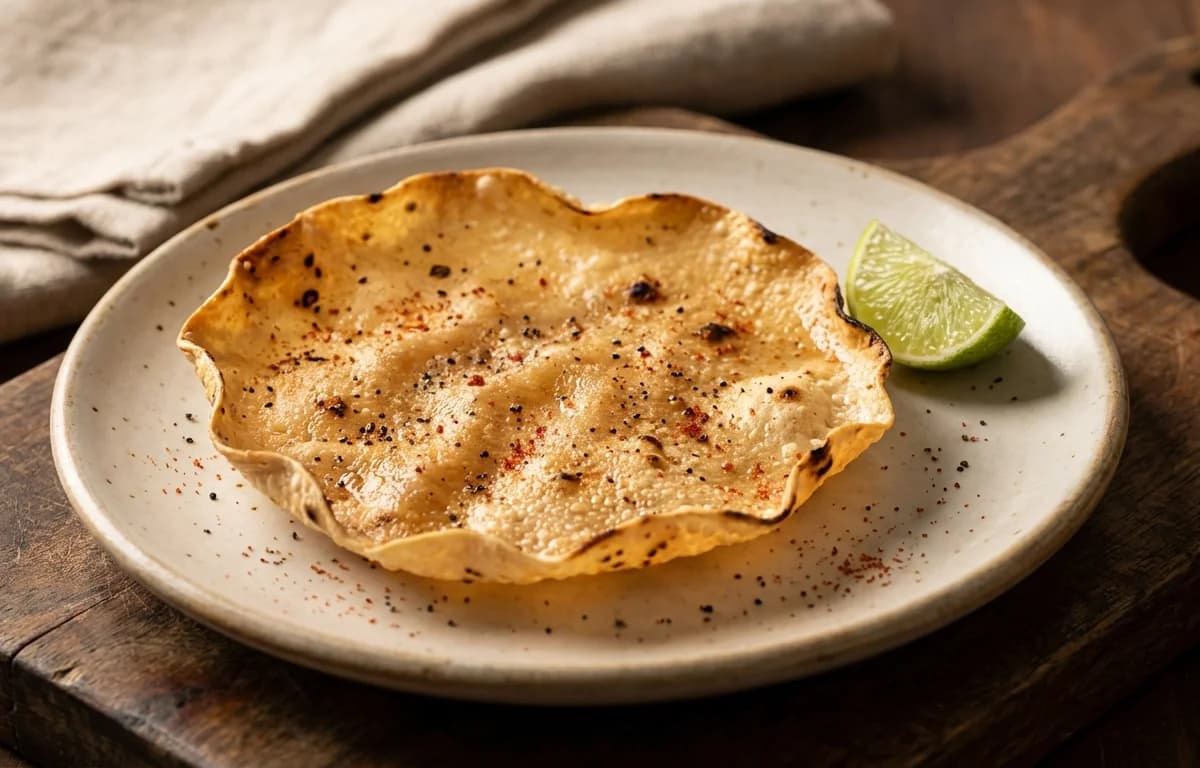
A classic Indian accompaniment, these lentil crisps are roasted directly over a flame until blistered and smoky. Ready in seconds, it's the perfect crunchy side for any dal, rice, or curry meal.
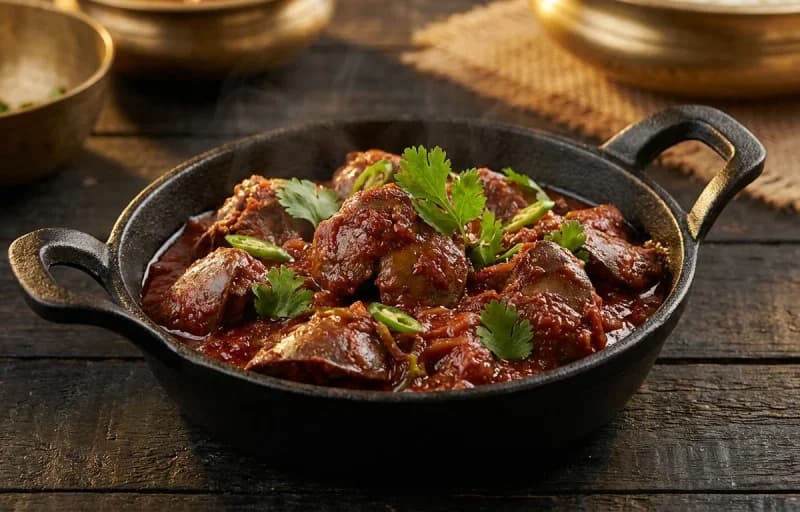
Soul-satisfying Sindhi Khichdi with cool dahi and crispy papad – the ultimate gut-friendly comfort!
This sindhi dish is perfect for dinner. With 766.8799999999999 calories and 33.3g of protein per serving, it's a muscle-gain option for your meal plan.
11gfat
1 medium Potato (Peeled and cut into 1-inch cubes)
0.5 cup Green Peas (Fresh or frozen)
0.5 tsp Turmeric Powder
0.5 tsp Red Chili Powder (Adjust to your spice preference)
1 tsp Coriander Powder
1.5 tsp Salt (Or to taste)
6 cups Water (Use a 1:3 ratio of dal-rice mixture to water)
2 tbsp Coriander Leaves (Freshly chopped, for garnish)
Instructions
1
Preparation: Wash the basmati rice and moong dal together under running water 3-4 times until the water runs clear. Drain all the water completely using a sieve. Set aside. There is no need to soak for this recipe.
2
Roast the Dal and Rice: Heat a pressure cooker on medium-low heat. Add the drained rice and dal mixture. Dry roast, stirring continuously, for about 6-8 minutes. The grains will become aromatic, change to a light golden-brown color, and feel completely dry. This step is crucial for the nutty flavor. Once roasted, transfer the mixture to a plate and set aside.
3
Sauté Aromatics and Vegetables: In the same pressure cooker, heat the ghee over medium heat. Add the cumin seeds and let them splutter for 30 seconds. Add the hing, followed by the chopped onion. Sauté for 3-4 minutes until the onions turn soft and translucent. Add the grated ginger and slit green chilies, and cook for another minute until fragrant.
4
Cook Vegetables and Spices: Add the chopped tomatoes and cook for 2-3 minutes until they soften. Now, add the cubed potatoes and green peas. Stir in the turmeric powder, red chili powder, coriander powder, and salt. Mix everything well and cook the masala for 2 minutes, stirring occasionally.
5
Combine and Pressure Cook: Return the roasted rice and dal mixture to the cooker. Gently stir for a minute to coat the grains with the masala. Pour in 6 cups of water and give it a final, good mix. Check for salt and adjust if necessary.
6
Pressure Cook and Rest: Secure the lid of the pressure cooker. Cook on medium-high heat for 4-5 whistles (approximately 12-15 minutes). After the last whistle, turn off the heat and allow the pressure to release naturally. This takes about 10-15 minutes and is important for perfectly cooked grains.
7
Garnish and Serve: Once the pressure has settled completely, open the lid. Gently fluff the khichdi with a fork to separate the grains. Garnish with freshly chopped coriander leaves. Serve hot with a dollop of ghee, plain yogurt (curd), roasted papad, and your favorite pickle.
4
Serving size: 1 serving
163cal
9gprotein
13gcarbs
9gfat
Ingredients
1 L Full-Fat Milk (Whole milk provides the creamiest texture. Avoid UHT milk as it may not set well.)
2 tbsp Plain Yogurt (Use a good quality, live culture yogurt as a starter. Ensure it's at room temperature.)
Instructions
1
Boil and Thicken Milk
Pour the milk into a heavy-bottomed saucepan. Bring it to a rolling boil over medium heat, watching carefully to prevent it from boiling over.
Once boiling, reduce the heat to low and let it simmer for 5-7 minutes. Stir occasionally to prevent a skin from forming and to stop it from scorching at the bottom. This step helps thicken the milk, resulting in creamier dahi.
2
Cool Milk to the Right Temperature
Remove the pan from the heat and allow the milk to cool down until it is lukewarm. The ideal temperature is between 40-45°C (105-115°F).
To test without a thermometer, dip a clean finger into the milk. It should feel comfortably warm, not hot. You should be able to hold your finger in for about 10 seconds.
3
Inoculate with Starter
In a small bowl, whisk the starter yogurt (dahi) until it is smooth and lump-free.
Add a few tablespoons of the warm milk to the whisked starter and mix well. This tempers the starter and ensures it mixes evenly without curdling.
Pour this tempered starter mixture into the pot with the rest of the lukewarm milk and stir gently 2-3 times to combine everything.
4
Set the Dahi to Ferment
Transfer the milk mixture into a setting container, such as a clay pot (matka), glass bowl, or steel pot.
Cover the container with a lid and place it in a warm, draft-free place for 6 to 8 hours, or overnight. Do not disturb it during this time.
In colder climates, you can place the container in a preheated (and turned off) oven, a microwave with the light on, or wrap it in a thick towel to maintain warmth.
5
Chill and Serve
After 6-8 hours, check if the dahi is set. It should be firm and not jiggle like a liquid when gently tilted.
Once set, transfer the container to the refrigerator and chill for at least 3-4 hours. Chilling stops the fermentation process (preventing it from becoming too sour) and helps it thicken further.
Serve chilled as a side, use it to make raita, or enjoy it plain.