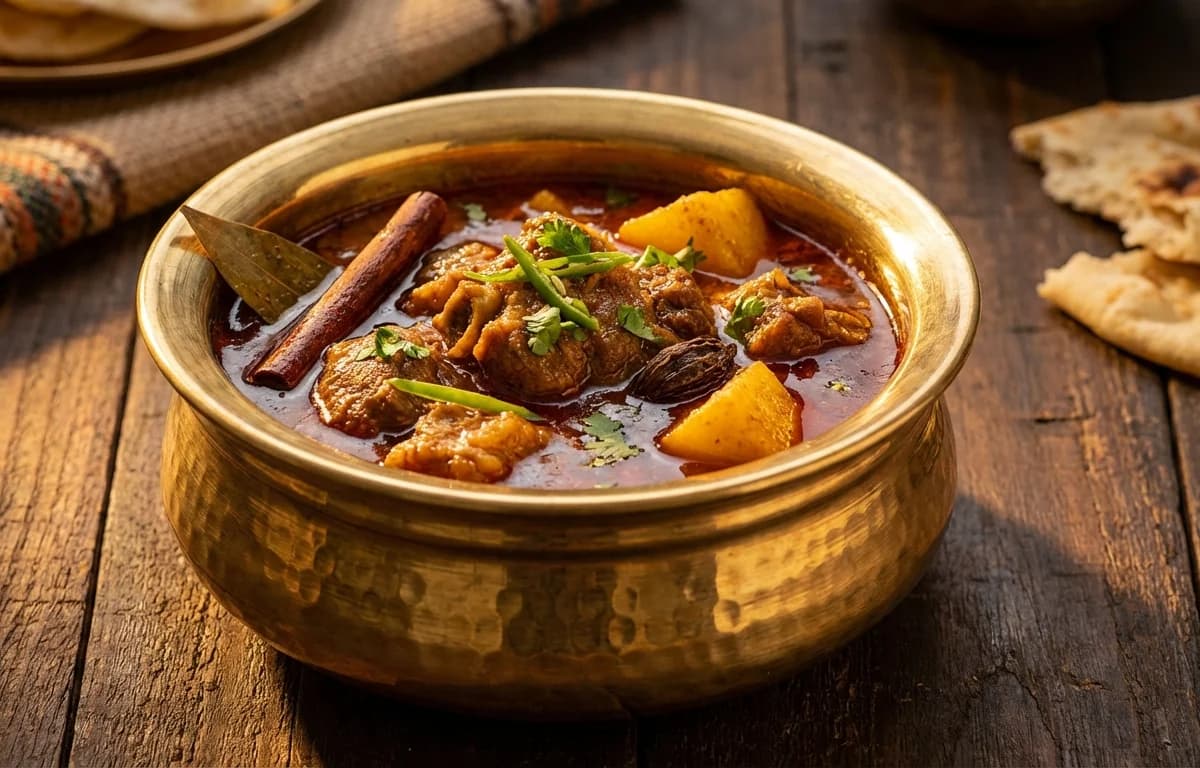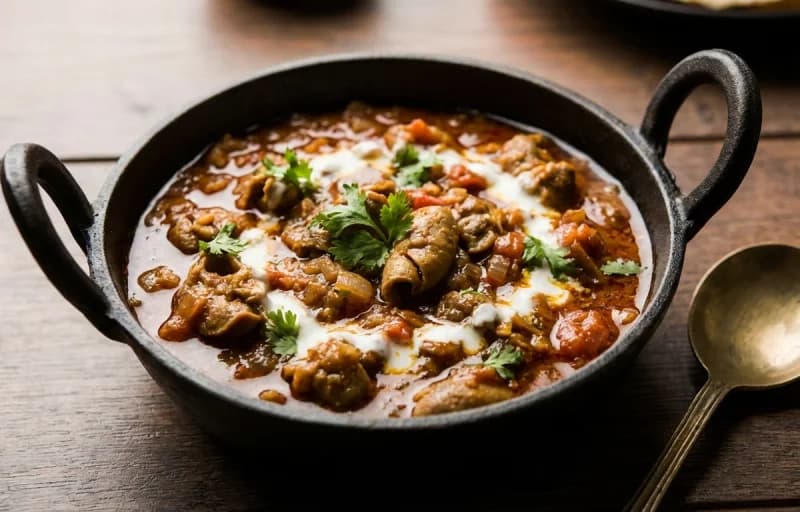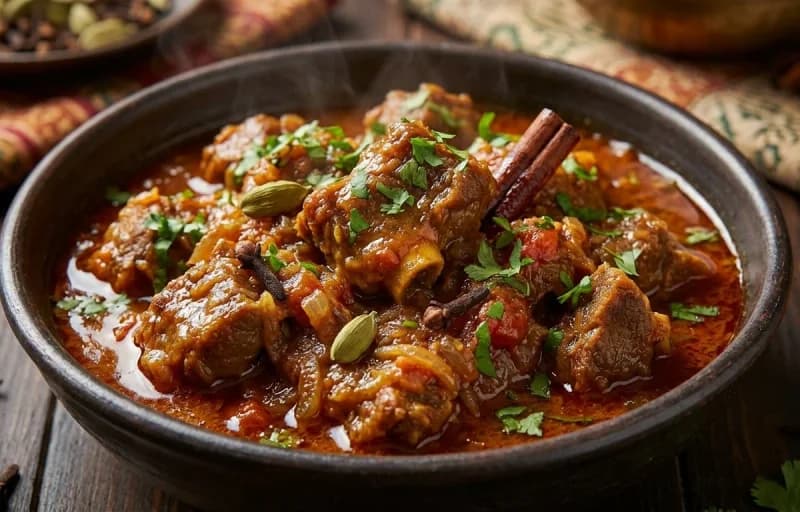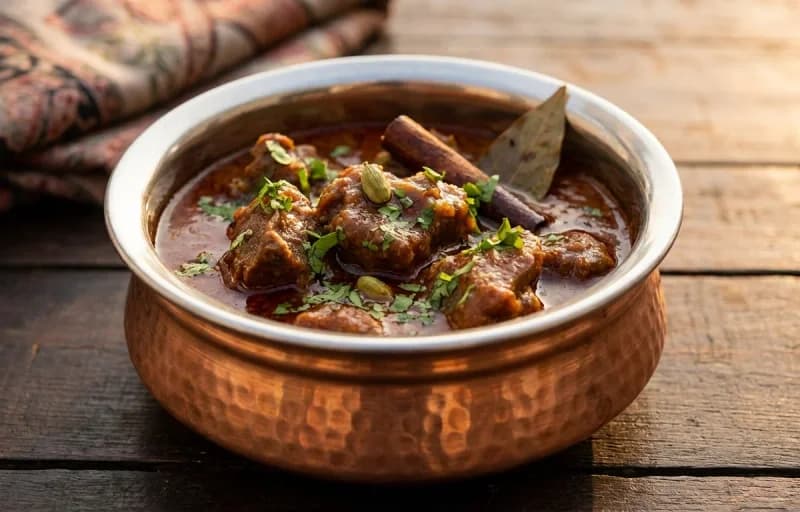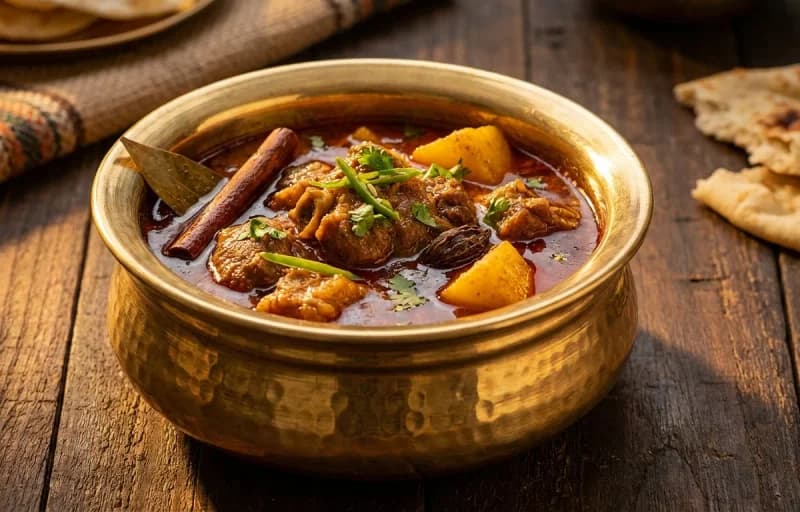
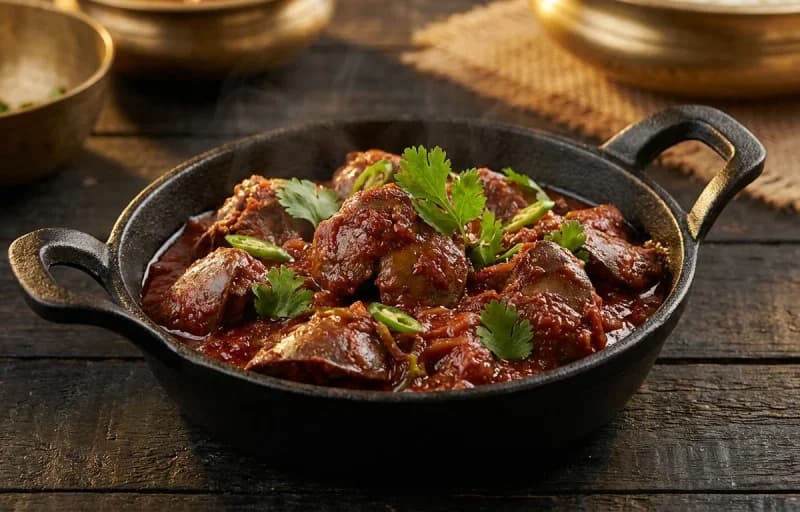
A rich and aromatic goat meat curry from Sindhi cuisine. Tender mutton and soft potatoes are simmered in a flavorful gravy made from deep-fried onions, tomatoes, and yogurt, creating a truly comforting and hearty meal.
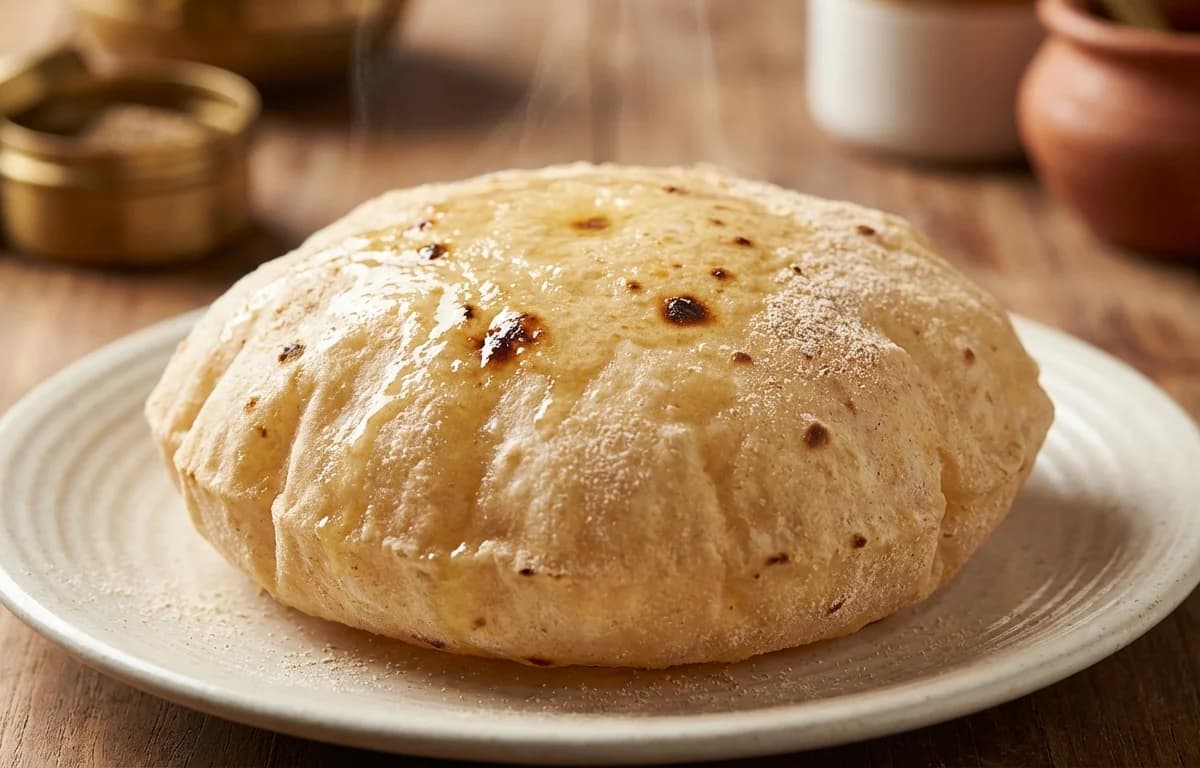
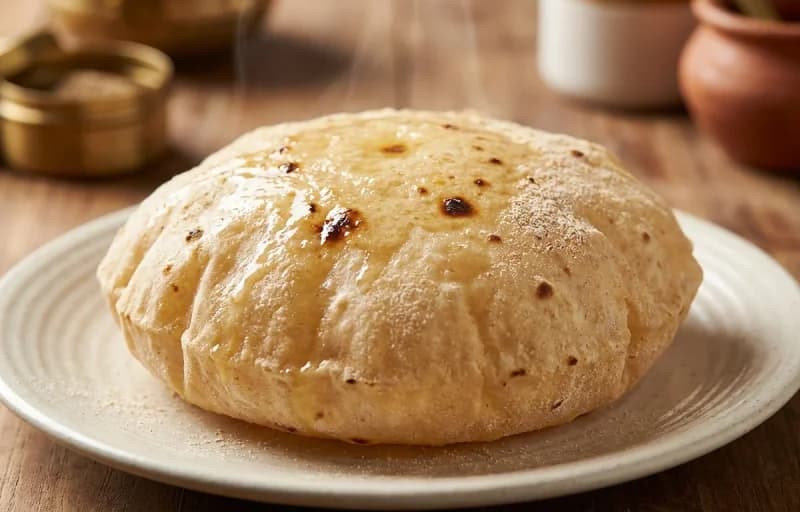
Soft, thin, and light Indian flatbreads made from whole wheat flour. They puff up beautifully on an open flame, making them a perfect, healthy accompaniment to any curry or dal.
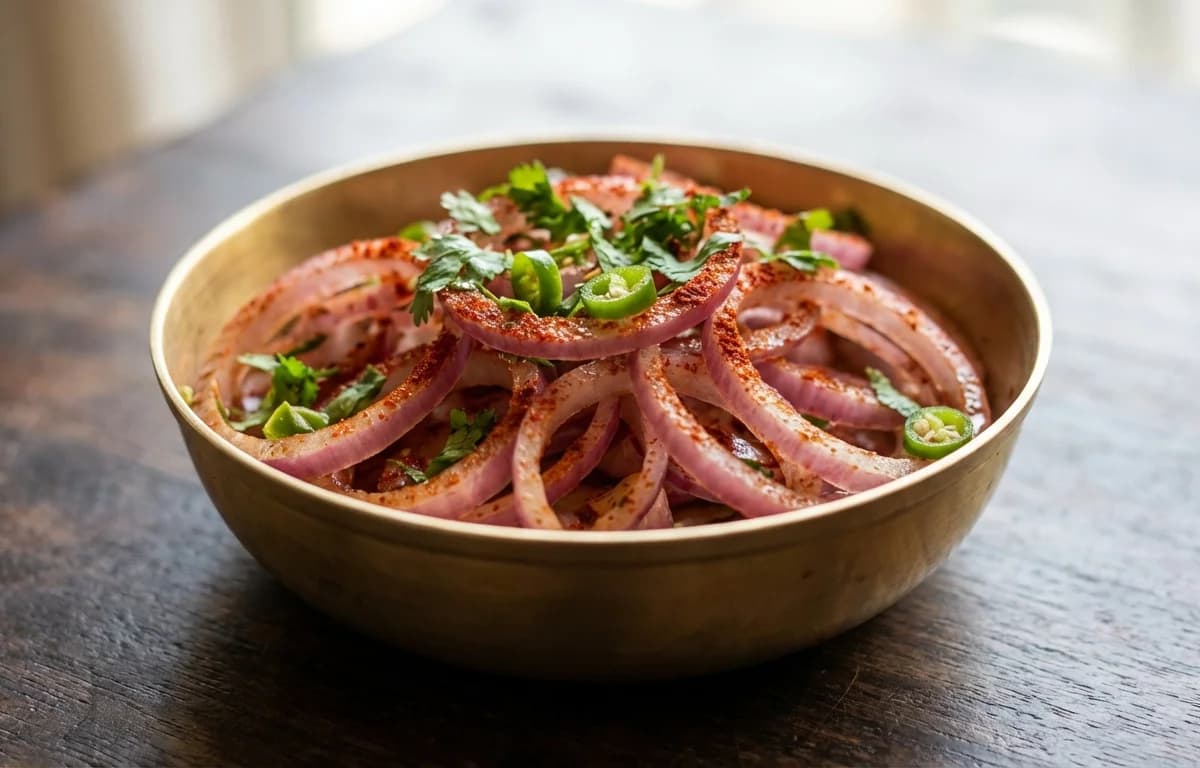
Crisp, tangy rings of onion tossed with fresh lemon juice, herbs, and a hint of spice. This classic Indian side salad, known as Laccha Pyaz, is the perfect refreshing accompaniment to rich curries and grilled kebabs.
This sindhi dish is perfect for lunch or dinner. With 1009.9699999999999 calories and 66.33g of protein per serving, it's a nutritious choice for your meal plan.
fat
2 pods
Black Cardamom
5 whole Cloves
1 inch Cinnamon Stick
1 whole Bay Leaf
0.5 tsp Turmeric Powder
1.5 tsp Red Chilli Powder (Adjust to taste)
2 tsp Coriander Powder
1 tsp Cumin Powder
1 tsp Garam Masala
1.5 tsp Salt (Or to taste)
3 cup Hot Water
3 tbsp Coriander Leaves (Chopped, for garnish)
Instructions
1
Marinate the Mutton
In a large mixing bowl, combine the mutton pieces, whisked curd, ginger-garlic paste, turmeric powder, red chilli powder, and 1 teaspoon of salt.
Using your hands, mix thoroughly to ensure each piece of mutton is evenly coated.
Cover the bowl and let it marinate for at least 30 minutes at room temperature, or up to 4 hours in the refrigerator for deeper flavor.
2
Prepare the Onion Base (Bhuno)
Heat ghee in a heavy-bottomed pressure cooker over medium heat.
Add the thinly sliced onions and fry, stirring frequently, for about 15-20 minutes. Be patient, as this step is crucial for the curry's color and flavor.
Cook until the onions are a uniform deep golden brown, almost reddish, but not burnt. They should be crisp.
Using a slotted spoon, remove half of the fried onions and set them aside on a plate to be used for garnish.
3
Sauté Spices and Mutton
To the remaining onions and ghee in the cooker, add the whole spices: green cardamoms, black cardamoms, cloves, cinnamon stick, and bay leaf. Sauté for 30-40 seconds until they release their aroma.
Add the marinated mutton to the cooker. Increase the heat to medium-high and sauté for 8-10 minutes, stirring occasionally, until the mutton is well-seared and browned on all sides.
Stir in the tomato puree, coriander powder, and cumin powder. Continue to cook (bhuno) for another 5-7 minutes, scraping the bottom of the cooker, until the masala thickens and you see ghee separating at the edges.
4
Pressure Cook the Curry
Add the quartered potatoes, slit green chillies, the remaining 0.5 teaspoon of salt, and 3 cups of hot water. Stir well to combine everything.
Secure the lid of the pressure cooker. Bring to high pressure (the first whistle).
Once high pressure is reached, reduce the heat to low and cook for 25-30 minutes.
Turn off the heat and allow the pressure to release naturally. Do not force release, as this keeps the mutton tender.
5
Finish and Garnish
Once the pressure has completely subsided, carefully open the lid. Check the mutton for tenderness; it should be falling off the bone. If it's still tough, pressure cook for another 10 minutes.
If the gravy is too thin for your liking, simmer the curry without the lid for 5-10 minutes to thicken it.
Stir in the garam masala powder. Taste and adjust the salt if needed.
Garnish with chopped coriander leaves and the reserved crispy fried onions.
Let the curry rest for 10 minutes before serving hot with phulka (roti), naan, or steamed rice.
262cal
8gprotein
44gcarbs
8gfat
Ingredients
2 cup Atta (Also known as whole wheat flour)
0.5 tsp Salt
1 cup Lukewarm Water (Adjust as needed to form a soft, pliable dough)
2 tbsp Ghee (For brushing on top, optional)
Instructions
1
Prepare the Dough
In a large mixing bowl, combine 2 cups of atta and salt.
Gradually add lukewarm water, a little at a time, mixing with your fingers until the flour comes together to form a dough.
Knead the dough on a clean, flat surface for 8-10 minutes, pressing and stretching it with the heel of your hand. The final dough should be soft, smooth, and elastic, not sticky.
2
Rest the Dough
Lightly grease the dough with a few drops of oil or ghee to prevent it from drying out.
Cover the bowl with a damp cloth or a lid and let the dough rest for at least 20-30 minutes. This step is crucial for relaxing the gluten, which results in softer phulkas.
3
Divide and Roll
After resting, knead the dough again for one minute.
Divide the dough into 8 equal-sized portions and roll them into smooth balls.
Take one ball, flatten it between your palms, and dip it into the dry atta for dusting.
Place it on a rolling board (chakla) and roll it out evenly into a thin circle, about 6-7 inches in diameter. Use minimal dry flour for dusting to avoid making the phulka hard.
4
Cook on the Tawa (Griddle)
Heat a tawa over medium-high heat. To check if it's ready, sprinkle a pinch of dry flour; it should turn brown in a few seconds.
Place the rolled phulka on the hot tawa. Cook for about 15-20 seconds until you see small bubbles appear on the surface.
Flip the phulka using tongs and cook the other side for 30-40 seconds until light brown spots appear.
5
Puff on Open Flame
Using tongs, carefully lift the phulka off the tawa and place it directly on a high flame.
Within seconds, the phulka will puff up into a ball due to the trapped steam.
Immediately flip it to cook the other side on the flame for just a second or two. Be careful not to burn it.
6
Finish and Serve
Remove the puffed phulka from the flame. If desired, brush the top with a little ghee.
Place the finished phulka in a casserole or a container lined with a clean kitchen towel. This keeps them soft and warm.
Repeat the rolling, cooking, and puffing process for the remaining dough balls. Serve hot with your favorite dal or curry.