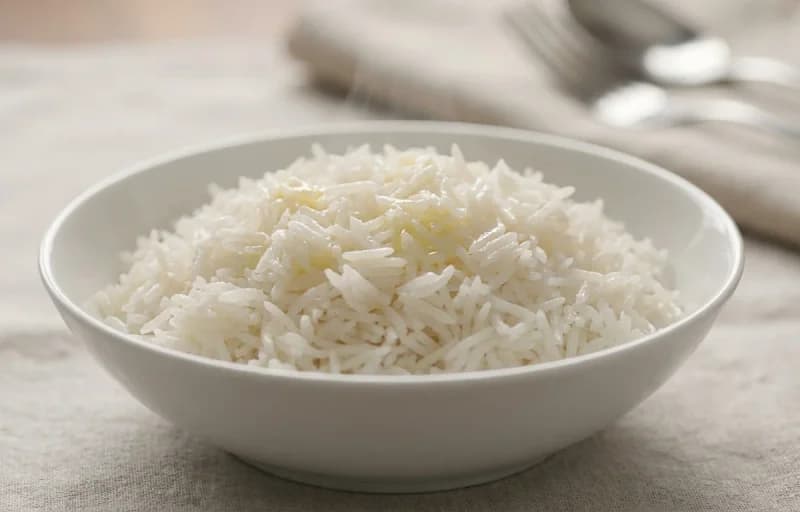
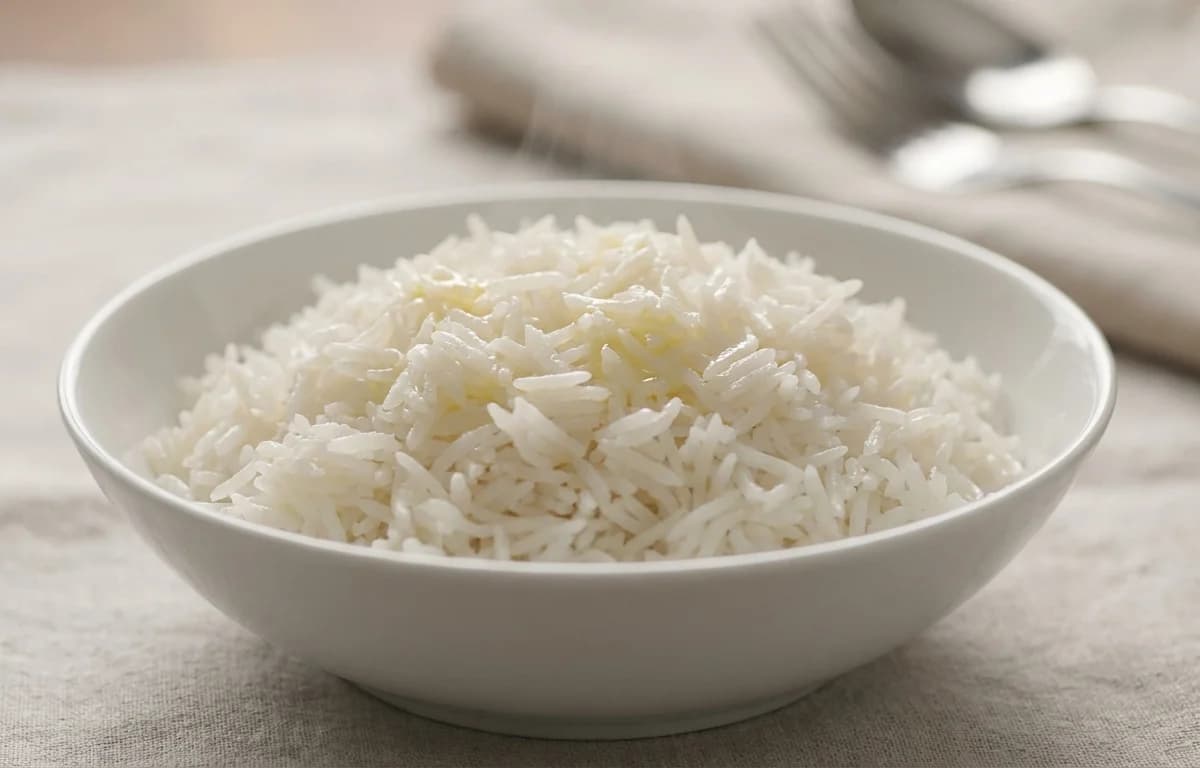
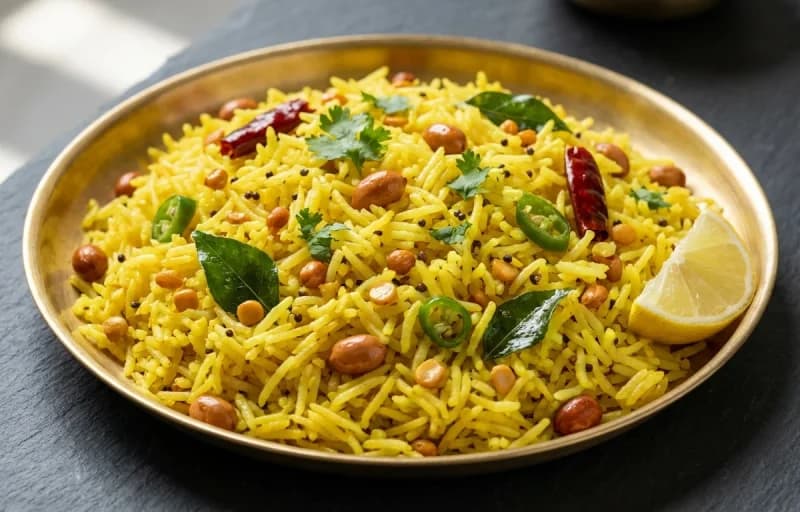
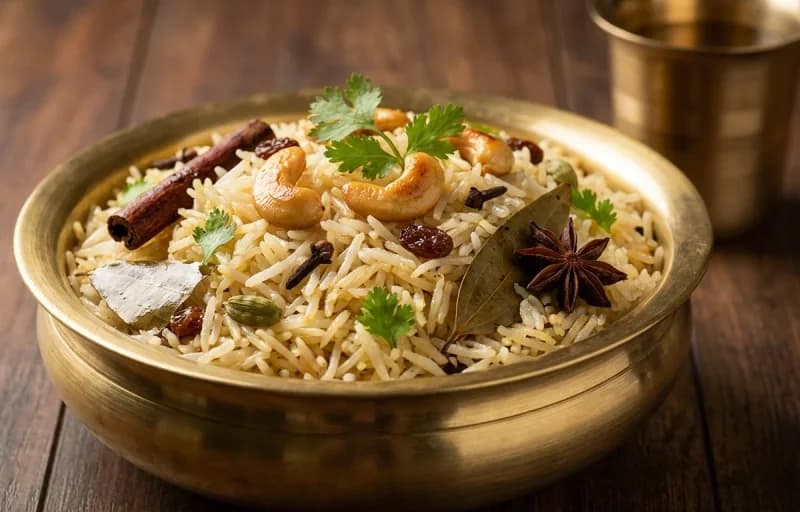
Perfectly fluffy, long-grained basmati rice with a delicate aroma. This simple, foolproof recipe gives you separate, non-sticky grains every time, making it the perfect base for any curry or dal.
Prep35 min
Cook25 min
Soak30 min
Servings4
Serving size: 1 serving
262cal
5gprotein
55gcarbs
Ingredients
1.5 cup Basmati Rice (Use good quality, aged basmati rice for best results)
2.25 cup Water (For the absorption cooking method)
0.75 tsp Salt (Adjust to taste)
1 tsp Ghee (Optional, for flavor and to prevent sticking)
Instructions
1
Rinse and Soak the Rice (35 minutes)
Place the basmati rice in a large bowl. Add cold water and gently swirl the rice with your fingers. Drain the cloudy water. Repeat this process 3-4 times until the water runs mostly clear. This removes excess starch and prevents stickiness.
Cover the rinsed rice with fresh water and let it soak for 30 minutes. Soaking allows the grains to absorb water, ensuring they cook evenly and elongate beautifully.
After 30 minutes, drain the rice completely using a fine-mesh sieve and set aside.
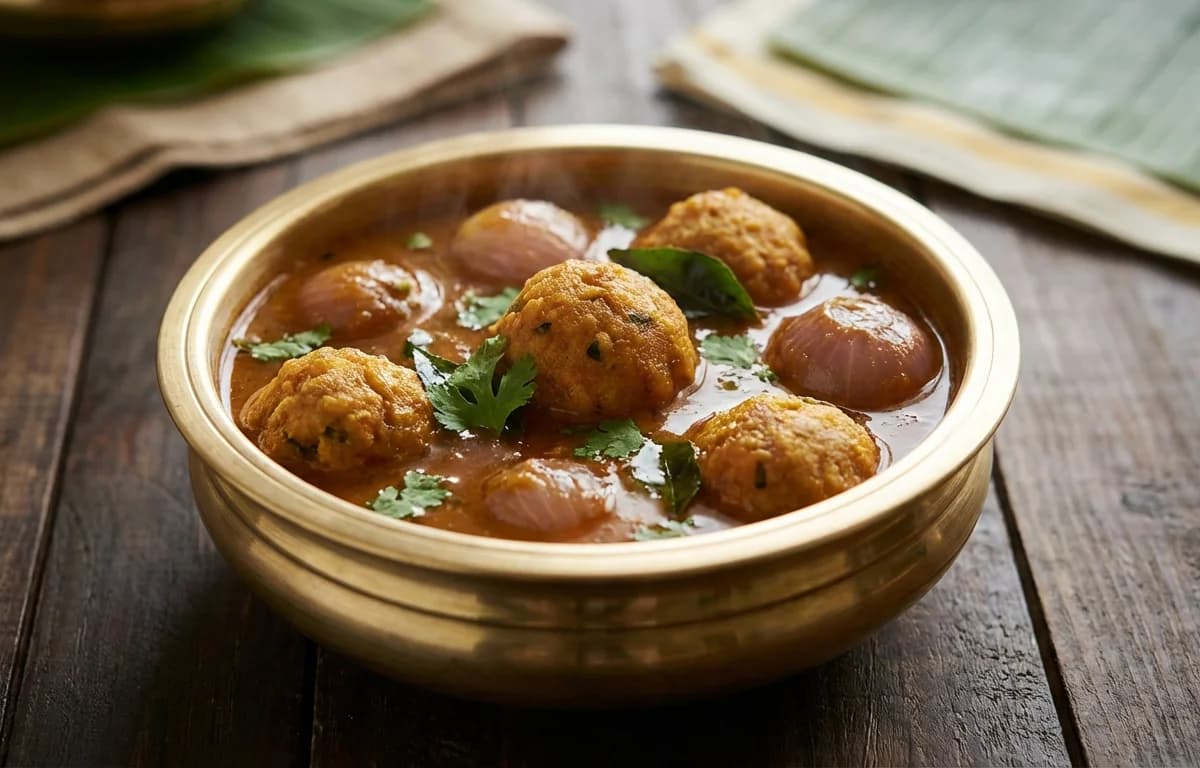
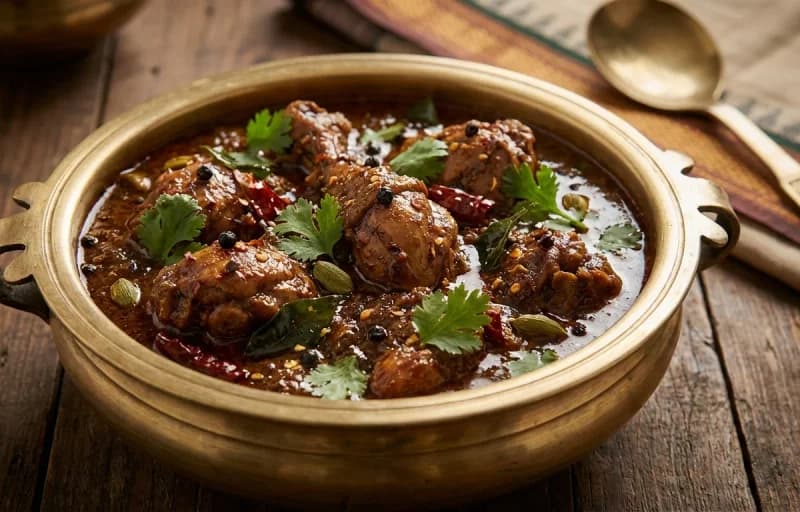
Tender, steamed lentil dumplings simmered in a tangy and spicy tamarind gravy. This traditional Tamil dish is a hearty and flavorful main course, perfect with hot steamed rice.
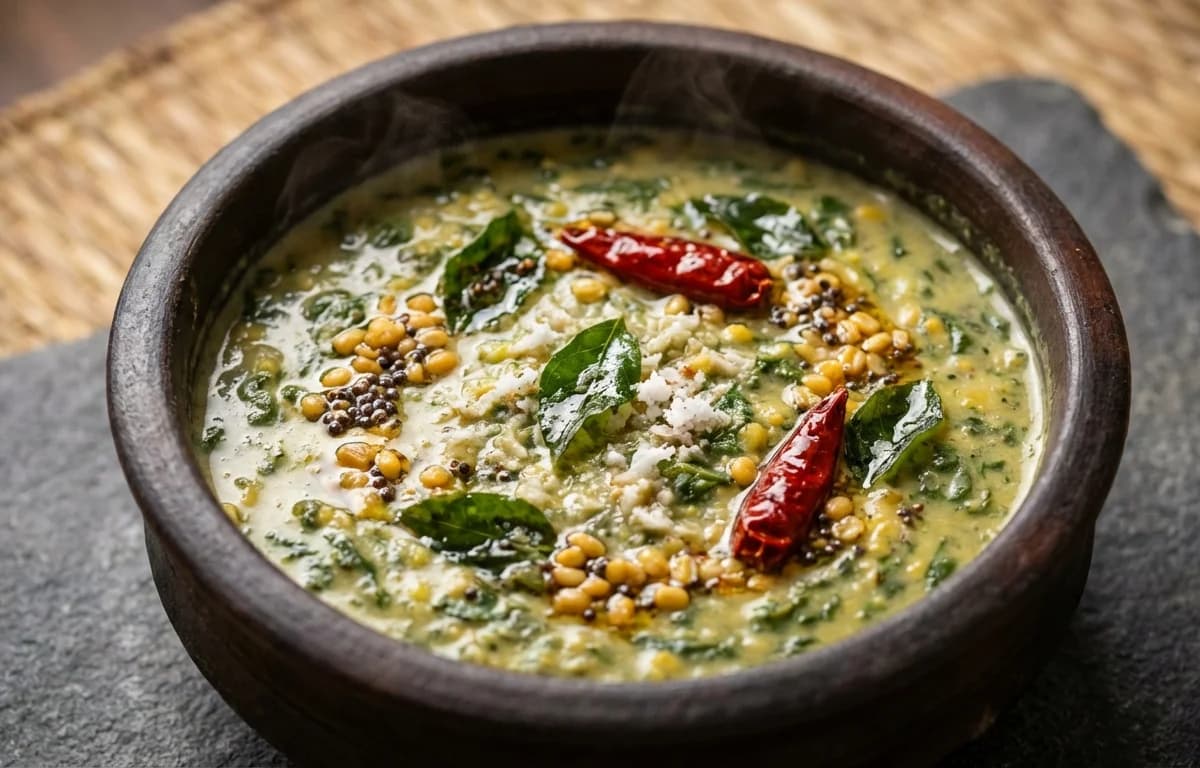
A wholesome South Indian stew made with fresh spinach and creamy lentils, simmered in a fragrant coconut paste. This comforting dish is simple, nutritious, and pairs perfectly with rice and a dollop of ghee.
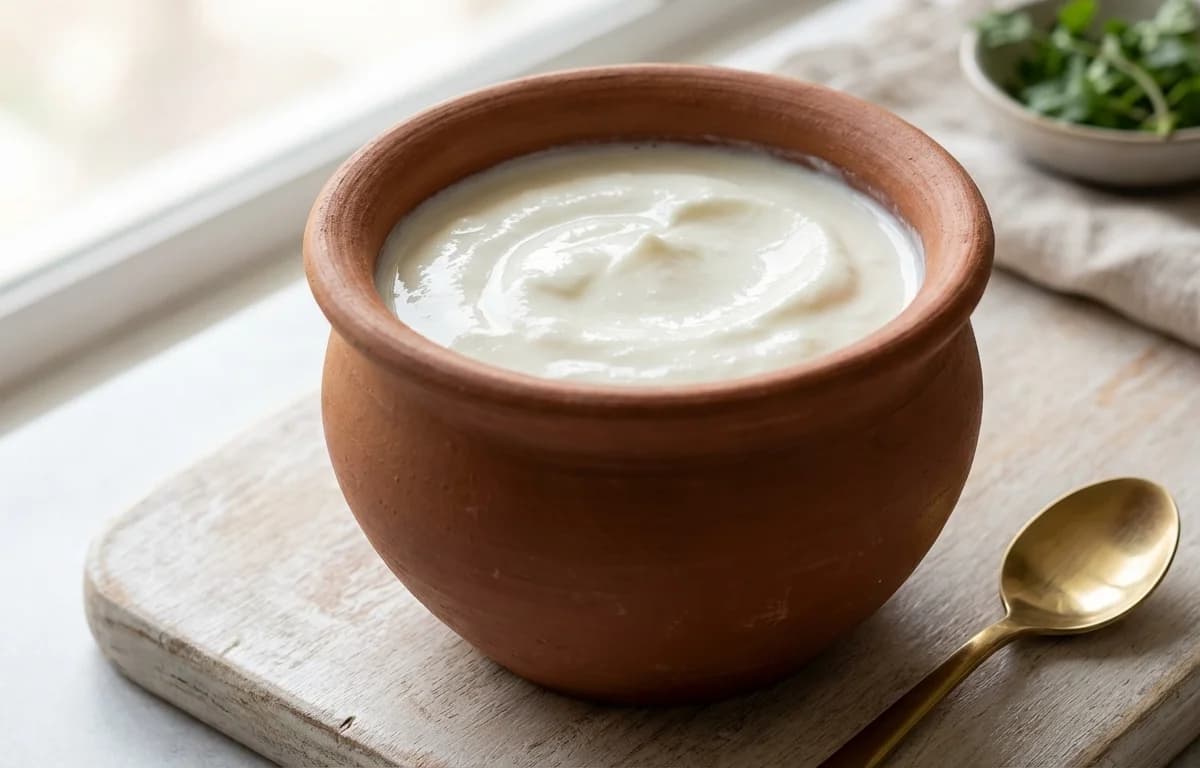
Creamy, tangy, and light homemade curd (dahi), a staple in every Indian household. This simple recipe uses just two ingredients to create a probiotic-rich food perfect for raita, lassi, or enjoying on its own. Note that this recipe requires 6-12 hours of inactive time for fermentation.
About Steamed Basmati Rice, Paruppu Urundai Kuzhambu, Keerai Kootu and Curd
Protein-packed lentil dumplings & iron-boosting spinach with cooling curd. A homestyle delight!
This chettinad dish is perfect for dinner. With 935.58 calories and 35.769999999999996g of protein per serving, it's a muscle-gain option for your meal plan.
1gfat
Cook the Rice (15 minutes)
In a medium, heavy-bottomed saucepan with a tight-fitting lid, combine the drained rice, 2.25 cups of fresh water, salt, and ghee (if using).
Bring the mixture to a rolling boil over medium-high heat, uncovered.
As soon as it boils, give it one gentle stir, then immediately reduce the heat to the lowest possible setting. Cover the saucepan tightly with the lid.
Let the rice simmer for 12-15 minutes, or until all the water has been absorbed. Do not lift the lid during this time to prevent steam from escaping.
3
Rest and Fluff (10 minutes)
Turn off the heat but leave the saucepan on the stove, still covered. Let the rice rest and steam for 10 minutes. This step is crucial for finishing the cooking process and achieving a perfect texture.
After resting, remove the lid. Use a fork to gently fluff the rice, separating the long, delicate grains.
Serve hot as a perfect accompaniment to curries, dals, or grilled dishes.
Servings
4
Serving size: 1 serving
324cal
13gprotein
47gcarbs
11gfat
Ingredients
0.75 cup Toor Dal (also known as split pigeon peas)
0.25 cup Chana Dal (also known as split chickpeas)
5 pcs Dried Red Chillies (adjust to your spice preference)
1 tsp Fennel Seeds (also known as saunf)
0.25 tsp Asafoetida (also known as hing)
1 pcs Onion (medium, finely chopped, for the dumplings)
2 tbsp Grated Coconut (fresh or frozen)
2 tbsp Coriander Leaves (finely chopped)
1.75 tsp Salt (divided: 0.75 tsp for urundai, 1 tsp for kuzhambu)
25 g Tamarind (a small lemon-sized ball)
3 cup Water (for tamarind extract and gravy)
2 tbsp Sambar Powder (use a good quality, flavorful brand)
0.5 tsp Turmeric Powder
1 tsp Jaggery (optional, powdered, to balance the tanginess)
2 tbsp Sesame Oil (also known as gingelly oil)
1 tsp Mustard Seeds
1 tsp Urad Dal (for tempering)
0.25 tsp Fenugreek Seeds (also known as methi seeds)
1 sprig Curry Leaves (about 10-12 leaves)
10 pcs Sambar Onions (peeled, also known as shallots)
1 pcs Tomato (medium, finely chopped)
Instructions
1
Prepare the Lentils for Dumplings (Urundai)
Rinse the toor dal and chana dal thoroughly under running water.
Soak them together in ample water for at least 2 hours. This step is crucial for soft urundais.
After soaking, drain the water completely using a colander. Let it sit for 5-10 minutes to ensure all excess water is removed.
2
Grind and Shape the Urundai Mixture
In a mixie jar or food processor, add the drained dals, dried red chillies, fennel seeds, and asafoetida.
Grind to a thick, coarse paste without adding any water. Pulse a few times to get the right texture; it should not be a smooth paste.
Transfer the ground mixture to a bowl. Add the finely chopped onion, grated coconut, chopped coriander leaves, and 0.75 tsp of salt. Mix well to combine everything evenly.
Grease your palms with a little oil and shape the mixture into small, lime-sized balls (urundais).
250 g Spinach (roughly chopped, about 4-5 cups packed)
0.5 tsp Turmeric Powder
2.5 cup Water (divided)
1 tsp Salt (or to taste)
0.5 cup Fresh Coconut (grated)
1 tsp Cumin Seeds
2 pcs Green Chili (adjust to taste)
1 tsp Rice Flour (optional, for thickening)
1 tbsp Coconut Oil
1 tsp Mustard Seeds
1 tsp Urad Dal
1 pcs Dried Red Chili (broken into two)
10 pcs Curry Leaves
0.25 tsp Hing
Instructions
1
Cook the Lentils
In a pressure cooker, combine the rinsed moong dal, 1.5 cups of water, and turmeric powder.
Secure the lid and pressure cook on medium heat for 3-4 whistles, or for about 10-12 minutes, until the dal is completely soft and mushy.
Allow the pressure to release naturally. Open the lid and mash the dal lightly with the back of a spoon to create a creamy base. Set aside.
2
Prepare the Coconut Paste
In a small blender or grinder, add the grated fresh coconut, cumin seeds, green chilies, and optional rice flour.
Add 2-3 tablespoons of water and grind to a very smooth paste. Add a little more water only if needed to facilitate grinding. Set aside.
3
Cook the Spinach and Combine
In a medium-sized pot or kadai, add the chopped spinach and the remaining 1 cup of water. Cook on medium heat for 5-7 minutes, or just until the spinach wilts.
Pour the cooked, mashed dal into the pot with the spinach. Stir to combine.
Add the ground coconut paste and salt. Mix everything thoroughly.
1 litre Whole Milk (Full-fat milk yields the thickest, creamiest curd. You can use low-fat milk, but the result will be less thick.)
1 tbsp Yogurt Starter (Must contain live active cultures. Ensure the starter is fresh and not sour for the best results.)
Instructions
1
Boil the Milk
Pour the milk into a heavy-bottomed pot or saucepan.
Bring the milk to a rolling boil over medium heat, then reduce the heat to low. Let it simmer for 5-7 minutes, stirring occasionally to prevent a skin from forming and to avoid scorching at the bottom. This process helps thicken the milk slightly, resulting in a creamier curd.
2
Cool to Lukewarm Temperature
Turn off the heat and allow the milk to cool down until it is lukewarm. The ideal temperature is between 40-45°C (105-115°F).
To test without a thermometer, dip a clean finger into the milk. You should be able to hold it in for about 10 seconds without it feeling uncomfortably hot. If it's too hot, it will kill the bacteria; if it's too cold, the curd won't set.
3
Inoculate with Starter
In a small bowl, whisk the yogurt starter until it is smooth and lump-free.
Add 2-3 tablespoons of the warm milk to the starter and mix well. This process, called tempering, helps the culture mix evenly without curdling.
Pour this tempered starter mixture back into the pot of milk and stir gently just a few times to combine everything thoroughly.
4
Ferment and Set the Curd
Pour the inoculated milk into the container you wish to set the curd in (earthenware, glass, or steel containers work well).
Cover the container with a lid and place it in a warm, draft-free spot to ferment. An oven (turned off) with the light on, a warm cupboard, or an Instant Pot on the 'Yogurt' setting are great options.
Let it sit undisturbed for 6 to 12 hours. The time will vary based on the climate; warmer weather requires less time (6-8 hours), while colder weather may take longer (10-12 hours).
5
Chill and Serve
Once the curd is set (it should be firm and not jiggle like a liquid), carefully transfer it to the refrigerator without disturbing it.
Chill for at least 3-4 hours. This crucial step stops the fermentation process (preventing it from becoming too sour) and helps the curd to thicken and set further.
Serve chilled as a side dish, or use it as a base for raita, lassi, or marinades.
Arrange the shaped urundais on the plate, leaving some space between them.
Steam for 10-12 minutes on medium-high heat. The urundais are cooked when they become firm and a toothpick inserted into the center comes out clean.
Once steamed, remove them from the steamer and set aside.
4
Prepare the Kuzhambu Base
While the urundais are steaming, soak the tamarind in 1 cup of warm water for 15 minutes.
Squeeze the tamarind well to extract the thick pulp. Strain this extract into a heavy-bottomed pot, discarding the fibers and seeds.
Add 2 more cups of water, sambar powder, turmeric powder, and the remaining 1 tsp of salt to the pot.
Bring the mixture to a boil over medium heat. Then, reduce the heat and let it simmer for 8-10 minutes until the raw smell of tamarind and spices disappears.
5
Prepare the Tempering (Thalippu)
In a separate small pan (tadka pan), heat the sesame oil over medium heat.
Add the mustard seeds. Once they begin to splutter, add the urad dal and fenugreek seeds. Sauté until the urad dal turns golden brown.
Add the curry leaves and peeled sambar onions. Sauté for 4-5 minutes until the onions turn soft and translucent.
Add the chopped tomato and cook for another 3-4 minutes until it becomes soft and mushy.
6
Combine and Finish the Kuzhambu
Pour the entire tempering mixture into the simmering tamarind gravy. Stir well.
Add the powdered jaggery (if using) and mix until it dissolves completely.
Gently slide the steamed urundais one by one into the kuzhambu.
Allow the kuzhambu to simmer on low heat for 5-7 minutes. This lets the urundais absorb the flavors. Avoid vigorous stirring to prevent them from breaking.
Turn off the heat. Let the kuzhambu rest for at least 20-30 minutes before serving. This enhances the flavor significantly.
Serve hot with steamed rice, ghee, and appalam (papad).
Bring the mixture to a gentle simmer and cook for 5-6 minutes, stirring occasionally, allowing the flavors to meld and the kootu to thicken slightly.
4
Prepare the Tempering (Tadka)
While the kootu is simmering, heat the coconut oil in a small pan (tadka pan) over medium heat.
Once the oil is hot, add the mustard seeds and wait for them to splutter completely.
Add the urad dal and sauté until it turns a light golden brown.
Add the broken dried red chili and curry leaves. Be careful as they will splutter. Sauté for 30 seconds.
Finally, turn off the heat and add the hing. Give it a quick stir.
5
Finish and Serve
Immediately pour the hot tempering over the simmering keerai kootu.
Stir well to incorporate the tempering, then turn off the heat.
Let it rest for 5 minutes before serving. Serve hot with steamed rice, a dollop of ghee, and papad or poriyal (stir-fried vegetables).