Balsamic Glaze Drizzle
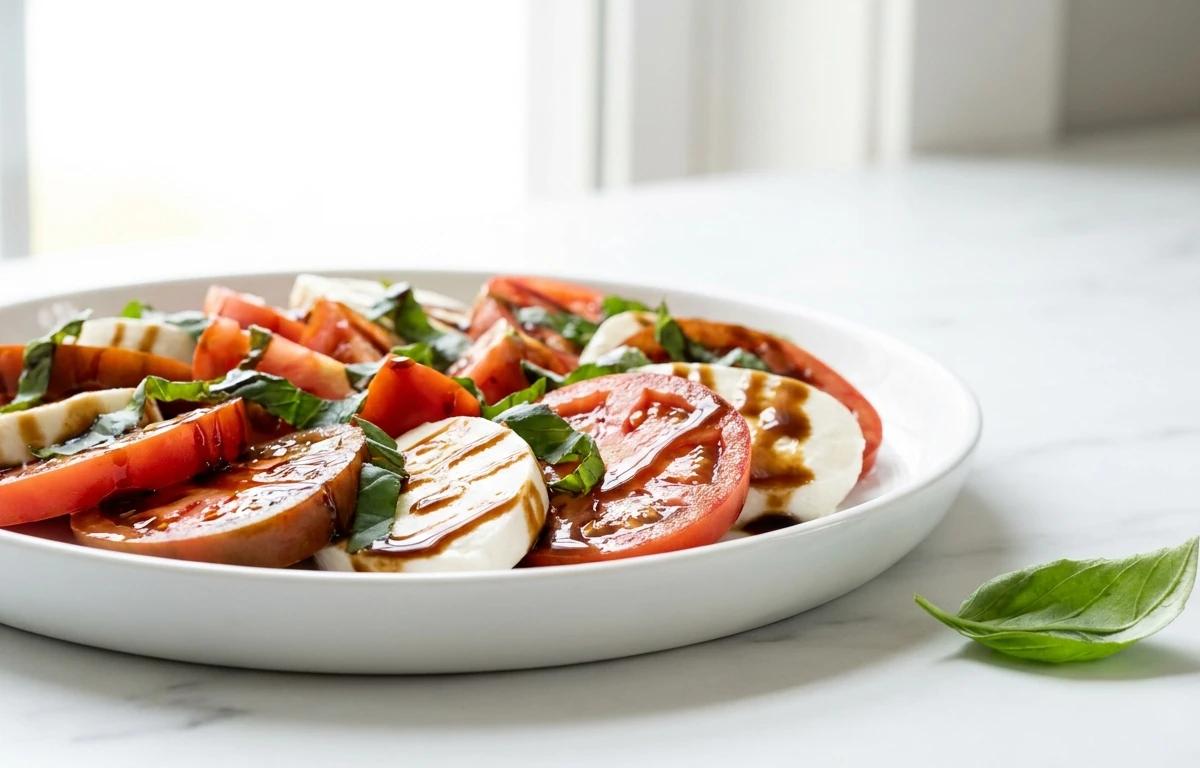
A thick, glossy, sweet-tart reduction made from balsamic vinegar. Drizzle over salads, grilled vegetables, roasted meats, or even fresh strawberries for an instant flavor upgrade. Ready in under 20 minutes with just one ingredient and a little patience.
For 8 servings
- prep
Measure the vinegar.
Pour 1 cup of balsamic vinegar into a small saucepan. Do not add oil, water, or any other liquid.
TIPUse a balsamic vinegar you enjoy the taste of. If it isn't good raw, it won't be good reduced. - boil · ~2 min
Bring the vinegar to a gentle boil.
Place the saucepan over medium-high heat and bring the vinegar to a gentle boil, stirring occasionally.
TIPTurn on your kitchen exhaust fan. Simmering vinegar creates a very strong, pungent aroma. - simmer · ~13 min
Simmer until thick and syrupy.
Reduce heat to medium-low and maintain a gentle simmer. Stir every minute or so to prevent burning. Cook until the vinegar reduces by about two-thirds and coats the back of a spoon, roughly 10-15 minutes.
TIPWatch closely during the final minutes. The reduction thickens slowly at first, then very quickly. It will also thicken more as it cools. - other
Test the consistency.
Dip a metal spoon into the glaze. It should be able to coat the back of the spoon and hold its shape when you draw a line through it with your finger. Remove from heat immediately once this consistency is reached.
TIPIf the glaze becomes too thick, whisk in a teaspoon of water over low heat to loosen it. - rest · ~30 min
Cool and store the glaze.
Pour the hot glaze into a heatproof glass jar and let it cool completely at room temperature. It will thicken further as it cools. Once cooled, seal and store in the refrigerator.
TIPThe glaze will be very thin right off the heat—don't keep cooking for a thicker texture. Trust the process and let it cool.
What to keep in mind.
6 tips from the recipe — small details that make a real difference to the final dish.
- 1Use a heavy-bottomed saucepan to distribute heat evenly and prevent scorching.
- 2The glaze will thicken significantly as it cools, so pull it off the heat when it still looks slightly thin.
- 3A silicone spatula is ideal for scraping every last drop of the sticky glaze into the storage jar.
- 4If the glaze crystallizes in the fridge, warm it gently in a bowl of hot water or microwave in short bursts to re-liquefy.
- 5Double the batch easily—the reduction method scales perfectly and keeps for months in the fridge.
- 6Line your saucepan with a little water before adding vinegar to make cleanup easier should any glaze burn.
Adapt it for your goals.
Honey-Balsamic Glaze
Add 1-2 tablespoons of honey along with the vinegar at the start for a sweeter, stickier glaze that pairs beautifully with roasted root vegetables or pork chops.
Herb Infused GlazeHerb-Infused Glaze
Toss a sprig of fresh rosemary or a couple of thyme sprigs into the simmering vinegar; remove before cooling. This adds a savory, aromatic layer perfect for drizzling over grilled steak or lamb.
Spiced Balsamic GlazeSpiced Balsamic Glaze
Add a strip of orange zest, a cinnamon stick, and 2-3 black peppercorns while simmering. Strain before storing. The citrus and warm spice notes transform the glaze into a winter-friendly condiment for roasted butternut squash or duck.
Vegan & Sugar FreeVegan & Sugar-Free
Use a balsamic vinegar with no added sugar (many traditional balsamics are naturally sweet from grape must) and skip any sweetener. The reduction itself creates enough sweetness and body for a completely natural, zero-sugar glaze.
Why this is on our healthy list.
Calorie-Wise Condiment
A single tablespoon of balsamic glaze contains only about 20-30 calories, making it a light alternative to creamy or oil-based dressings and sauces.
Antioxidant-Rich Vinegar
Balsamic vinegar is derived from grapes and contains polyphenols and flavonoids, which are antioxidants that help protect cells from oxidative stress.
Naturally Sugar-Conscious
This glaze relies on the natural sugars found in the grape must of balsamic vinegar, with no added refined sugar, offering a more wholesome sweetness than many commercial glazes.
Sodium-Free Flavor Boost
Unlike many bottled dressings and sauces, this balsamic glaze contains zero added salt, making it a flavorful way to season food for those monitoring their sodium intake.
Frequently asked questions
Yes, but the final taste will reflect the starting vinegar. A mid-range bottle provides a balanced sweet-tart result; very cheap vinegar may taste harshly acidic even after reduction.