Goan Pole
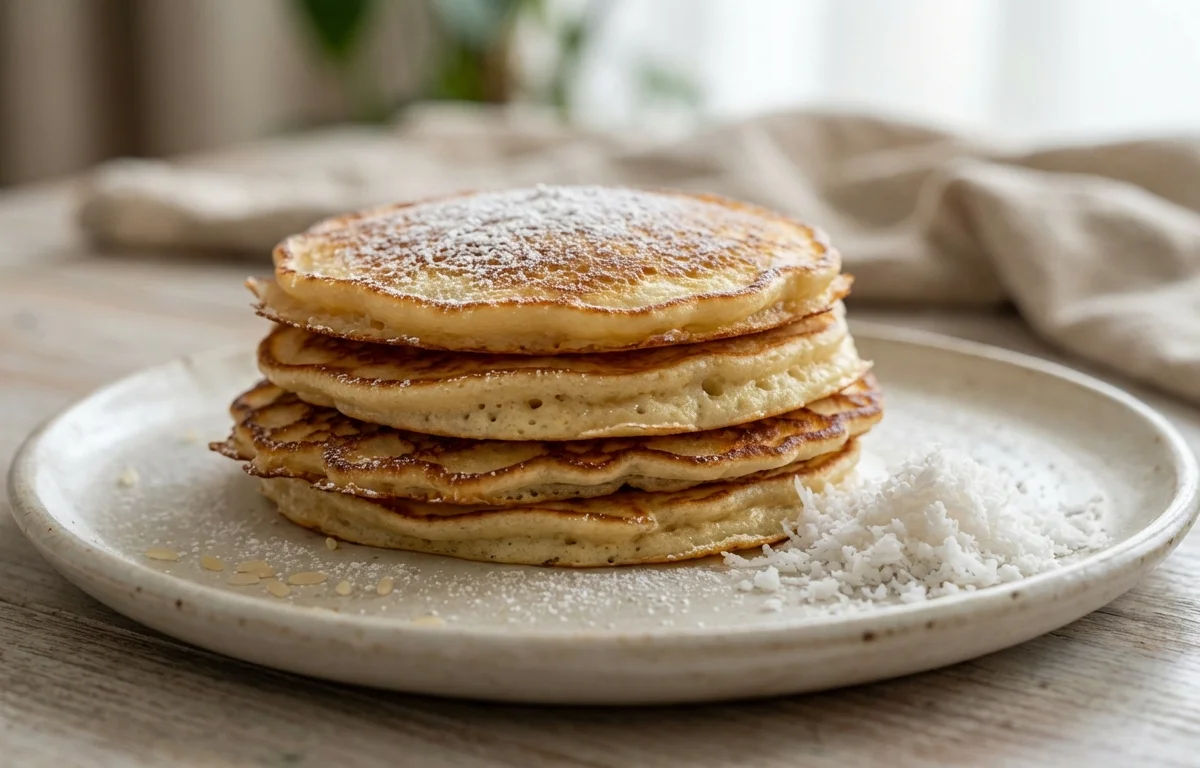
A homestyle Goan treat made with rice, coconut and jaggery, cooked into soft, lightly crisp pancakes. It has a gentle sweetness and lovely coconut aroma, making it perfect for breakfast or an evening bite.
For 8 servings
- prep · ~240 min
Soak the rice.
Wash the rice well and soak it in enough water for 4 hours. Drain completely before grinding.
- mix · ~5 min
Grind the batter.
1.Add the soaked rice, grated coconut, jaggery and banana to a blender.2.Add a little water and grind to a smooth, pourable batter.3.Mix in the cardamom powder and salt.TIPKeep the batter like dosa batter but slightly thicker so the pole holds together nicely. - rest · ~10 min
Rest the batter.
Set the batter aside for 10 minutes so the rice and coconut hydrate evenly.
- fry · ~5 min
Cook the pole.
1.Heat a small skillet or tawa over medium heat and grease it lightly with ghee.2.Pour a small ladle of batter and spread it gently into a small thick pancake.3.Cook until the bottom turns golden and the top looks set, about 2 to 3 minutes.4.Flip and cook the other side until golden, about 1 to 2 minutes more.TIPCook on medium heat so the inside cooks through before the jaggery makes the outside too dark. - serve
Serve warm.
Repeat with the remaining batter to make 8 pieces. Serve warm for the best texture and aroma.
What to keep in mind.
7 tips from the recipe — small details that make a real difference to the final dish.
- 1Drain the soaked rice very well before grinding, or the batter can turn too loose and the pole will spread thin.
- 2If your jaggery has grit, melt it with a spoon of water and strain before blending for a smoother batter.
- 3Use a ripe banana with brown specks; it sweetens naturally and helps keep the pancakes soft inside.
- 4Keep the tawa on medium heat only, because jaggery browns fast and can darken before the center cooks.
- 5Spread the batter gently into a small thick round rather than a thin crepe so the middle stays tender.
- 6Let each pole cook until the edges look set and the surface loses its wet sheen before flipping.
- 7These are best eaten warm, but you can refrigerate them and reheat on a greased tawa to revive the crisp edges.
Adapt it for your goals.
Thin-crisp
Add a little more water and spread the batter thinner for lacier, crisper pole with more caramelized edges.
no bananaNo-banana
Skip the banana for a cleaner coconut-jaggery flavor; the texture will be slightly less soft but still delicious.
veganVegan
Replace ghee with coconut oil for cooking to keep it dairy-free while matching the coconut flavor profile.
nuttyNutty
Add a spoonful of toasted sesame seeds to the batter for extra texture and a deeper, roasted flavor.
Why this is on our healthy list.
Energy-Giving Breakfast
Rice and jaggery provide quick energy, making this a satisfying option for breakfast or an evening snack.
Contains Healthy Fats
Fresh coconut contributes natural fats that add satiety and help make the pancakes more filling.
Naturally Sweetened
The sweetness comes from jaggery and ripe banana rather than refined white sugar, with added flavor complexity.
Frequently asked questions
The batter is likely too thin or the top has not set enough. Keep it slightly thicker than dosa batter and flip only when the surface looks dry and the bottom is golden.