
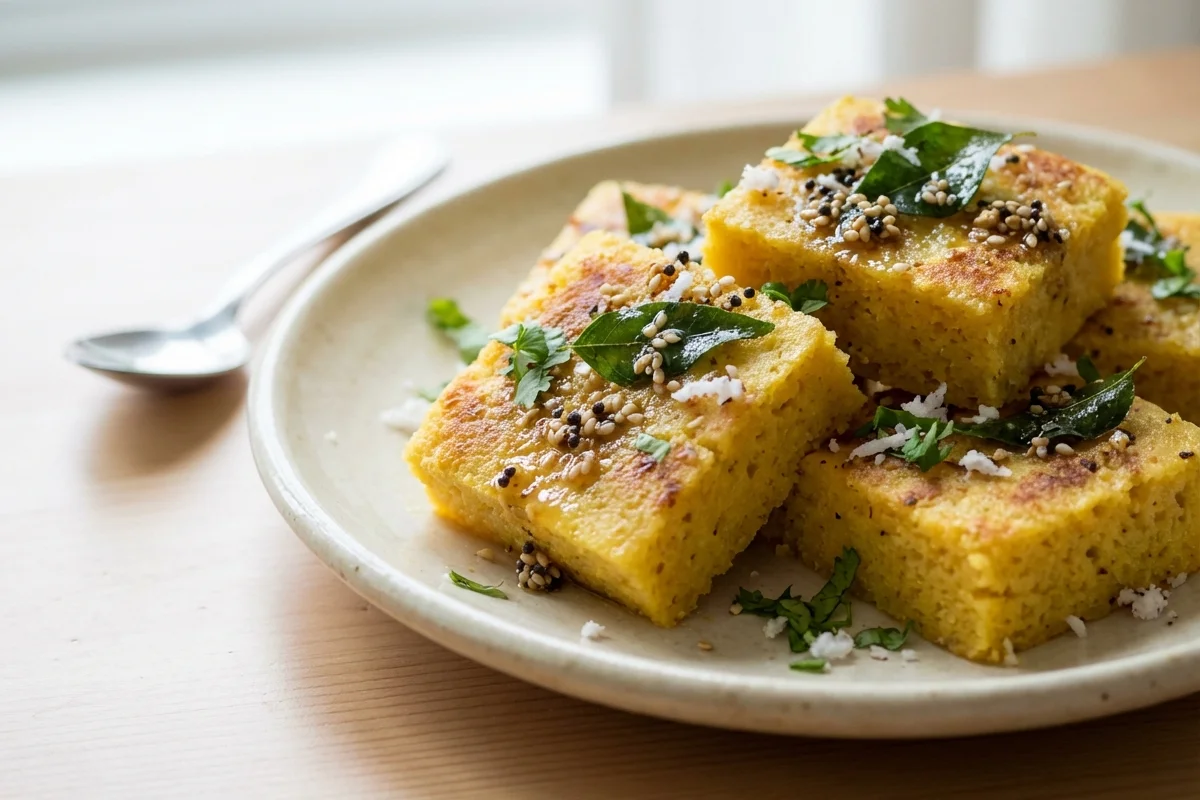
Kharoli
A rustic, tangy curry from the Kumaon and Garhwal hills of Uttarakhand, made with horse gram lentils ground into a coarse paste with green chilies and garlic. This unique dish has a slightly grainy texture and a deep, earthy flavor that pairs wonderfully with steamed rice or mandua roti.
For 4 servings
- prep
Soak the horse gram overnight.
Wash the horse gram thoroughly and soak in enough water for at least 8 hours or overnight. Drain the water before cooking.
TIPSoaking softens the tough lentils and reduces cooking time significantly. - boil · ~20 min
Pressure cook the soaked horse gram.
1.Add the drained horse gram to a pressure cooker with 2.5 cups of water and salt.2.Close the lid and cook on high heat until the first whistle.3.Lower the heat and cook for 6-7 more whistles, about 15 minutes.4.Let the pressure release naturally, then open the lid.TIPThe lentils should be very soft and slightly mushy. If not, add a little more water and cook for a few more whistles. - mix · ~2 min
Coarsely grind the green chili and garlic.
In a stone grinder or mixer, coarsely grind the green chilies and garlic cloves together with a splash of water to form a rough, chunky paste. Set aside.
TIPDo not make a fine paste — the coarse, rustic texture is essential to Kharoli. - mix · ~5 min
Mash the cooked lentils and combine.
Once the pressure releases, mash the cooked horse gram lightly with a ladle. Stir in the coarse chili-garlic paste, coriander powder, and turmeric powder. Mix well and bring to a gentle simmer for 5 minutes.
TIPThe curry should be slightly thick and grainy, not watery. Simmer uncovered if you need to reduce excess liquid. - temper · ~10 min
Make the tempering.
1.Heat mustard oil in a small pan over medium-high heat until it reaches its smoking point.2.Lower the heat and add cumin seeds. Let them crackle for 20 seconds.3.Add the dried red chilies and stir for 15 seconds until they darken slightly.4.Add the chopped onions and sauté until golden brown, about 6-7 minutes.5.Add the chopped tomatoes and cook until they turn soft and the oil separates, about 4 minutes.TIPMustard oil must be heated until it smokes to remove its raw pungency — this step makes all the difference. - simmer · ~7 min
Combine the tempering with the lentil mixture.
Pour the entire tempering over the simmering lentil mixture. Stir well to combine everything evenly. Let it simmer together for 5-7 minutes so the flavors meld.
TIPIf the curry looks too thick, add a splash of hot water to loosen it. The consistency should be like a rustic, slightly grainy dal. - garnish
Garnish with fresh coriander leaves and serve hot.
Transfer the Kharoli to a serving bowl, sprinkle with chopped coriander leaves, and serve immediately with steamed rice or Mandua rotis.
TIPKharoli tastes even better after resting for an hour — the flavors deepen, making it a great make-ahead dish.
What to keep in mind.
7 tips from the recipe — small details that make a real difference to the final dish.
- 1Soaking horse gram for at least 8 hours is essential — it softens the tough lentils and reduces cooking time significantly.
- 2Do not grind the chili-garlic paste to a fine consistency; a coarse, chunky texture is key to the authentic Kharoli experience.
- 3Mustard oil must be heated until it reaches its smoking point to remove raw pungency; do not skip this step.
- 4Cook the lentils until very soft and slightly mushy — undercooked horse gram will be too hard and chewy.
- 5Simmer the finished curry uncovered if it looks watery; Kharoli should have a thick, grainy, almost porridge-like consistency.
- 6Let Kharoli rest for an hour before serving — the flavors meld and deepen, making it taste even better.
- 7If the curry thickens too much on standing, loosen it with a splash of hot water while reheating.
Adapt it for your goals.
Low-oil
Skip the tempering step and simply sauté the onions, tomatoes, cumin, and dried red chilies in a non-stick pan with just 1 teaspoon mustard oil. Pour this directly into the lentil mixture. This reduces fat while keeping the earthy, tangy character.
veganVegan
This Kharoli recipe is naturally vegan — no animal products are used. Just ensure your mustard oil is plant-based (most are). Serve with vegan rice or millet rotis for a complete plant-based meal.
Why this is on our healthy list.
Rich in Plant Protein
Horse gram is a powerhouse of protein, making this dish an excellent choice for vegetarians and vegans looking to boost their daily protein intake.
High in Dietary Fiber
The whole horse gram lentils provide significant dietary fiber, which aids digestion and promotes a feeling of fullness.
Low in Fat
With just two tablespoons of mustard oil used for tempering, this curry is relatively low in fat while still delivering rich flavor.
Source of Iron and Calcium
Horse gram is known for its iron and calcium content, supporting healthy red blood cells and bone strength.
Frequently asked questions
Yes, but it requires a longer cooking time. Simmer the soaked lentils in enough water for 45-60 minutes until very soft and mushy, adding more hot water as needed.


