Ragi Idiyappam
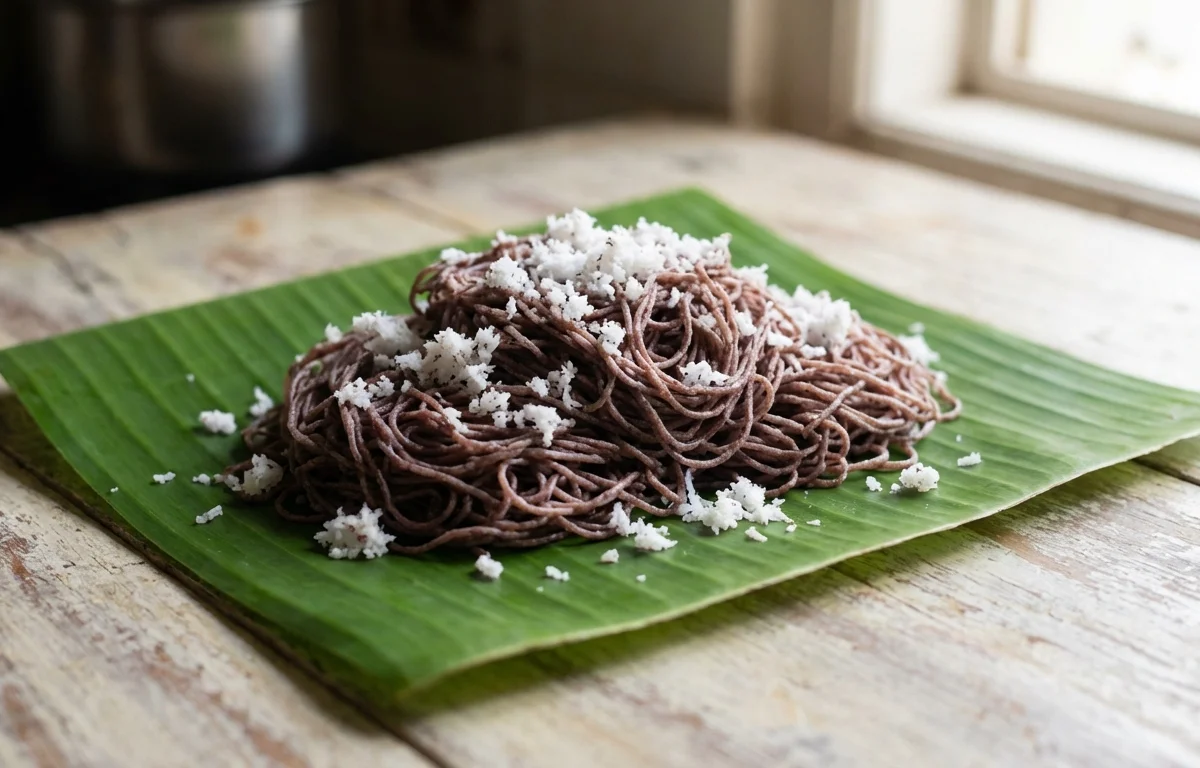
Soft, delicate string hoppers made with earthy ragi flour and a little rice flour for balance. These steamed nests are light yet filling, and pair beautifully with coconut milk, kurma, or a mild vegetable stew.
For 8 servings
- prep
Grease the steaming plates.
Lightly grease the idiyappam plates or steamer inserts with coconut oil so the pressed nests release easily after steaming.
- mix
Mix the flours.
Add ragi flour and rice flour to a wide bowl and mix well so the dough cooks evenly and presses smoothly.
- boil · ~5 min
Boil the water with salt.
Heat water with salt until it comes to a brisk boil.
- mix · ~5 min
Make a soft hot dough.
1.Pour the hot salted water gradually into the flour mixture.2.Mix with a spoon until the flour comes together.3.When cool enough to handle, knead gently into a smooth, soft dough with no dry patches.TIPKeep the dough soft and warm. A dry dough cracks while pressing, and a very wet dough loses its shape. - assemble
Press the idiyappam nests.
Fill the idiyappam press with the warm dough and press it in thin circular nests onto the greased plates, making about 8 pieces.
- steam · ~10 min
Steam until set.
Place the plates in the steamer and steam until the strands are cooked through and no longer look doughy.
- rest · ~2 min
Rest briefly before removing.
Let the steamed idiyappam sit for 2 minutes so they firm up slightly and lift off neatly.
- serve
Serve warm.
Serve the ragi idiyappam warm as is, or pair with lightly sweetened coconut milk or a mild vegetable side.
What to keep in mind.
7 tips from the recipe — small details that make a real difference to the final dish.
- 1Use the dough while still warm; cooled ragi dough becomes harder to press and can crack.
- 2Pour the boiling water in gradually and stop once the dough feels soft, smooth, and not sticky.
- 3If the dough cracks in the press, knead in a spoon or two of hot water to loosen it.
- 4Press directly onto greased plates in small nests so steam circulates and cooks the strands evenly.
- 5Do not oversteam; once the strands lose their raw look, remove them to keep the texture soft.
- 6Let the idiyappam rest for 2 minutes after steaming so the nests release cleanly without breaking.
- 7Leftovers can be refrigerated and gently re-steamed or sprinkled with water and reheated to soften.
Adapt it for your goals.
Vegan
This recipe is already vegan; pair it with coconut milk or vegetable stew for a fully plant-based meal.
jaggery coconutJaggery-coconut
Serve with warm coconut milk sweetened lightly with jaggery for a traditional breakfast-style sweet version.
savorySavory
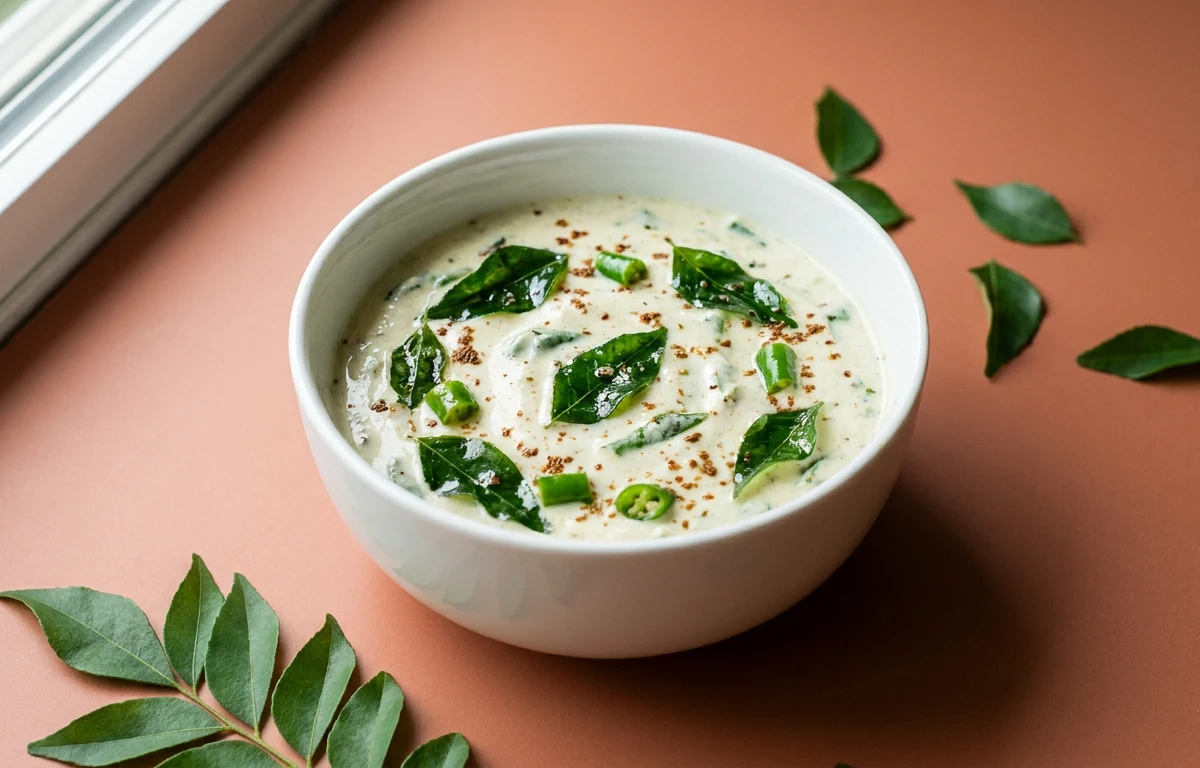
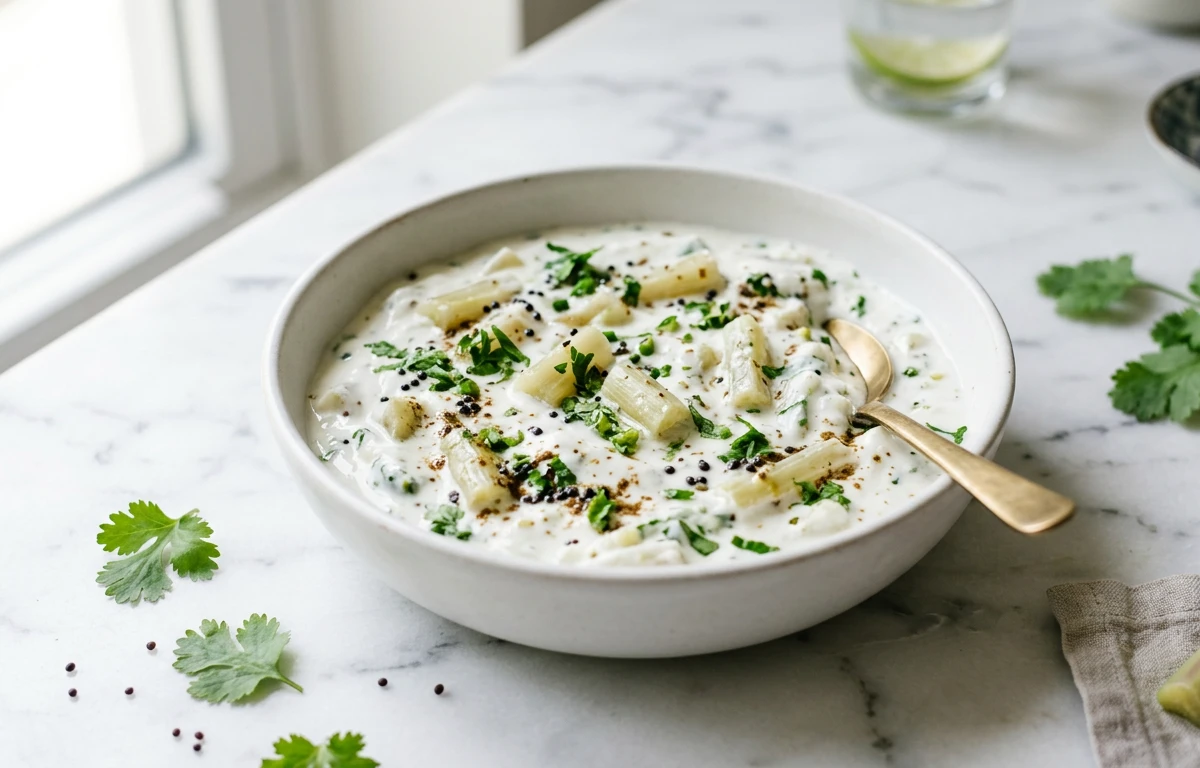
Pair with vegetable kurma, ishtu, or thin coconut milk seasoned with salt and green chili for a savory meal.
gluten freeGluten-free
This dish is naturally gluten-free since it uses ragi and rice flour, making it suitable for those avoiding wheat.
Why this is on our healthy list.
Wholesome Millet Base
Ragi brings the goodness of finger millet, making these string hoppers more hearty and sustaining than versions made only with refined flour.
Light Steamed Breakfast
Because the idiyappam is steamed and uses only a little oil for greasing, it stays light while still feeling filling.
Plant-Based and Simple
Made with millet flour, rice flour, water, and coconut oil, this is a simple plant-based dish with minimal ingredients.
Frequently asked questions
The dough is usually too dry or too cool. Knead in a little hot water and press it while still warm for smoother strands.