Tekeli Pitha
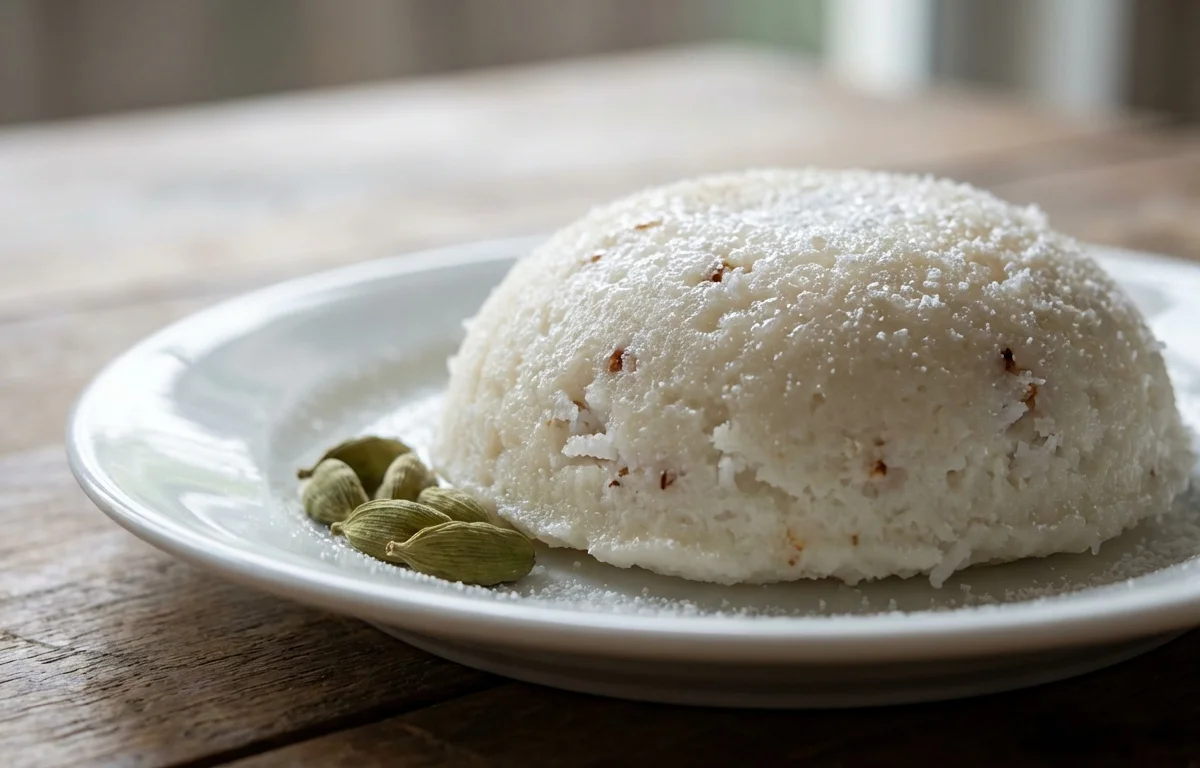
A gentle Assamese steamed rice cake traditionally made inside an earthen pot setup. Soft rice flour layers and a sweet coconut-jaggery filling give this pitha a delicate texture that feels festive yet wonderfully simple.
For 4 servings
- prep · ~10 min
Soak and grind the rice.
1.Wash the rice well until the water runs clearer.2.Soak it in fresh water for 6 hours, then drain completely.3.Grind the drained rice to a slightly coarse flour.4.Spread the flour on a plate for a few minutes so it feels damp but not wet.TIPThe rice flour should look like moist sand. If it gets pasty, the pitha turns dense. - mix · ~3 min
Make the filling.
1.Mix the grated coconut and jaggery in a bowl.2.Add the black sesame seeds and salt.3.Rub everything together until the jaggery is evenly distributed. - prep · ~7 min
Set up the steamer.
Pour the water into a deep pot and bring it to a gentle boil. Tie the cotton cloth tightly over the mouth of the pot so the surface is taut and steam can rise through it.
TIPKeep the cloth tight and secure. A sagging cloth can collect water and make the pitha soggy. - assemble · ~5 min
Layer the pitha on the cloth.
1.Place a small round layer of damp rice flour on the hot cloth.2.Spread a spoonful of the coconut-jaggery filling in the center.3.Cover it with another thin layer of rice flour and gently shape it into a neat round.4.Repeat to make the remaining pithas, leaving a little space between them. - steam · ~15 min
Steam the tekeli pitha.
Cover the pot with a domed lid or large bowl and steam until the rice layer looks set and soft, 12 to 15 minutes. The filling will warm through and the pitha will lift easily from the cloth when done.
TIPSteam on medium heat. Strong boiling can drip condensation onto the pitha. - serve
Lift off gently and serve warm.
What to keep in mind.
7 tips from the recipe — small details that make a real difference to the final dish.
- 1After grinding, let the rice flour air-dry briefly until it feels like damp sand; overly wet flour makes the pitha heavy.
- 2Keep the steaming cloth pulled very tight so the rounds stay flat and don't sit in collected condensation.
- 3Use medium heat for steaming; a hard boil creates water droplets that can streak and sog the rice layer.
- 4Don't pack the filling to the edges; leaving a small border helps the top rice layer seal without cracking.
- 5Steam in small batches with space between each pitha so the steam circulates evenly and they cook at the same rate.
- 6The pitha is done when the surface turns set and matte and it releases easily from the cloth without sticking.
- 7Serve warm for the softest texture; if reheating leftovers, steam briefly rather than microwaving to avoid toughness.
Adapt it for your goals.
Low-sweet
Reduce the jaggery slightly to let the natural sweetness of fresh coconut come forward; good if serving with tea or to those who prefer milder desserts.
sesame forwardSesame-forward
Increase the lightly crushed black sesame for a toastier, more nutty filling that adds deeper Assamese-style flavor.
cardamomCardamom
Add a pinch of ground cardamom to the coconut-jaggery mixture for a more aromatic festive version without changing the texture.
banana leaf steamedBanana-leaf-steamed
Set each pitha on small banana leaf pieces over the cloth for a subtle earthy aroma and easier lifting after steaming.
Why this is on our healthy list.
Naturally Steamed Dessert
This pitha is cooked by steaming rather than frying, so it stays light while keeping the rice layers soft and tender.
Plant-Based Energy
Rice and jaggery provide quick energy, making this a satisfying traditional snack or festive sweet.
Good Fats from Coconut
Fresh coconut adds richness and satiety along with a pleasant texture that makes the filling more substantial.
Mineral-Rich Sesame Touch
Black sesame seeds contribute nuttiness along with beneficial plant compounds and minerals in a small but meaningful amount.
Frequently asked questions
Yes, but the texture may be less delicate. Use slightly coarse rice flour and moisten it lightly so it feels like damp sand before shaping.