Most people know amaranth as a trendy ancient grain. But its leaves? They're the real unsung heroes of the vegetable world. Tender, earthy, and packed with a surprising amount of vitamin C, these greens are incredibly low in calories and carbs. Known as callaloo in the Caribbean and 'bayam' in Southeast Asia, this isn't some exotic new health food — it's a staple green that deserves a spot in your kitchen. It cooks in minutes and has a milder, sweeter flavor than spinach.
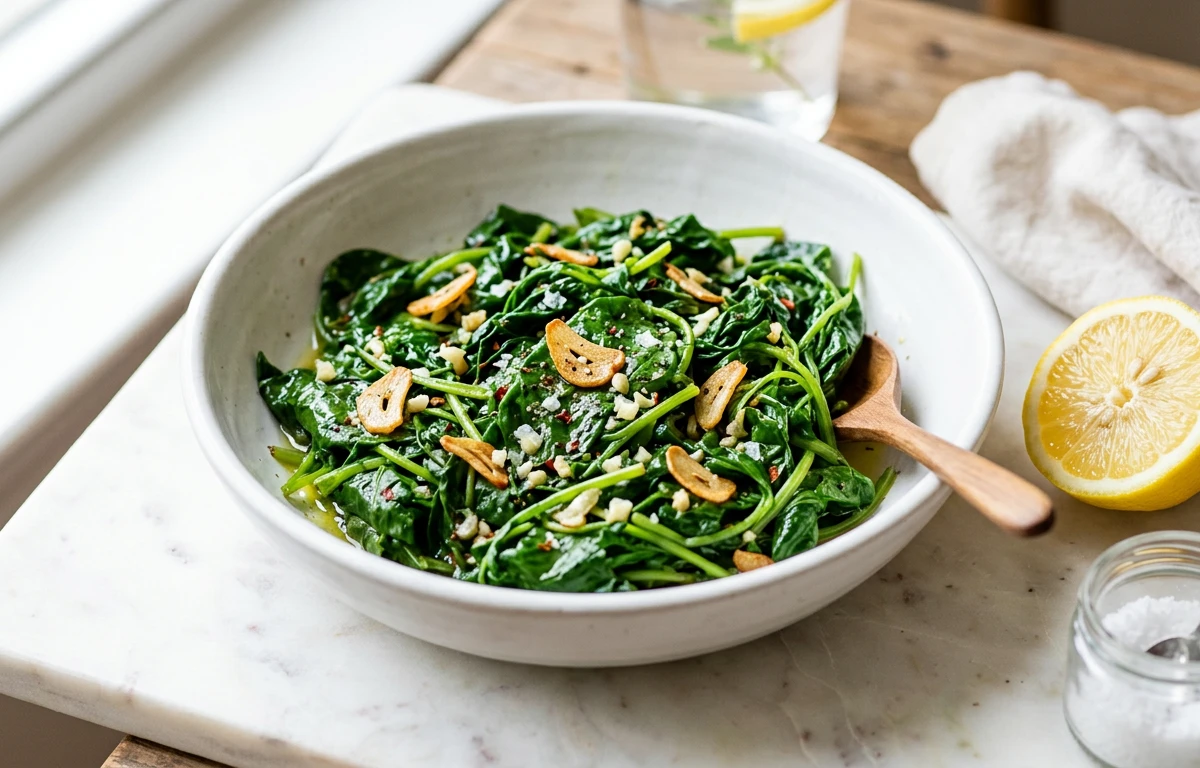
↑ Amaranth leaves are tender, earthy, and cook in minutes.
The ultimate leafy green?
Amaranth leaves are the edible greens of the amaranth plant, the same plant that produces the 'ancient grain' seeds. While the grain gets all the attention, the leaves are, in my opinion, the real prize. They're more tender than kale, milder than mustard greens, and have a lovely, slightly sweet, earthy flavor that's a lot like spinach. But unlike spinach, they don't have that chalky mouthfeel.
They cook down beautifully in just a few minutes, turning silky and tender. Whether you get the green variety or the stunning magenta-streaked kind, you're looking at a seriously versatile and nutrient-dense vegetable.
IN ONE LINE
Amaranth leaves are a tender, low-calorie, vitamin C-packed green that cooks in minutes and has a negligible impact on blood sugar.
Amaranth leaves nutrition facts
Here's the nutritional breakdown for a 100-gram serving of raw amaranth leaves, which is about one large bunch. It cooks down significantly, to about one packed cup.
The two standout numbers here are the calories and the vitamin C. At just 23 calories, you get a huge volume of food for very little energy cost. And with nearly half your daily vitamin C in one serving, it's a much better source than many fruits. The 2.5 grams of protein is also quite high for a leafy green.
A negligible glycemic index
Glycemic index (GI) isn't typically measured for non-starchy vegetables like amaranth leaves for a simple reason: they contain so few carbohydrates that their effect on blood sugar is minimal to non-existent. With less than 1 gram of net carbs per 100g serving, you can eat amaranth leaves freely without worrying about a blood sugar spike. Its glycemic load (GL), which accounts for portion size, is effectively zero. Compared to even low-GI fruits and grains, it's in a different league entirely.
GLYCEMIC INDEX · AMARANTH vs COMMON FOODS
Amaranth leaves have almost no glycemic impact
Amaranth Leaves
leafy green
LOW
Apple
whole fruit
LOW
Pineapple
whole fruit
MEDIUM
White bread
refined
HIGH
Cornflakes
refined
HIGH
SCALE 0–90
04590
How to cook it right
Amaranth is incredibly easy to cook, but a few simple tips make all the difference.
01
Wash it well.
Like spinach, it can be a bit sandy. Give it a good rinse in a big bowl of water to let any grit sink to the bottom.
02
Cook it fast.
This is not a green to stew for an hour. A quick sauté in a hot pan with a little oil takes just 2-3 minutes. It's done as soon as it wilts.
03
Don't boil it.
Boiling leaches out water-soluble nutrients (like that precious vitamin C) and can make the leaves slimy. Sautéing, steaming, or stir-frying is best.
04
Add some acid.
A squeeze of lemon juice or a splash of vinegar at the end of cooking brightens the flavor and makes the whole dish taste fresher.
What amaranth is good for
01
A huge vitamin C boost
One serving provides almost half of your daily vitamin C, which is crucial for immune function, skin health, and iron absorption.
48%
vit C DV
02
Excellent for weight management
At just 23 calories for a large serving, it's a high-volume, low-energy food that helps you feel full without adding calories.
23
calories
03
Blood sugar friendly
With under a gram of net carbs, it has virtually no impact on blood glucose, making it a perfect vegetable for diabetes and low-carb diets.
<1g
net carbs
04
A surprising protein source
For a leafy green, 2.5 grams of protein is quite high. It contributes to your daily protein intake, especially in a plant-based diet.
2.5 g
protein
What to pair it with
Amaranth's mild, earthy flavor makes it a fantastic team player. It pairs well with bold flavors that complement its tenderness.
Eat freely — or be mindful?
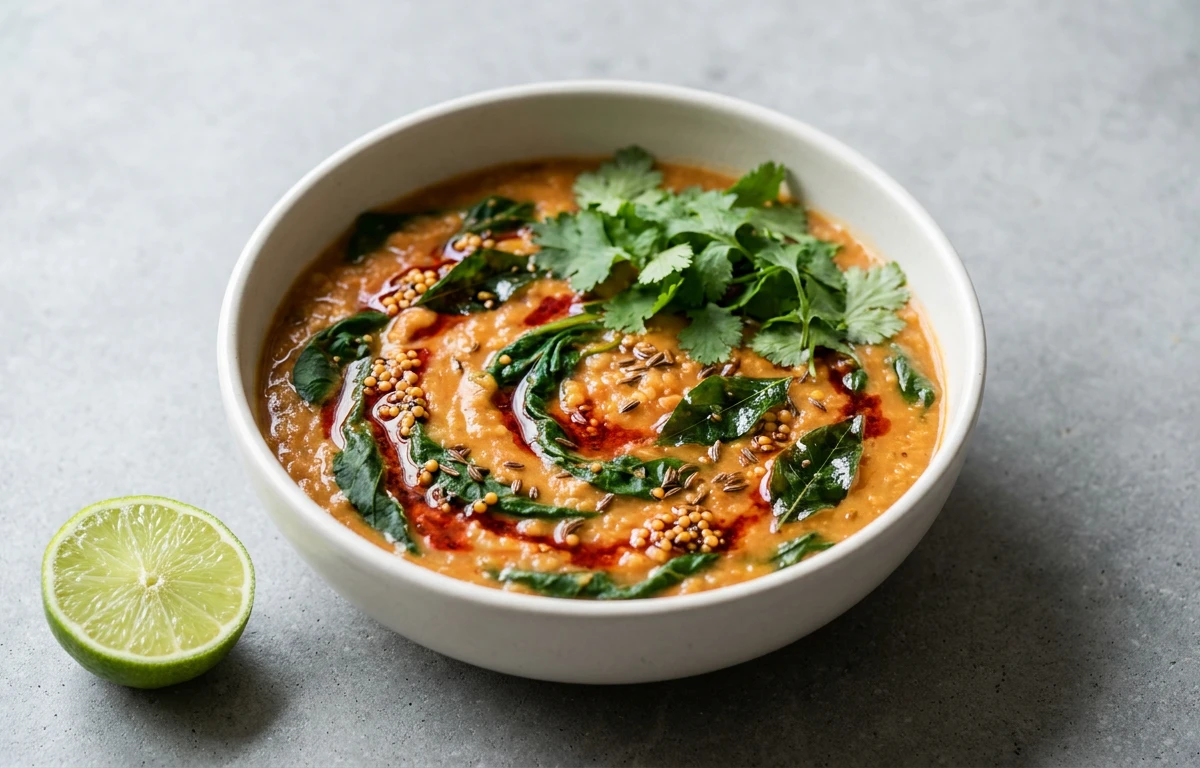
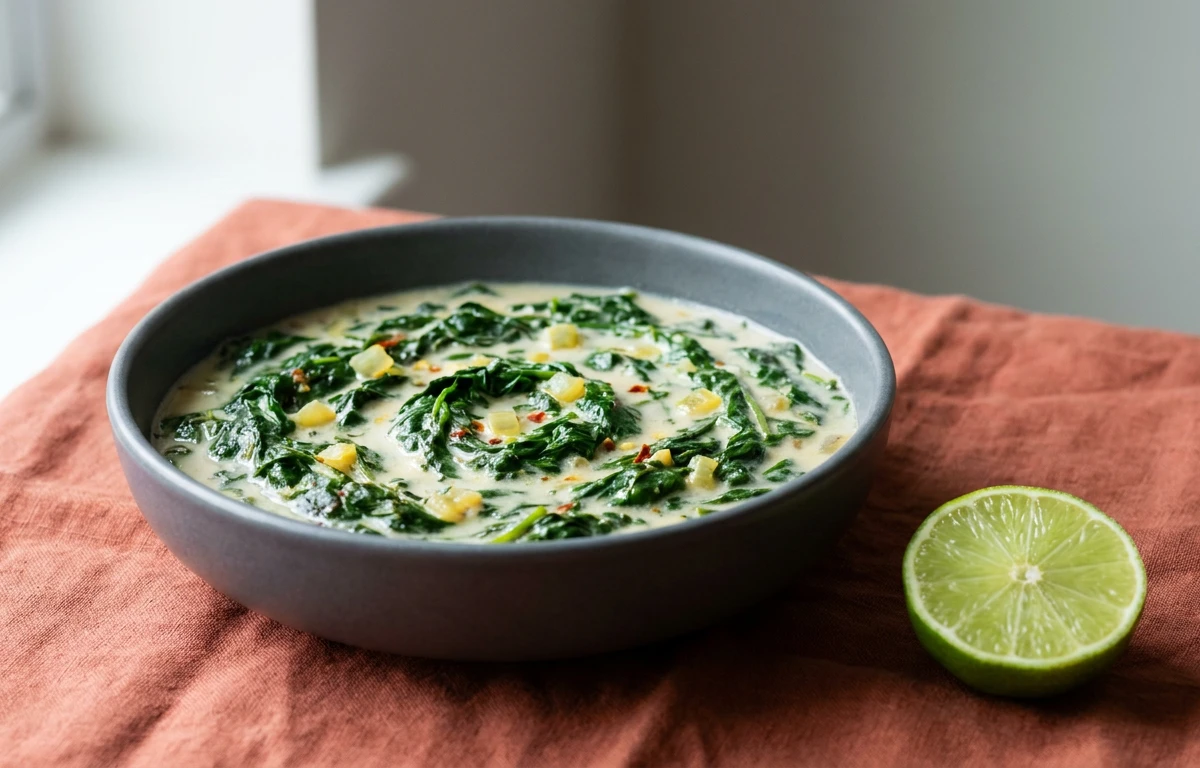
Three ways to cook it
Here are three simple recipes that let the flavor and texture of amaranth leaves shine.
Want more healthy greens worked into your week — without the guesswork?
Our meal planner can build you a balanced week of meals, incorporating nutrient-dense vegetables like amaranth leaves, with all the portions and macros calculated for you.
Build my weekly plan →SOURCES & REFERENCES · 3
One more thing
Eating well is rarely about willpower. It’s about having a short list of dinners you actually want to eat. Pick two from this list. Make them next week. The rest will follow.
If you want these on autopilot, our weekly meal planner can drop the picks above into your calendar with one click and build a single grocery list from the merged ingredients.
FREQUENTLY ASKED QUESTIONS
Frequently asked questions
Is amaranth a vegetable or a grain?
Both! The plant provides two different foods. The leaves are eaten as a leafy green vegetable (like spinach), while the tiny seeds are harvested and eaten as a pseudocereal grain (like quinoa).
What do amaranth leaves taste like?
They have a mild, earthy, and slightly sweet flavor, often compared to spinach but without the astringent, chalky feeling spinach can sometimes have. They are very tender when cooked.
Can you eat amaranth leaves raw?
Yes, the young, tender leaves can be eaten raw and make a great addition to salads. Larger, more mature leaves are better cooked, as they can be slightly tougher.
How are amaranth leaves different from spinach?
While similar in flavor, amaranth leaves are often more tender, cook faster, and lack the oxalic acid mouthfeel of spinach. Nutritionally, amaranth leaves are significantly higher in Vitamin C than spinach.

ABOUT THE AUTHOR
Shreya Chatterjee
NUTRITION WRITER
Shreya is a nutrition writer and the voice behind The Nutrition Pen, where she turns evidence-based nutrition into simple, repeatable eating habits. Her writing focuses on practical food guidance — what to actually put on the plate — for readers who want to eat well without the noise.
Meet the editorial team →METHODOLOGY
How this article was created
Built using verified nutrition databases, culinary research, and traditional cooking knowledge — every claim is cross-referenced against the sources listed in the article.
· USDA data· Culinary research· Quality reviewed
Read our methodology →TRANSPARENCY
About this content
Articles are curated using trusted food databases (USDA FoodData Central, IFCT), culinary literature, and dietary guidelines, then structured by our editorial team for clarity, accuracy, and usefulness.
· Verified data sources· Culinary research· Quality reviewed
Read our editorial policy →RELATED RECIPES
Cook from this article
EXPLORE OUR MEALS
Meals that fit this article

AMERICAN · 1677 CAL
Almonds with Sliced Apple + supplement + iron

MEDITERRANEAN · 809 CAL
Greek Yogurt with Berries Almonds and Granola + supplement + iron

GENERAL_HEALTHY · 705 CAL
Banana with Peanut Butter Pregnancy + supplement + iron

MODERN · 982 CAL
Hummus with Crudits and Pita with Fresh Orange Snack + supplement + iron
TAGGED
KEEP READING