Let's get one thing straight: basil seeds and chia seeds are not the same. While they both swell into a delightful gel, basil seeds (often called sabja or tukmaria) are their own thing entirely. They're tiny black seeds that become surrounded by a translucent coat when wet, and they're almost entirely fiber. This makes them a fascinating food for anyone interested in gut health, blood sugar control, and feeling properly full without a lot of calories.
↑ Soaked basil seeds form a gel that's packed with soluble fiber.
The Fiber Sponge
Think of basil seeds as a fiber sponge. When you drop them in water, they absorb many times their weight in liquid, creating a gelatinous bubble around a crunchy center. This gel is almost pure soluble fiber. It's why they're so prized in traditional drinks like Indian falooda or sharbat—they add texture, body, and an incredible sense of fullness.
Unlike culinary basil, these seeds come from the sweet basil plant (Ocimum basilicum). Their magic isn't in their flavor, which is very mild, but in this unique gelling property. It's what makes them such a functional food.
IN ONE LINE
One tablespoon of basil seeds contains over 5 grams of fiber — about 20% of your daily needs — with less than one gram of digestible carbohydrate.
Basil Seed Nutrition Facts
The numbers for basil seeds are striking, especially the ratio of fiber to total carbohydrate. Here’s the breakdown for a 100-gram serving, which is a very large amount—most people use a tablespoon or two at a time.
Look at that fiber number. Of the 48.3 grams of carbohydrate in 100 grams of seeds, a staggering 42.3 grams are fiber. This means the digestible (or 'net') carbohydrate content is incredibly low. This is the key to understanding all of their health benefits.
The (Very Low) Glycemic Impact
While there's no official glycemic index number for basil seeds, we can say with confidence that it's extremely low. Here's why: for a food to raise your blood sugar, it needs to contain digestible carbohydrates that your body can break down into glucose. Basil seeds have almost none. The massive amount of soluble fiber forms a thick gel in your stomach, which dramatically slows down the digestion of anything else you've eaten with it. The result is a very gentle, blunted impact on blood sugar levels, making them a fantastic ingredient for metabolic health.
GLYCEMIC INDEX · BASIL SEEDS vs COMMON FOODS
Basil seeds have a minimal blood sugar impact
Basil Seeds
Qualitative; very low
LOW
Cherries
whole fruit
LOW
Apple
whole fruit
LOW
Watermelon
whole fruit
HIGH
Cornflakes
refined
HIGH
SCALE 0–90
04590
How to Use Them Safely and Effectively
Using basil seeds is simple, but there's one non-negotiable rule.
01
Always soak them first.
Never eat them dry. They absorb a huge amount of water and can be a choking hazard if they expand in your esophagus. A 10-15 minute soak is all they need.
02
Start with a small amount.
A teaspoon or two is plenty to start with. A tablespoon is a very effective dose of fiber. Don't go overboard, especially if you're not used to high-fiber foods.
03
Add them to liquids.
Their most common use is in drinks—lemonade, iced tea, milk, or juices. They add a fun, bubbly texture.
04
Make a simple pudding.
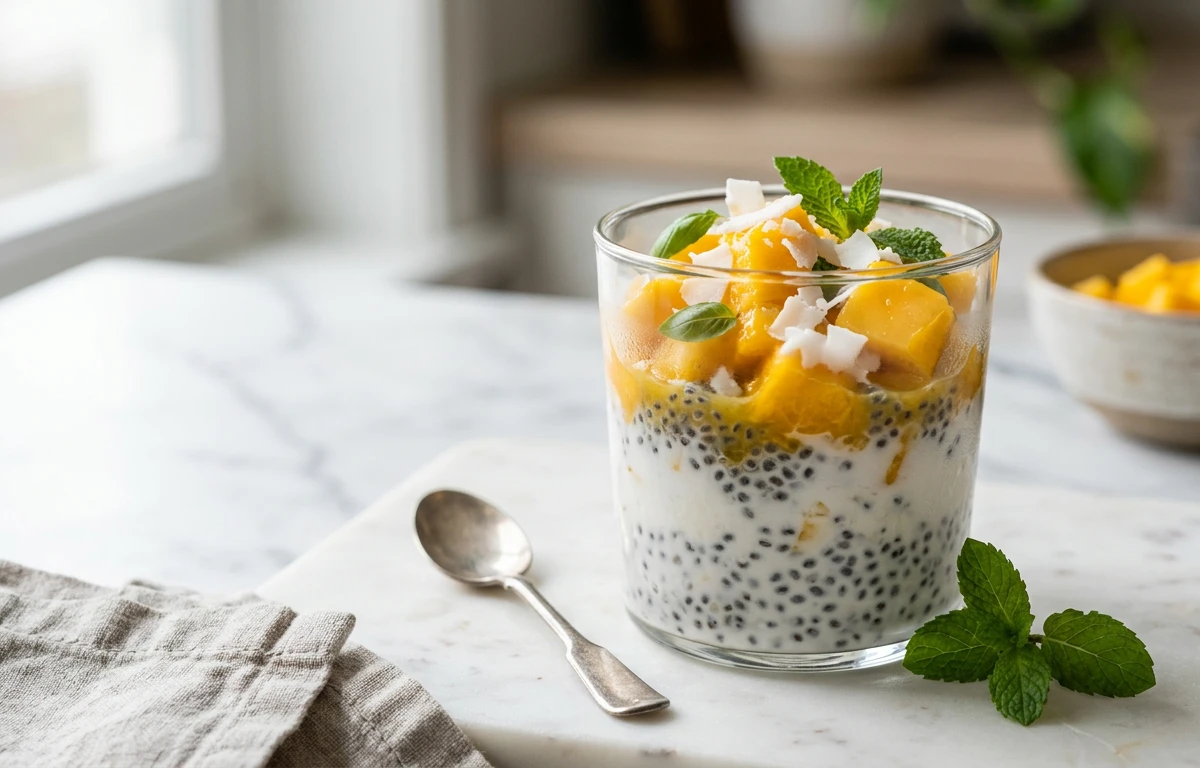
Like chia, you can make a pudding by soaking them in a thicker liquid like coconut milk or yogurt overnight. Add fruit and a little sweetener.
What Basil Seeds Are Good For
01
Promoting Fullness and Satiety
The gel-forming soluble fiber expands in your stomach, helping you feel full for longer on very few calories. This makes it a great tool for weight management.
5.5g
fiber/tbsp
02
Excellent Blood Sugar Regulation
With negligible net carbs and a powerful gelling action, basil seeds help flatten the blood sugar curve of any meal they're added to.
GI
Very Low
03
Supporting Digestive Health
The fiber in basil seeds acts as a prebiotic, feeding beneficial gut bacteria. It also adds bulk to stool, which can help with regularity.
42%
fiber by weight
04
A Plant-Based Source of Minerals
Beyond fiber, basil seeds provide useful amounts of minerals like iron, calcium, and magnesium, which are important for energy, bone health, and muscle function.
1.9g
protein/tbsp
What to Pair Basil Seeds With
Basil seeds are a textural ingredient that takes on the flavor of whatever you put them in. Think of them as a functional add-in.
Right for You — or Use with Caution?
Three Simple Ideas
Here are three incredibly easy ways to start using basil seeds.
.webp)
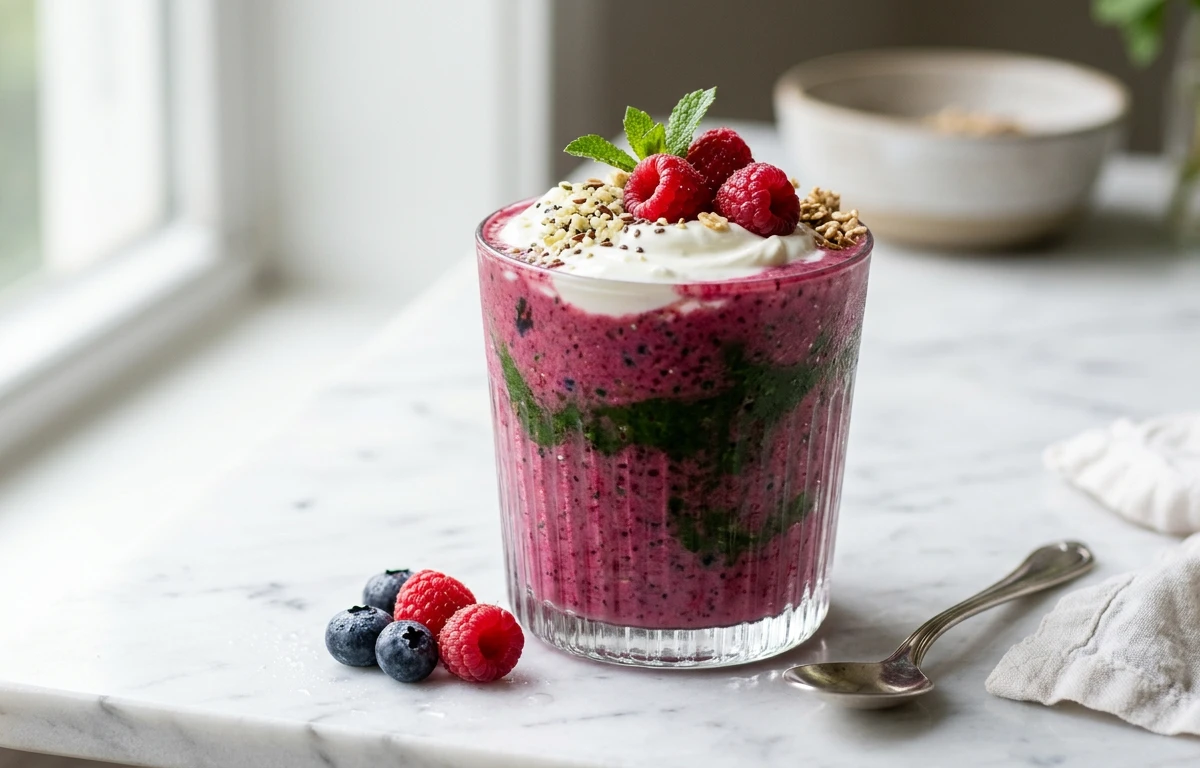
Want more high-fiber foods worked into your week?
Our meal planner can help you build balanced days that are rich in fiber from foods like seeds, legumes, and whole grains, with portions and macros calculated for you.
Build my weekly plan →SOURCES & REFERENCES · 3
One more thing
Eating well is rarely about willpower. It’s about having a short list of dinners you actually want to eat. Pick two from this list. Make them next week. The rest will follow.
If you want these on autopilot, our weekly meal planner can drop the picks above into your calendar with one click and build a single grocery list from the merged ingredients.
FREQUENTLY ASKED QUESTIONS
Frequently Asked Questions
Are basil seeds and chia seeds the same?
No, they are different. Basil seeds (sabja) gel up almost instantly, while chia seeds take longer. Basil seeds are typically black and oval, while chia seeds can be black, white, or grey and are more round. Nutritionally, they are similar in being high in fiber, but basil seeds have a slight edge in fiber content.
Do you have to soak basil seeds before eating?
Yes, absolutely. Eating them dry is a choking hazard because they swell rapidly when they come into contact with liquid. Always soak them for at least 10-15 minutes in water or another liquid before consuming.
How much basil seed can I eat in a day?
It's best to start small with one or two teaspoons to see how your digestive system reacts. A common daily serving is around one to two tablespoons (after soaking). Due to the high fiber content, consuming too much can lead to bloating or discomfort if you're not used to it.
What do basil seeds taste like?
Basil seeds are very neutral in flavor. They don't taste like basil leaves at all. They primarily contribute texture—a soft, gelatinous coating with a slight crunch in the center—and will take on the flavor of the drink or dish they are mixed into.
ABOUT THE AUTHOR
Shreya Chatterjee
NUTRITION WRITER
Shreya is a nutrition writer and the voice behind The Nutrition Pen, where she turns evidence-based nutrition into simple, repeatable eating habits. Her writing focuses on practical food guidance — what to actually put on the plate — for readers who want to eat well without the noise.
Meet the editorial team →METHODOLOGY
How this article was created
Built using verified nutrition databases, culinary research, and traditional cooking knowledge — every claim is cross-referenced against the sources listed in the article.
· USDA data· Culinary research· Quality reviewed
Read our methodology →TRANSPARENCY
About this content
Articles are curated using trusted food databases (USDA FoodData Central, IFCT), culinary literature, and dietary guidelines, then structured by our editorial team for clarity, accuracy, and usefulness.
· Verified data sources· Culinary research· Quality reviewed
Read our editorial policy →EXPLORE OUR MEALS
Meals that fit this article

AMERICAN · 1677 CAL
Almonds with Sliced Apple + supplement + iron

MEDITERRANEAN · 809 CAL
Greek Yogurt with Berries Almonds and Granola + supplement + iron

GENERAL_HEALTHY · 705 CAL
Banana with Peanut Butter Pregnancy + supplement + iron

MODERN · 982 CAL
Hummus with Crudits and Pita with Fresh Orange Snack + supplement + iron
TAGGED
KEEP READING