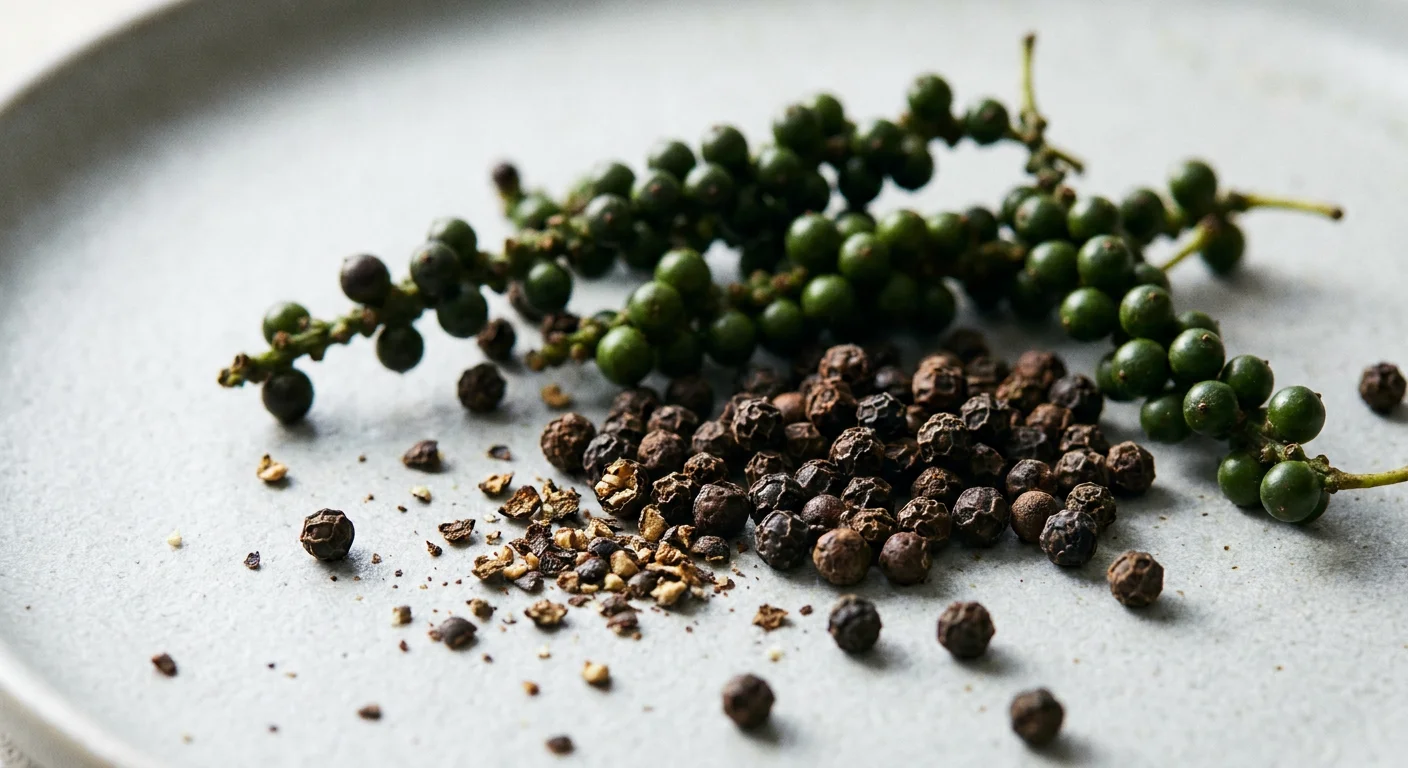
It’s the ghost in the machine of a thousand recipes. You put it in, you fish it out, and you’re never quite sure what it did. The bay leaf is one of the most common yet misunderstood items in the pantry. We think of it as just a flavour background note, but the nutritional profile — while based on an amount you'd never actually eat — is surprisingly robust. The real magic, though, isn't in its vitamin C content; it's in its ability to add deep, savory flavor for essentially zero calories, letting you build healthier dishes from the ground up.
↑ The stats are for 100g, but in reality, a single leaf adds flavor for almost zero calories.
The invisible herb
Bay leaf is a culinary contradiction. We're taught to use it for background depth in everything from bolognese to broth, but also to remove it before serving, lest someone choke on its woody texture. It's not there for bulk, nutrients, or texture. It's there as an aromatic, slowly releasing essential oils that weave other flavors together and add a subtle, savory, almost tea-like note that you only really notice when it's missing.
So, can an herb you don't even eat have a nutritional profile? Yes, but it needs a giant asterisk next to it. The data is interesting, but the real-world benefit is simpler: it makes food delicious without adding salt, sugar, or fat.
IN ONE LINE
Bay leaf adds deep, savory flavor for virtually zero calories or carbs. The official nutrition numbers are for a huge quantity you'd never eat, but they hint at a surprisingly complex plant.
Bay leaf nutrition facts
Here's where things get a little theoretical. For standardization, nutrition data is often presented per 100 grams. For bay leaves, that's a gigantic pile of hundreds of leaves — an amount you would never, ever use, let alone eat. Still, looking at this data shows us what the leaf is made of. The most striking number? The fiber. Over a quarter of a bay leaf's weight is dietary fiber.
Again, you are not getting 94% of your daily fiber from a bay leaf in your soup! These numbers are for the substance of the leaf itself. What you are getting is the flavor from its volatile oils, which are released into your food during cooking. The leaf itself is just the delivery vehicle.
Bay Leaf's Glycemic Impact is (Practically) Zero
Does bay leaf have a glycemic index? Not in any meaningful sense. Glycemic index measures how carbohydrates in a food affect blood sugar. Since you use one or two leaves and don't actually eat them, bay leaf contributes no carbohydrates to your meal. Its impact on your blood sugar is zero. It's a 'free' food from a glycemic standpoint, which makes it a fantastic tool for adding flavor to diabetes-friendly and low-carb dishes without complication.
GLYCEMIC INDEX · CONTEXT FOR COMMON FOODS
Bay Leaf Doesn't Register on the Glycemic Scale
Apple
whole fruit
LOW
Pineapple
whole fruit
MEDIUM
White bread
refined
HIGH
Cornflakes
refined
HIGH
SCALE 0–90
04590
How to use it right
Getting the most out of a bay leaf is simple, but a few small things make a big difference.
01
Add it to liquids, and add it early.
Bay leaf releases its flavor slowly. It's perfect for soups, stews, sauces, stocks, and pickling brines. Pop it in at the beginning of a long simmer.
02
Give it a little tear.
Gently tearing or twisting the leaf before you drop it in helps to break down the cell walls and release more of its aromatic oils.
03
Always, always remove it.
This isn't just an old wives' tale. The leaf remains tough and rigid even after hours of cooking. It's unpleasant to bite into and a genuine choking hazard. Count them in, count them out.
04
Don't go overboard.
More is not better. One or two leaves is enough for a standard family-sized pot of soup or stew. Too many can impart a bitter, medicinal flavor.
05
Store them properly.
Keep dried bay leaves in a sealed, airtight container away from light and heat. They'll keep their flavor for a year or two, but old leaves lose their punch.
What bay leaf is good for
01
Flavor without Salt or Calories
This is its primary job. Bay leaf adds a layer of savory depth to dishes, which can help you rely less on salt for flavor—a win for blood pressure and heart health.
0
calories
02
A Source of Aromatic Compounds
Bay leaves are rich in essential oils like eugenol and linalool. These compounds are responsible for the leaf's aroma and have been studied for their anti-inflammatory and antioxidant properties.
oils
essential
03
Traditional Digestive Aid
In traditional medicine, bay leaf tea has been used to settle the stomach, relieve gas, and promote digestion. While you're not drinking the tea, some of these properties may transfer to the broths it's cooked in.
aids
digestion
What to cook it with
Bay leaf is a team player. It doesn't scream for attention but makes everything around it better. It's essential in...
Use freely — or be mindful?
Three ways to use it
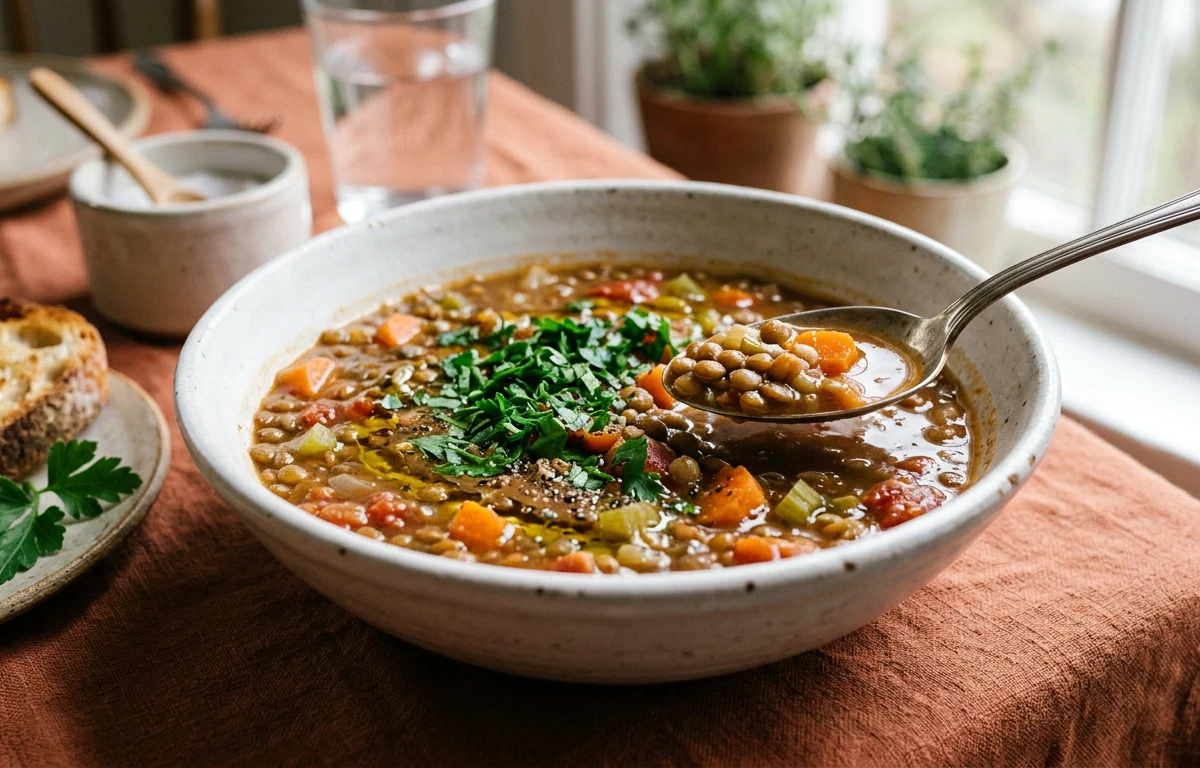
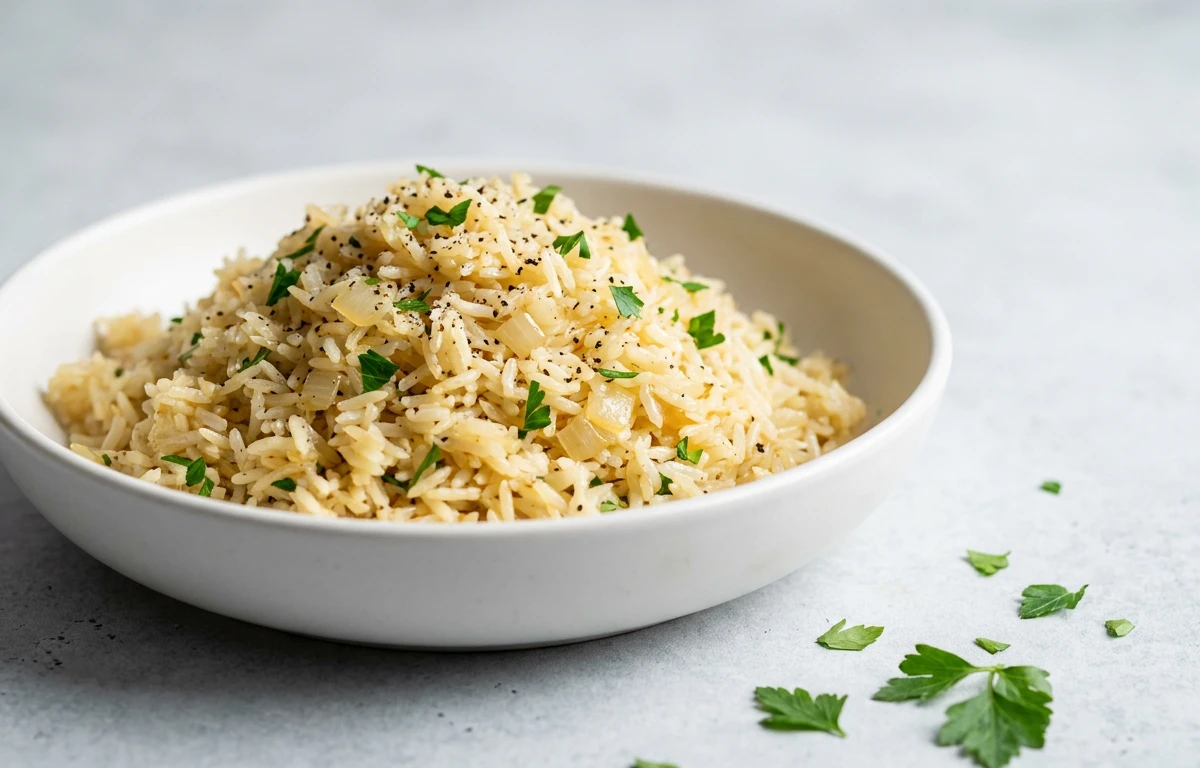
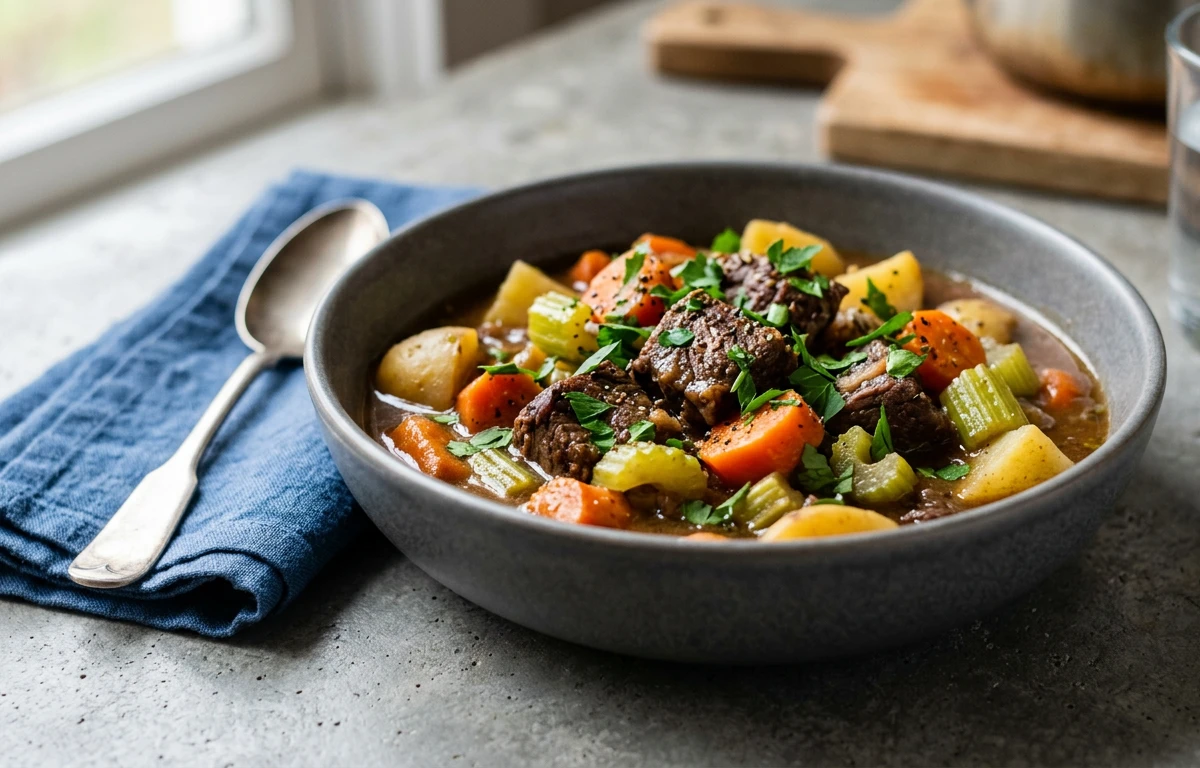
These recipes showcase the bay leaf not as the star, but as the essential supporting actor it is.
Want more smart, healthy flavor ideas worked into a balanced week?
Our meal planner uses herbs and spices strategically to create delicious, low-sodium meals with minimal effort. Get a plan with portions and macros already calculated and a single grocery list at the end.
Build my weekly plan →SOURCES & REFERENCES · 3
One more thing
Eating well is rarely about willpower. It’s about having a short list of dinners you actually want to eat. Pick two from this list. Make them next week. The rest will follow.
If you want these on autopilot, our weekly meal planner can drop the picks above into your calendar with one click and build a single grocery list from the merged ingredients.
FREQUENTLY ASKED QUESTIONS
Frequently asked questions
Are bay leaves poisonous if you eat them?
No, the culinary bay leaf (from the Laurus nobilis tree) is not poisonous. However, it is stiff and sharp even after cooking, making it a choking hazard. The myth likely comes from confusion with other, unrelated plants like cherry laurel, which is toxic.
Do you really need to remove the bay leaf?
Yes, you really do. It doesn't soften during cooking and has a tough, leathery texture that is unpleasant to eat. More importantly, it can be a choking hazard. It's best to count how many you put in so you can be sure to take them all out.
What does a bay leaf actually taste like?
The flavor is subtle and complex. It's not overpowering like rosemary or thyme. It adds a slightly herbal, floral, and almost tea-like background note that helps to mellow and meld other flavors in a dish. You often notice its absence more than its presence.
What's the difference between fresh and dried bay leaves?
Fresh bay leaves have a more delicate, milder flavor. Dried bay leaves have a more concentrated, potent flavor. If a recipe calls for one dried bay leaf, you can typically substitute it with two fresh leaves.
METHODOLOGY
How this article was created
Built using verified nutrition databases, culinary research, and traditional cooking knowledge — every claim is cross-referenced against the sources listed in the article.
· USDA data· Culinary research· Quality reviewed
Read our methodology →TRANSPARENCY
About this content
Articles are curated using trusted food databases (USDA FoodData Central, IFCT), culinary literature, and dietary guidelines, then structured by our editorial team for clarity, accuracy, and usefulness.
· Verified data sources· Culinary research· Quality reviewed
Read our editorial policy →RELATED RECIPES
Cook from this article
EXPLORE OUR MEALS
Meals that fit this article

AMERICAN · 1677 CAL
Almonds with Sliced Apple + supplement + iron

MEDITERRANEAN · 809 CAL
Greek Yogurt with Berries Almonds and Granola + supplement + iron

GENERAL_HEALTHY · 705 CAL
Banana with Peanut Butter Pregnancy + supplement + iron

MODERN · 982 CAL
Hummus with Crudits and Pita with Fresh Orange Snack + supplement + iron
TAGGED
KEEP READING