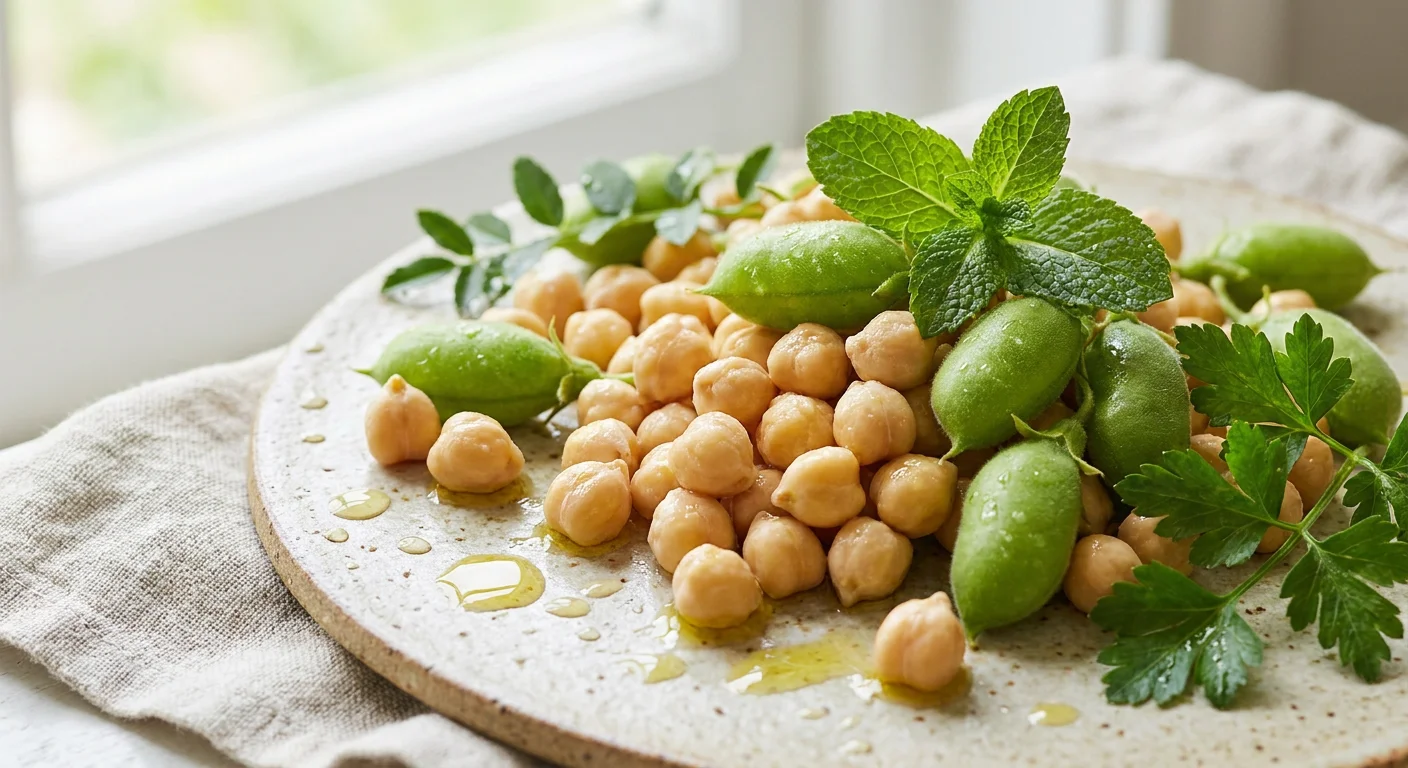
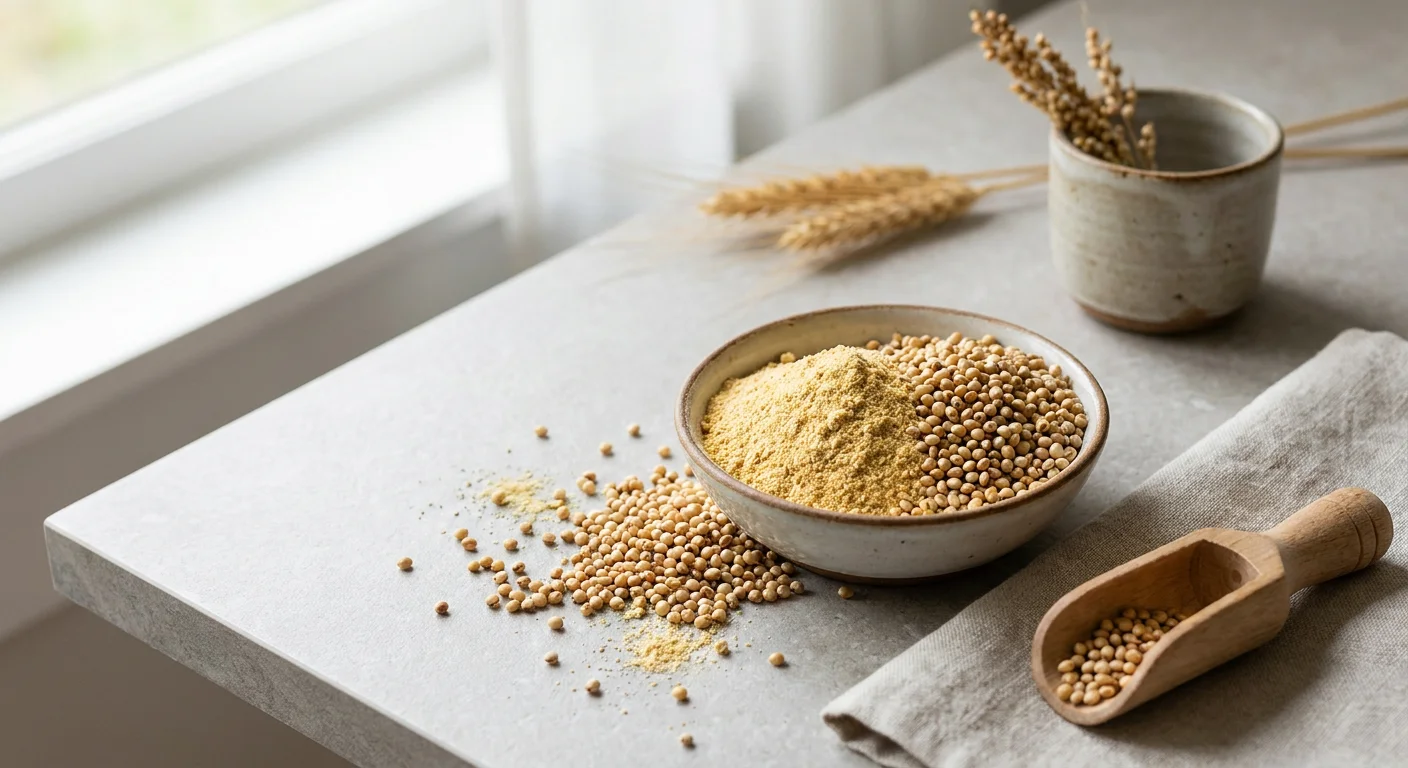
Walk down the flour aisle and you’ll see it: a quiet, golden-hued bag of chickpea flour, also known as besan or gram flour. It’s easy to walk past, but you’d be missing a trick. This isn't just a gluten-free alternative; it's a nutritional upgrade. With more protein than an egg and a startling amount of fiber, it behaves completely differently from refined white flour, keeping you full and your blood sugar steady. It’s the secret to crispy batters, savory pancakes, and some seriously satisfying baking.
↑ Chickpea flour, or besan, is a high-protein, gluten-free pantry staple.
The better-for-you flour
Think of chickpea flour not as a direct substitute for all-purpose flour, but as its own distinct ingredient with its own personality. Made simply from finely milled dried chickpeas, it has a beautiful golden color and a nutty, slightly earthy flavor that's fantastic in savory dishes.
But its real strength is nutritional. Compared to refined wheat flour, it's in a different league. It packs a huge amount of protein (over 22 grams per 100g) and fiber (nearly 11 grams). This combination is what makes it so satisfying and so much better for blood sugar stability. It slows down digestion, preventing the sharp energy spikes and crashes you get from more processed carbs.
IN ONE LINE
A high-protein, high-fiber, naturally gluten-free flour with a low glycemic index. It’s a smart swap for refined flours in savory recipes, adding nutrition and a satisfying nutty flavor.
Chickpea flour nutrition facts
Here’s the nutritional profile for a 100-gram serving of chickpea flour, which is just under one cup. This is where you really see it shine compared to other flours.
The numbers that jump out are protein and fiber. At 22.4g, it has more protein than the same weight of chicken breast. The 10.8g of fiber is about a third of your daily needs. It's also an incredible source of folate, a B-vitamin crucial for cell growth.
A low glycemic index food
While there isn't one single, universally agreed-upon GI number for chickpea flour, all studies and analysis confirm it's a low-glycemic food. The GI scale ranks foods from 0-100 based on how quickly they raise blood sugar. Anything under 55 is considered low. Thanks to its massive dose of fiber and protein, chickpea flour is digested very slowly, leading to a gentle, gradual rise in blood sugar rather than a sharp spike. This makes it an outstanding choice for anyone managing diabetes or just looking for sustained energy.
GLYCEMIC INDEX · CHICKPEA FLOUR vs COMMON FOODS
Chickpea flour sits firmly in the low-GI band
Cherries
whole fruit
LOW
Chickpea Flour
estimated
LOW
Pineapple
whole fruit
MEDIUM
White bread
refined
HIGH
Cornflakes
refined
HIGH
SCALE 0–90
04590
How to use it
Using chickpea flour isn't complicated, but it helps to know its quirks.
01
Don't swap 1:1 for wheat flour.
It's much more absorbent and has no gluten. In baking, start by replacing 25-30% of your regular flour with chickpea flour to add protein and density.
02
Embrace its savory side.
Its natural nutty flavor shines in savory recipes. Think flatbreads (like socca), fritters, or as a thickener for soups and curries.
03
Use it as a binder.
It makes a fantastic egg-free binder for veggie burgers, meatballs, or fritters. A few tablespoons mixed with water creates a thick paste that holds things together.
04
Whisk well to avoid lumps.
Like cornstarch, it can clump. Whisk it with a small amount of liquid to form a smooth slurry before adding it to the rest of your ingredients.
What chickpea flour is good for
01
A massive protein boost
With 22.4g of protein per 100g, it's a plant-based powerhouse that helps build muscle, repair tissue, and keeps you feeling full for hours.
22.4 g
protein
02
Excellent for blood sugar control
Its combination of high fiber, high protein, and low GI means it releases energy slowly and steadily, preventing blood sugar spikes.
Low
GI
03
Loaded with filling fiber
One serving provides almost 40% of your daily fiber needs, supporting digestive health, feeding good gut bacteria, and promoting satiety.
10.8 g
fiber
04
Naturally gluten-free
It's a safe and nutritious choice for anyone with celiac disease, gluten sensitivity, or who is simply avoiding gluten.
100%
gluten-free
What to pair it with
Chickpea flour's earthy flavor is a great canvas for bold spices and fresh herbs.
Is it right for you?
Three simple recipes
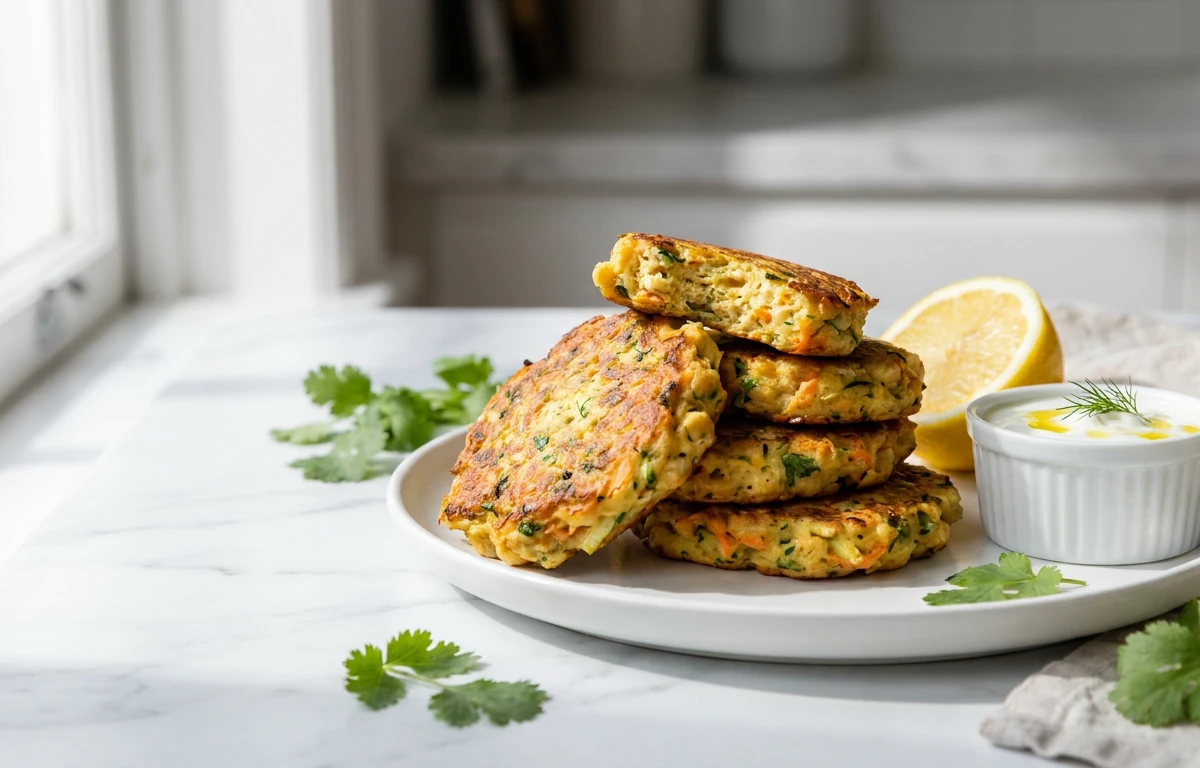
Get started with three easy recipes that let chickpea flour's best qualities shine.
.webp)
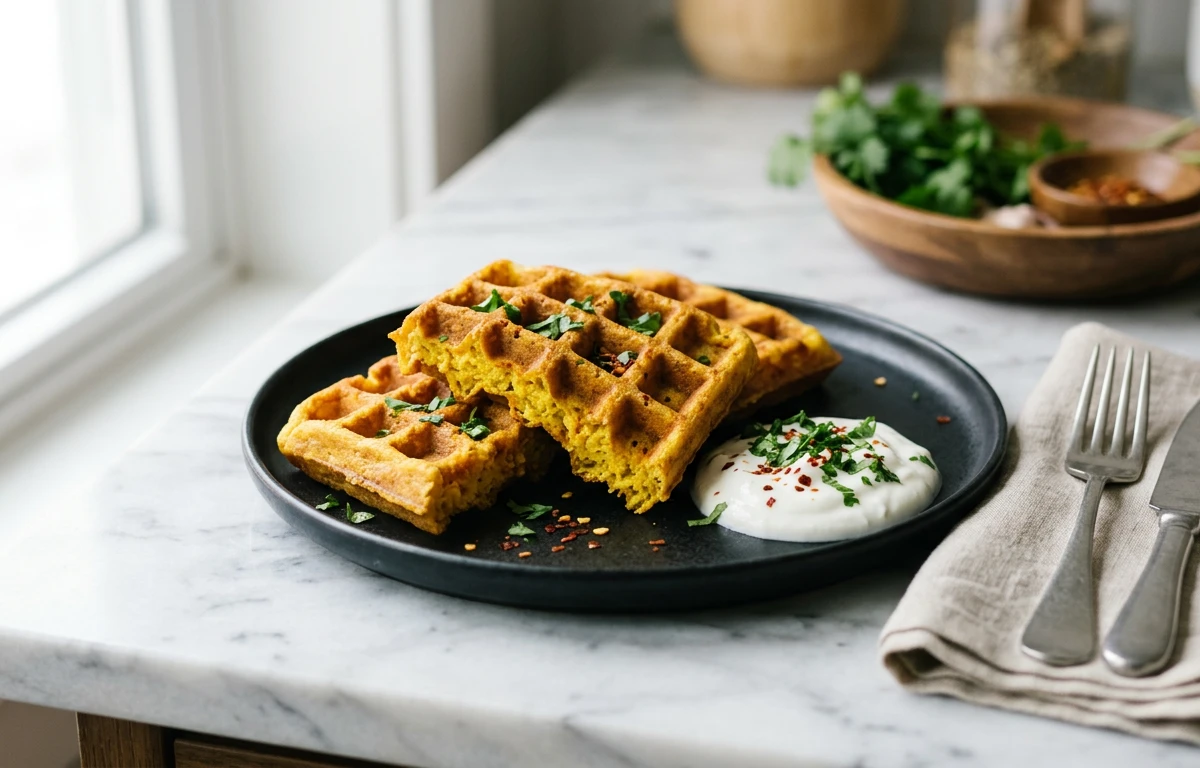
Want smart ingredients worked into a balanced week — without the planning?
Our meal planner uses ingredients like chickpea flour to build high-protein, high-fiber meals that keep you full and energized. We handle the portions and macros, you get a single grocery list.
Build my weekly plan →SOURCES & REFERENCES · 3
One more thing
Eating well is rarely about willpower. It’s about having a short list of dinners you actually want to eat. Pick two from this list. Make them next week. The rest will follow.
If you want these on autopilot, our weekly meal planner can drop the picks above into your calendar with one click and build a single grocery list from the merged ingredients.
FREQUENTLY ASKED QUESTIONS
Frequently asked questions
Is chickpea flour good for diabetes?
Yes, it's an excellent choice. Its high fiber and protein content, combined with a low glycemic index, helps to slow sugar absorption and prevent sharp spikes in blood glucose levels.
Is chickpea flour keto-friendly?
No, chickpea flour is not suitable for a standard ketogenic diet. While it's lower in carbs than wheat flour, it still contains over 50 grams of net carbohydrates per 100g, which is too high for keto's strict limits.
Is chickpea flour healthier than wheat flour?
For most people, yes. Compared to refined all-purpose white flour, chickpea flour is significantly higher in protein, fiber, and micronutrients like folate and iron. It also has a lower glycemic index. It offers a much more robust nutritional profile.
Can I use chickpea flour for baking cakes?
You can, but with caution. It has a strong, savory flavor and creates a dense texture. It's not a good 1:1 substitute for light, airy cakes. It works best when blended with other gluten-free flours or used in recipes specifically developed for it, like dense brownies or savory muffins.

ABOUT THE AUTHOR
Shreya Chatterjee
NUTRITION WRITER
Shreya is a nutrition writer and the voice behind The Nutrition Pen, where she turns evidence-based nutrition into simple, repeatable eating habits. Her writing focuses on practical food guidance — what to actually put on the plate — for readers who want to eat well without the noise.
Meet the editorial team →METHODOLOGY
How this article was created
Built using verified nutrition databases, culinary research, and traditional cooking knowledge — every claim is cross-referenced against the sources listed in the article.
· USDA data· Culinary research· Quality reviewed
Read our methodology →TRANSPARENCY
About this content
Articles are curated using trusted food databases (USDA FoodData Central, IFCT), culinary literature, and dietary guidelines, then structured by our editorial team for clarity, accuracy, and usefulness.
· Verified data sources· Culinary research· Quality reviewed
Read our editorial policy →EXPLORE OUR MEALS
Meals that fit this article

GENERAL_HEALTHY · 705 CAL
Banana with Peanut Butter Pregnancy + supplement + iron
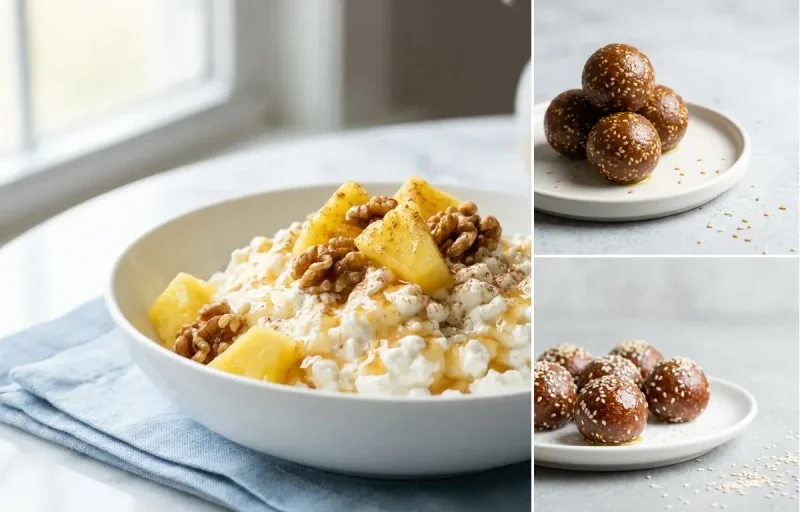
AMERICAN · 694 CAL
Cottage Cheese with Pineapple Walnuts and Hemp Pregnancy + supplement + iron
AMERICAN · 359 CAL
Apple with Peanut Butter with Glass of Milk + supplement + iron
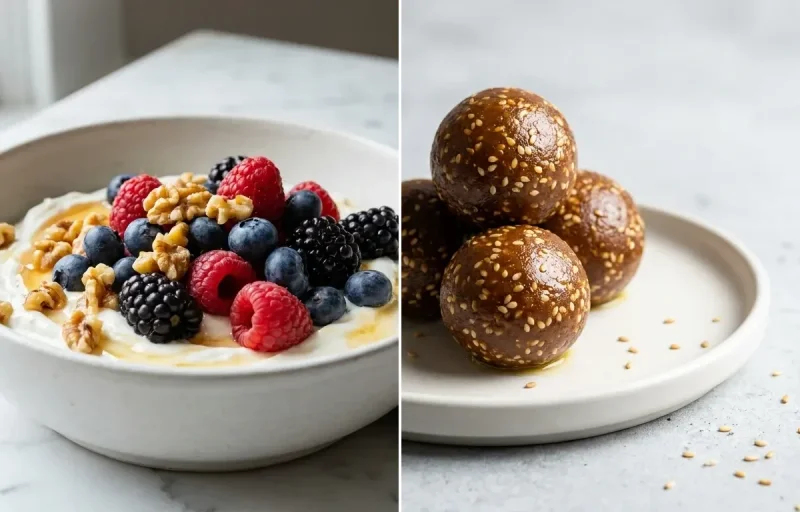
MEDITERRANEAN · 738 CAL
Greek Yogurt with Berries Walnuts and Honey + supplement + iron
TAGGED
KEEP READING