If you only know chickpeas as the main ingredient in hummus, you're missing out. These little beige legumes are one of the most versatile, affordable, and nutritionally impressive foods you can stock in your pantry. They're a genuine plant-based heavyweight, packing a serious punch of protein and fiber, which makes them incredibly filling. Plus, they're a 'slow carb', meaning they release their energy gradually without the drama of a blood sugar spike. They're not just good; they're smart.
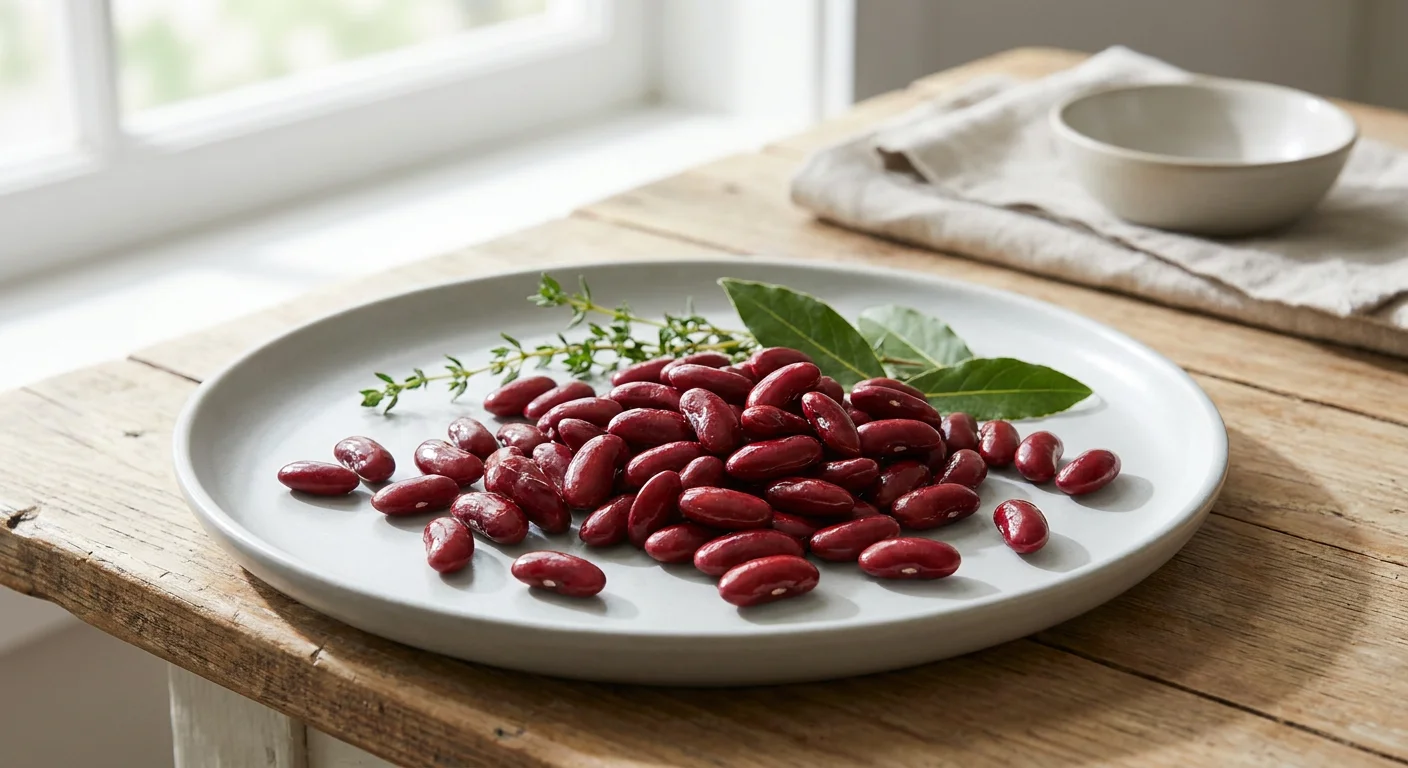
↑ Chickpeas are a pantry staple for a reason: versatile, affordable, and packed with nutrition.
The ultimate pantry staple
Also known as garbanzo beans, chickpeas are more than just a salad bar topping. They're a foundational food in kitchens all over the world, from the Mediterranean to the Middle East and India. And for good reason. They're cheap, they last forever in the cupboard (either dried or canned), and they deliver an incredible amount of nutrition for their cost.
They belong to the legume family, which also includes lentils, beans, and peas. What makes them special is their combination of high-quality plant protein and an enormous amount of dietary fiber. This one-two punch is the secret to their health benefits, especially when it comes to feeling full, managing weight, and keeping your blood sugar on an even keel.
IN A NUTSHELL
A true pantry powerhouse, chickpeas deliver high-quality plant protein, massive amounts of fiber, and slow-release energy, making them incredibly filling and blood-sugar friendly.
Chickpea nutrition facts
Here's what a 100-gram serving provides. A quick but important note: these numbers from the USDA are for dry chickpeas. Once you cook them, they absorb water and swell up, so a 100-gram (about 1/2 cup) cooked serving is much lower in calories, closer to 135.
The headline numbers are the protein and fiber. At over 19 grams of protein and 17 grams of fiber, chickpeas are incredibly satisfying. That fiber is more than half of what most of us need in a whole day! This combination is what makes them such a fantastic food for weight management and blood sugar control. They digest slowly, keeping you full and preventing the energy crashes you get from refined carbs.
Chickpeas and Glycemic Index
The Glycemic Index (GI) is a scale from 0 to 100 that tells you how quickly a food raises your blood sugar. Anything under 55 is considered 'low'. While there isn't one single, universally agreed-upon number for chickpeas (it varies a bit by preparation), they consistently fall deep in the low-GI category, often cited somewhere between 28 and 32.
This is all thanks to that huge dose of fiber and protein, which act like a brake on digestion. The carbohydrate in chickpeas is released into your bloodstream slowly and steadily. This makes them an excellent choice for anyone, but especially for people with type 2 diabetes or anyone trying to avoid energy slumps.
GLYCEMIC INDEX · CHICKPEAS vs COMMON FOODS
Chickpeas sit firmly in the low-GI band
Cherries
whole fruit
LOW
Chickpeas
legume
LOW
Apple
whole fruit
LOW
Pineapple
whole fruit
MEDIUM
White bread
refined
HIGH
SCALE 0–90
04590
How to eat more chickpeas
Getting more chickpeas into your diet is easy. They have a mild, nutty flavor that works in almost anything.
01
Rinse canned chickpeas.
If you're using canned, give them a good rinse under cold water. This can wash away up to 40% of the sodium.
02
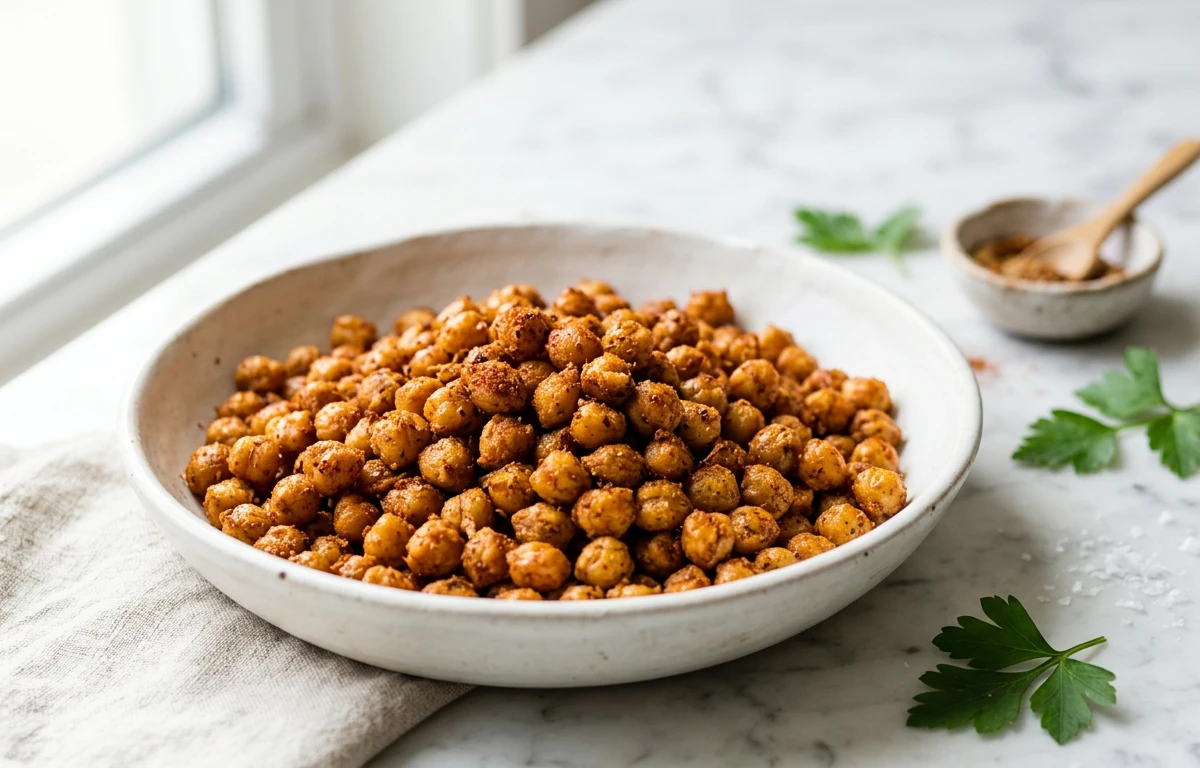
Roast them until crispy.
Toss with olive oil and spices, then roast at 400°F (200°C) until golden and crunchy. They're a fantastic, high-fiber replacement for chips.
03
Bulk up soups and stews.
A can of chickpeas adds protein, fiber, and a satisfying texture to pretty much any soup, stew, or curry.
04
Mash them for sandwiches.
Mash chickpeas with a fork, add some mayo or yogurt, celery, and onion, and you've got a brilliant vegetarian alternative to a tuna salad sandwich.
05
Don't forget hummus!
Making your own hummus is simple and lets you control the salt and oil. It's a perfect dip for veggies or a spread for wraps.
What chickpeas are good for
01
Excellent source of plant protein
With over 19g of protein per 100g dry, chickpeas are crucial for muscle repair, immune function, and keeping you feeling full.
19.3g
protein
02
Packed with filling fiber
The massive 17.4g of fiber feeds good gut bacteria, aids digestion, and is key to the chickpea's ability to keep you satisfied for hours.
17.4g
fiber
03
Supports steady blood sugar
Their very low glycemic index means they provide sustained energy without the spike-and-crash associated with refined carbohydrates.
Low GI
slow carb
04
Aids in weight management
The powerful combination of protein and fiber (a combo sometimes called the 'satiety index') makes chickpeas one of the best foods for managing appetite.
High
satiety
05
Good for your heart
The soluble fiber in chickpeas can help lower LDL ('bad') cholesterol levels, while their potassium content helps manage blood pressure.
Heart
healthy
What to pair chickpeas with
Chickpeas are a neutral canvas. They absorb flavors beautifully, making them a perfect partner for bold ingredients.
Are chickpeas right for you?
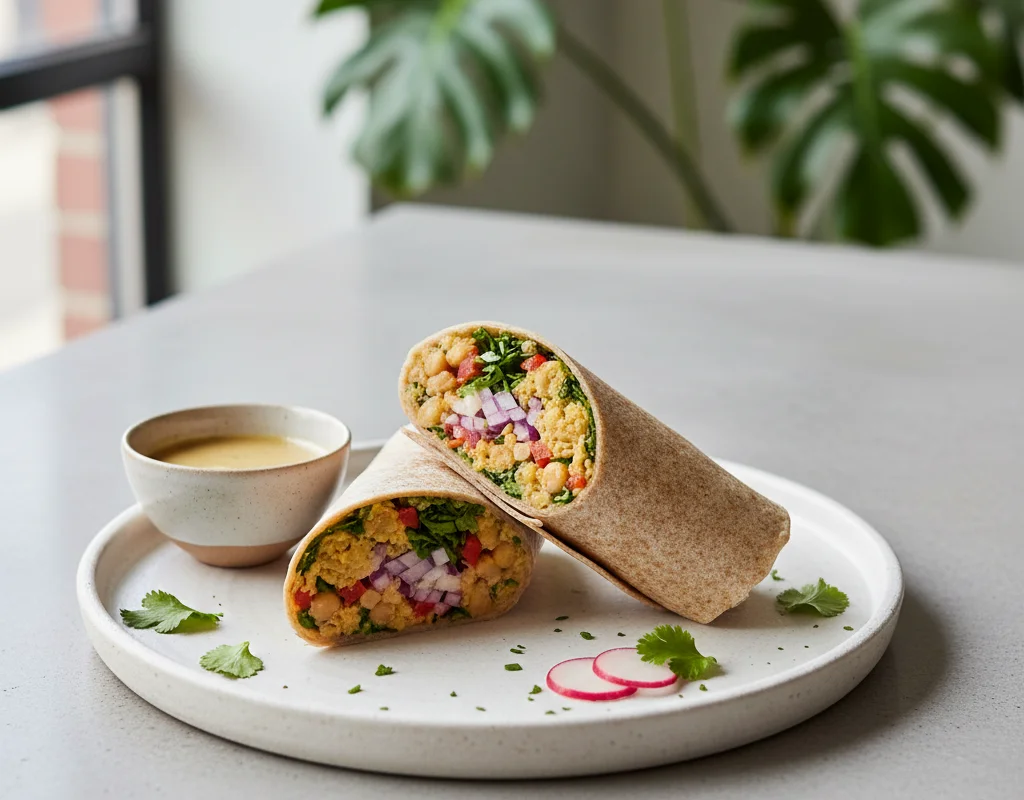
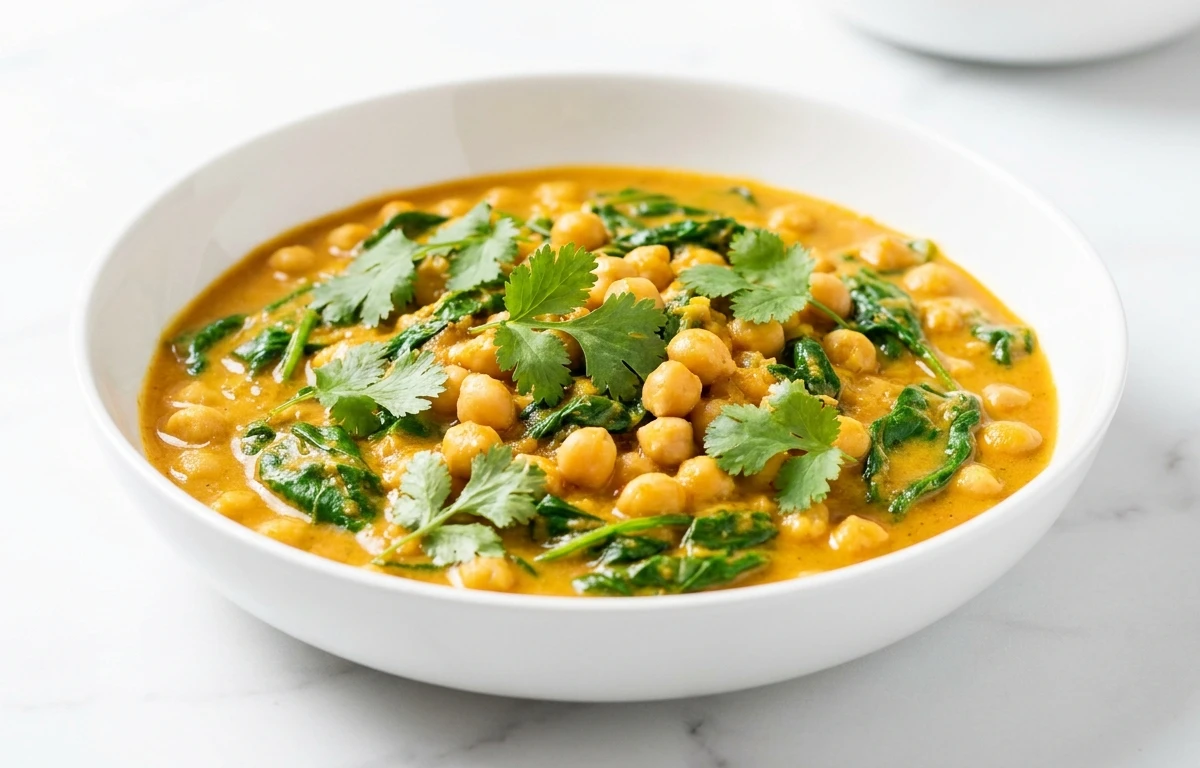
Three simple recipes
Ready to move beyond the can? Here are three easy ways to make chickpeas the star of a meal.
Want more balanced, high-fiber meals without the guesswork?
Our meal planner builds a custom week of meals around smart ingredients like chickpeas, balancing protein, fiber, and healthy fats to keep you full and energized. We handle the planning so you can just enjoy the food.
Build my weekly plan →SOURCES & REFERENCES · 3
One more thing
Eating well is rarely about willpower. It’s about having a short list of dinners you actually want to eat. Pick two from this list. Make them next week. The rest will follow.
If you want these on autopilot, our weekly meal planner can drop the picks above into your calendar with one click and build a single grocery list from the merged ingredients.
FREQUENTLY ASKED QUESTIONS
Frequently asked questions
Are chickpeas a carb or a protein?
They're both! Chickpeas are primarily a source of complex carbohydrates, but they also contain a very significant amount of plant-based protein. It's this combination, along with their high fiber, that makes them so nutritious.
Are canned chickpeas as healthy as dried?
Yes, for the most part. The nutritional profile is very similar. The main difference is that canned chickpeas often have added sodium. You can remove a good portion of it simply by rinsing them thoroughly in a colander before use.
Why do chickpeas cause gas?
Chickpeas contain oligosaccharides, a type of fiber that our small intestine can't break down. The bacteria in our large intestine ferment them, which produces gas. Soaking dried chickpeas overnight and rinsing canned ones can help reduce this effect.
Can I eat chickpeas every day?
Absolutely. They are a fantastic addition to a daily diet, providing fiber, protein, and essential minerals. Like any food, it's best to eat them as part of a varied diet that includes lots of different plants.

ABOUT THE AUTHOR
Shreya Chatterjee
NUTRITION WRITER
Shreya is a nutrition writer and the voice behind The Nutrition Pen, where she turns evidence-based nutrition into simple, repeatable eating habits. Her writing focuses on practical food guidance — what to actually put on the plate — for readers who want to eat well without the noise.
Meet the editorial team →METHODOLOGY
How this article was created
Built using verified nutrition databases, culinary research, and traditional cooking knowledge — every claim is cross-referenced against the sources listed in the article.
· USDA data· Culinary research· Quality reviewed
Read our methodology →TRANSPARENCY
About this content
Articles are curated using trusted food databases (USDA FoodData Central, IFCT), culinary literature, and dietary guidelines, then structured by our editorial team for clarity, accuracy, and usefulness.
· Verified data sources· Culinary research· Quality reviewed
Read our editorial policy →RELATED RECIPES
Cook from this article
EXPLORE OUR MEALS
Meals that fit this article

AMERICAN · 1677 CAL
Almonds with Sliced Apple + supplement + iron

MEDITERRANEAN · 809 CAL
Greek Yogurt with Berries Almonds and Granola + supplement + iron

GENERAL_HEALTHY · 705 CAL
Banana with Peanut Butter Pregnancy + supplement + iron
MODERN · 982 CAL
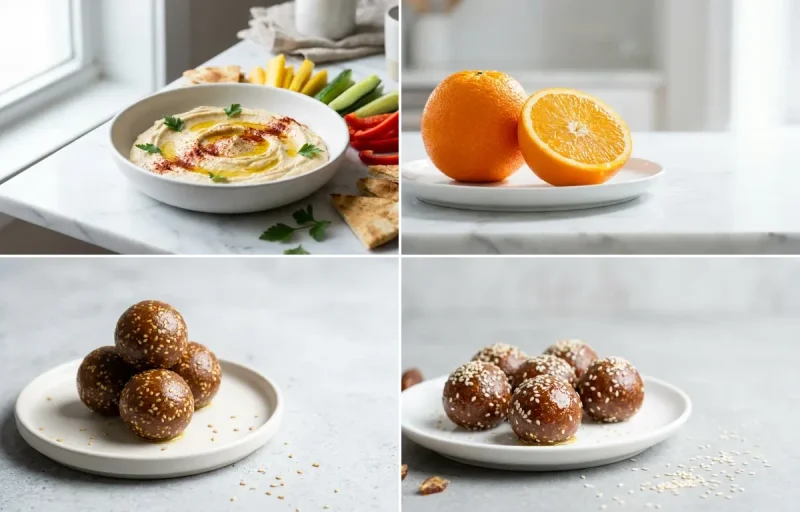
Hummus with Crudits and Pita with Fresh Orange Snack + supplement + iron
TAGGED
KEEP READING