Let's talk about the flour that's been hiding in plain sight. Sorghum flour — or jowar, as it's known across much of India — isn't some new, trendy 'superfood'. It's an ancient grain, earthy and slightly sweet, that's been feeding people for millennia. Now, as more of us are looking for gluten-free options that actually do something for our health, this humble flour is finally getting its moment. But it's not a simple one-for-one swap for wheat, and understanding how to use it is the key to loving it.
↑ Sorghum is an ancient grain now popular for gluten-free baking.
The ancient, gluten-free grain
Sorghum flour has a pleasant, slightly nutty flavor and a texture that's finer than cornmeal but heartier than wheat flour. Because it lacks gluten, it doesn't create the chewy, elastic structure we expect from bread. Instead, it produces a denser, more crumbly texture, which is perfect for flatbreads, pancakes, and certain cakes.
The real story here is the nutrition. Unlike many gluten-free flours that are mostly refined starch, sorghum is a whole grain. That means you get the entire package: the fiber, the protein, the minerals. It’s a workhorse flour, not just a stand-in.
IN ONE LINE
A high-protein, high-fiber, gluten-free whole grain flour. Its effect on blood sugar depends heavily on how it's cooked — think dense flatbreads, not fluffy cakes.
Sorghum flour nutrition facts
Here's the nutritional profile for a 100-gram serving of sorghum flour, which is about 3/4 of a cup.
The first thing to notice is the protein: at over 11 grams, that's a serious amount for a flour, putting it on par with whole wheat and far above rice or corn flour. Then there's the fiber. Over 6 grams makes it a legitimate whole grain that contributes to fullness and gut health. This isn't empty starch; it's a complex package built for slow, sustained energy.
Sorghum's glycemic index: It's complicated
This is where things get tricky. You won't find a single, reliable GI number for sorghum flour, and anyone who gives you one is oversimplifying. Why? Because the GI depends entirely on how you cook it. A soft, watery porridge will be digested faster and have a higher GI than a firm, dense roti (flatbread) made from the same flour. The starch in sorghum can be quite resistant to digestion, which is good, but processing and cooking methods change that.
As a rule of thumb, treat it as a medium-to-high GI food and always pair it with vegetables, lentils, or yogurt to add fiber, fat, and protein. This blunts its overall effect on your blood sugar.
GLYCEMIC INDEX · A ROUGH COMPARISON
Sorghum flour vs. common foods
Apple
whole fruit
LOW
Mango
whole fruit
LOW
Sorghum Roti
est. flatbread
MEDIUM
White bread
refined
HIGH
SCALE 0–90
04590
How to use it smartly
Sorghum flour can be a bit of a challenge at first. It's thirsty and dense. Here's how to get the best from it.
01
Add plenty of liquid.
Sorghum flour absorbs a lot of moisture. For flatbreads like jowar roti, hot water is key to making a workable dough.
02
Don't expect it to rise.
With no gluten, it won't trap air like wheat flour. It's best for flatbreads, crepes, dense cakes, and as a thickener.
03
Mix with other flours.
For better texture in baking, try blending it. A mix of 25% sorghum flour with a gluten-free all-purpose blend can add nutrition and flavor.
04
Pair it with fat and acid.
A little ghee, oil, or yogurt (for savory dishes) or buttermilk (for pancakes) helps improve the texture and mouthfeel.
05
Embrace its earthiness.
Its flavor is lovely but distinct. It shines in savory applications with spices, herbs, and vegetables.
What sorghum flour is good for
01
Sustained energy from protein & fiber
The powerful combination of 11g of protein and 6g of fiber per 100g helps slow digestion, keeping you fuller for longer and providing steady energy.
11.3 g
protein
02
Naturally gluten-free
For those with celiac disease or a gluten sensitivity, sorghum is a safe and nutritious whole-grain alternative to refined rice or tapioca flours.
100%
gluten-free
03
Supports gut health
The dietary fiber in sorghum acts as a prebiotic, feeding the beneficial bacteria in your gut, which is crucial for overall digestive health.
6.3 g
fiber
04
Rich in minerals
Sorghum is a good source of magnesium, which is essential for bone health, nerve function, and blood sugar control, plus a decent amount of iron.
39%
magnesium DV
What to pair it with
Sorghum's earthy flavor loves bold partners. Pairing it correctly also improves its nutritional profile.
Is it right for you?
Three ways to use it
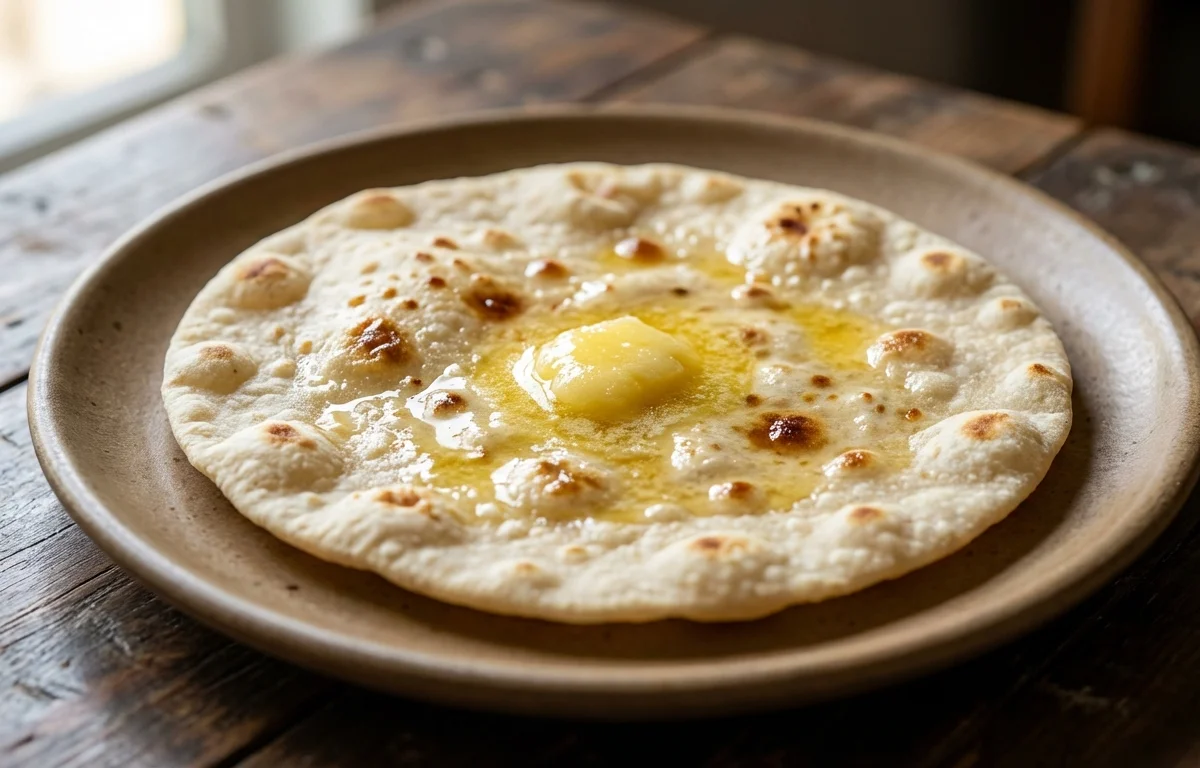
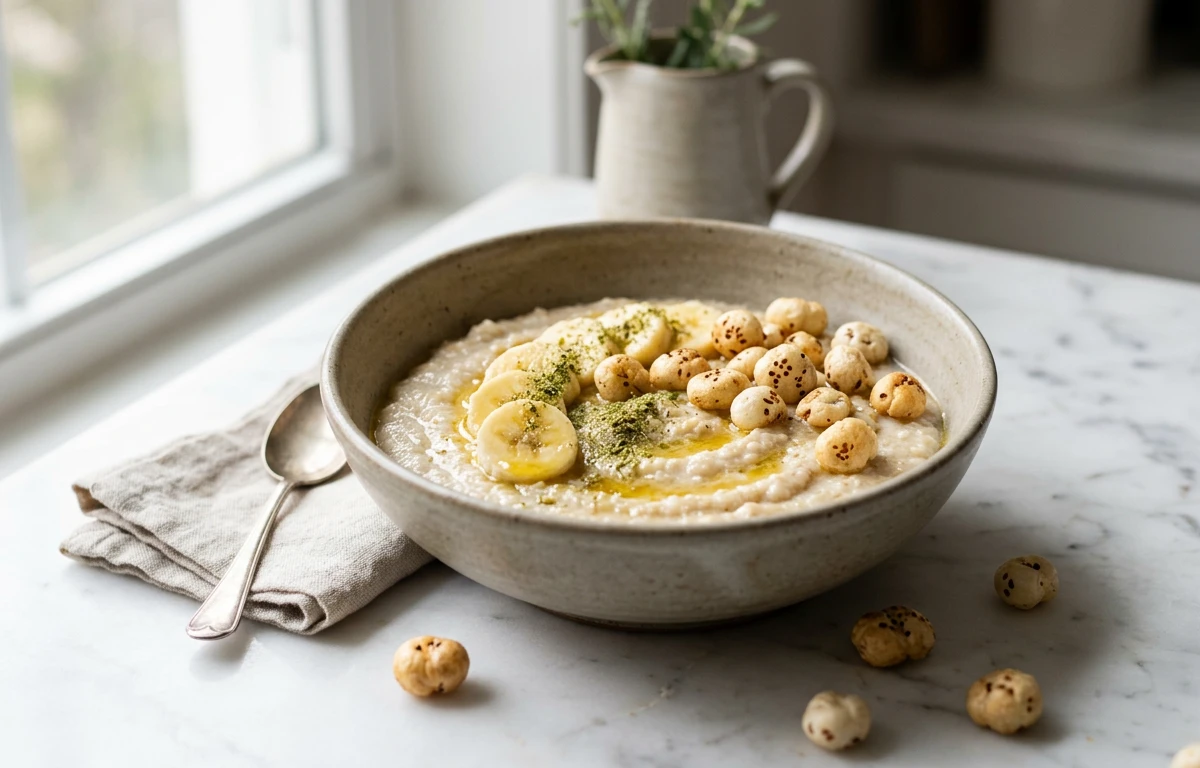
Start with these simple recipes to get a feel for how sorghum flour works in the kitchen.
.webp)
Want whole grains like sorghum worked into a balanced week?
Our meal planner uses a variety of grains to build balanced meals, with all the portions and macros calculated for you. Get a plan that keeps things interesting and healthy.
Build my weekly plan →SOURCES & REFERENCES · 3
One more thing
Eating well is rarely about willpower. It’s about having a short list of dinners you actually want to eat. Pick two from this list. Make them next week. The rest will follow.
If you want these on autopilot, our weekly meal planner can drop the picks above into your calendar with one click and build a single grocery list from the merged ingredients.
FREQUENTLY ASKED QUESTIONS
Frequently asked questions
Is sorghum flour good for people with diabetes?
It can be, but with caution. The high fiber and protein are beneficial, but it's still a high-carbohydrate flour with a variable glycemic index. A dense roti is better than a watery porridge. Portions must be controlled and paired with protein and vegetables. Always consult your doctor or dietitian.
Is sorghum flour healthier than whole wheat flour?
They are nutritionally similar in terms of protein and fiber. For someone with celiac disease or gluten intolerance, sorghum is clearly healthier. For others, they are both excellent whole-grain choices. Variety is always a good strategy.
Why is my sorghum dough so crumbly?
Because it has no gluten! Gluten provides elasticity. To combat this, use hot water when making dough for rotis, as it helps gelatinize the starches. Adding a binder like a little psyllium husk or another flour can also help in baking.
Can I use sorghum flour for weight loss?
Yes, it can be a great tool. The high fiber and protein content make it very filling, which can help you eat fewer calories overall. A single jowar roti with a vegetable curry is a very satisfying, low-calorie meal.

ABOUT THE AUTHOR
Shreya Chatterjee
NUTRITION WRITER
Shreya is a nutrition writer and the voice behind The Nutrition Pen, where she turns evidence-based nutrition into simple, repeatable eating habits. Her writing focuses on practical food guidance — what to actually put on the plate — for readers who want to eat well without the noise.
Meet the editorial team →METHODOLOGY
How this article was created
Built using verified nutrition databases, culinary research, and traditional cooking knowledge — every claim is cross-referenced against the sources listed in the article.
· USDA data· Culinary research· Quality reviewed
Read our methodology →TRANSPARENCY
About this content
Articles are curated using trusted food databases (USDA FoodData Central, IFCT), culinary literature, and dietary guidelines, then structured by our editorial team for clarity, accuracy, and usefulness.
· Verified data sources· Culinary research· Quality reviewed
Read our editorial policy →RELATED RECIPES
Cook from this article
EXPLORE OUR MEALS
Meals that fit this article

GENERAL_HEALTHY · 705 CAL
Banana with Peanut Butter Pregnancy + supplement + iron
AMERICAN · 694 CAL
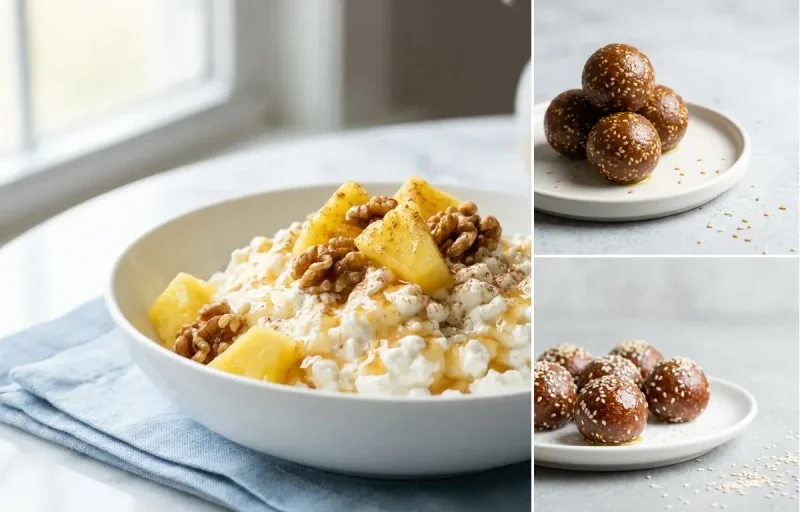
Cottage Cheese with Pineapple Walnuts and Hemp Pregnancy + supplement + iron

AMERICAN · 359 CAL
Apple with Peanut Butter with Glass of Milk + supplement + iron

MEDITERRANEAN · 738 CAL
Greek Yogurt with Berries Walnuts and Honey + supplement + iron
TAGGED
KEEP READING