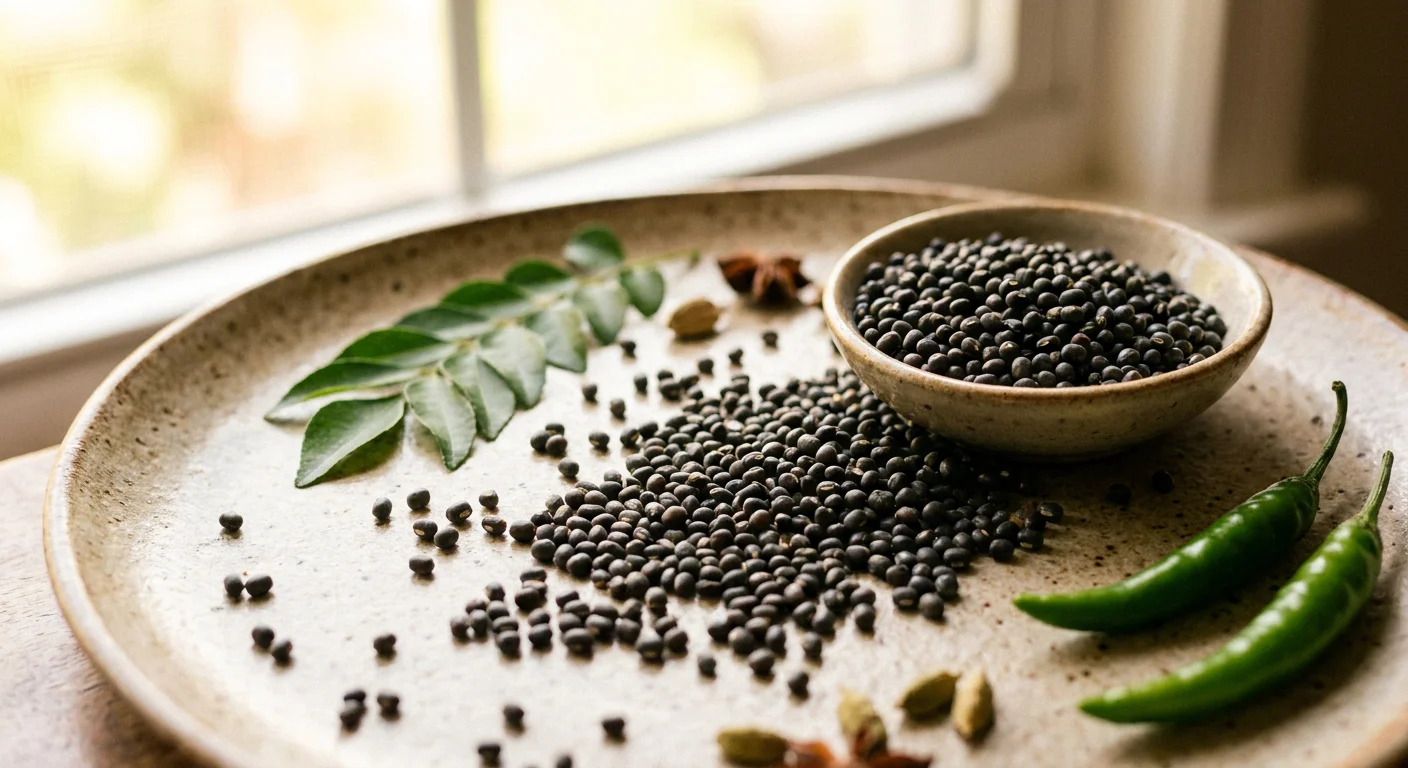
It’s one of those ingredients that feels both ancient and incredibly modern. Sattu, or roasted gram flour, is a humble-looking powder with a nutty, earthy scent that’s been a staple in parts of India for generations. But look closer, and you’ll see it ticks all the boxes we look for today: sky-high protein, loads of fiber, and slow-releasing carbs. It's not just 'flour'; it's a complete, ready-to-eat food that asks for nothing more than a little water to become a nourishing meal.
↑ Sattu isn't just a flour; it's an instant, high-protein meal.
The original protein powder
Long before we had tubs of whey and casein, there was sattu. Made from roasted chickpeas (kala chana) that are ground into a fine powder, it's essentially an instant, shelf-stable source of plant-based nutrition. Because it's pre-cooked during the roasting process, you don't need to heat it. You just mix it with liquid and you're good to go.
Its biggest selling point is the combination of high protein and high fiber. This duo makes it incredibly filling and ensures the carbohydrates it contains are released slowly, providing steady energy rather than a quick spike. It's a fantastic, functional food that deserves a spot in any modern pantry.
Sattu is not the same as besan (gram flour). Besan is made from raw chickpeas; sattu is made from roasted ones, giving it a nuttier flavor and making it ready-to-eat.
Sattu nutrition facts
The numbers for sattu are impressive. A 100-gram serving is quite large—most people would use 3-4 tablespoons (about 30-40g) for a drink or a couple of parathas. But looking at the 100g breakdown shows you just how nutrient-dense it is.
The two numbers that jump out are protein and fiber. At over 22 grams of protein per 100g, it's on par with some meats and far higher than other flours. The nearly 11 grams of fiber is fantastic for gut health, fullness, and blood sugar control. It’s a true slow-burn fuel.
Sattu's glycemic index
While sattu itself doesn't have an officially published glycemic index value, we can make a very strong, educated guess. It's made from chickpeas, which are a low-GI food. Its un-roasted cousin, besan (gram flour), has a documented low GI of around 44. Roasting can sometimes slightly increase GI, but the high fiber and protein content act as a powerful brake on sugar absorption. All signs point to sattu being a low-glycemic food, making it an excellent choice for sustained energy.
GLYCEMIC INDEX · SATTU vs COMMON FOODS
Sattu sits firmly in the low-GI band
Apple
whole fruit
LOW
Sattu (proxy)
roasted gram flour
LOW
Watermelon
whole fruit
HIGH
White Bread
refined
HIGH
Cornflakes
refined
HIGH
SCALE 0–90
04590
How to use sattu
The beauty of sattu is its simplicity. Because it's roasted, it's ready to go. No cooking required.
01
Make a nourishing drink (Sharbat).
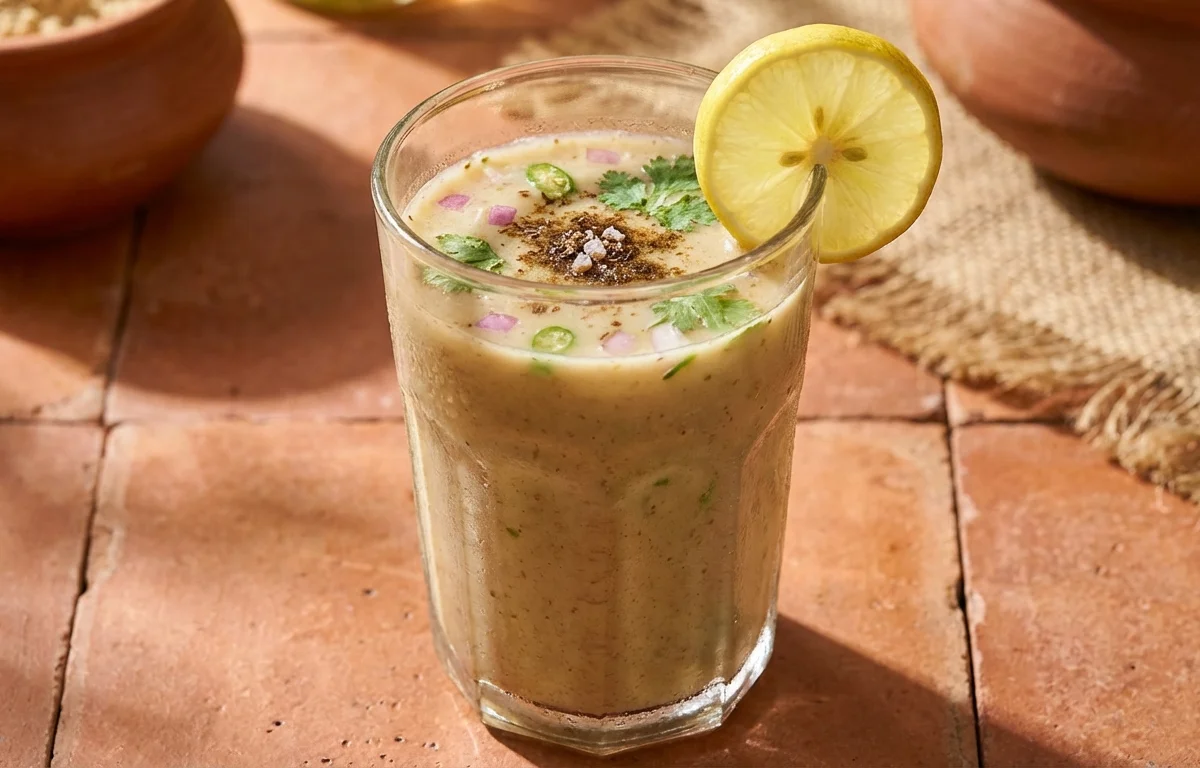
This is the classic use. Just mix a few tablespoons of sattu with water, a pinch of salt, maybe some lemon juice and roasted cumin for a savory drink, or with a little jaggery and milk for a sweet one.
02
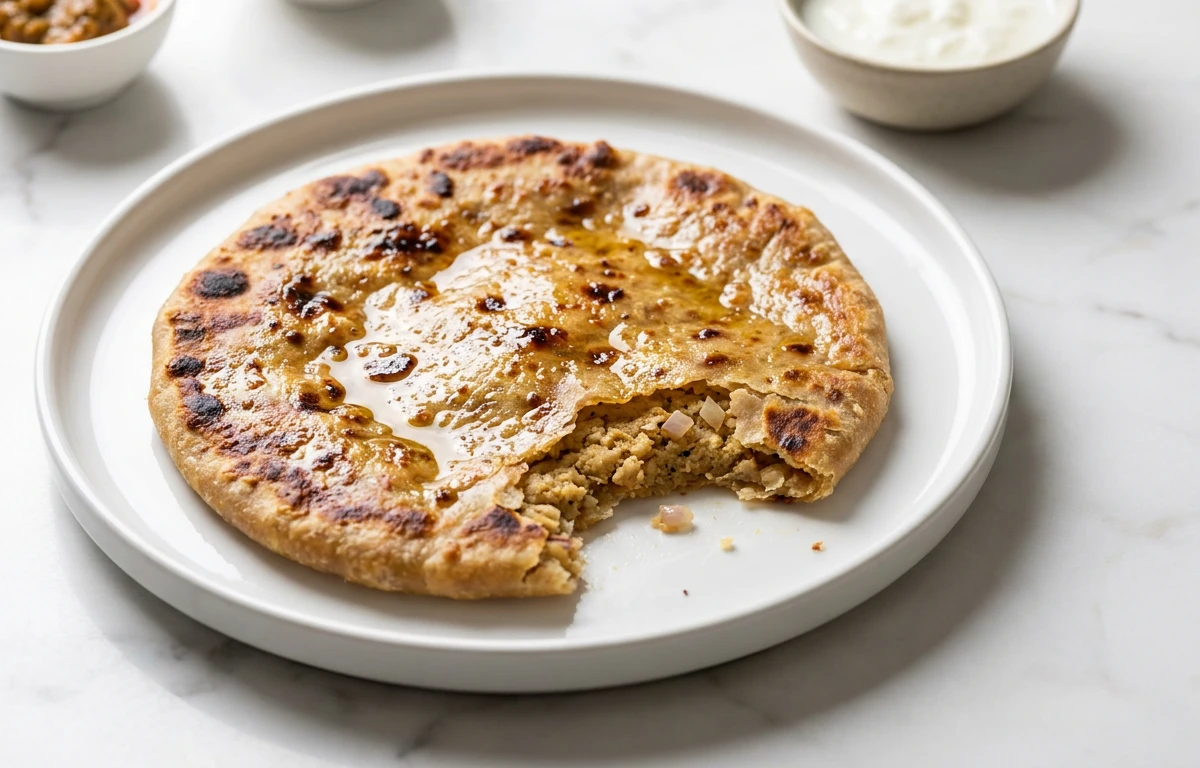
Use it as a filling.
Mix sattu with spices, onion, and herbs to create a dry, crumbly filling for parathas (flatbreads) or kachoris. The most famous dish using this is Bihar's litti.
03
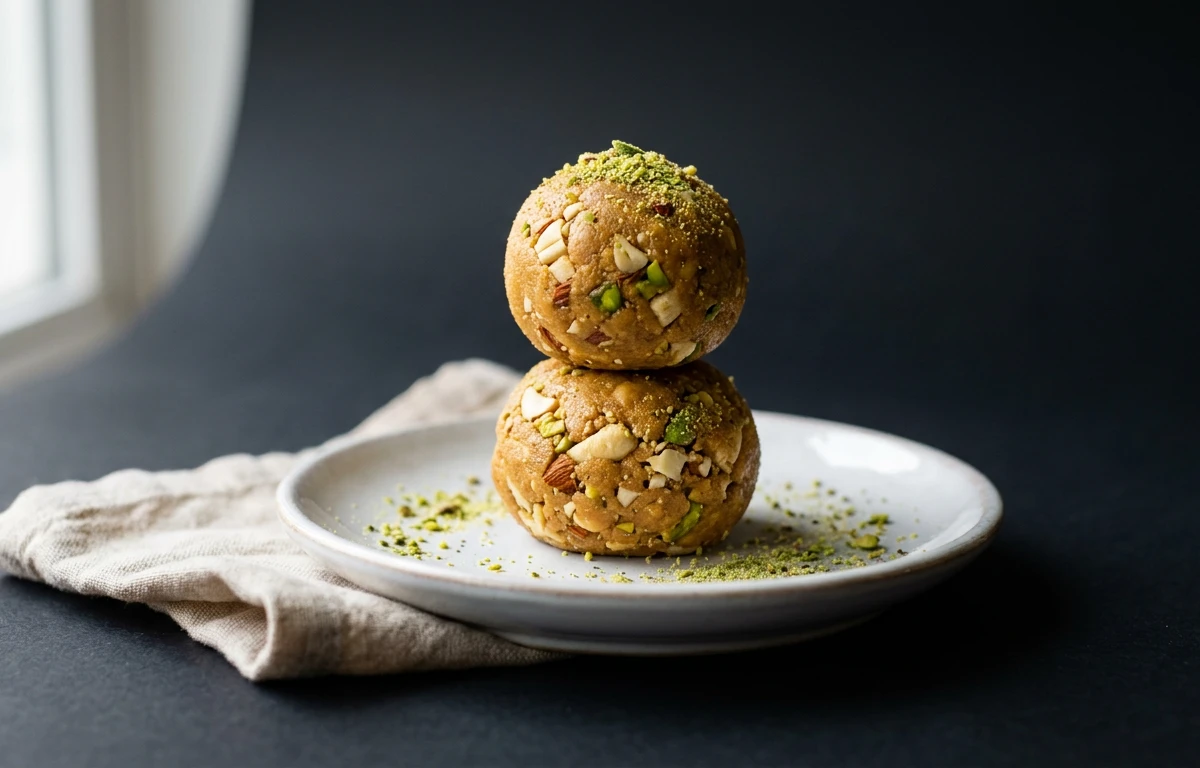
Create energy balls (Ladoos).
Mix sattu with melted jaggery or date paste and a little ghee to form no-bake energy balls. A perfect, healthy snack.
04
Thicken soups and gravies.
A spoonful of sattu can add thickness, a nutty flavor, and a protein boost to soups and curries. It's a healthier alternative to cornstarch.
What sattu is good for
01
Building and repairing muscle
With over 22g of high-quality plant protein per 100g, sattu is excellent for muscle maintenance, repair, and growth. It's a fantastic post-workout recovery food.
22.4 g
protein
02
Keeping you full and aiding weight loss
The potent combination of protein and fiber makes sattu incredibly satiating. A sattu drink can keep you full for hours, helping to reduce overall calorie intake.
10.8 g
fiber
03
Supporting stable blood sugar
As a low-glycemic food, sattu provides slow-release carbohydrates. The fiber slows down sugar absorption, preventing spikes and crashes, which is ideal for diabetics.
Low GI
food
04
Improving gut health
The high content of insoluble fiber acts as a prebiotic, feeding beneficial gut bacteria, and helps promote regular bowel movements, preventing constipation.
39%
fiber DV
05
Providing natural cooling
In traditional Indian medicine, sattu is considered to have a cooling effect on the body, making sattu sharbat a popular drink to combat summer heat and dehydration.
Cooling
properties
What to pair sattu with
Sattu's earthy, nutty flavor works well with both savory and sweet additions. Here are a few ideas.
Eat freely — or be mindful?
Three ways to use it
Go beyond the basic drink with these simple, nourishing recipes that highlight sattu's versatility.
Want high-protein, high-fiber meals planned for you?
Our meal planner can build a weekly menu that incorporates functional foods like sattu, balancing your protein, fiber, and carbs for you. Get a custom plan with a single, simple grocery list.
Build my weekly plan →SOURCES & REFERENCES · 3
One more thing
Eating well is rarely about willpower. It’s about having a short list of dinners you actually want to eat. Pick two from this list. Make them next week. The rest will follow.
If you want these on autopilot, our weekly meal planner can drop the picks above into your calendar with one click and build a single grocery list from the merged ingredients.
FREQUENTLY ASKED QUESTIONS
Frequently asked questions
Is sattu good for people with diabetes?
Yes, it's an excellent choice. Its high fiber and protein content, combined with a low glycemic index, help prevent sharp spikes in blood sugar. A savory sattu drink without added sugar is particularly beneficial.
Can sattu help with weight loss?
Absolutely. Sattu is very satiating, meaning it keeps you feeling full for a long time. This can help reduce cravings and overall calorie consumption, making it a great tool for weight management.
Is sattu the same as besan (gram flour)?
No. While both are made from chickpeas, besan is made from raw, uncooked chickpeas, whereas sattu is made from roasted chickpeas. This makes sattu ready-to-eat and gives it a distinct nutty flavor.
How much sattu can I have in a day?
A typical serving is about 3-4 tablespoons (30-40 grams) per day, usually as a drink or used in a recipe. While it's very healthy, it is also calorie-dense, so moderation is key.

ABOUT THE AUTHOR
Shreya Chatterjee
NUTRITION WRITER
Shreya is a nutrition writer and the voice behind The Nutrition Pen, where she turns evidence-based nutrition into simple, repeatable eating habits. Her writing focuses on practical food guidance — what to actually put on the plate — for readers who want to eat well without the noise.
Meet the editorial team →METHODOLOGY
How this article was created
Built using verified nutrition databases, culinary research, and traditional cooking knowledge — every claim is cross-referenced against the sources listed in the article.
· USDA data· Culinary research· Quality reviewed
Read our methodology →TRANSPARENCY
About this content
Articles are curated using trusted food databases (USDA FoodData Central, IFCT), culinary literature, and dietary guidelines, then structured by our editorial team for clarity, accuracy, and usefulness.
· Verified data sources· Culinary research· Quality reviewed
Read our editorial policy →RELATED RECIPES
Cook from this article
EXPLORE OUR MEALS
Meals that fit this article

AMERICAN · 1677 CAL
Almonds with Sliced Apple + supplement + iron

MEDITERRANEAN · 809 CAL
Greek Yogurt with Berries Almonds and Granola + supplement + iron

GENERAL_HEALTHY · 705 CAL
Banana with Peanut Butter Pregnancy + supplement + iron

MODERN · 982 CAL
Hummus with Crudits and Pita with Fresh Orange Snack + supplement + iron
TAGGED
KEEP READING