It’s the secret behind the creamiest, most luxurious dal on any Indian restaurant menu, but whole urad dal—also known as black gram—is a humble, hardworking legume at its core. Don't let its role in rich dishes fool you. On its own, this tiny black lentil is a nutritional giant, packing an incredible amount of plant-based protein and fiber into every serving. It's one of the most satisfying, blood-sugar-friendly foods you can put on your plate.
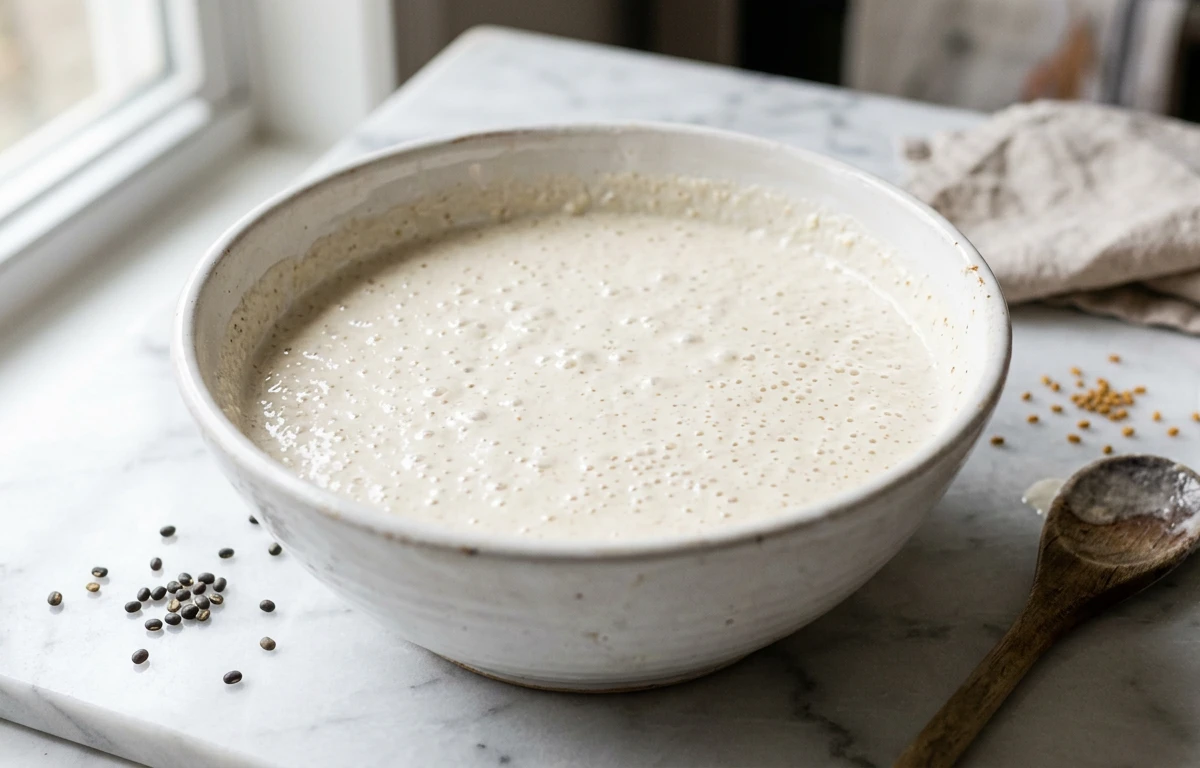
↑ Whole urad dal's dark skin contains extra fiber and nutrients.
The powerhouse lentil
Whole urad dal, or black gram, is a small black lentil with a creamy white interior. It's a staple in Indian cooking, prized for its earthy flavor and the wonderful, thick texture it creates when cooked. While its most famous application is in the slow-cooked, buttery Dal Makhani, it's also the backbone of fermented foods like idli and dosa, where its unique properties help create the perfect batter.
But beyond the kitchen, it's a nutritional workhorse. Forget buzz-worthy superfoods for a moment; this is one of the most protein- and fiber-dense plants you can eat. It delivers slow-burning energy, keeps you full for hours, and is brilliant for metabolic health.
IN ONE LINE
With 25g of protein and 18g of fiber per 100g, whole urad dal is one of the most satiating, blood-sugar-friendly plant foods available.
Whole urad dal nutrition facts
Here’s the nutritional breakdown for a 100-gram (about ½ cup, uncooked) serving of whole urad dal. Note that cooking will increase the volume and weight as it absorbs water.
The numbers that jump out immediately are the protein and fiber. At over 25 grams of protein, it's on par with chicken breast by weight, making it an incredible muscle-building and repairing food for vegetarians and vegans. The 18 grams of fiber is more than half of what most people need in a whole day, which is fantastic for fullness, gut health, and blood sugar control.
Urad dal's glycemic index
While there isn't a universally agreed-upon glycemic index (GI) number for whole urad dal, its nutritional profile—sky-high in fiber and protein—means it has a very low impact on blood sugar. These two components dramatically slow down the digestion and absorption of its carbohydrates. This prevents the sharp spikes in blood glucose that you'd get from refined grains. For anyone managing diabetes or just looking for steady energy, it's a first-class choice.
GLYCEMIC INDEX · URAD DAL vs COMMON FOODS
Urad dal has a very low glycemic impact
Whole Urad Dal
estimated low
LOW
Apple
whole fruit
LOW
Pineapple
whole fruit
MEDIUM
White bread
refined
HIGH
Cornflakes
refined
HIGH
SCALE 0–90
04590
How to cook it right
Urad dal isn't complicated, but a couple of non-negotiable steps make it delicious and easy to digest.
01
Always soak it.
This is the most important step. Soak whole urad dal for at least 6-8 hours, or overnight. This softens the tough skin, reduces cooking time, and makes it much easier to digest.
02
Rinse thoroughly.
After soaking, discard the soaking water and rinse the dal several times until the water runs clear. This removes compounds that can cause digestive discomfort.
03
Pressure cook for speed.
A pressure cooker or Instant Pot is your best friend here. It turns a multi-hour simmer into a 30-40 minute job. You can also cook it in a pot on the stove, but it will take 1.5-2 hours.
04
Don't fear the 'gloop'.
When cooked, urad dal releases starches that make it thick and almost gelatinous. This is its signature trait! It's what gives dishes like dal makhani their creamy body without relying solely on fat.
05
Finish with a tadka.
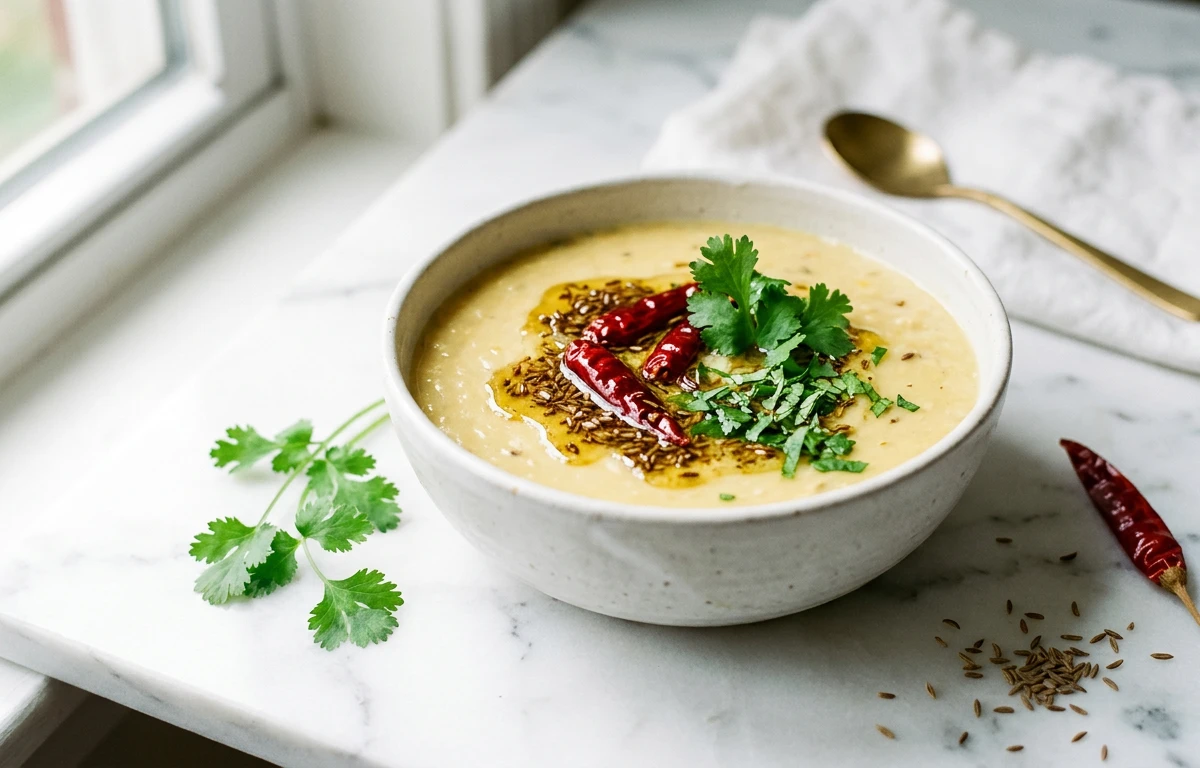
A simple dal is transformed by a 'tadka' or 'chaunk'—spices like cumin, mustard seeds, and asafoetida bloomed in hot ghee or oil and poured over the top just before serving.
What urad dal is good for
01
Building & maintaining muscle
With over 25g of protein per 100g, it's a top-tier plant-based source for muscle repair, growth, and overall satiety.
25 g
protein
02
Excellent blood sugar control
The massive 18.3g of fiber, combined with protein, ensures a very slow release of energy, making it ideal for managing blood sugar levels.
Low
glycemic
03
A healthy, happy gut
The huge dose of dietary fiber feeds beneficial gut bacteria and promotes regularity. Just be sure to soak it properly to ensure good digestion.
18 g
fiber
04
Supporting heart health
The soluble fiber in urad dal can help lower LDL ('bad') cholesterol, while its magnesium and potassium content support healthy blood pressure.
1.6 g
fat
05
Replenishing iron stores
It's a fantastic source of plant-based (non-heme) iron, crucial for energy and preventing anemia. Pair it with a vitamin C source like lemon juice to boost absorption.
42%
iron DV
What to pair it with
Urad dal's earthy flavor pairs beautifully with a few simple additions that complete the meal.
Eat freely — or be mindful?
Three ways to use it
From a weekend project to a simple weeknight meal, whole urad dal is surprisingly versatile.

Want more plant-based power in your week?
Our meal planner can build you a balanced week featuring high-protein, high-fiber foods like urad dal, with macros already calculated and a single grocery list to make it easy.
Build my weekly plan →SOURCES & REFERENCES · 3
One more thing
Eating well is rarely about willpower. It’s about having a short list of dinners you actually want to eat. Pick two from this list. Make them next week. The rest will follow.
If you want these on autopilot, our weekly meal planner can drop the picks above into your calendar with one click and build a single grocery list from the merged ingredients.
FREQUENTLY ASKED QUESTIONS
Frequently asked questions
Is whole urad dal good for weight loss?
Yes, it's excellent for weight loss. The combination of very high protein and fiber is extremely filling, which helps reduce overall calorie intake by keeping you satisfied for longer.
Do I really need to soak urad dal?
Yes, it's not an optional step. Soaking whole urad dal overnight makes it cook faster, become creamier, and most importantly, makes it much easier to digest by breaking down complex sugars that can cause gas and bloating.
What's the difference between whole urad dal and split urad dal?
Whole urad dal is the entire black legume with the skin on. Split urad dal (urad dal dhuli) is the same lentil but split in half with the black skin removed, revealing the creamy white interior. The whole version has more fiber due to the skin.
Is urad dal good for people with diabetes?
Yes, it's one of the best legumes for diabetes management. Its high fiber and protein content lead to a very low glycemic response, helping to keep blood sugar levels stable.

ABOUT THE AUTHOR
Shreya Chatterjee
NUTRITION WRITER
Shreya is a nutrition writer and the voice behind The Nutrition Pen, where she turns evidence-based nutrition into simple, repeatable eating habits. Her writing focuses on practical food guidance — what to actually put on the plate — for readers who want to eat well without the noise.
Meet the editorial team →METHODOLOGY
How this article was created
Built using verified nutrition databases, culinary research, and traditional cooking knowledge — every claim is cross-referenced against the sources listed in the article.
· USDA data· Culinary research· Quality reviewed
Read our methodology →TRANSPARENCY
About this content
Articles are curated using trusted food databases (USDA FoodData Central, IFCT), culinary literature, and dietary guidelines, then structured by our editorial team for clarity, accuracy, and usefulness.
· Verified data sources· Culinary research· Quality reviewed
Read our editorial policy →RELATED RECIPES
Cook from this article
EXPLORE OUR MEALS
Meals that fit this article

AMERICAN · 1677 CAL
Almonds with Sliced Apple + supplement + iron

MEDITERRANEAN · 809 CAL
Greek Yogurt with Berries Almonds and Granola + supplement + iron

GENERAL_HEALTHY · 705 CAL
Banana with Peanut Butter Pregnancy + supplement + iron

MODERN · 982 CAL
Hummus with Crudits and Pita with Fresh Orange Snack + supplement + iron
TAGGED
KEEP READING