If you've only ever thought of millet as birdseed, it's time for a serious rethink. Pearl millet, or bajra, is one of the world's hardiest ancient grains, and it's a nutritional gem hiding in plain sight. It's naturally gluten-free, packed with more protein and fiber than brown rice, and has a wonderfully low glycemic profile. This isn't some bland health food; it's a grain with a nutty, slightly sweet character that makes fantastic flatbreads and hearty porridges. It's the slow-burn energy you've been looking for.
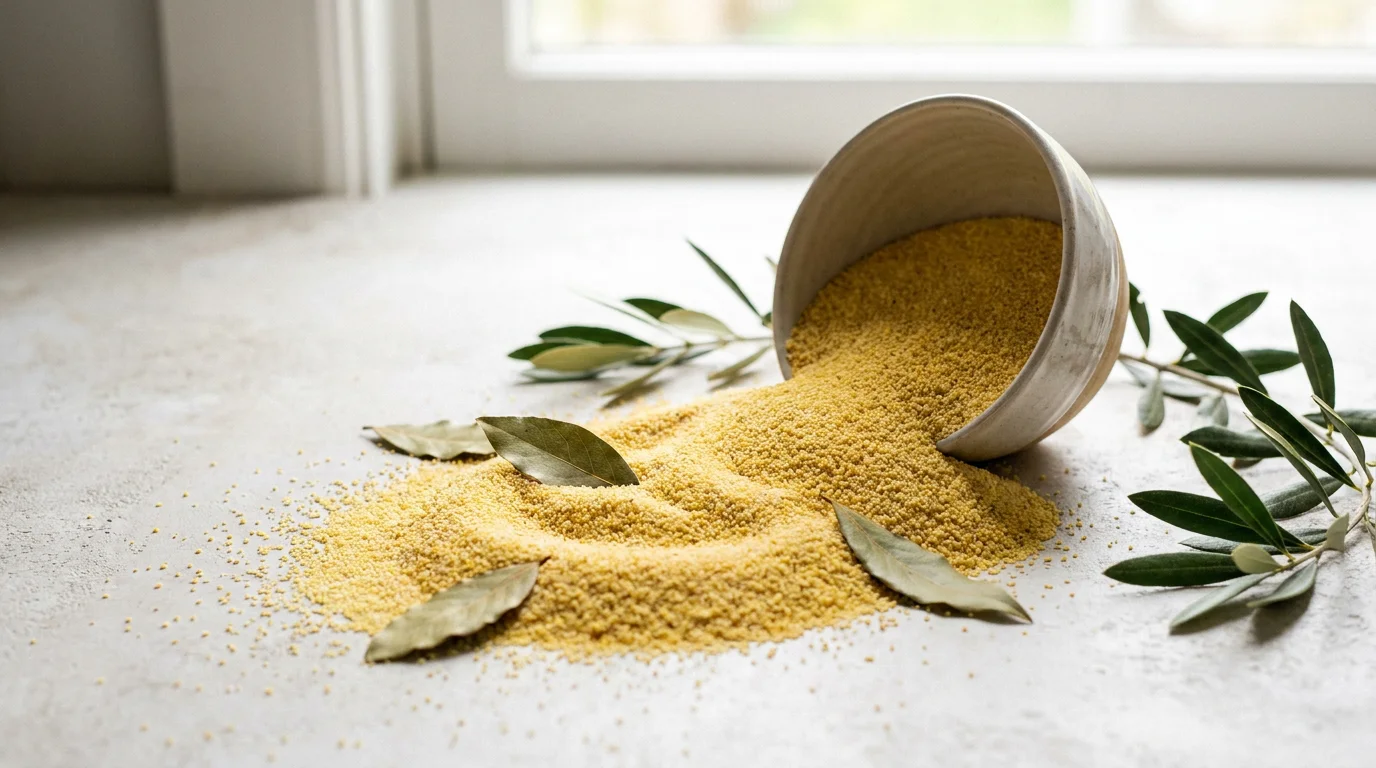
↑ Pearl millet is a tiny, round grain with a nutty, earthy flavor.
The overlooked ancient grain
Pearl millet, known as bajra in India, is a true survivor. It's a drought-resistant crop that has sustained populations for thousands of years in harsh climates. But its toughness translates into incredible nutrition. For a grain, it's unusually high in protein and fiber, and it's completely gluten-free. The flavor is distinct — nutty, a little earthy, and slightly sweet. If you're tired of rice and quinoa, this is the grain you should get to know.
IN ONE LINE
A gluten-free ancient grain with high fiber and protein, pearl millet offers slow-release energy and is far more versatile than you think.
Pearl millet nutrition facts
Here’s what 100 grams (about half a cup, uncooked) of pearl millet provides. Keep in mind this will cook up to about 2-3 cups.
The standout numbers here are the fiber and protein. At 8.5 grams and 11.6 grams respectively, pearl millet is more satisfying and packs more of a nutritional punch than more common grains like white rice. It's also a respectable source of minerals like iron and magnesium, which are crucial for energy and muscle function.
Pearl millet's glycemic index
While there isn't one single, universally agreed-upon GI value for pearl millet, the consensus from research is clear: it's a low-to-medium GI food, typically falling in the 50-60 range. Why? Its high fiber content, complex carbohydrate structure, and resistant starch all work together to slow down digestion. This means the energy is released into your bloodstream slowly and steadily, preventing the sharp spikes and crashes you get from refined grains.
GLYCEMIC INDEX · PEARL MILLET vs COMMON FOODS
Pearl millet's gentle impact on blood sugar
Apple
whole fruit
LOW
Pearl Millet
est. whole grain
LOW
White Bread
refined
HIGH
Cornflakes
refined
HIGH
SCALE 0–90
04590
How to cook and eat it
Pearl millet can be used as a whole grain or, more commonly, as flour. Don't be intimidated; it's easy to work with.
01
As a whole grain (like rice).
Toast 1 cup of millet in a dry pan, then add 2 cups of water or broth. Bring to a boil, then simmer, covered, for about 20-25 minutes until the water is absorbed. Fluff with a fork. Great as a base for pilafs or grain bowls.
02
As flour for flatbreads.
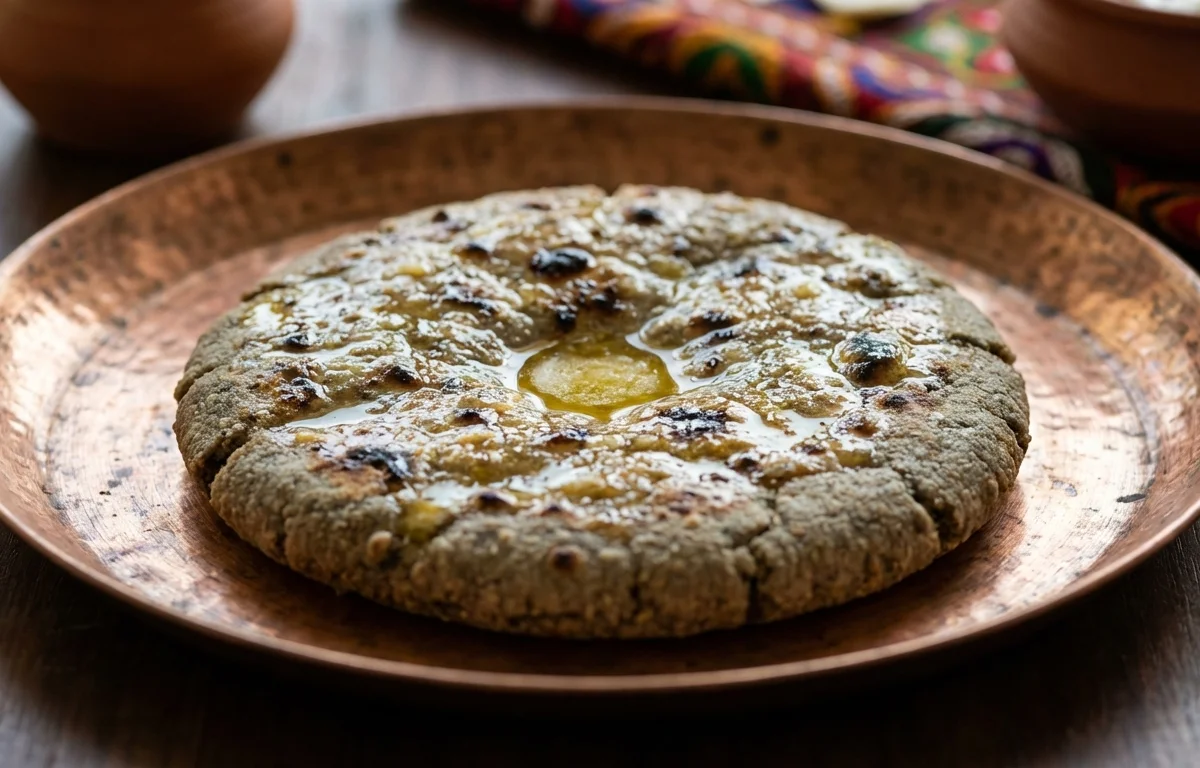
This is its most famous use. Bajra flour is used to make 'bhakri' or 'roti'. Since it's gluten-free, it doesn't form a stretchy dough. You simply mix the flour with hot water to form a soft, pliable dough and pat it into discs.
03
As a porridge or 'koozh'.
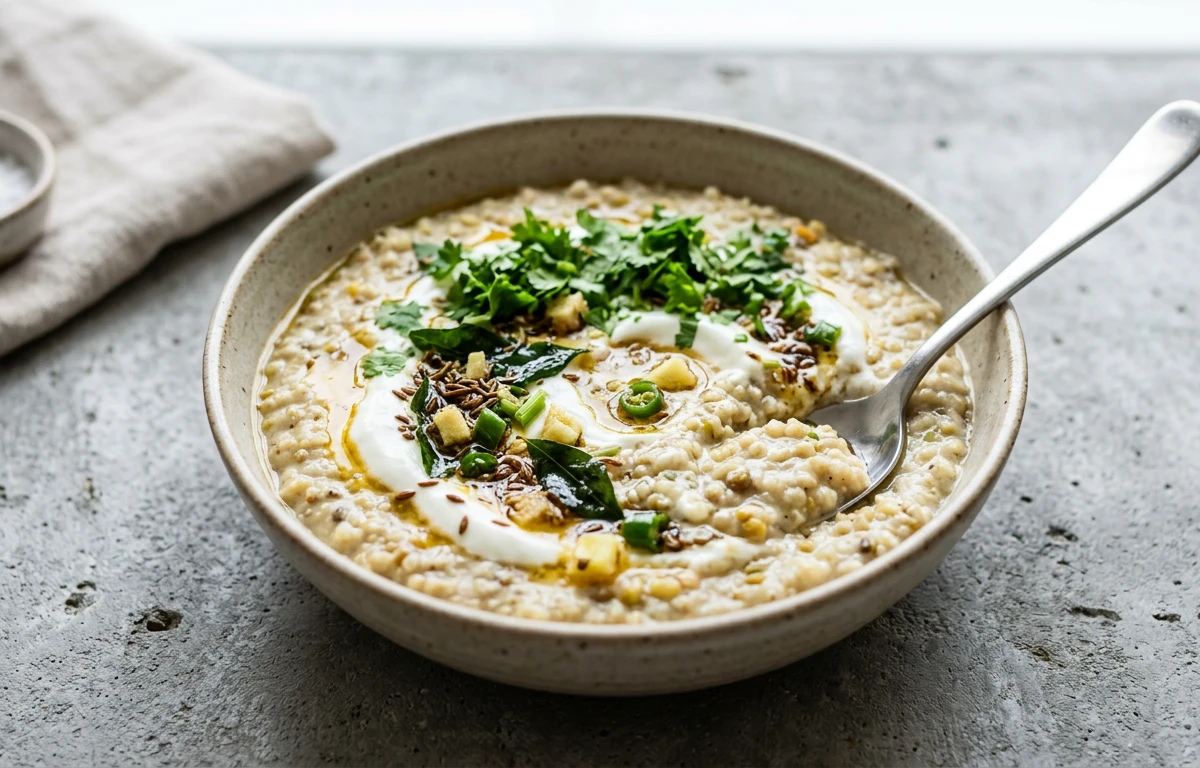
Cook the whole grains or coarse flour with extra water or milk until it breaks down into a thick, creamy porridge. It can be made savory with buttermilk and salt, or sweet with jaggery and cardamom.
04
Puffed or popped.
Like corn, millet can be puffed. Puffed millet makes a great addition to breakfast cereals or healthy snack mixes for a light, crispy texture.
What pearl millet is good for
01
Excellent for blood sugar control
Thanks to its high fiber content and low glycemic index, pearl millet provides a slow, sustained release of energy, making it a fantastic choice for people with diabetes.
Low GI
estimated
02
Aids in weight management
The combination of 11.6g of protein and 8.5g of fiber per 100g serving keeps you feeling full and satisfied for longer, helping to reduce overall calorie intake.
8.5 g
fiber
03
Supports a healthy gut
Pearl millet is rich in insoluble fiber, which acts as a prebiotic and adds bulk to stool, promoting regularity and preventing constipation.
30%
fiber DV
04
A top-tier gluten-free grain
For those with celiac disease or gluten sensitivity, pearl millet is a safe and nutritionally superior alternative to many gluten-free products, which are often low in fiber and protein.
100%
gluten-free
05
Rich in essential minerals
It's a good plant-based source of iron, crucial for preventing anemia, and magnesium, which is involved in hundreds of bodily processes, including nerve function and blood pressure regulation.
27%
magnesium DV
What to pair it with
Pearl millet's nutty flavor loves being paired with bold spices, creamy textures, and hearty vegetables.
Eat freely — or be mindful?
Three simple ways to use it
Get started with pearl millet with these three foundational recipes.
Want powerful grains like millet worked into a balanced week?
Our meal planner incorporates diverse, nutrient-dense grains like pearl millet, balancing them with protein and healthy fats for steady energy. We handle the portions and macros, you get the grocery list.
Build my weekly plan →SOURCES & REFERENCES · 3
One more thing
Eating well is rarely about willpower. It’s about having a short list of dinners you actually want to eat. Pick two from this list. Make them next week. The rest will follow.
If you want these on autopilot, our weekly meal planner can drop the picks above into your calendar with one click and build a single grocery list from the merged ingredients.
FREQUENTLY ASKED QUESTIONS
Frequently asked questions
Is pearl millet good for people with diabetes?
Yes, it's considered one of the best grains for diabetes management. Its high fiber content and low glycemic index help prevent blood sugar spikes, promoting stable energy levels.
Is pearl millet hard to digest?
Because it's very high in fiber, some people might find it heavy if they're not used to high-fiber foods. It's recommended to introduce it into your diet gradually. Soaking the grains before cooking can also improve digestibility.
Is pearl millet better than wheat or rice?
It's not about 'better', but 'different'. Compared to white rice, it's nutritionally superior with more protein, fiber, and minerals. Compared to whole wheat, it has a similar fiber content but is gluten-free, making it the only choice for celiacs. It's a great idea to rotate various grains in your diet.
Does pearl millet cause body heat?
This is a common belief in traditional food systems, where it's considered a 'warming' food ideal for winter. From a modern nutritional standpoint, this relates to its high energy density and the nutrients it provides to fuel metabolism. It doesn't scientifically raise body temperature, but it provides robust energy. It's eaten year-round by millions.

ABOUT THE AUTHOR
Shreya Chatterjee
NUTRITION WRITER
Shreya is a nutrition writer and the voice behind The Nutrition Pen, where she turns evidence-based nutrition into simple, repeatable eating habits. Her writing focuses on practical food guidance — what to actually put on the plate — for readers who want to eat well without the noise.
Meet the editorial team →METHODOLOGY
How this article was created
Built using verified nutrition databases, culinary research, and traditional cooking knowledge — every claim is cross-referenced against the sources listed in the article.
· USDA data· Culinary research· Quality reviewed
Read our methodology →TRANSPARENCY
About this content
Articles are curated using trusted food databases (USDA FoodData Central, IFCT), culinary literature, and dietary guidelines, then structured by our editorial team for clarity, accuracy, and usefulness.
· Verified data sources· Culinary research· Quality reviewed
Read our editorial policy →RELATED RECIPES
Cook from this article
EXPLORE OUR MEALS
Meals that fit this article

GENERAL_HEALTHY · 705 CAL
Banana with Peanut Butter Pregnancy + supplement + iron
AMERICAN · 694 CAL
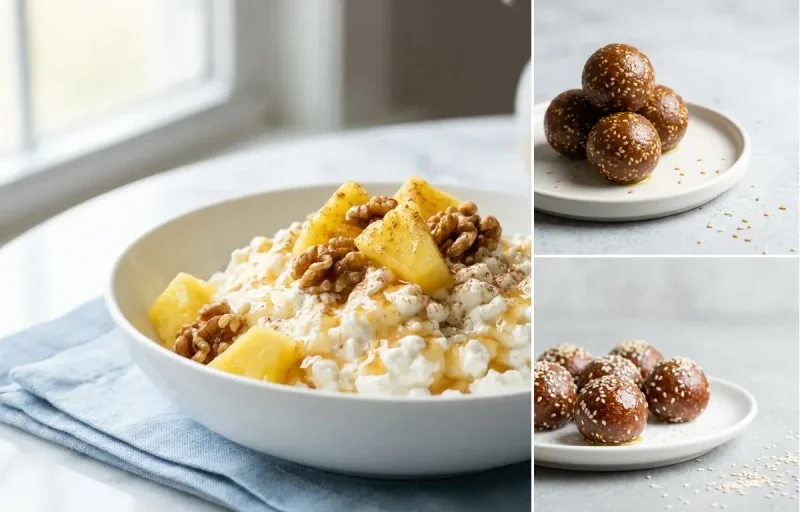
Cottage Cheese with Pineapple Walnuts and Hemp Pregnancy + supplement + iron
AMERICAN · 359 CAL
Apple with Peanut Butter with Glass of Milk + supplement + iron
MEDITERRANEAN · 738 CAL
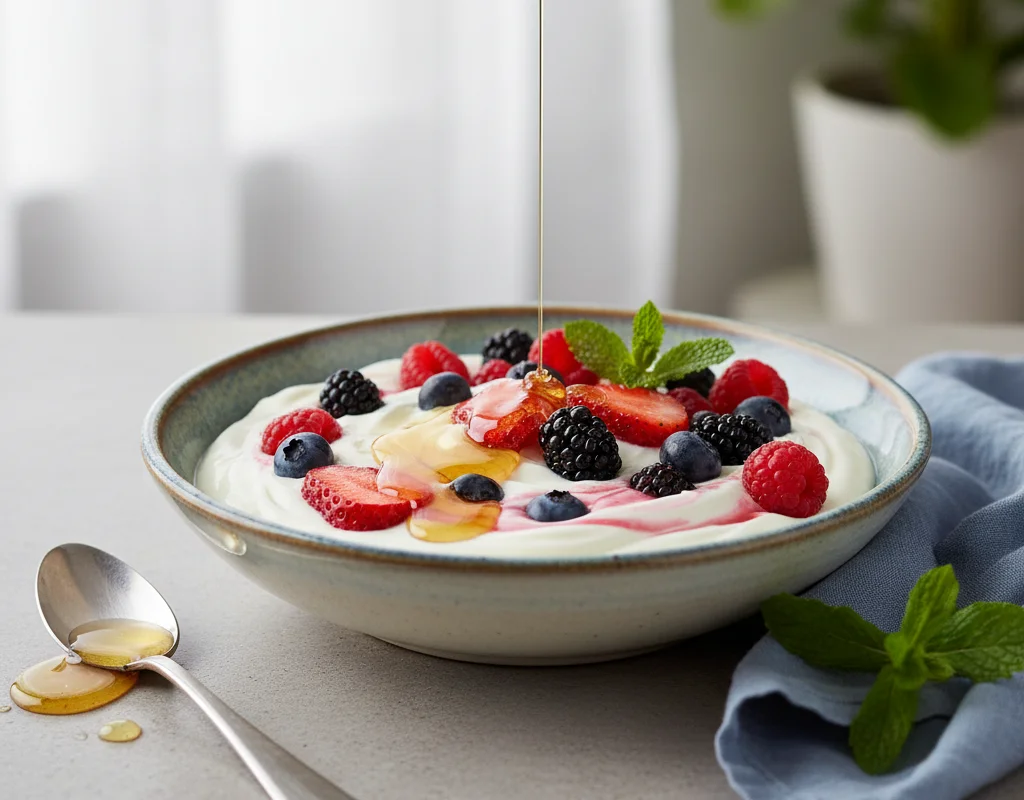
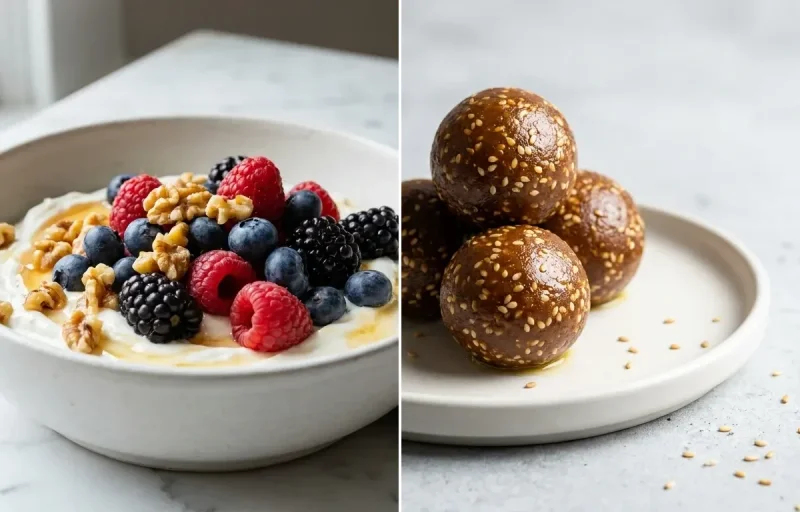
Greek Yogurt with Berries Walnuts and Honey + supplement + iron
TAGGED
KEEP READING