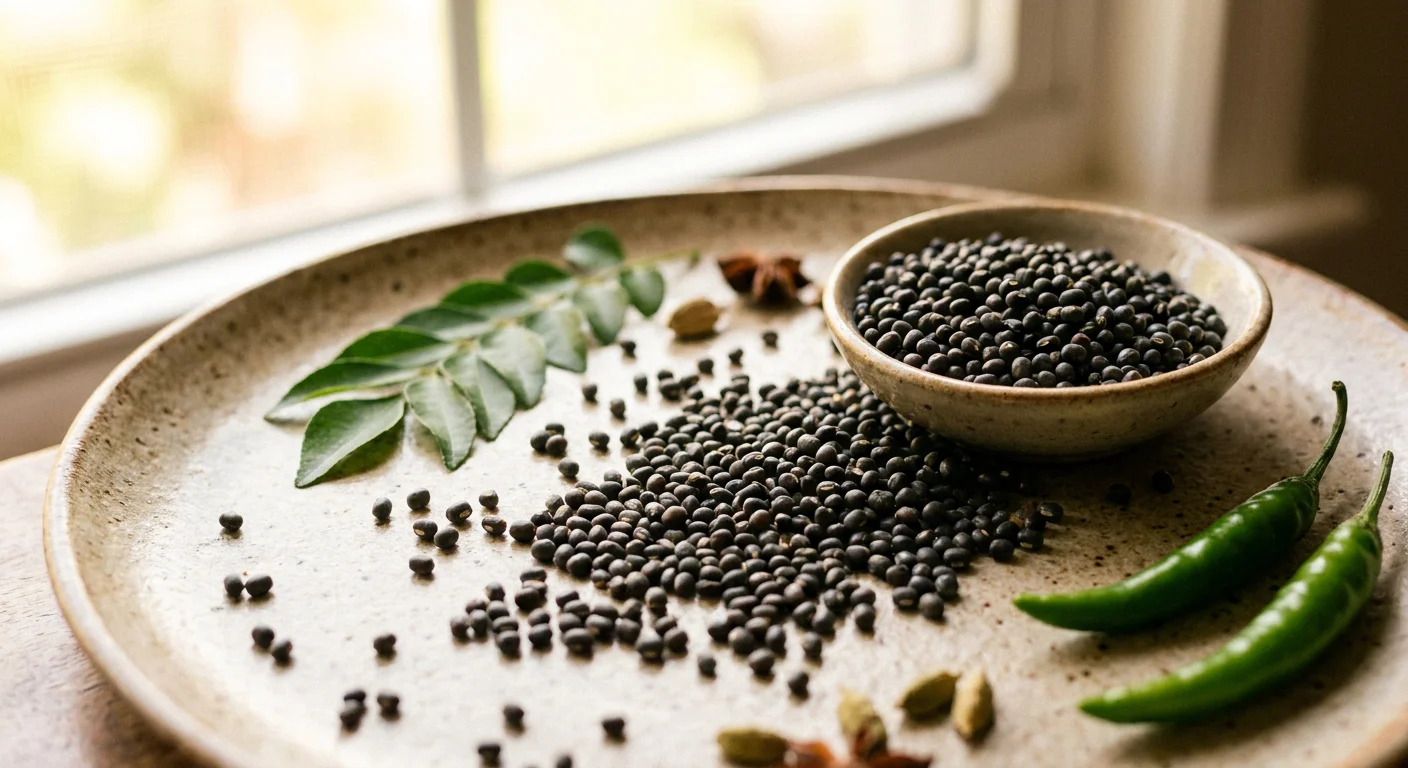
If you only know pearl millet flour—or bajra—as a dense, slightly gritty health-food alternative, it's time for a second look. This ancient grain is wildly underrated. When handled right, it has a wonderfully nutty, earthy flavor that's a star in its own right, not just a stand-in for wheat. And nutritionally? It's a quiet powerhouse: packed with protein, loaded with fiber, and naturally gluten-free. The best part is its gentle effect on blood sugar, making it a smarter carb than you might think.
↑ Pearl millet flour has a distinct greyish-brown hue and a nutty aroma.
The underrated ancient grain
Bajra is one of those ingredients that has a bit of a PR problem. Many people think of it as heavy, rustic, or something you eat only for health reasons. But that's a huge miss. It's a staple for millions because it's hardy, nutritious, and, when cooked properly, absolutely delicious with a deep, nutty taste that wheat just can't replicate.
It's a member of the millet family, a group of small-seeded grasses that have been cultivated for thousands of years. Unlike refined wheat flour, which is mostly starch, bajra flour is made from the whole grain, so you get all the fiber, protein, and minerals locked inside.
IN ONE LINE
Bajra is a high-fiber, high-protein, gluten-free flour with a low-to-medium glycemic index. It's a smart swap for refined flours, especially for blood sugar control and gut health.
Bajra flour nutrition facts
Here's the nutritional breakdown for a 100-gram serving of pearl millet (bajra) flour, which is about 3/4 of a cup.
The first thing you'll notice is the protein and fiber. At nearly 12 grams of protein and over 8 grams of fiber per 100g, bajra flour has serious staying power. This isn't an 'empty' carb; it's a complex, nutrient-dense food that fuels you for hours. It's also a fantastic source of minerals like magnesium, which is crucial for muscle function and blood sugar control, and iron.
Bajra's glycemic index
This is where bajra really shines. Glycemic index (GI) tells you how quickly a food raises your blood sugar. Because of its high fiber content, bajra is digested slowly. While exact numbers vary between studies, it consistently ranks as a low-to-medium GI food, far gentler on blood sugar than white rice or bread. This slow-release of energy is what makes it so filling and a great choice for anyone with diabetes or just looking to avoid that post-meal energy crash.
GLYCEMIC INDEX · BAJRA vs COMMON FOODS
Bajra flour has a gentler impact than refined grains
Apple
whole fruit
LOW
Bajra Flour Roti
estimated
MEDIUM
Pineapple
whole fruit
MEDIUM
White Bread
refined
HIGH
Cornflakes
refined
HIGH
SCALE 0–90
04590
How to cook with it
Cooking with bajra flour is different from wheat because it has no gluten. Don't worry, it's not hard—it just follows different rules.
01
Use hot water.
Kneading bajra flour with hot water gelatinizes the starches, making the dough more pliable and easier to handle.
02
Pat, don't roll.
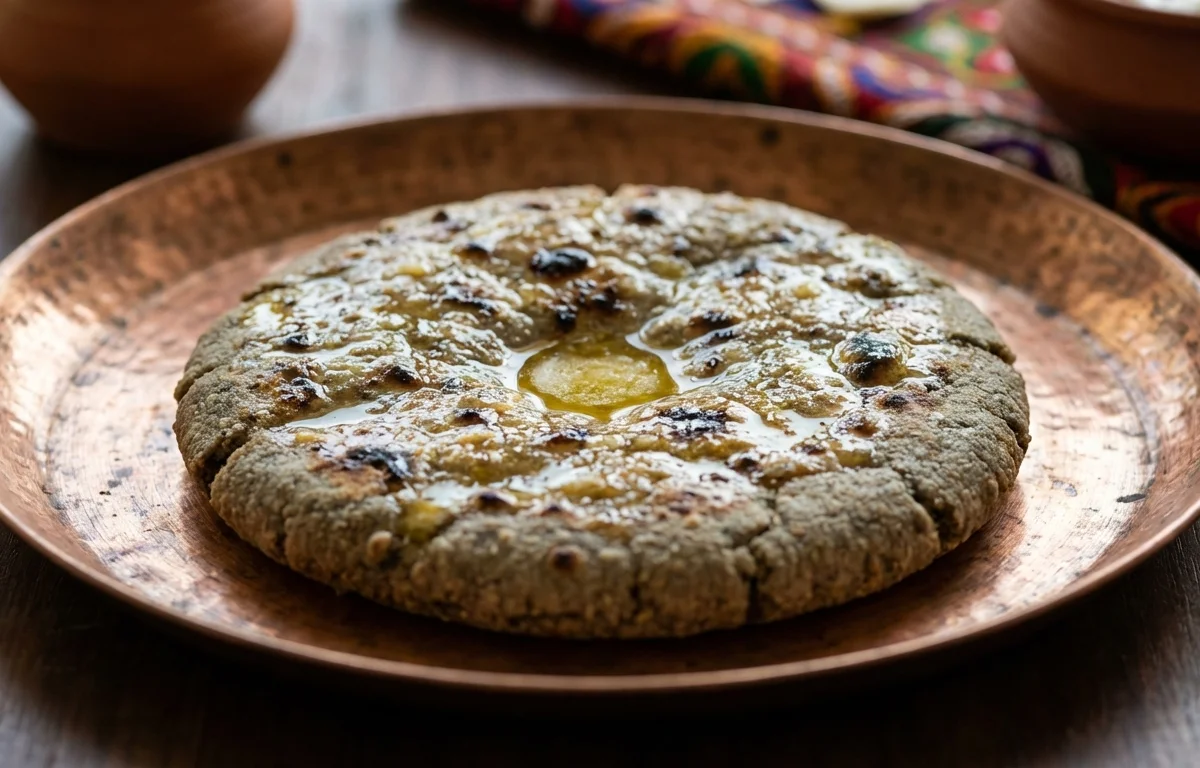
Gluten-free doughs don't stretch. It's easier to pat the dough into a flatbread (roti) between your palms or on a piece of parchment paper.
03
Embrace its flavor.
Bajra's nutty, slightly sweet taste is a feature, not a bug. It pairs beautifully with strong flavors like garlic, spices, yogurt, and tangy pickles.
04
Start with a blend.
If you're new to the texture, try mixing bajra flour 50/50 with whole wheat flour or oat flour to get accustomed to it.
05
Toast it for more flavor.
Gently toasting the dry flour in a pan for a few minutes before using it deepens its nutty aroma and taste.
What bajra is good for
01
Sustained, slow-release energy
The combination of complex carbs and high fiber means bajra provides energy that lasts, without the sharp spikes and crashes of refined grains.
8.5g
fiber
02
Excellent for gluten-free diets
As a naturally gluten-free grain, it's a safe and highly nutritious choice for anyone with celiac disease or gluten sensitivity.
100%
gluten-free
03
Supports muscle and satiety
With over 11 grams of plant-based protein per 100g, it helps keep you full and provides the building blocks for muscle repair.
11.6g
protein
04
Rich in essential minerals
Bajra is a great source of magnesium (for nerves and muscles) and phosphorus (for strong bones and teeth).
27%
magnesium DV
05
Promotes good digestion
The high insoluble fiber content adds bulk to stool, promoting regularity and supporting overall gut health.
What to pair bajra with
Bajra's earthy flavor loves to be paired with robust, savory foods. Think of it as a canvas for flavor.
Who is it good for?
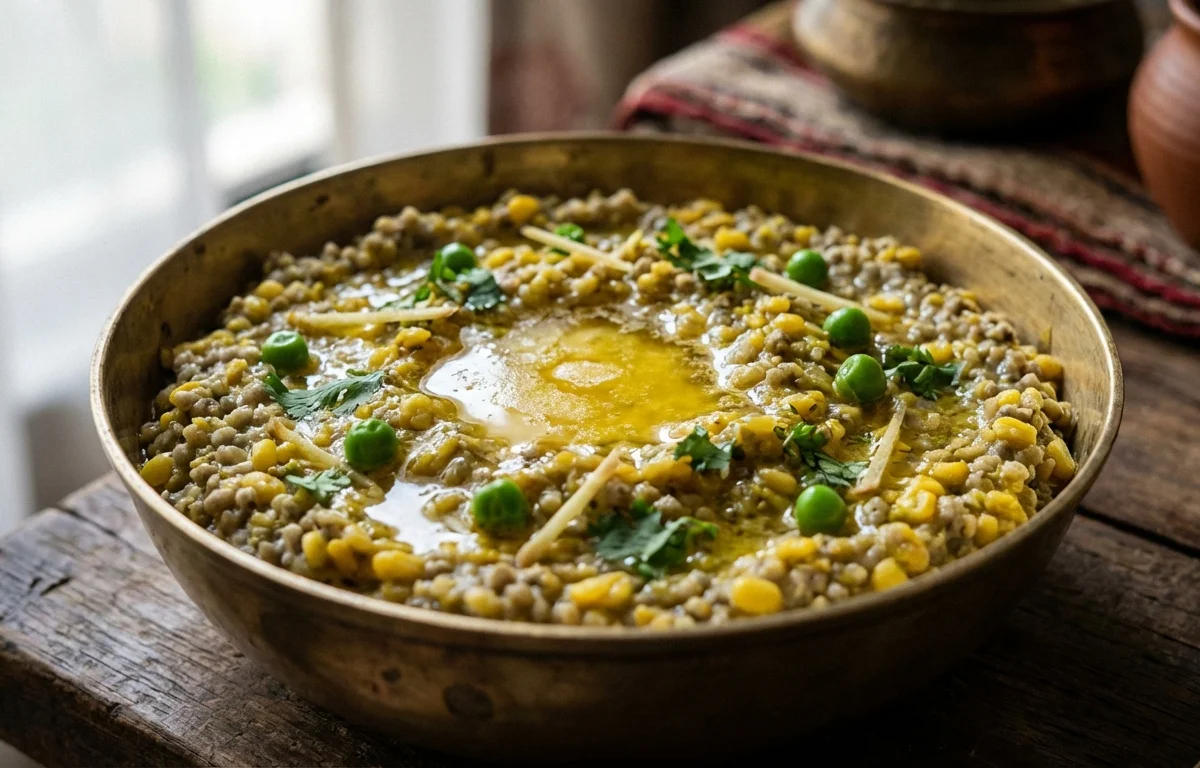
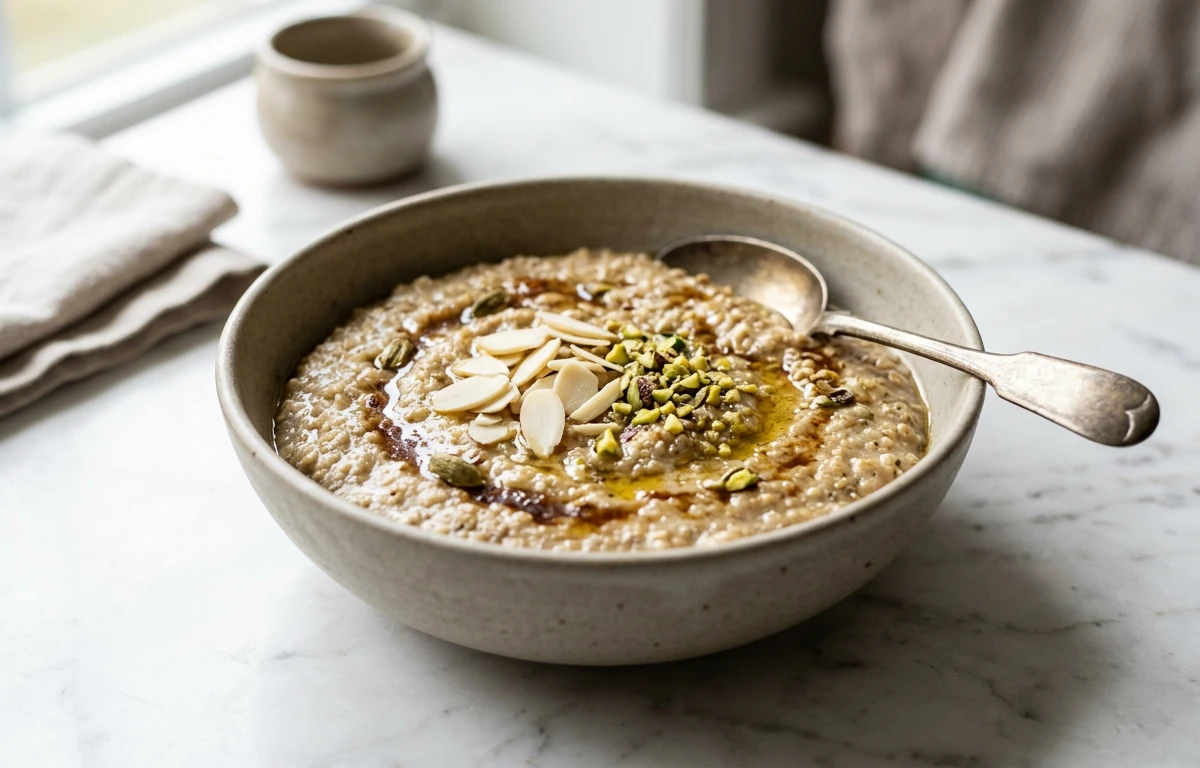
Three ways to use it
Ready to start cooking? Here are three simple ways to bring bajra into your kitchen.
Want smart grains like bajra worked into a balanced week?
Our meal planner incorporates a variety of whole grains for steady energy and gut health, with portions and macros already calculated and a single grocery list at the end.
Build my weekly plan →SOURCES & REFERENCES · 3
One more thing
Eating well is rarely about willpower. It’s about having a short list of dinners you actually want to eat. Pick two from this list. Make them next week. The rest will follow.
If you want these on autopilot, our weekly meal planner can drop the picks above into your calendar with one click and build a single grocery list from the merged ingredients.
FREQUENTLY ASKED QUESTIONS
Frequently asked questions
Is bajra flour good for people with diabetes?
Yes, it's an excellent choice. Its high fiber content leads to a slow release of sugar into the bloodstream, helping to prevent sharp spikes. It has a much lower glycemic impact than wheat or rice flour.
Can bajra flour help with weight loss?
It can be a great tool for weight management. The high fiber and protein make it very filling, which can help you eat less overall. Just be mindful of portion sizes, as it is calorie-dense.
Is bajra better than whole wheat flour?
It's not necessarily 'better,' but it's different and has unique advantages. Bajra is gluten-free and generally higher in fiber and minerals like magnesium. Whole wheat has gluten, which gives it a familiar chewy, elastic texture. For blood sugar control and gluten-free needs, bajra is superior.
Why is my bajra roti hard or cracking?
This is a common issue! The two most likely culprits are not using hot water to knead the dough, or trying to roll it too thin. The dough has no gluten, so it needs hot water to become pliable, and it should be patted out gently rather than rolled like a chapati.

ABOUT THE AUTHOR
Shreya Chatterjee
NUTRITION WRITER
Shreya is a nutrition writer and the voice behind The Nutrition Pen, where she turns evidence-based nutrition into simple, repeatable eating habits. Her writing focuses on practical food guidance — what to actually put on the plate — for readers who want to eat well without the noise.
Meet the editorial team →METHODOLOGY
How this article was created
Built using verified nutrition databases, culinary research, and traditional cooking knowledge — every claim is cross-referenced against the sources listed in the article.
· USDA data· Culinary research· Quality reviewed
Read our methodology →TRANSPARENCY
About this content
Articles are curated using trusted food databases (USDA FoodData Central, IFCT), culinary literature, and dietary guidelines, then structured by our editorial team for clarity, accuracy, and usefulness.
· Verified data sources· Culinary research· Quality reviewed
Read our editorial policy →RELATED RECIPES
Cook from this article
EXPLORE OUR MEALS
Meals that fit this article

GENERAL_HEALTHY · 705 CAL
Banana with Peanut Butter Pregnancy + supplement + iron
AMERICAN · 694 CAL
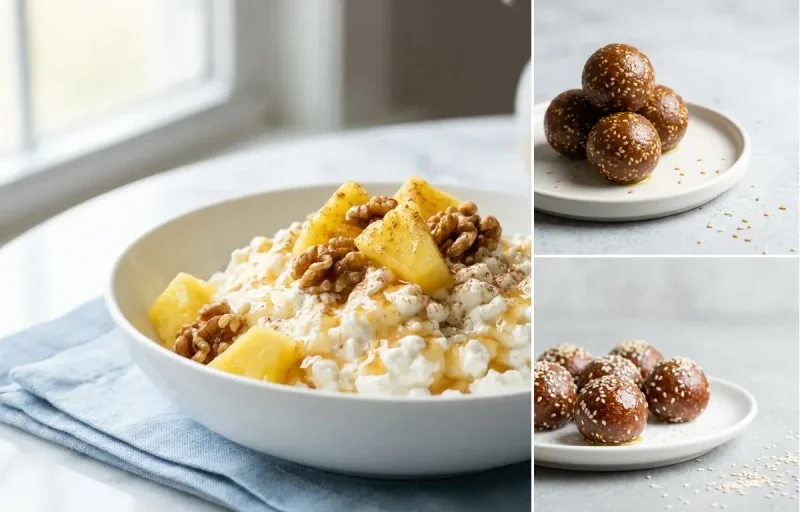
Cottage Cheese with Pineapple Walnuts and Hemp Pregnancy + supplement + iron
AMERICAN · 359 CAL
Apple with Peanut Butter with Glass of Milk + supplement + iron
MEDITERRANEAN · 738 CAL
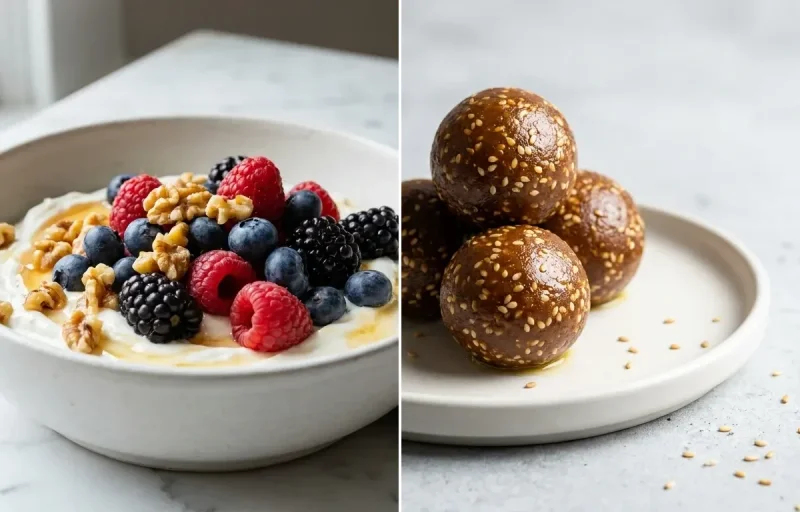
Greek Yogurt with Berries Walnuts and Honey + supplement + iron
TAGGED
KEEP READING