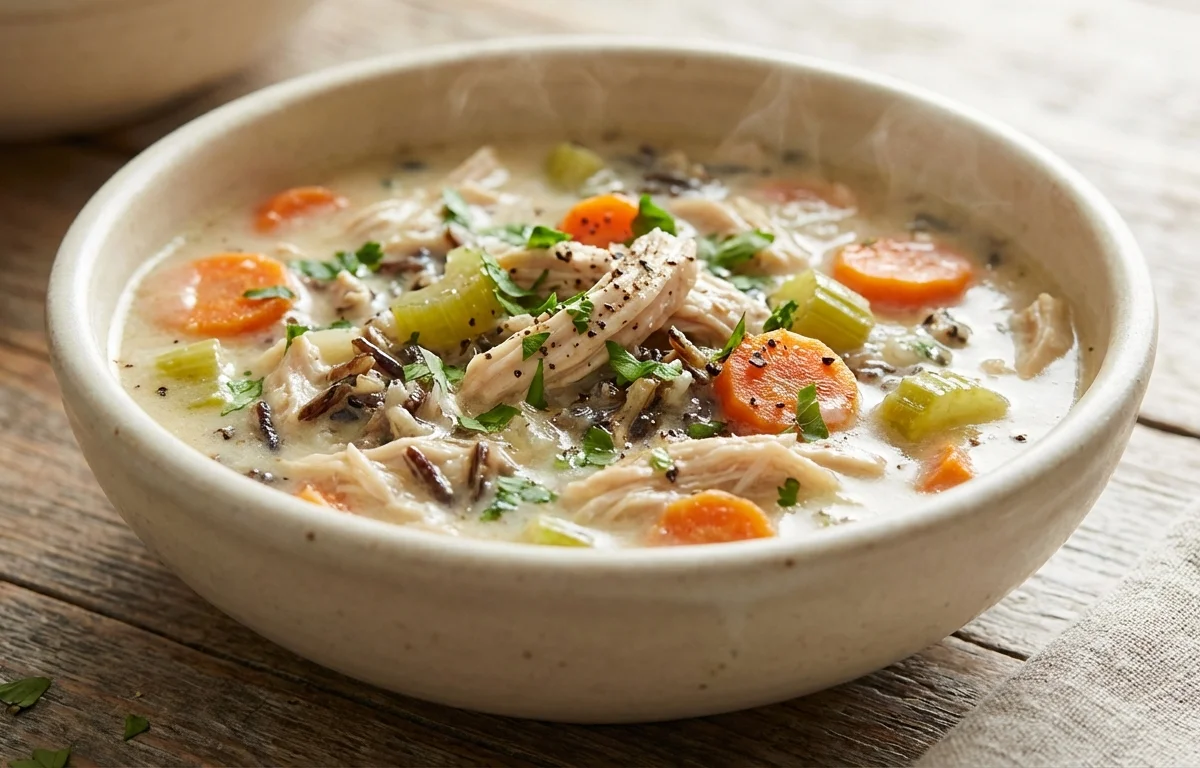
Let's get one thing straight: wild rice isn't rice. It's the seed of an aquatic grass, and that small botanical fact makes a huge nutritional difference. It's chewier, nuttier, and packs significantly more protein and fiber than its distant cousins, brown and white rice. So is it worth the higher price tag and longer cooking time? For that satisfying texture and impressive nutrition, I think so.
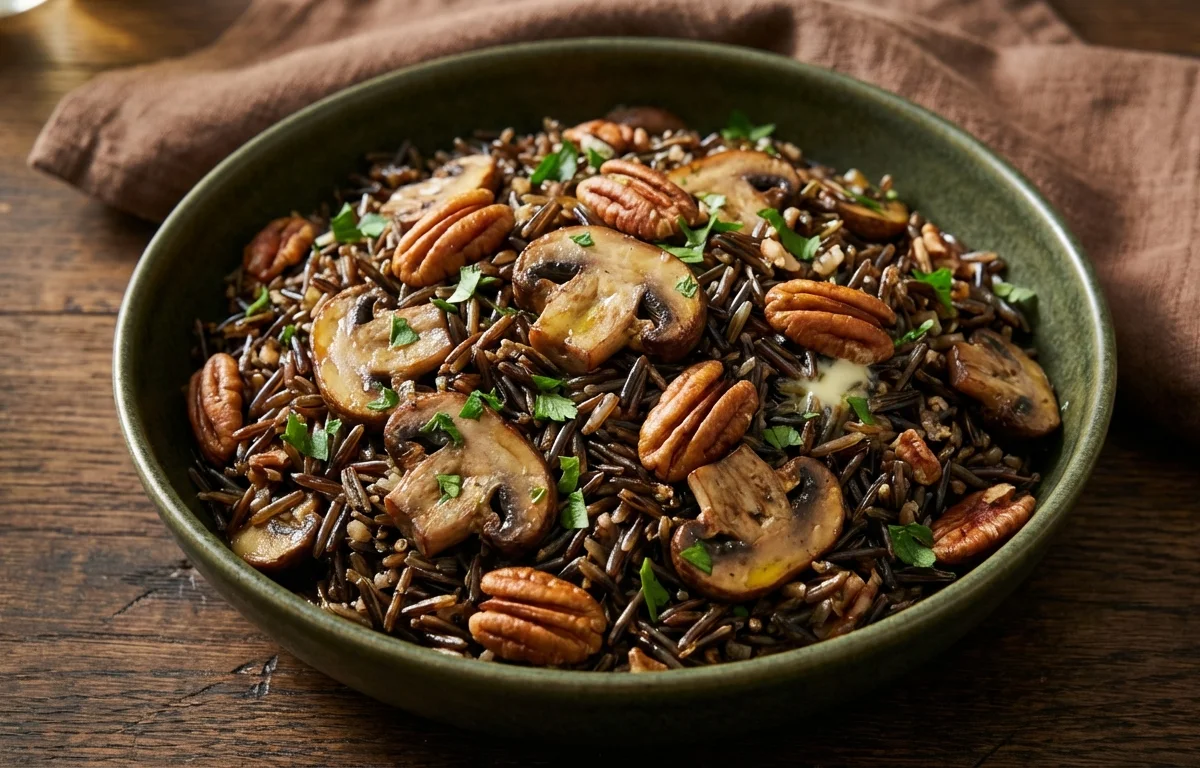
↑ Wild rice has a distinct chewy texture and nutty flavor.
The grain that isn't rice
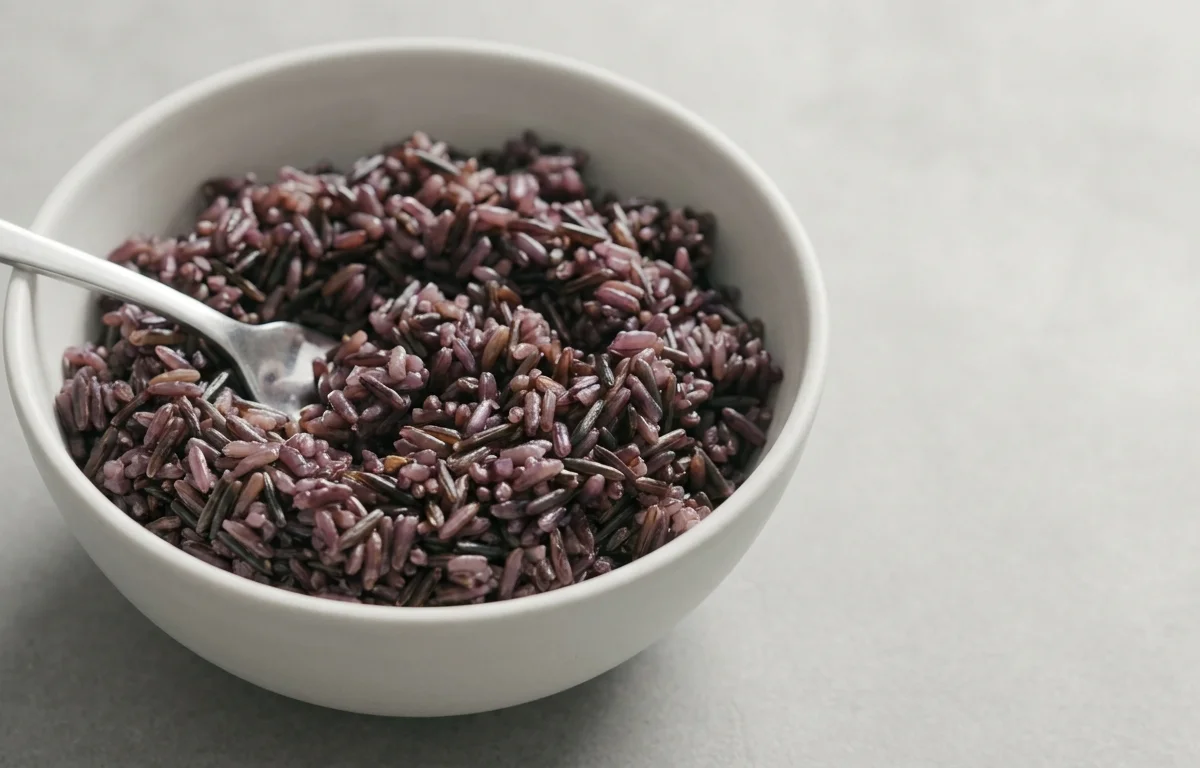
Wild rice is a bit of an impostor, but in the best possible way. It looks like a long, dark grain of rice, and we cook it like rice, but it's actually the seed of a semi-aquatic grass native to North America's Great Lakes region. For centuries, it was a staple for Native American tribes like the Ojibwe, who harvested it by hand from canoes.
This botanical difference is key. It's why wild rice has a chewier, firmer texture that 'pops' when you bite into it, and a wonderfully nutty, earthy flavor that white rice just can't match. It's also why its nutritional profile is so different.
IN ONE LINE
Wild rice is a high-protein, high-fiber whole grain that's technically a grass seed. It's a clear nutritional winner over white rice and a strong contender against brown rice.
Wild rice nutrition facts
Here's the nutritional breakdown for a 100-gram serving of uncooked wild rice, which yields about 3-4 cups when cooked. Keep in mind that most people eat a serving of about one cup cooked (around 45-50g dry).
The standout number here is the protein. At nearly 15 grams per 100g (dry), it's significantly higher than both white rice (around 7g) and brown rice (around 8g). That, combined with over 6 grams of fiber, is why wild rice is so incredibly satisfying and keeps you full for longer. It's also a fantastic source of minerals like zinc, crucial for immune function, and magnesium for muscle and nerve health.
Wild rice's glycemic index
Glycemic index (GI) ranks how fast a food's carbohydrates raise blood sugar. Anything under 55 is low, 56-69 is medium, and 70+ is high.
Wild rice typically falls into the medium-GI category, with reported values often around 57. This is a huge improvement over fluffy white rice (GI ~73) and even a bit better than brown rice (GI ~68). The combination of high fiber and protein in wild rice acts as a natural brake, slowing down digestion and preventing the sharp blood sugar spikes you get from refined grains. This makes it a much smarter choice for sustained energy.
GLYCEMIC INDEX · WILD RICE IN CONTEXT
Wild rice sits in the medium-GI band
Apple
whole fruit
LOW
Wild Rice
cooked
MEDIUM
Pineapple
whole fruit
MEDIUM
White Bread
refined
HIGH
Cornflakes
refined
HIGH
SCALE 0–90
04590
How to cook it right
Wild rice isn't difficult to cook, but it does demand patience. It takes longer than regular rice, but the payoff is worth it.
01
Rinse it well.
Give the dry grains a good rinse under cold water to wash away any dust or debris.
02
Use more water.
Unlike white rice, wild rice needs more water to hydrate. A good starting point is a 1:3 ratio of rice to water or broth.
03
Simmer, don't boil.
Bring the water to a boil, add the rice, then reduce the heat to a gentle simmer and cover. A hard boil will break the grains.
04
Cook until it 'pops'.
This takes 45-60 minutes. You'll know it's done when many of the grains have split open, revealing their creamy interior. It should be chewy, not mushy.
05
Mix it up.
Because of its price and strong flavor, wild rice is often sold in blends with brown or white rice. This is a great way to get started and lighten both the cost and cooking time.
What wild rice is good for
01
Impressive plant-based protein
With almost double the protein of brown rice, wild rice is a fantastic choice for building muscle, repairing tissue, and staying full.
14.7 g
protein / 100g
02
A true whole grain
As a 100% whole grain, it's linked to a lower risk of heart disease, type 2 diabetes, and supports overall metabolic health.
100%
whole grain
03
Packed with filling fiber
The high fiber content aids digestion, promotes a healthy gut microbiome, and helps stabilize blood sugar levels.
6.2 g
fiber / 100g
04
Rich in antioxidants
The dark color hints at a high concentration of antioxidants, which help protect your cells from damage and reduce inflammation.
Higher
than white rice
What to pair wild rice with
Wild rice's nutty, savory flavor makes it a versatile partner. It's less of a neutral base and more of a feature ingredient.
Is wild rice for you?
Three ways to use it
Ready to cook? Wild rice shines in salads, soups, and as a standout side dish.
Want more smart grains in your week — without the guesswork?
Our meal planner incorporates nutrient-dense foods like wild rice into balanced meals, with portions and macros already calculated. Get a custom plan and a single grocery list for the week.
Build my weekly plan →SOURCES & REFERENCES · 3
One more thing
Eating well is rarely about willpower. It’s about having a short list of dinners you actually want to eat. Pick two from this list. Make them next week. The rest will follow.
If you want these on autopilot, our weekly meal planner can drop the picks above into your calendar with one click and build a single grocery list from the merged ingredients.
FREQUENTLY ASKED QUESTIONS
Frequently asked questions
Is wild rice healthier than brown rice?
It's a close call, and both are great choices! Wild rice wins on protein, fiber, and certain minerals like zinc. Brown rice has slightly fewer calories and can be higher in other nutrients. The best approach is to include both in your diet.
Is wild rice good for people with diabetes?
Yes, in moderation. Its high protein and fiber content, combined with a medium glycemic index, make it a better choice than white rice for managing blood sugar. As with any carbohydrate, portion size is key.
Why is wild rice so expensive?
True, traditionally harvested wild rice is labor-intensive, often done by hand from canoes. Even cultivated wild rice is grown in managed paddies that require specific conditions, making it more costly to produce than standard rice.
Do I need to soak wild rice before cooking?
You don't have to, but soaking it in cold water for a few hours or overnight can reduce the cooking time by about 15-20 minutes. Just be sure to use fresh water for cooking.
METHODOLOGY
How this article was created
Built using verified nutrition databases, culinary research, and traditional cooking knowledge — every claim is cross-referenced against the sources listed in the article.
· USDA data· Culinary research· Quality reviewed
Read our methodology →TRANSPARENCY
About this content
Articles are curated using trusted food databases (USDA FoodData Central, IFCT), culinary literature, and dietary guidelines, then structured by our editorial team for clarity, accuracy, and usefulness.
· Verified data sources· Culinary research· Quality reviewed
Read our editorial policy →RELATED RECIPES
Cook from this article
EXPLORE OUR MEALS
Meals that fit this article

AMERICAN · 1677 CAL
Almonds with Sliced Apple + supplement + iron

MEDITERRANEAN · 809 CAL
Greek Yogurt with Berries Almonds and Granola + supplement + iron

GENERAL_HEALTHY · 705 CAL
Banana with Peanut Butter Pregnancy + supplement + iron

MODERN · 982 CAL
Hummus with Crudits and Pita with Fresh Orange Snack + supplement + iron
TAGGED
KEEP READING