Let's be honest, chicken liver isn't exactly the cool kid at the nutritional table. People either love its rich, complex flavor or... well, they don't. But if you're in the latter camp, you might be missing out on one of the most nutrient-dense, affordable foods on the planet. This isn't just old-school peasant food; it's a genuine superfood, packed with iron, protein, and an almost absurd amount of vitamin A. The trick is knowing how to cook it right and understanding that a little goes a long way.
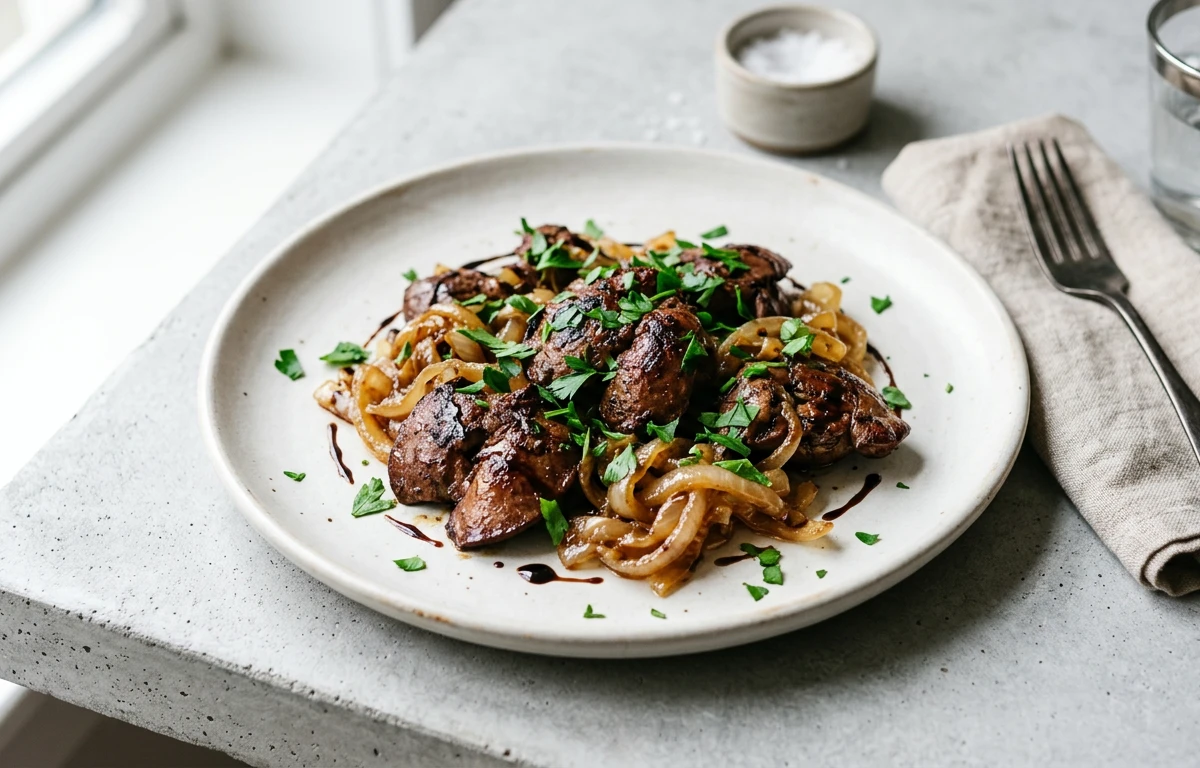
↑ Perfectly cooked chicken liver is creamy and rich, not chalky.
The forgotten superfood
Chicken liver is what I'd call a 'hard-working' food. It's not glamorous, but it delivers an incredible nutritional return for very little cost and few calories. For generations, it was prized as a source of strength-building iron and vitamins you couldn't easily get elsewhere.
Today, we tend to shy away from organ meats. Worries about cholesterol and toxins (mostly unfounded, as the liver processes toxins but doesn't store them) have pushed it off the menu. That's a real shame. A small serving a couple of times a week is one of the best things you can eat for energy, immunity, and overall nutrient intake.
IN ONE LINE
An old-school nutritional powerhouse: incredibly dense in iron, vitamin A, and B12 for very few calories. The key is moderation and smart cooking.
Chicken liver nutrition facts
Here's the nutritional profile for a typical 100-gram (about 3.5-ounce) serving of cooked chicken liver. Note that these numbers are just the beginning; it's also one of the world's richest sources of vitamin A and B12.
The numbers are impressive. For only 119 calories, you get nearly 17 grams of high-quality protein. That's a fantastic ratio for anyone focused on muscle maintenance or weight management. And the presence of vitamin C is a nice surprise, helping your body absorb the abundant iron that liver provides.
Chicken liver's glycemic index
This is a short conversation. The glycemic index (GI) measures how much a food raises blood sugar. Since chicken liver contains less than one gram of carbohydrate per serving, its effect on blood sugar is practically zero. Its glycemic index is negligible, making it an excellent food for blood sugar management, diabetes, and low-carb diets.
GLYCEMIC INDEX · CHICKEN LIVER vs COMMON FOODS
Chicken liver has no impact on blood sugar
Chicken Liver
effectively zero
LOW
Cherries
whole fruit
LOW
Apple
whole fruit
LOW
White bread
refined
HIGH
Cornflakes
refined
HIGH
SCALE 0–90
04590
How to cook it right
Most people who dislike chicken liver have simply had it cooked badly. Overcooked liver is dry, chalky, and metallic. Cooked perfectly, it's creamy, rich, and savory. Here's how to get it right.
01
Don't overcook it.
This is the cardinal rule. Sauté for just 2-3 minutes per side until browned on the outside but still pink and creamy in the center. A chalky texture means it's gone too far.
02
Soak it in milk (optional).
If you find the flavor too strong, soaking the livers in milk for 30 minutes before cooking can mellow them out beautifully.
03
Bring on the acid.
A splash of lemon juice, balsamic vinegar, or wine at the end of cooking cuts through the richness and brightens the flavor.
04
Keep portions sensible.
A 100g (3.5 oz) serving is plenty. It's so nutrient-dense that you don't need a huge portion to get the benefits.
What chicken liver is good for
01
A top source of iron
Chicken liver is packed with heme iron, the type most easily absorbed by the body. It's fantastic for preventing and treating iron-deficiency anemia.
High
heme iron
02
Incredible Vitamin A levels
It's one of the world's most concentrated sources of vitamin A, which is crucial for vision, immune function, and skin health. This is also why you must eat it in moderation.
Very High
vitamin A
03
Packed with B-Vitamins
Liver is a B-vitamin powerhouse, especially B12 for nerve function and red blood cell formation, and folate for cell growth.
Rich in
B12 & Folate
04
High-quality, low-calorie protein
With 17g of protein for just 119 calories, it's an efficient way to build and maintain muscle while managing your calorie intake.
17 g
protein
What to pair it with
Chicken liver's rich, earthy flavor loves strong partners that can either complement it or cut through its intensity.
A Weekly Staple or an Occasional Treat?
Three ways to eat it
Beyond a simple pan-fry, chicken liver is surprisingly versatile. These recipes show off its best side.
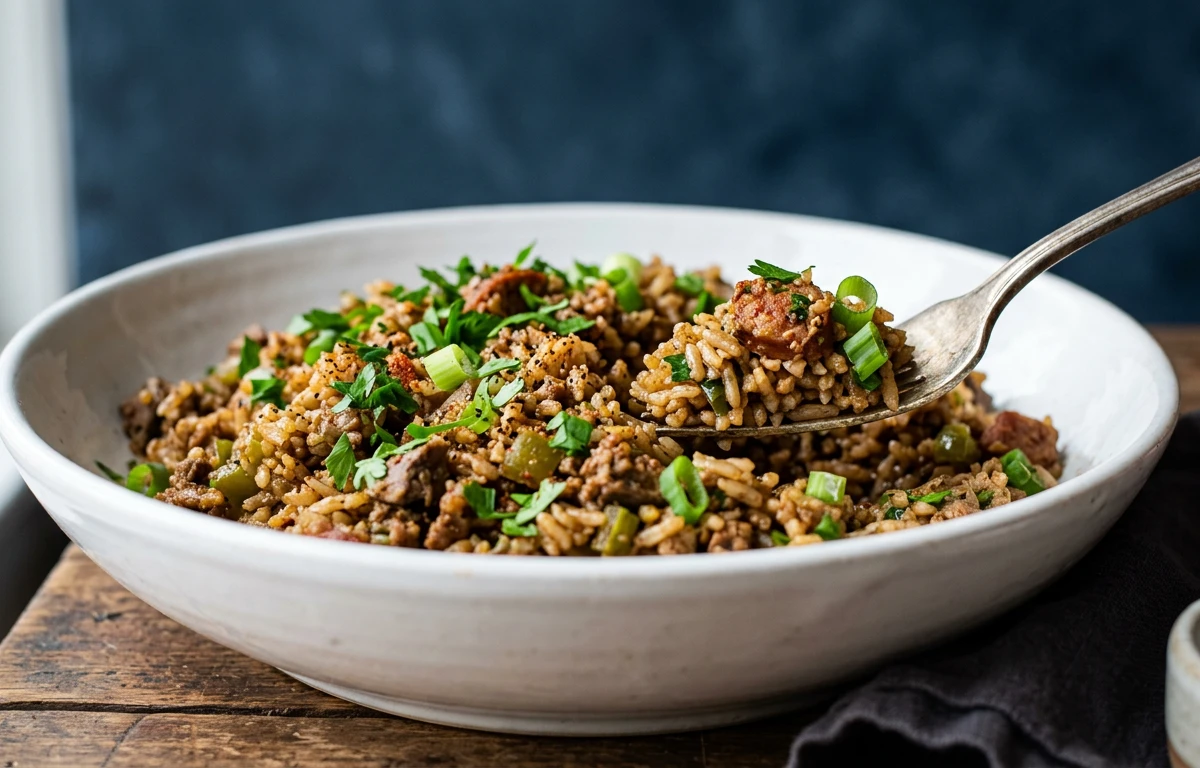
Want nutrient-dense foods worked into a balanced week?
Our meal planner can incorporate foods like chicken liver in sensible portions, paired with fiber and fresh vegetables for a complete, balanced diet. Get your macros calculated and a single grocery list for the week.
Build my weekly plan →SOURCES & REFERENCES · 3
One more thing
Eating well is rarely about willpower. It’s about having a short list of dinners you actually want to eat. Pick two from this list. Make them next week. The rest will follow.
If you want these on autopilot, our weekly meal planner can drop the picks above into your calendar with one click and build a single grocery list from the merged ingredients.
FREQUENTLY ASKED QUESTIONS
Frequently asked questions
Is it safe to eat chicken liver?
Yes, it is very safe. The liver's job is to process toxins, not store them. Livers from healthy chickens are perfectly safe and incredibly nutritious. As with any poultry, cook it properly to an internal temperature that ensures food safety, but avoid overcooking.
How often can you eat chicken liver?
Because it's so high in certain nutrients, especially Vitamin A, moderation is key. A serving of about 100g (3.5 oz) once or twice a week is a safe and healthy amount for most adults. Exceeding this regularly can lead to an unhealthy buildup of Vitamin A.
Can I eat chicken liver during pregnancy?
You should be very cautious. The extremely high levels of preformed Vitamin A (retinol) in liver can be harmful to a developing baby. Most health authorities advise pregnant women to strictly limit or avoid liver and liver products. Always consult your doctor.
Does eating chicken liver raise your cholesterol?
Chicken liver is high in dietary cholesterol. For years, we thought this directly raised blood cholesterol. We now know that for most people, saturated and trans fats have a much bigger impact. However, if you have high cholesterol or a genetic predisposition, your doctor might advise you to limit high-cholesterol foods like liver.
METHODOLOGY
How this article was created
Built using verified nutrition databases, culinary research, and traditional cooking knowledge — every claim is cross-referenced against the sources listed in the article.
· USDA data· Culinary research· Quality reviewed
Read our methodology →TRANSPARENCY
About this content
Articles are curated using trusted food databases (USDA FoodData Central, IFCT), culinary literature, and dietary guidelines, then structured by our editorial team for clarity, accuracy, and usefulness.
· Verified data sources· Culinary research· Quality reviewed
Read our editorial policy →RELATED RECIPES
Cook from this article
EXPLORE OUR MEALS
Meals that fit this article

AMERICAN · 1677 CAL
Almonds with Sliced Apple + supplement + iron

MEDITERRANEAN · 809 CAL
Greek Yogurt with Berries Almonds and Granola + supplement + iron

GENERAL_HEALTHY · 705 CAL
Banana with Peanut Butter Pregnancy + supplement + iron

MODERN · 982 CAL
Hummus with Crudits and Pita with Fresh Orange Snack + supplement + iron
TAGGED
KEEP READING