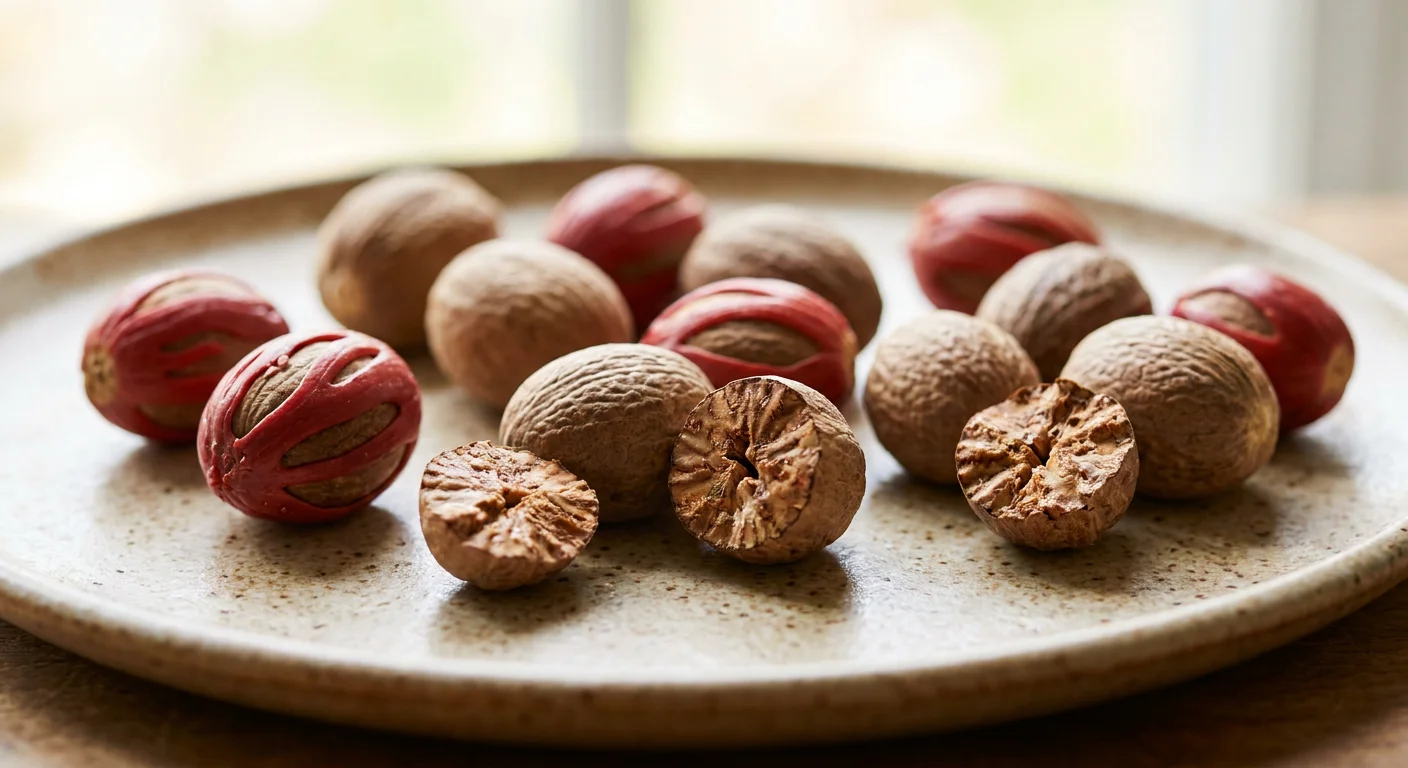
If you've ever walked past a small, brown, unassuming fruit that looks a bit like a fuzzy potato, you've probably met the sapodilla. It doesn't look like much. But inside? It's one of the most uniquely delicious fruits you can find, with a flavor like a pear dipped in brown sugar and cinnamon. People often worry about its sweetness, but they're missing the other half of the story: sapodilla is absolutely loaded with fiber, which changes the equation completely.
↑ The inside of a ripe sapodilla has a soft, slightly gritty texture and a malty-sweet flavor.
The brown sugar fruit
Sapodilla, also known as chikoo in many parts of the world, is a fruit that rewards the curious. The flavor is complex — not just sweet, but malty, caramelly, and slightly gritty like a pear. It's a truly unique taste.
Because it's so sweet, it often gets a side-eye from health-conscious eaters. And yes, it has a good amount of natural sugar. But that sugar comes in a package that's incredibly rich in fiber. That fiber is the key. It slows everything down, makes the fruit incredibly filling, and changes how your body processes the sugar. Don't write it off as just another 'sugary' fruit.
IN ONE LINE
A 100g serving of sapodilla delivers 83 calories, a lot of sweetness, and a massive 5.3 grams of gut-friendly fiber.
Sapodilla nutrition facts
Here's the nutritional breakdown for a 100-gram serving, which is about one small fruit or half of a larger one. The standout number here is the fiber — it's in the same league as a serving of raspberries or a small avocado.
Sapodilla's glycemic index
There is no officially tested glycemic index (GI) for sapodilla. However, we can make an educated guess. It's high in sugar, which would push its GI up, but it's also remarkably high in fiber, which pushes the GI down. Most experts place it in the medium-GI category, likely somewhere between a mango and a pineapple. This means it will raise blood sugar more than an apple, but less than, say, a slice of white bread. The key is that its glycemic load (which accounts for portion size) for a small serving will be low, thanks to all that fiber.
GLYCEMIC INDEX · FRUIT COMPARISON
Sapodilla likely sits in the medium-GI band
Apple
whole fruit
LOW
Mango
whole fruit
LOW
Sapodilla (Est.)
whole fruit
MEDIUM
Pineapple
whole fruit
MEDIUM
Watermelon
whole fruit
HIGH
SCALE 0–90
04590
The smart way to eat one
Getting the best from a sapodilla is simple. It's all about ripeness and portion size.
01
Wait until it's soft.
An unripe sapodilla is hard and unpleasantly astringent due to tannins. A ripe one will feel soft to the touch, like a ripe avocado. The skin will be slightly wrinkled.
02
Just use a spoon.
The easiest way to eat it is to cut it in half and scoop out the flesh with a spoon, avoiding the large black seeds. The skin is not typically eaten.
03
Stick to one small fruit.
A 100g serving is a good portion. This gives you all the fiber benefits without overdoing the sugar and calories.
04
Pair it with protein or fat.
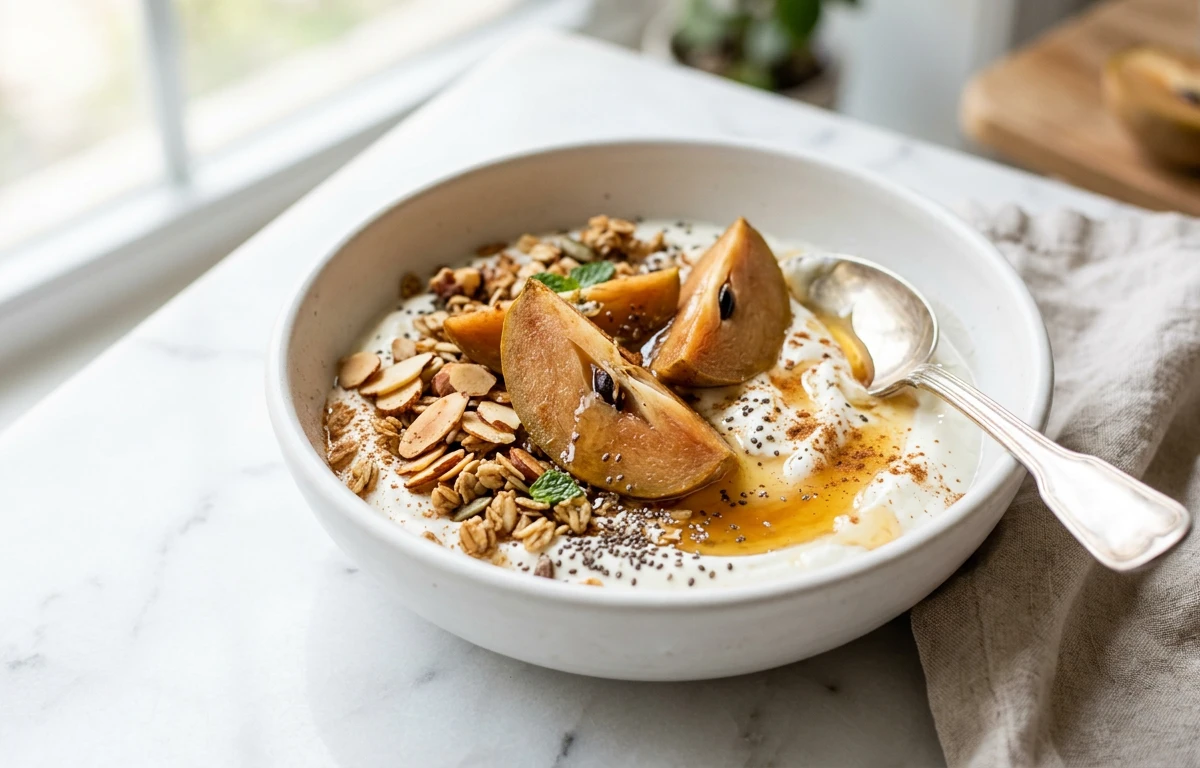
Eating sapodilla alongside a handful of nuts or a scoop of plain yogurt can further blunt any blood sugar response and make it a more balanced snack.
What sapodilla is good for
01
Exceptional for gut health
With 5.3g of fiber per 100g, sapodilla is a powerhouse for digestion, promoting regularity and feeding beneficial gut bacteria.
5.3 g
fiber
02
A useful immunity boost
One small fruit provides about 16% of your daily vitamin C, a key nutrient for a healthy immune system and skin health.
16%
vit C DV
03
Promotes fullness and satiety
The combination of high fiber and water content makes sapodilla surprisingly filling, which can help with appetite control.
83
calories
04
Rich in natural antioxidants
The fruit contains a good amount of polyphenolic compounds like tannins, which have antioxidant properties that help combat oxidative stress.
Rich
antioxidants
What to pair sapodilla with
Sapodilla's brown-sugar sweetness pairs beautifully with creamy and spicy flavors. Adding protein or fat helps create a more balanced snack.
Eat freely — or be mindful?
Three ways to eat it
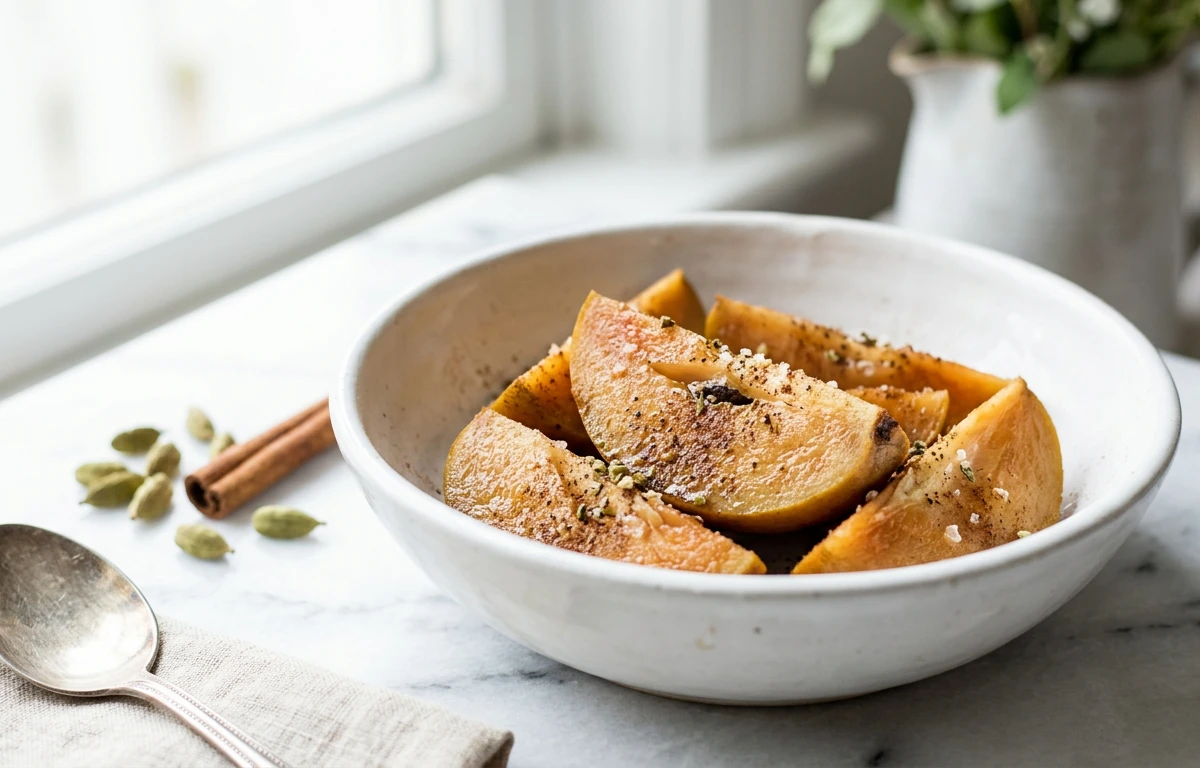
Beyond eating it with a spoon, sapodilla shines in simple preparations that honor its unique flavor.
-shake.webp)
Tired of guessing which fruits fit your goals?
Our meal planner takes the guesswork out of healthy eating. We balance fruits like sapodilla with protein and fiber for steady energy, with all portions and macros calculated for you.
Build my weekly plan →SOURCES & REFERENCES · 3
One more thing
Eating well is rarely about willpower. It’s about having a short list of dinners you actually want to eat. Pick two from this list. Make them next week. The rest will follow.
If you want these on autopilot, our weekly meal planner can drop the picks above into your calendar with one click and build a single grocery list from the merged ingredients.
FREQUENTLY ASKED QUESTIONS
Frequently asked questions
Can people with diabetes eat sapodilla (chikoo)?
With caution and in small portions. While its high fiber content is beneficial, it is also a sweet, medium-GI fruit. A small serving (e.g., half a fruit) paired with a protein source is a better approach. It's crucial to monitor blood sugar levels and consult with a healthcare provider.
What does sapodilla taste like?
It has a unique flavor that's often described as a combination of pear, brown sugar, and a hint of malt or caramel. The texture is soft and slightly granular or gritty, similar to a ripe pear.
How do you know when a sapodilla is ripe?
A ripe sapodilla will be soft to the gentle pressure of your thumb, much like a ripe avocado or peach. The skin may look slightly wrinkled. An unripe fruit is hard and will be unpleasantly astringent and chalky.
Is sapodilla good for weight loss?
It can be, in moderation. Its high fiber content makes it very filling, which can help prevent overeating. However, it's more calorie-dense than many other fruits (83 calories per 100g), so portion control is important.

ABOUT THE AUTHOR
Shreya Chatterjee
NUTRITION WRITER
Shreya is a nutrition writer and the voice behind The Nutrition Pen, where she turns evidence-based nutrition into simple, repeatable eating habits. Her writing focuses on practical food guidance — what to actually put on the plate — for readers who want to eat well without the noise.
Meet the editorial team →METHODOLOGY
How this article was created
Built using verified nutrition databases, culinary research, and traditional cooking knowledge — every claim is cross-referenced against the sources listed in the article.
· USDA data· Culinary research· Quality reviewed
Read our methodology →TRANSPARENCY
About this content
Articles are curated using trusted food databases (USDA FoodData Central, IFCT), culinary literature, and dietary guidelines, then structured by our editorial team for clarity, accuracy, and usefulness.
· Verified data sources· Culinary research· Quality reviewed
Read our editorial policy →RELATED RECIPES
Cook from this article
EXPLORE OUR MEALS
Meals that fit this article

AMERICAN · 1677 CAL
Almonds with Sliced Apple + supplement + iron

MEDITERRANEAN · 809 CAL
Greek Yogurt with Berries Almonds and Granola + supplement + iron

GENERAL_HEALTHY · 705 CAL
Banana with Peanut Butter Pregnancy + supplement + iron
MODERN · 982 CAL
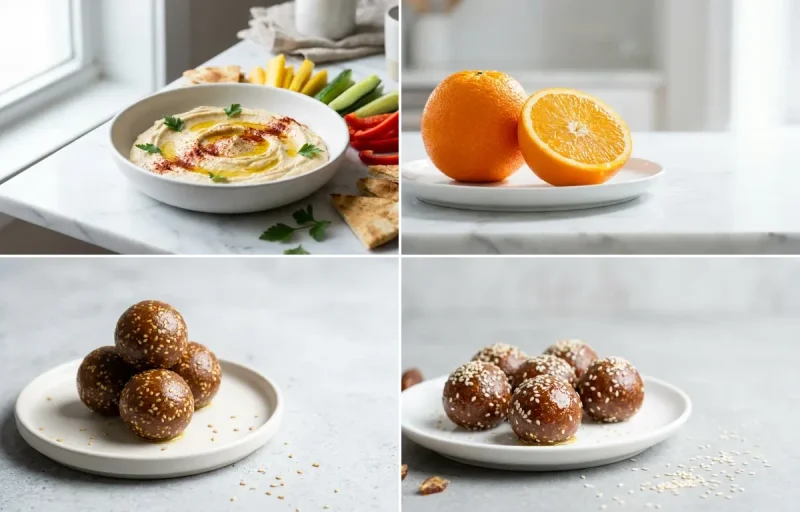
Hummus with Crudits and Pita with Fresh Orange Snack + supplement + iron
TAGGED
KEEP READING