Sweet Potato: Nutrition, Glycemic Index & Is It Good For You?: verified nutrition facts, glycemic context, serving guidance, and practical cooking ideas.
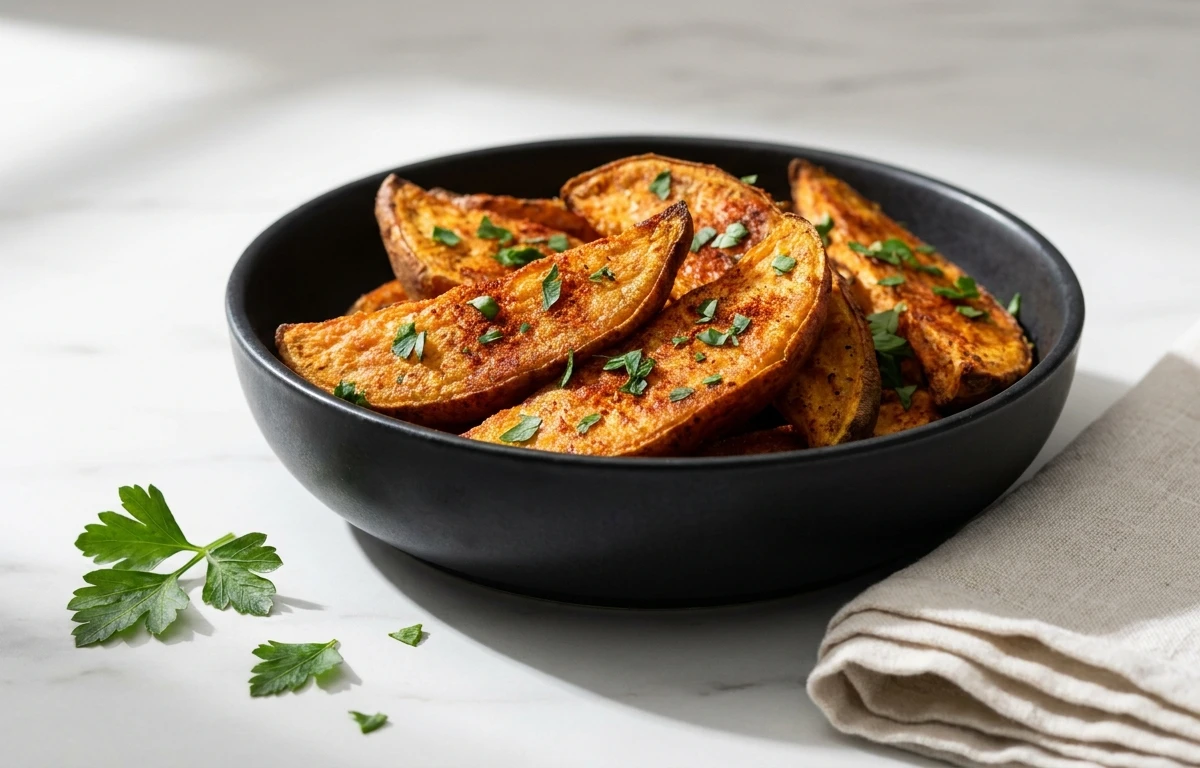
↑ A simple baked sweet potato. How you cook it changes everything.
Not your average potato
A sweet potato's creamy, orange flesh and thin, reddish skin give it away instantly. It's not a true potato (a nightshade) but a root from the morning glory family. This is more than a bit of trivia; it explains why its nutritional profile is so different from a regular white potato. It's lower in calories and carbs, higher in fibre, and absolutely packed with beta-carotene, the antioxidant our bodies convert into vitamin A.
The most important thing to know, though, is that cooking changes its starches. Boiling it keeps its glycemic index low and gentle. Baking or roasting it for a long time breaks down those starches into sugars, making it taste sweeter and act more like a high-GI food. It's the same food, but your body treats it very differently.
A sweet potato is a low-fat, high-fibre vegetable loaded with vitamin A. For the gentlest blood sugar effect, boil or steam it instead of baking it.
Sweet potato nutrition facts
Here’s the nutritional breakdown for a 100-gram serving of raw sweet potato—that's about one small-to-medium sweet potato.
The star of the show is clearly Vitamin A. That 79% of your daily value comes from beta-carotene, the pigment that gives the sweet potato its orange color. It's also a decent source of fibre and potassium for very few calories.
The glycemic index surprise
This is where sweet potatoes get fascinating. Glycemic index (GI) tells you how fast a food raises your blood sugar. Under 55 is low, over 70 is high. A sweet potato can be both.
* Boiled sweet potato: Has a low GI, around 46. The starches remain complex and break down slowly. * Baked sweet potato: Has a high GI, around 94. The long, dry heat breaks down the starches into maltose, a type of sugar, making it much faster to digest.
So, is it 'good' for blood sugar? It completely depends. If you're managing diabetes or just want steady energy, boiling, steaming, or even microwaving is the way to go. A long-baked sweet potato behaves more like, well, white bread.
GLYCEMIC INDEX · SWEET POTATO vs COMMON FOODS
Boiled sweet potato is a low-GI food
Apple
whole fruit
LOW
Sweet Potato (boiled)
boiled
LOW
Pineapple
whole fruit
MEDIUM
White Bread
refined
HIGH
Sweet Potato (baked)
baked
HIGH
SCALE 0–100
050100
The smart way to cook it
Getting the most out of your sweet potato is simple. It all comes down to cooking method and what you serve with it.
01
Boil or steam it.
This is the single best way to preserve its low-GI properties. Chop into cubes and boil for 15-20 minutes until tender.
02
Eat the skin.
A lot of the fibre is concentrated in or just under the skin. Just give it a good scrub first.
03
Pair with protein or fat.
A dollop of Greek yogurt, a sprinkle of nuts, or some black beans will slow digestion and further blunt any blood sugar response.
04
Don't add sugar.
Sweet potatoes are naturally sweet. They don't need the marshmallows or brown sugar glaze. Try cinnamon, smoked paprika, or a squeeze of lime instead.
05
If you bake, go quick.
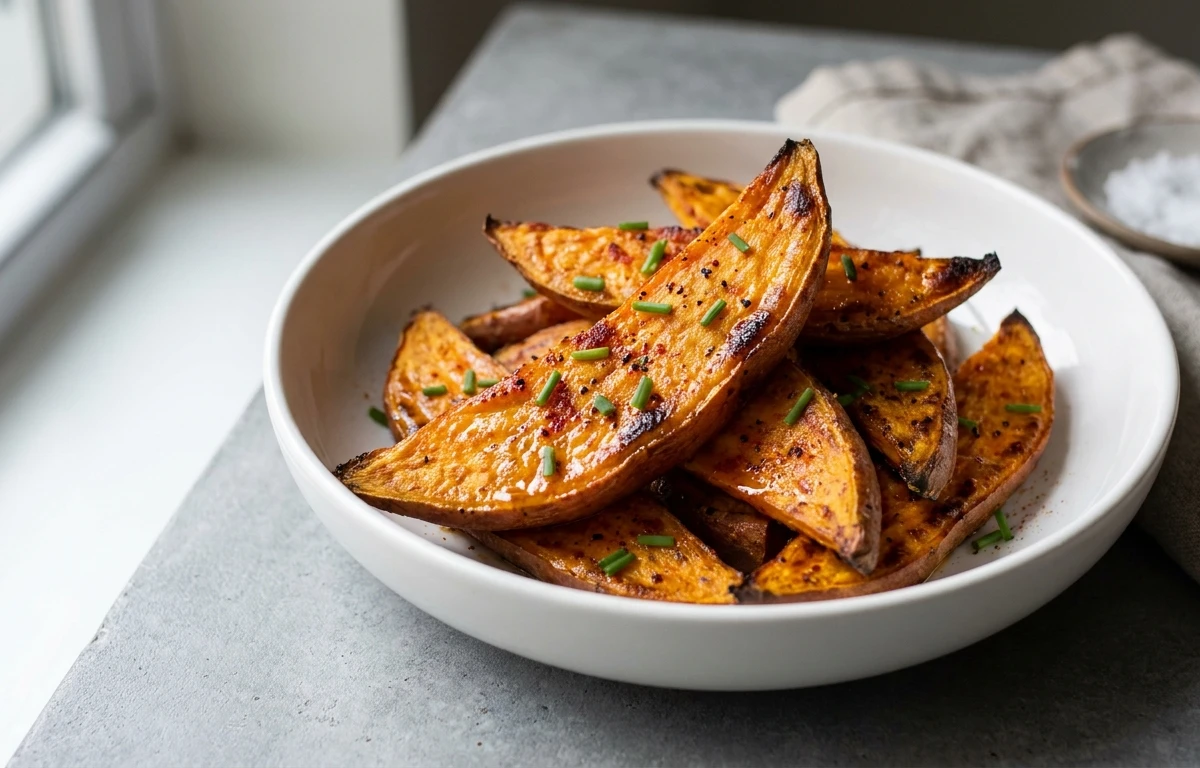
If you love the taste of baked, try cutting it into smaller wedges and roasting at a high temperature for a shorter time (20-25 mins) to limit the starch-to-sugar conversion.
What sweet potato is good for
01
A massive vitamin A boost
One small sweet potato can provide nearly a full day's worth of vitamin A, essential for vision, immune function, and skin health.
79%
vit A DV
02
Supporting gut health
With 3 grams of fibre per 100g, including both soluble and insoluble types, it helps keep you regular and feeds beneficial gut bacteria.
3 g
fiber
03
Steady, low-GI energy
When boiled, its complex carbs provide sustained energy without the spike-and-crash of high-GI foods.
GI ~46
boiled
04
Blood pressure regulation
It's a good source of potassium, an important mineral that helps your body manage sodium levels and supports healthy blood pressure.
337 mg
potassium
What to pair it with
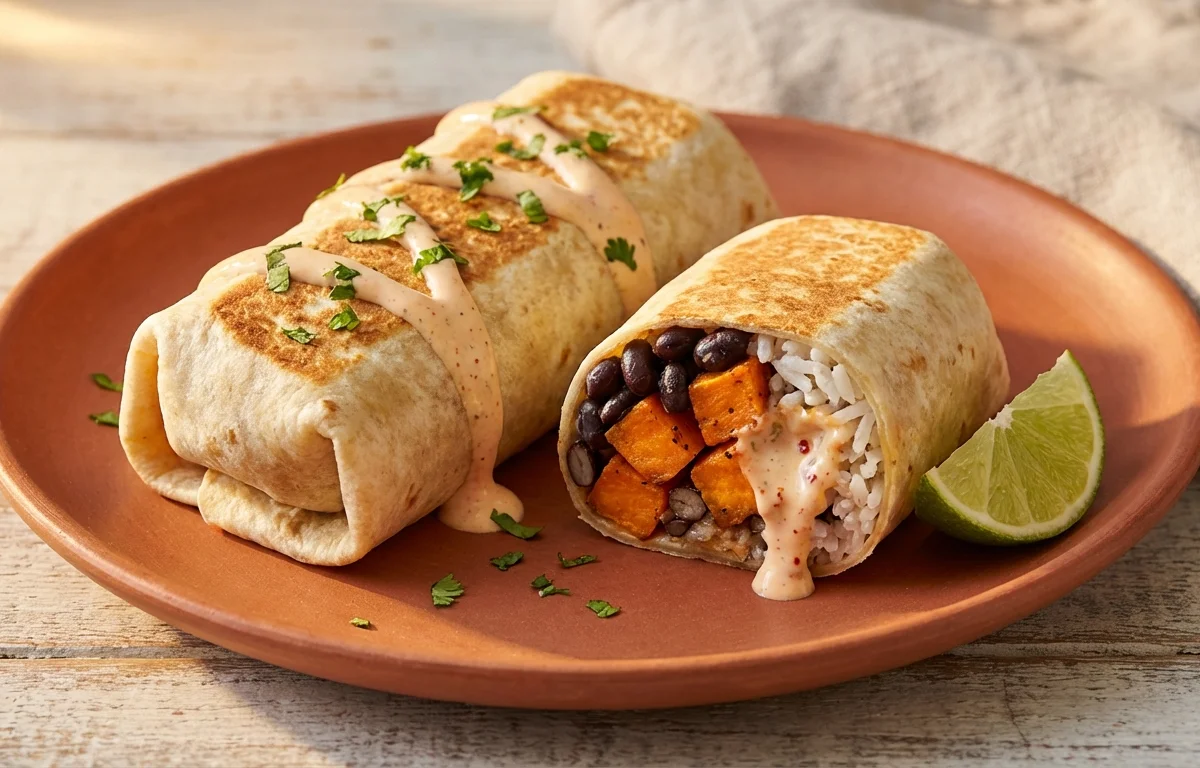
Sweet potato's earthy sweetness is a great backdrop for savoury, spicy, and creamy flavours. Adding protein or healthy fat makes it a complete, balanced meal.
Eat freely — or be mindful?
Three simple ways to eat it
Forget the marshmallow-topped casseroles. Here are three easy, healthy ways to make sweet potato a regular part of your week.
Want vegetables like sweet potato worked into a balanced week?
Our meal planner pairs carbs with protein and fibre for steady energy, with portions and macros already calculated and a single grocery list at the end.
Build my weekly plan →SOURCES & REFERENCES · 3
One more thing
Eating well is rarely about willpower. It’s about having a short list of dinners you actually want to eat. Pick two from this list. Make them next week. The rest will follow.
If you want these on autopilot, our weekly meal planner can drop the picks above into your calendar with one click and build a single grocery list from the merged ingredients.
FREQUENTLY ASKED QUESTIONS
Frequently asked questions
Is sweet potato good for people with diabetes?
It can be, with caution. Boiled sweet potato has a low glycemic index and is a good choice in a sensible portion. Baked sweet potato, however, has a very high GI and should be limited or avoided. Always pair it with protein or fat and monitor your own blood sugar response.
Which is healthier, a sweet potato or a white potato?
They're just different. Sweet potato is the clear winner for vitamin A and has slightly more fibre. A white potato (with skin) has more potassium and vitamin C. Neither is 'unhealthy' — it's the preparation (fried vs. boiled) and toppings that usually cause problems.
Can sweet potatoes help you lose weight?
Yes, they can be a great food for weight loss. They are relatively low in calories and high in fibre and water, which helps you feel full. Stick to boiling or steaming and avoid adding high-calorie toppings like butter and sugar.
Can you eat sweet potato skin?
Absolutely! The skin is perfectly edible and contains a good amount of the potato's total fibre. Just be sure to scrub it well before cooking.
METHODOLOGY
How this article was created
Built using verified nutrition databases, culinary research, and traditional cooking knowledge — every claim is cross-referenced against the sources listed in the article.
· USDA data· Culinary research· Quality reviewed
Read our methodology →TRANSPARENCY
About this content
Articles are curated using trusted food databases (USDA FoodData Central, IFCT), culinary literature, and dietary guidelines, then structured by our editorial team for clarity, accuracy, and usefulness.
· Verified data sources· Culinary research· Quality reviewed
Read our editorial policy →RELATED RECIPES
Cook from this article
EXPLORE OUR MEALS
Meals that fit this article

AMERICAN · 1677 CAL
Almonds with Sliced Apple + supplement + iron

MEDITERRANEAN · 809 CAL
Greek Yogurt with Berries Almonds and Granola + supplement + iron

GENERAL_HEALTHY · 705 CAL
Banana with Peanut Butter Pregnancy + supplement + iron

MODERN · 982 CAL
Hummus with Crudits and Pita with Fresh Orange Snack + supplement + iron
TAGGED
KEEP READING