That smell – the one that instantly says 'holidays' – is probably cloves. But boxing them into just winter baking is a huge mistake. These tiny, dried flower buds are one of the most potent spices on your rack, not just for their intense, warming flavour but for their surprising health profile. The key is understanding they're a powerful seasoning, not a food group. A little goes a very, very long way.
↑ Cloves are the dried, unopened flower buds of an evergreen tree.
The tiny flavor bomb
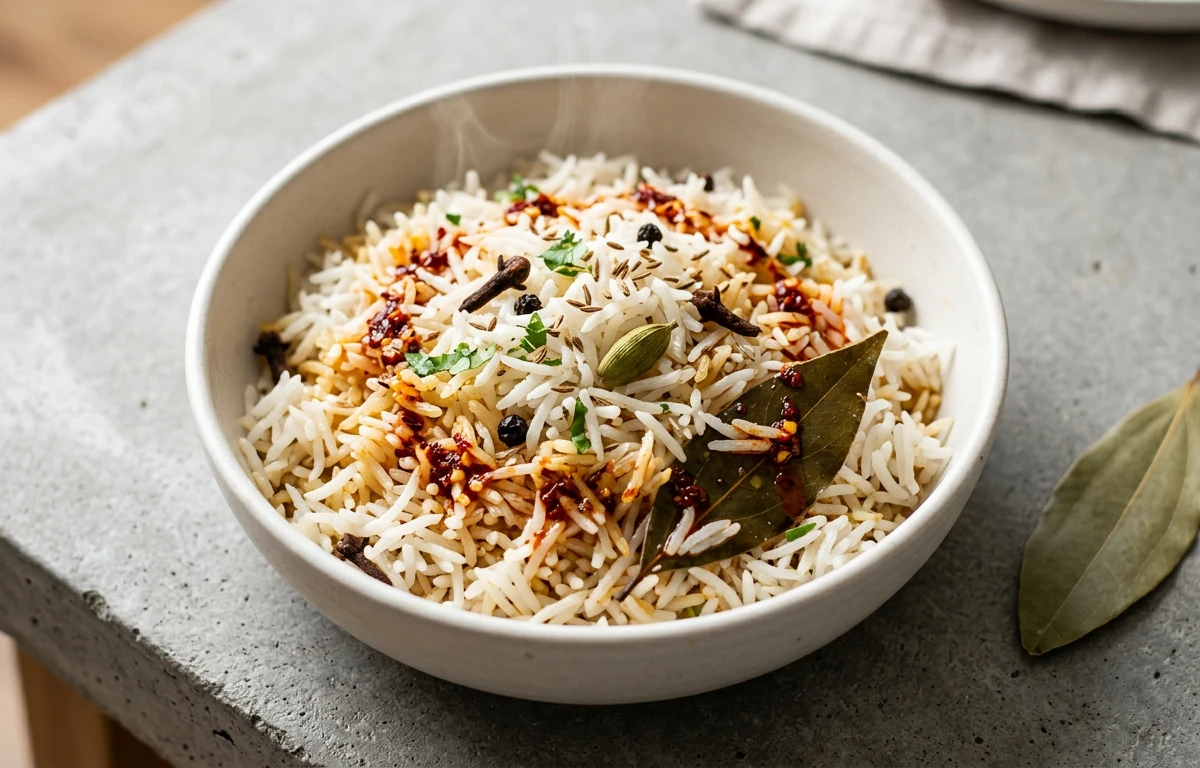
Cloves are intensely aromatic, with a flavour profile that's pungent, sweet, and warm all at once. That power comes from a compound called eugenol, which makes up a huge portion of the bud's essential oil. It’s why a single clove can perfume an entire pot of rice or mulled wine.
While we think of it as a single spice, it's really a versatile ingredient. Use it whole to infuse liquids and stud meats, or use it ground (sparingly!) in baked goods and spice blends. The trick is to treat it with respect — it can easily overpower a dish.
IN ONE LINE
In the small amounts you actually use, cloves are a high-impact, low-calorie way to add antioxidants and deep, warming flavour to your food.
Clove nutrition facts
Looking at the nutrition for 100 grams of cloves is interesting, but not very practical — you'd never eat that much. A more realistic serving is a teaspoon of ground cloves (about 2 grams), which has minimal calories. The 100g data does show us, however, that cloves are surprisingly rich in fibre and minerals by weight.
The main takeaway isn't the calories or carbs, which are trivial in a normal serving. It's the concentration of micronutrients and plant compounds. Cloves are one of the richest dietary sources of antioxidants, which is where their real health story lies.
Do cloves have a glycemic index?
Technically, no. The glycemic index (GI) measures how quickly a carbohydrate-containing food raises blood sugar. Spices like cloves are used in such tiny quantities and contain so little carbohydrate per serving that their effect on blood sugar is essentially zero. They are not tested for a GI value because it's not relevant. You can add cloves to a meal without ever worrying about a blood sugar spike.
GLYCEMIC INDEX · CONTEXT
Cloves' effect on blood sugar is negligible
Apple
whole fruit
LOW
Mango
whole fruit
LOW
Pineapple
whole fruit
MEDIUM
White bread
refined
HIGH
SCALE 0–90
04590
The smart way to use them
A little goes a long way. Overdo it and cloves can create a bitter, medicinal taste. Here's how to get it right.
01
Use whole for infusions.
Poke 4-5 whole cloves into an onion for stock, or add them to simmering cider or tea. This infuses a gentle warmth without bitterness. Remove them before serving.
02
Grind fresh for the best flavour.
Pre-ground cloves lose their potency fast. For the best flavour in baking, grind whole cloves in a spice grinder just before you need them.
03
Start with a pinch.
When using ground cloves in a recipe (like pumpkin pie or a curry), start with just 1/8 or 1/4 of a teaspoon for a family-sized dish. You can always add more.
04
Pair with other 'warm' spices.
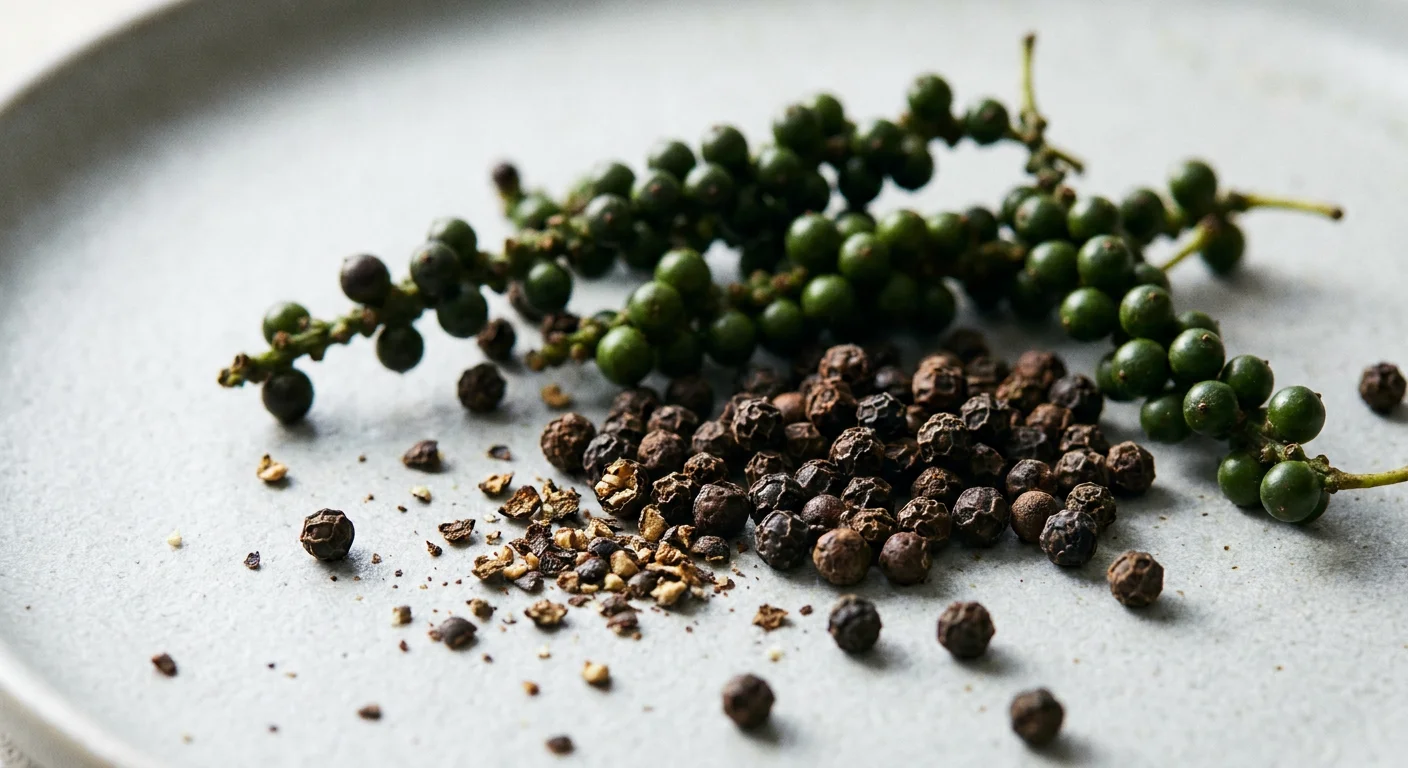
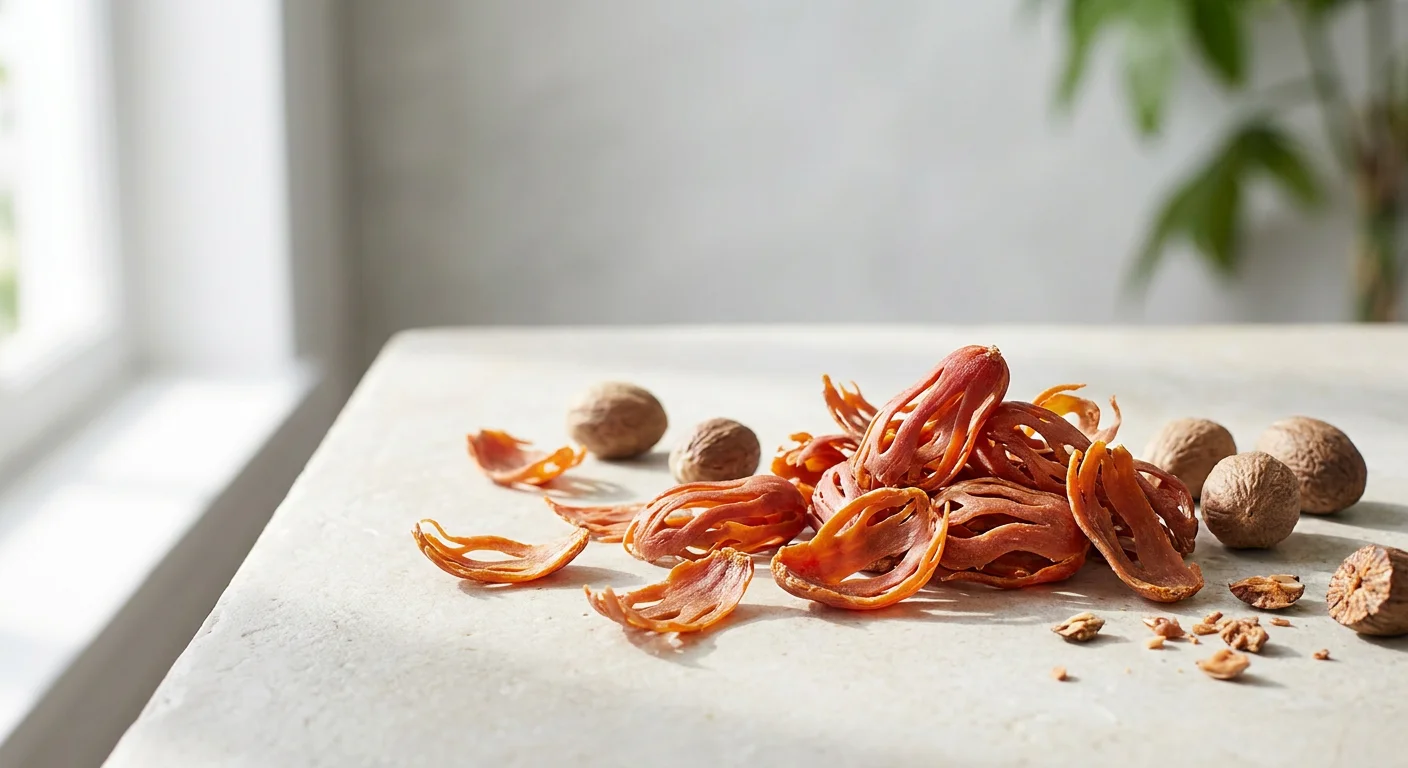
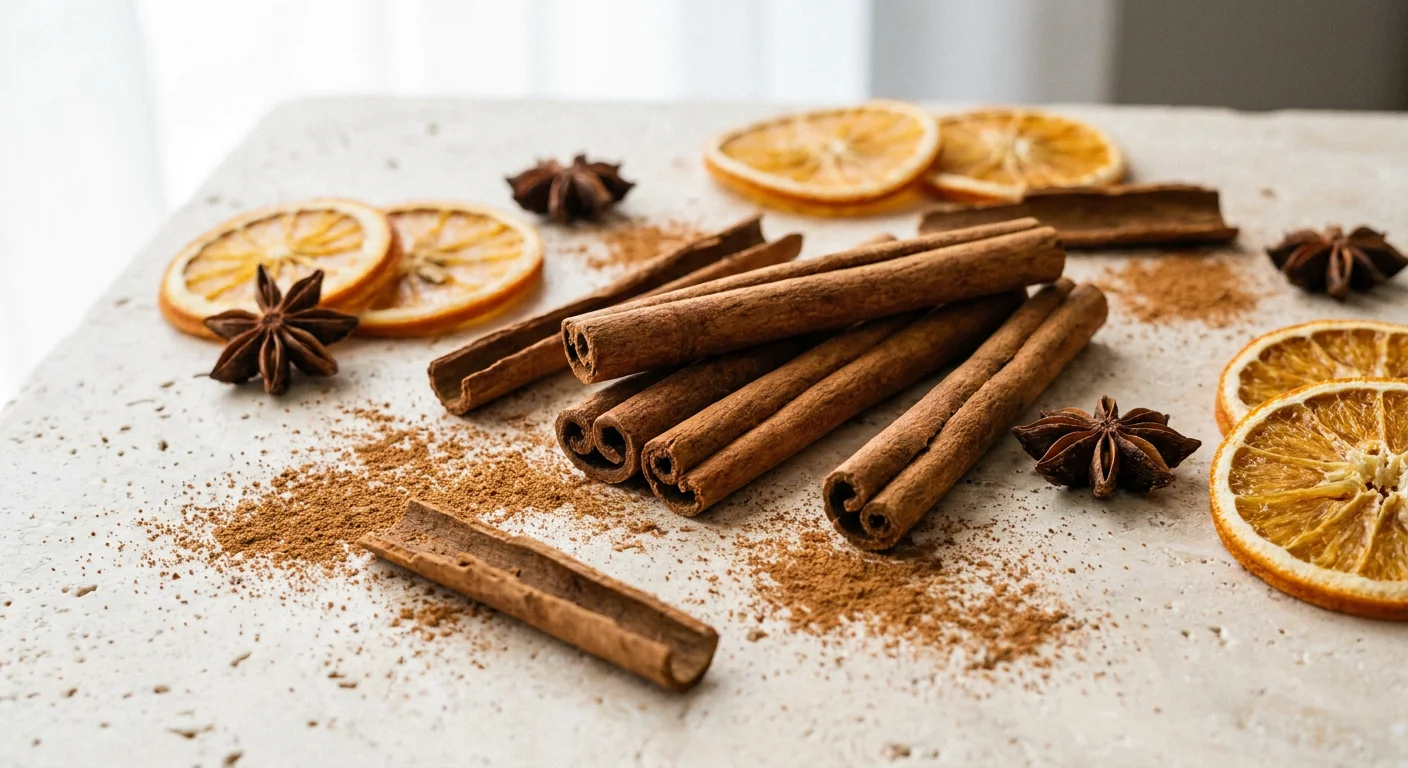
Cloves work beautifully with cinnamon, nutmeg, allspice, and cardamom. They balance each other out in blends like garam masala or pumpkin pie spice.
What cloves are good for
01
Incredible antioxidant content
Cloves are one of the most antioxidant-rich spices. These compounds, especially eugenol, help your body combat oxidative stress.
Top Tier
Antioxidants
02
Anti-inflammatory properties
The main active ingredient, eugenol, has been shown in studies to act as a potent anti-inflammatory agent in the body.
Eugenol
Active compound
03
Flavour without calories or sugar
Cloves provide a huge burst of flavour, allowing you to cut back on less healthy additions like sugar or salt in a recipe.
~0
Sugar per tsp
04
May support digestive health
Traditionally, cloves have been used to soothe indigestion and reduce gas. Their antimicrobial properties may also help promote a healthy gut balance.
Aids
Digestion
What to pair cloves with
Cloves have a strong personality, but they play well with both sweet and savoury partners.
Use freely — or be mindful?
Three ways to use them
Go beyond the holiday ham with these simple recipes that showcase the warm, aromatic flavour of cloves.


Want more smart ways to add flavour without the fuss?
Our meal planner uses spices like cloves to create delicious, healthy meals that are anything but bland. Get balanced recipes with a single, simple grocery list.
Build my weekly plan →SOURCES & REFERENCES · 3
One more thing
Eating well is rarely about willpower. It’s about having a short list of dinners you actually want to eat. Pick two from this list. Make them next week. The rest will follow.
If you want these on autopilot, our weekly meal planner can drop the picks above into your calendar with one click and build a single grocery list from the merged ingredients.
FREQUENTLY ASKED QUESTIONS
Frequently asked questions
Are cloves good for you?
Yes, in the small amounts used in cooking, cloves are very good for you. They are extremely high in antioxidants, which help protect your cells from damage. They also add a lot of flavour for virtually no calories.
Can you eat too many cloves?
Yes. While culinary amounts are safe, cloves are very potent. Eating large quantities of whole or ground cloves can cause stomach upset. Clove essential oil is highly concentrated and should not be ingested as it can be toxic.
What's the difference between whole and ground cloves?
Whole cloves are the entire dried bud and are best for infusing liquids or studding food, as they release flavour slowly and can be removed. Ground cloves have a much more intense, immediate flavour and are best for baking and spice blends. Ground cloves also lose their potency much faster than whole ones.
Do cloves really help with a toothache?
There's truth to this traditional remedy. The main compound in cloves, eugenol, is a natural anesthetic and antiseptic. Placing a whole clove on a sore tooth can provide temporary relief. However, it's a stopgap measure, not a cure — you still need to see a dentist.
METHODOLOGY
How this article was created
Built using verified nutrition databases, culinary research, and traditional cooking knowledge — every claim is cross-referenced against the sources listed in the article.
· USDA data· Culinary research· Quality reviewed
Read our methodology →TRANSPARENCY
About this content
Articles are curated using trusted food databases (USDA FoodData Central, IFCT), culinary literature, and dietary guidelines, then structured by our editorial team for clarity, accuracy, and usefulness.
· Verified data sources· Culinary research· Quality reviewed
Read our editorial policy →RELATED RECIPES
Cook from this article
EXPLORE OUR MEALS
Meals that fit this article

AMERICAN · 1677 CAL
Almonds with Sliced Apple + supplement + iron

MEDITERRANEAN · 809 CAL
Greek Yogurt with Berries Almonds and Granola + supplement + iron

GENERAL_HEALTHY · 705 CAL
Banana with Peanut Butter Pregnancy + supplement + iron

MODERN · 982 CAL
Hummus with Crudits and Pita with Fresh Orange Snack + supplement + iron
TAGGED
KEEP READING