Fresh Coconut: Fat, Fiber, Glycemic Index & Is It Healthy?: verified nutrition facts, glycemic context, serving guidance, and practical cooking ideas.
↑ Fresh coconut meat is rich in fiber and healthy fats.
The misunderstood fruit
Fresh coconut meat is in a class of its own. It’s technically a drupe, like a peach, but you wouldn't know it. Where other fruits are mostly water and carbs, coconut is mostly fat and fiber. This unique makeup means it doesn't give you a quick sugar rush. Instead, it delivers slow, steady energy and a feeling of fullness that lasts for hours.
The key is to stop thinking of it as an all-you-can-eat fruit and start treating it as a satisfying, portion-controlled source of fat and fiber, a bit like you would with nuts or avocado.
IN ONE LINE
High in fat and fiber, fresh coconut is a low-glycemic food that's more filling and blood-sugar-friendly than people think. The key is the portion size.
Fresh coconut nutrition facts
Here’s the nutritional breakdown for a 100-gram (about 1 cup, shredded) serving of raw coconut meat. The numbers that really jump out are the fat and the fiber.
Nearly a third of your daily fiber in one serving! That's huge. This fiber, combined with the high fat content, is why coconut is so satisfying. It physically fills you up and slows digestion to a crawl. The carbohydrate count is modest, and when you subtract the fiber, you're left with very few 'net carbs' that impact blood sugar. The fat is mostly saturated, but a large portion of it is in the form of Medium-Chain Triglycerides (MCTs), which the body metabolizes differently than other fats.
Fresh Coconut's Glycemic Index
While fresh coconut doesn't have an officially tested Glycemic Index value, we can confidently say it's very low. Why? Glycemic index measures how quickly carbohydrates raise blood sugar. A 100g serving of coconut has only about 6 grams of net carbs, and those carbs are delivered alongside 33 grams of fat and 9 grams of fiber. This combination of high fiber and high fat acts like a brake on digestion, ensuring those few carbs are absorbed very, very slowly. For anyone managing blood sugar, fresh coconut is one of the safest fruits you can eat.
GLYCEMIC INDEX · COMMON FOODS FOR CONTEXT
Coconut has a very low glycemic impact
Cherries
whole fruit
LOW
Apple
whole fruit
LOW
Pineapple
whole fruit
MEDIUM
White bread
refined
HIGH
SCALE 0–90
04590
The smart way to eat it
A little fresh coconut goes a long way. Here’s how to get the benefits without overdoing the calories.
01
Watch the portion.
It's calorie-dense. A 30-50g serving (a small handful) is a good place to start, not half the coconut in one go.
02
Choose fresh or unsweetened.
Sweetened, desiccated coconut flakes are more like candy. Stick to raw meat or unsweetened shredded coconut for the real benefits.
03
Use it as a 'topper'.
Think of it as a garnish that adds fat, fiber and crunch. Sprinkle it on yogurt, oatmeal, salads, or curries.
04
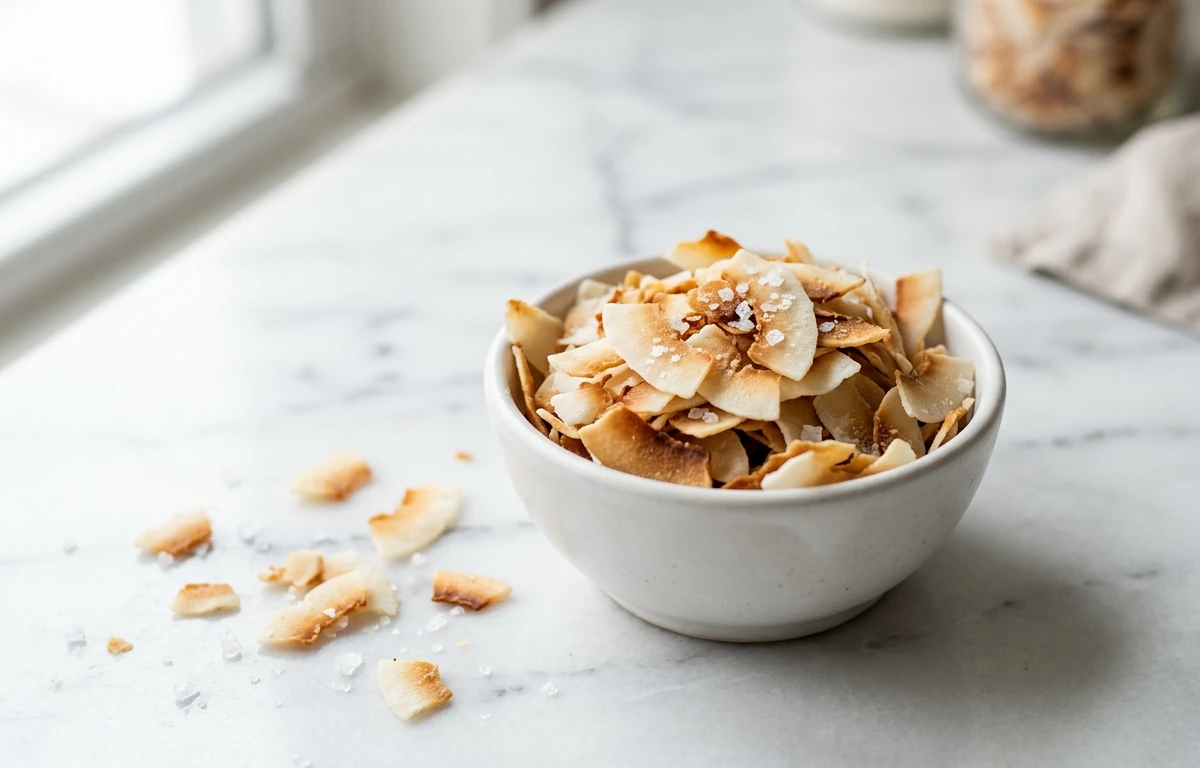
Toast it for flavor.
Spreading fresh coconut flakes on a dry pan over medium heat for a few minutes brings out a nutty, incredible flavor with nothing added.
What fresh coconut is good for
01
Lasting fullness and satiety
The potent combination of high fiber and high fat is incredibly filling, helping to curb cravings and prevent overeating later.
9 g
fiber
02
Excellent blood sugar control
With minimal net carbs and plenty of fat to slow absorption, fresh coconut has a negligible effect on blood sugar levels.
Low
glycemic
03
A boost for gut health
Coconut is packed with insoluble fiber, which adds bulk to stool and promotes regularity, acting as a natural aid for a healthy digestive system.
32%
fiber DV
04
Fuel for low-carb diets
As a food that is primarily fat, including beneficial MCTs, it's a perfect fit for ketogenic and other low-carb eating patterns.
33.5g
fat
What to pair coconut with
Coconut is a team player. Its rich, nutty flavor works in both sweet and savory dishes, and it's often the fat-and-fiber component that balances out a meal.
Eat freely — or be mindful?
Three ways to use it
Beyond just snacking on it, fresh coconut adds amazing texture and richness to simple recipes.
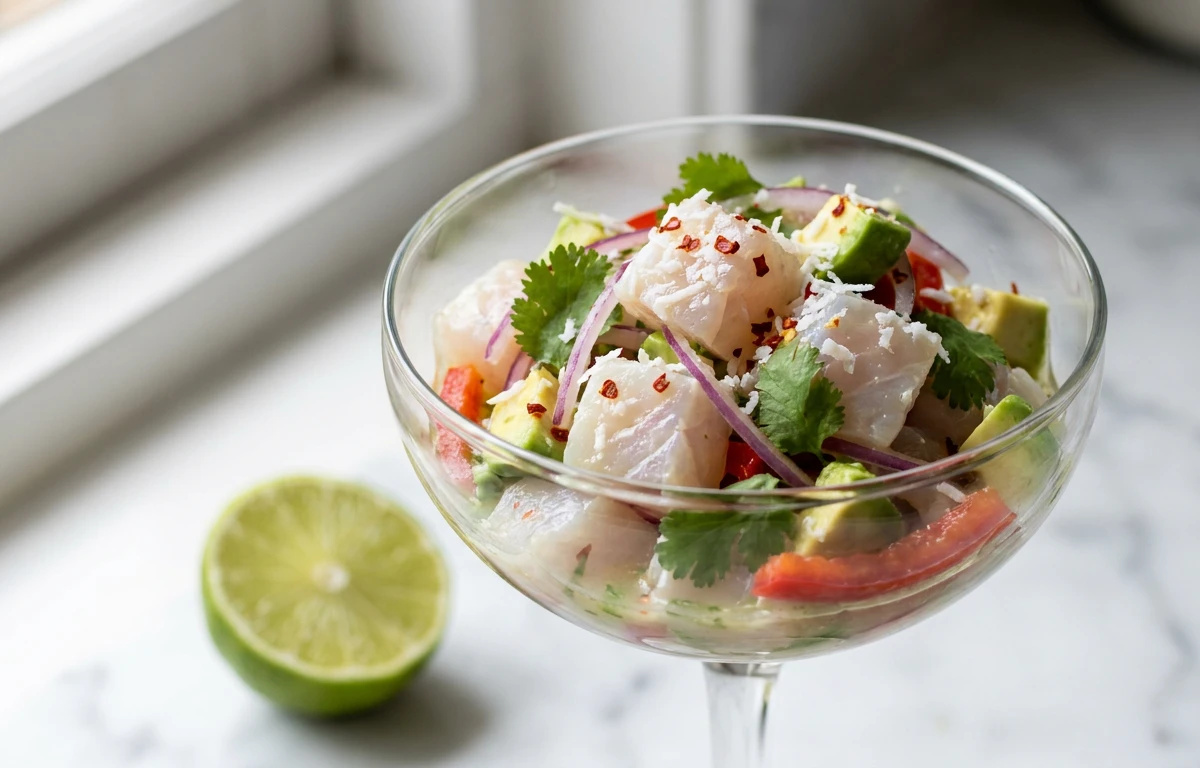

Want healthy fats and fiber worked into a balanced week?
Our meal planner incorporates foods like fresh coconut, avocado, and nuts to keep you full and your blood sugar steady — with portions and macros already calculated and a single grocery list at the end.
Build my weekly plan →SOURCES & REFERENCES · 3
One more thing
Eating well is rarely about willpower. It’s about having a short list of dinners you actually want to eat. Pick two from this list. Make them next week. The rest will follow.
If you want these on autopilot, our weekly meal planner can drop the picks above into your calendar with one click and build a single grocery list from the merged ingredients.
FREQUENTLY ASKED QUESTIONS
Frequently asked questions
Is fresh coconut good for weight loss?
It can be, in moderation. While it is high in calories (354 per 100g), its high fiber and fat content make it extremely filling. A small amount can keep you satisfied for hours, which can help prevent overeating. The key is strict portion control.
Is coconut heart-healthy with all that saturated fat?
This is a complex and debated topic. Much of coconut's saturated fat is in the form of MCTs, which may have neutral or even some beneficial effects on cholesterol compared to other saturated fats. However, dietary guidelines still recommend limiting saturated fat. The best approach is to enjoy coconut in moderation as part of an overall heart-healthy diet rich in plants, fiber, and unsaturated fats.
Can people with diabetes eat fresh coconut?
Absolutely. Fresh coconut is an excellent food for people with diabetes. It has very few net carbohydrates and a high amount of fiber and fat, leading to a minimal, slow rise in blood sugar. It's one of the most blood-sugar-friendly 'fruits' available.
What's the difference between fresh and desiccated coconut?
Fresh coconut is the raw, unprocessed meat from the fruit, containing all its natural water and oils. Desiccated (or dried) coconut has been dried to remove moisture, which concentrates its calories, fat, and sugar. Many commercial desiccated coconut products also have added sugar, making them more of a confection than a health food.
METHODOLOGY
How this article was created
Built using verified nutrition databases, culinary research, and traditional cooking knowledge — every claim is cross-referenced against the sources listed in the article.
· USDA data· Culinary research· Quality reviewed
Read our methodology →TRANSPARENCY
About this content
Articles are curated using trusted food databases (USDA FoodData Central, IFCT), culinary literature, and dietary guidelines, then structured by our editorial team for clarity, accuracy, and usefulness.
· Verified data sources· Culinary research· Quality reviewed
Read our editorial policy →RELATED RECIPES
Cook from this article
EXPLORE OUR MEALS
Meals that fit this article

AMERICAN · 1677 CAL
Almonds with Sliced Apple + supplement + iron
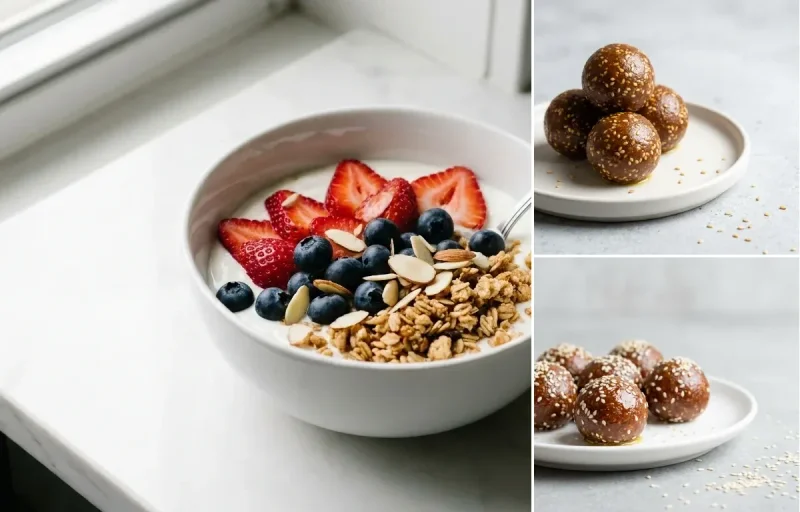
MEDITERRANEAN · 809 CAL
Greek Yogurt with Berries Almonds and Granola + supplement + iron

GENERAL_HEALTHY · 705 CAL
Banana with Peanut Butter Pregnancy + supplement + iron

MODERN · 982 CAL
Hummus with Crudits and Pita with Fresh Orange Snack + supplement + iron
TAGGED
KEEP READING