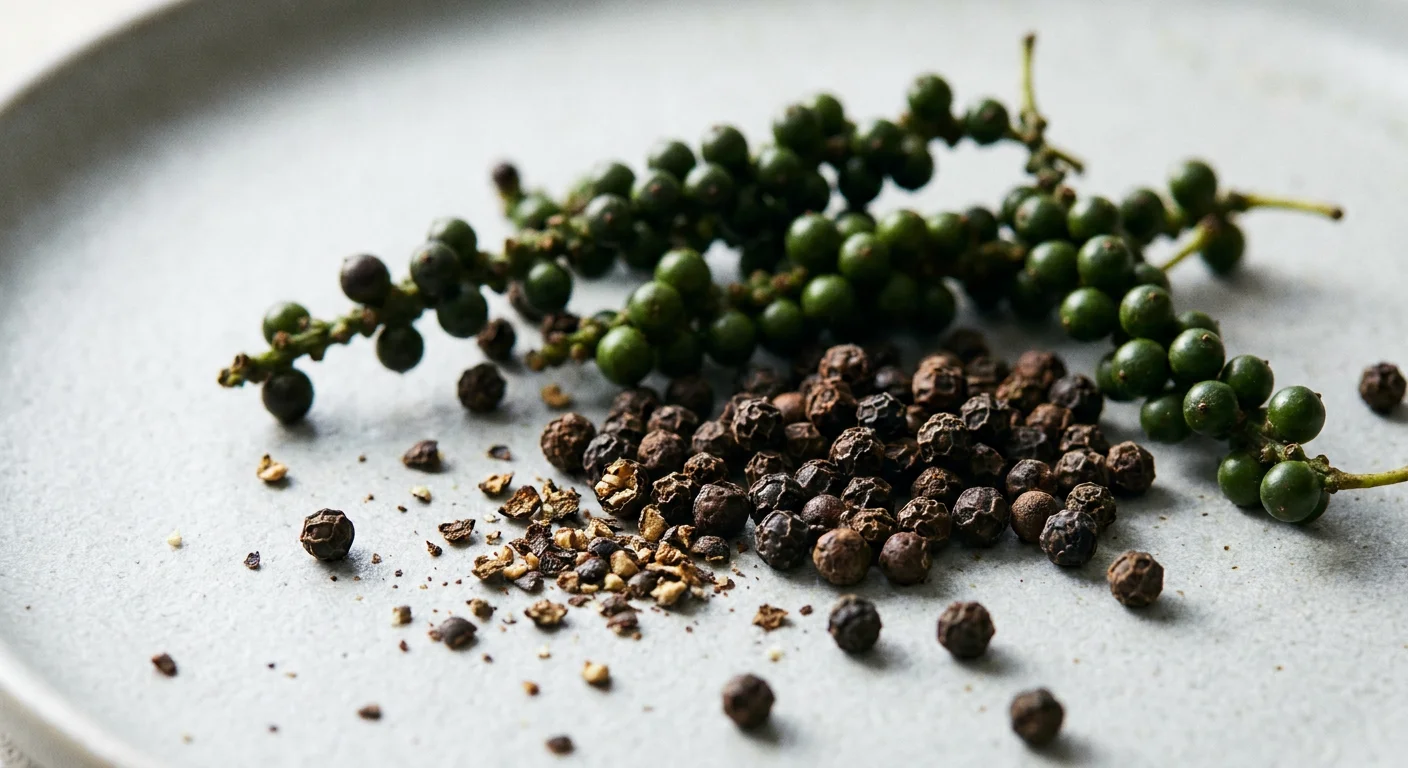
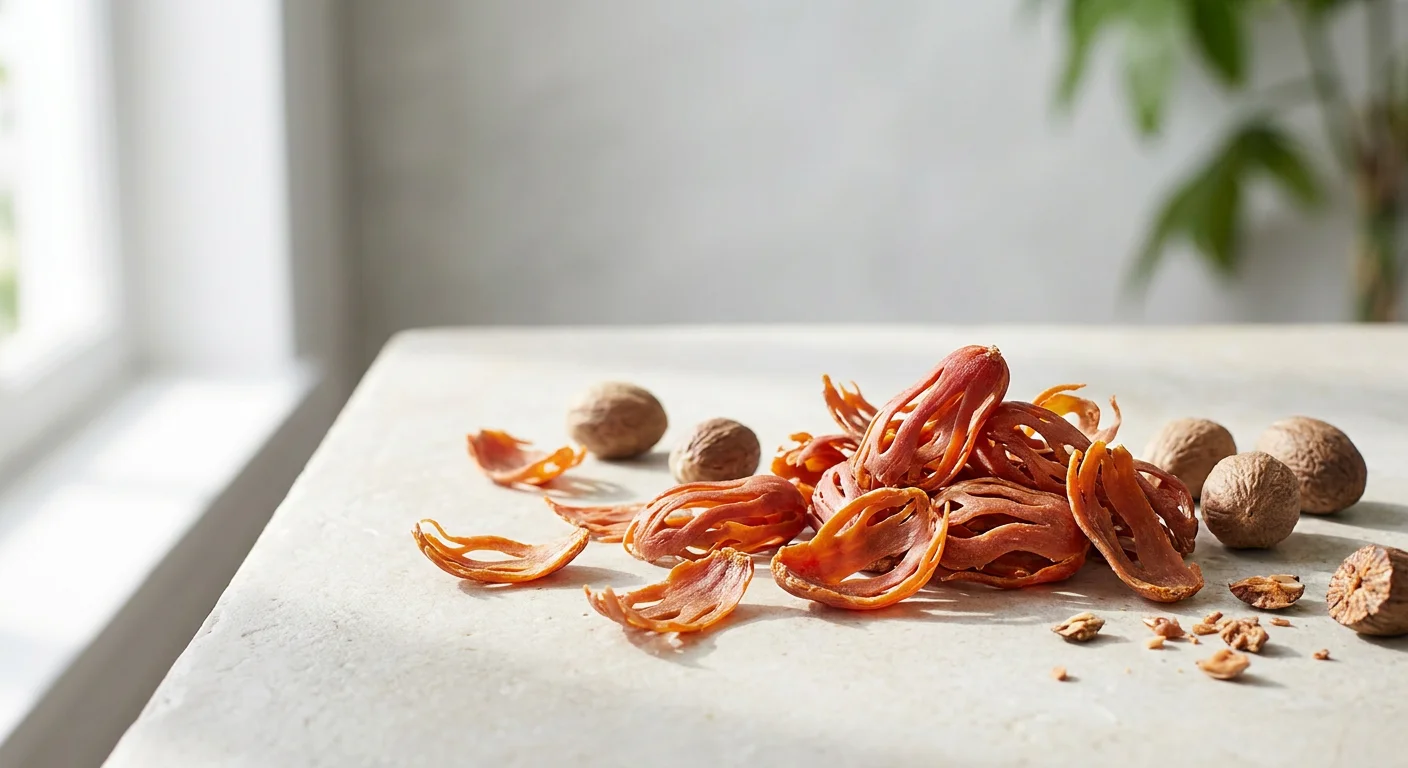
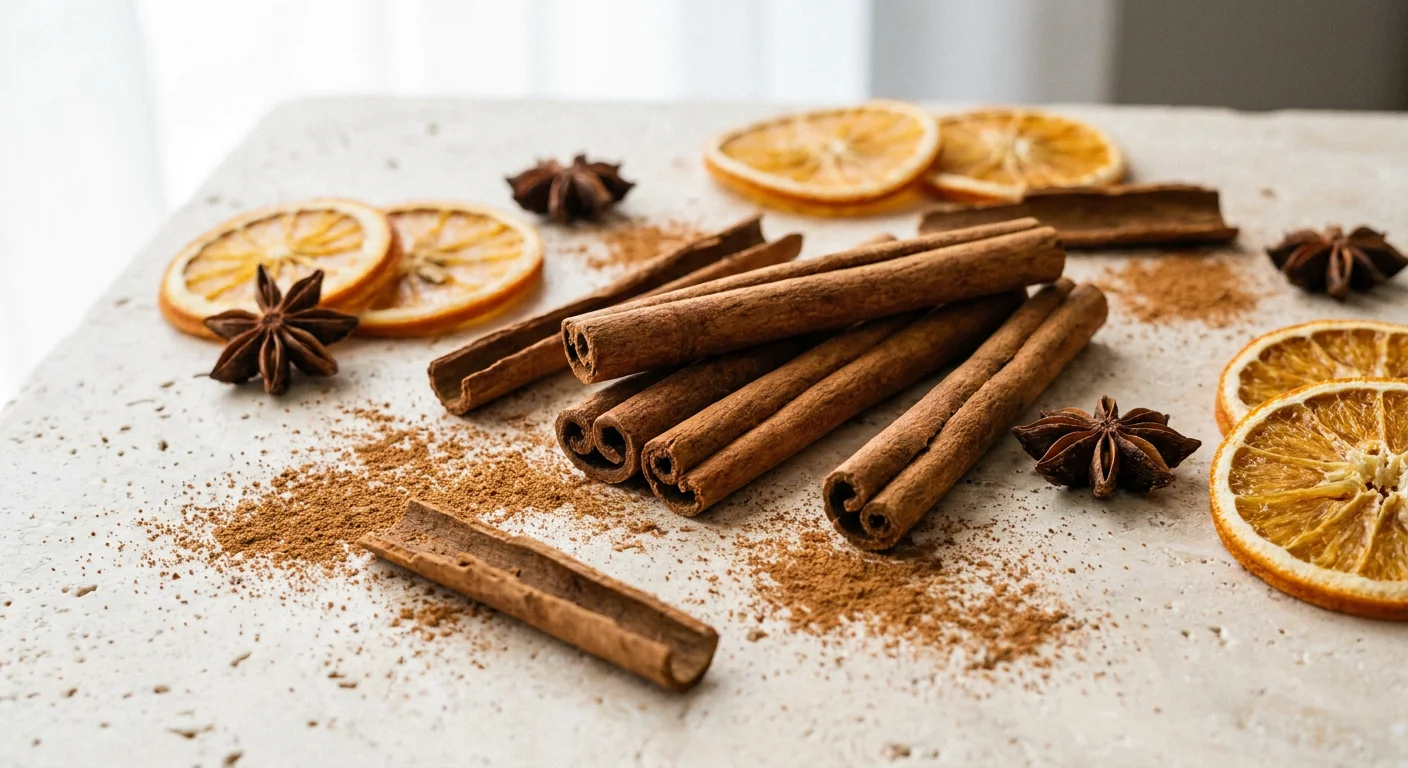
There are few smells in the kitchen as transformative as cumin seeds hitting a hot, dry pan. That earthy, smoky, slightly nutty aroma is the backbone of countless dishes, from Indian dal to Mexican chili. But beyond the flavour, whole cumin is a quiet nutritional achiever. In the small amounts we use, it's not a calorie threat, but it is a genuine source of fibre and minerals, with a glycemic index so low it's barely worth measuring. The trick is to stop thinking of it as just a dusty powder and start using the whole seeds.
↑ Cumin isn't just a flavor, it's a functional food.
The ultimate background spice
Cumin is foundational. It's not always the star of the show, but take it away, and you'd notice. It has a warmth and an earthiness that grounds other, brighter spices. While we often buy it pre-ground, the real magic is in the whole seeds. Toasting them before grinding or adding them to oil unleashes a complexity you just don't get from a jar of powder that's been sitting in your cupboard for a year.
Nutritionally, it's a game of perspective. Gram for gram, it's surprisingly dense in nutrients. But since we use it by the teaspoon, not the cup, its main role is to make healthy foods like lentils, vegetables, and lean meats taste incredible, which is a health benefit all on its own.
IN ONE LINE
Cumin is a low-glycemic spice that adds fiber and flavor for virtually no calories, making it a powerful tool for healthy cooking.
Cumin nutrition facts
The numbers below are for a 100-gram serving, which is a very large amount — about a whole spice jar! A typical recipe uses a teaspoon or two (about 2-4 grams). So think of this as a look at the spice's overall profile. The real-world contribution is smaller but still adds up.
What's striking is the profile: it's a balanced mix of carbs, fat, and a surprising amount of protein and fiber. This is why it's more than just 'empty' flavor. Every teaspoon you add to a pot of soup or a vegetable stir-fry is also adding a tiny bit of useful nutrition.
Cumin's glycemic index
Glycemic index (GI) isn't formally measured for most spices, and for good reason: it's irrelevant. Cumin seeds are very low in sugar and high in fiber and fat. When you eat a teaspoon of it scattered across a whole meal, its effect on your blood sugar is practically zero. It's one of the best tools you can use to make food taste satisfying without resorting to sugar or refined carbs. For anyone managing blood sugar, cumin is a firm friend.
GLYCEMIC INDEX · CUMIN vs COMMON FOODS
Cumin has a negligible GI
Cumin Seeds
spice (est.)
LOW
Apple
whole fruit
LOW
Pineapple
whole fruit
MEDIUM
White bread
refined
HIGH
SCALE 0–90
04590
The smart way to use it
Getting the most out of cumin is easy, but a few small steps make a huge difference to the final dish.
01
Toast the seeds.
Heat whole seeds in a dry pan for a minute until they smell fragrant. This is the single biggest upgrade you can make. It wakes up the volatile oils.
02
Grind it fresh.
Pre-ground cumin loses its flavor fast. Toasting whole seeds and grinding them in a spice grinder or mortar and pestle gives an incredible aroma and taste.
03
Bloom in fat.
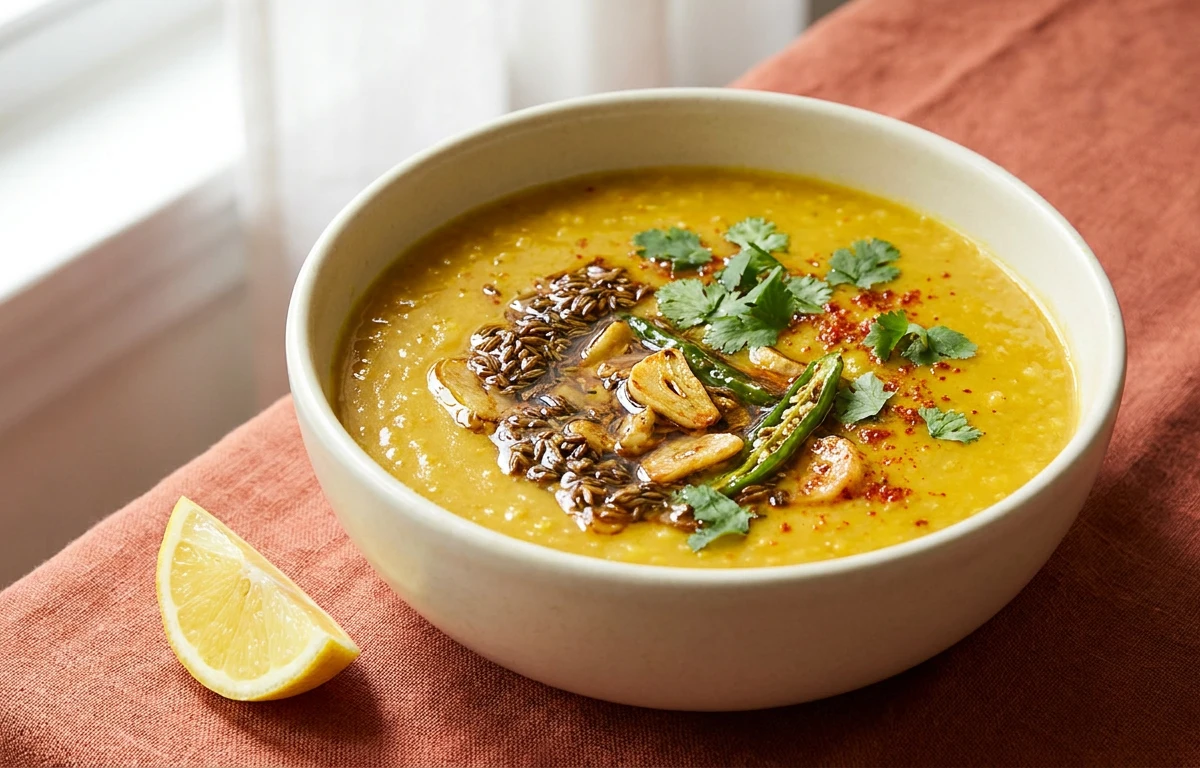
Add whole or ground cumin to your hot oil at the beginning of cooking (a technique called 'tadka' or 'chaunk' in India). This infuses the entire dish with its flavor.
04
Use whole seeds for texture.
Whole toasted seeds add a wonderful, slightly crunchy texture to salads, breads, and rice dishes.
05
Store it properly.
Keep whole seeds in an airtight container away from light and heat. They'll last for a year. Ground cumin should be used within a few months.
What cumin is good for
01
Flavor without sodium
For anyone watching their blood pressure, cumin is a star player. It provides a deep, savory, almost salty flavor that reduces the need for actual salt.
0mg
sodium
02
Aiding digestion
Cumin has been used for centuries in traditional medicine to soothe the digestive system. Modern science points to its ability to stimulate digestive enzymes.
FIBER
source
03
Blood sugar friendly
With a negligible glycemic index, cumin adds flavor and satisfaction to meals without causing spikes in blood sugar, making it ideal for metabolic health.
GI ≈ 0
negligible
04
A source of fiber
While you won't get your whole day's worth from a teaspoon, the 10.5g of fiber per 100g means that every bit you add contributes to your daily intake.
10.5g
fiber/100g
What to pair cumin with
Cumin's earthy flavor is a bridge between other ingredients. It works with almost any savory food.
Eat freely — or be mindful?
Three ways to use it
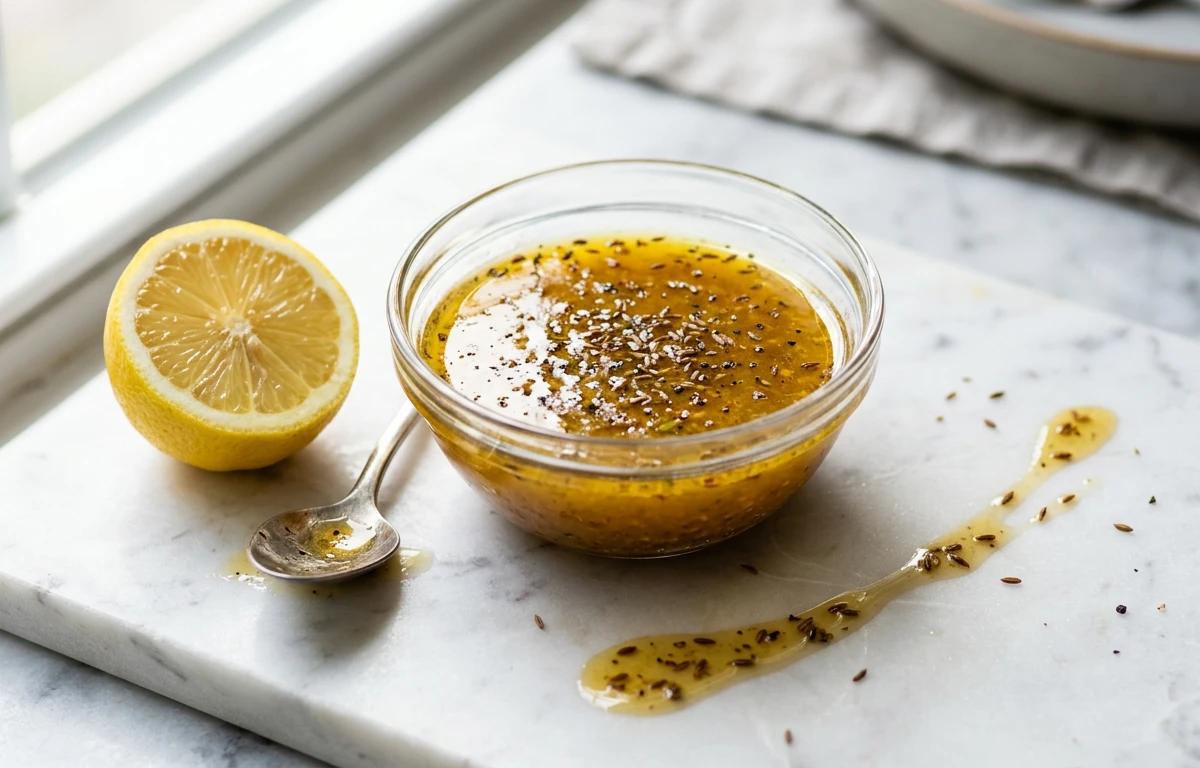
Three simple ideas that put cumin front and center, showing its versatility from a dressing to a main course.
.webp)
Want spices worked into a balanced week — without the planning?
Our meal planner uses spices like cumin to make healthy food delicious. We pair ingredients for steady energy, with portions and macros already calculated and a single grocery list at the end.
Build my weekly plan →SOURCES & REFERENCES · 3
One more thing
Eating well is rarely about willpower. It’s about having a short list of dinners you actually want to eat. Pick two from this list. Make them next week. The rest will follow.
If you want these on autopilot, our weekly meal planner can drop the picks above into your calendar with one click and build a single grocery list from the merged ingredients.
FREQUENTLY ASKED QUESTIONS
Frequently asked questions
Is cumin good for weight loss?
Indirectly, yes. Cumin makes healthy, low-calorie foods like vegetables and lentils taste fantastic, which can help you stick to a healthy eating plan. It adds flavor without adding significant calories, fat, or sugar.
Does cumin lower blood sugar?
Cumin itself won't magically lower your blood sugar, but it's an excellent choice for a diabetic-friendly diet. Because it has a negligible glycemic index, it helps create flavorful, satisfying meals that don't cause blood sugar spikes.
What's the difference between whole and ground cumin?
Flavor and freshness. Whole seeds, when toasted, have a complex, nutty, and rich flavor. Pre-ground cumin loses its volatile oils quickly and can taste dusty and one-dimensional. For best results, buy whole seeds and grind them yourself as needed.
Are cumin and caraway the same?
No, they are often confused but taste very different. Cumin is earthy, warm, and savory. Caraway, often found in rye bread, has a sharper, more anise-like flavor. They are not interchangeable in recipes.

ABOUT THE AUTHOR
Shreya Chatterjee
NUTRITION WRITER
Shreya is a nutrition writer and the voice behind The Nutrition Pen, where she turns evidence-based nutrition into simple, repeatable eating habits. Her writing focuses on practical food guidance — what to actually put on the plate — for readers who want to eat well without the noise.
Meet the editorial team →METHODOLOGY
How this article was created
Built using verified nutrition databases, culinary research, and traditional cooking knowledge — every claim is cross-referenced against the sources listed in the article.
· USDA data· Culinary research· Quality reviewed
Read our methodology →TRANSPARENCY
About this content
Articles are curated using trusted food databases (USDA FoodData Central, IFCT), culinary literature, and dietary guidelines, then structured by our editorial team for clarity, accuracy, and usefulness.
· Verified data sources· Culinary research· Quality reviewed
Read our editorial policy →RELATED RECIPES
Cook from this article
EXPLORE OUR MEALS
Meals that fit this article

AMERICAN · 1677 CAL
Almonds with Sliced Apple + supplement + iron

MEDITERRANEAN · 809 CAL
Greek Yogurt with Berries Almonds and Granola + supplement + iron

GENERAL_HEALTHY · 705 CAL
Banana with Peanut Butter Pregnancy + supplement + iron

MODERN · 982 CAL
Hummus with Crudits and Pita with Fresh Orange Snack + supplement + iron
TAGGED
KEEP READING