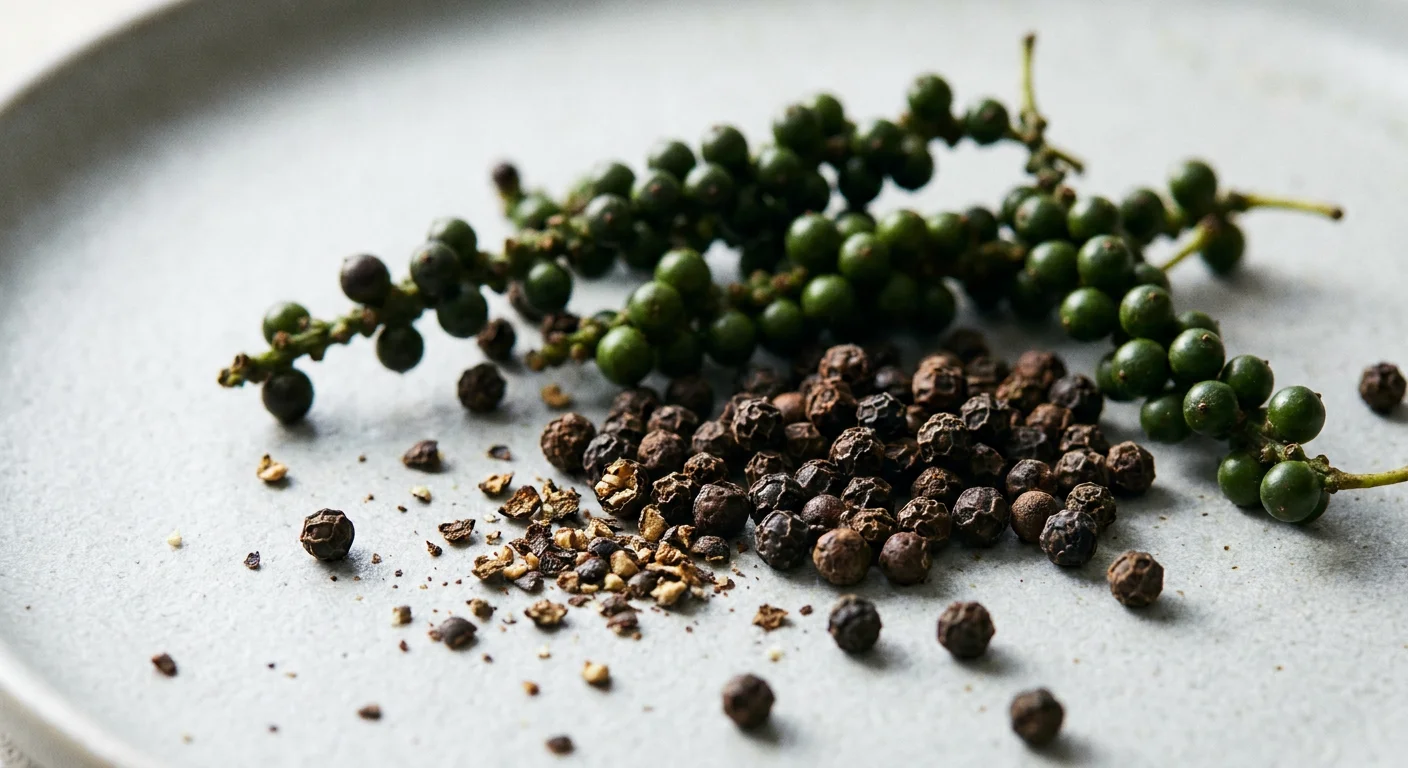
That salty, crumbly block of feta in your fridge is probably one of the most misunderstood cheeses. We see it as a salad topping, but it's so much more. It's a brined cheese, which gives it that signature tang and a high sodium count that gives people pause. But look a little closer: it's also packed with protein and has vanishingly few carbs, making it a surprisingly smart choice in the right context.
↑ Feta's crumbly texture and salty bite come from being cured in brine.
The salty, versatile cheese
Feta is a staple of Greek and Mediterranean cooking for a reason. Its sharp, tangy flavor can lift a simple dish of vegetables or grains into something special. It's traditionally made from sheep's milk, or a mix of sheep and goat's milk, and then cured in a salt brine. That process is key — it gives feta its distinct taste, its long shelf life, and its high sodium content.
While it's a cheese, it doesn't behave like cheddar or mozzarella. It's lower in fat and calories than many hard cheeses, and higher in protein than most fresh cheeses like cream cheese or ricotta. The trick is to see it as a potent flavor agent, not just a block of cheese.
IN ONE LINE
Feta is a high-protein, low-carb cheese that's surprisingly moderate in calories. Its main downside is sodium, so portion size is everything.
Feta nutrition facts
Here's the nutritional breakdown for a 100-gram serving of feta cheese, which is a little less than a cup of crumbles. Keep in mind, a more typical serving size is about 30 grams (or one ounce).
The salt & fat question
Let's be direct: feta is a high-sodium food. That 100g serving can pack almost half of your recommended daily sodium limit. This is a direct result of the brining process. The fat content, while significant, is actually lower than many other popular cheeses like cheddar or brie. A good portion of it is saturated fat, which is worth keeping in mind for heart health.
But this doesn't make feta a 'bad' food. It just means it's best used in moderation. A small 30g (1 oz) crumble over a large salad adds a huge amount of flavor, protein, and satisfaction for a much more reasonable 80 calories and about 330mg of sodium.
You can reduce feta's sodium content by up to 30% by rinsing the block under cold water for a minute, or soaking it in plain water or milk for about 30 minutes before using.
Feta's glycemic index
People often ask about the glycemic index of cheese, and the answer for feta is simple: it's so low it's considered negligible. Glycemic index measures how quickly a food's carbohydrates raise your blood sugar. With only about 4 grams of carbs in a big 100-gram serving, feta has almost no impact on blood sugar levels.
This makes it an excellent food for anyone managing blood sugar, from people with diabetes to those on a low-carb or keto diet. It provides energy from fat and protein without the rollercoaster of a carb-heavy food.
GLYCEMIC INDEX · CONTEXT
Feta's Glycemic Impact vs. Common Foods
Apple
whole fruit
LOW
Pineapple
whole fruit
MEDIUM
Watermelon
whole fruit
HIGH
White bread
refined
HIGH
SCALE 0–90
04590
The smart way to eat it
Getting the best from feta is all about how you use it. Think of it less as a main ingredient and more as a finishing touch.
01
Use it for flavor.
A small amount of crumbled feta adds a big salty, tangy punch. Use it to finish a dish, not as its base.
02
Watch your portions.
Stick to a serving of about 30g (1 ounce), which looks like a small, matchbox-sized piece or about 1/4 cup of crumbles.
03
Rinse or soak it.
If you're concerned about sodium, a quick rinse under cold water can remove some of the surface brine.
04
Buy blocks in brine.
Pre-crumbled feta is convenient but dries out faster and often contains anti-caking agents. A block stored in its brine stays fresher and has a better texture.
05
Pair it with fresh foods.
The saltiness of feta is a perfect contrast to the sweetness of watermelon, the freshness of cucumber and tomatoes, or the richness of olives and olive oil.
What feta is good for
01
A solid source of protein
With over 14 grams of protein per 100g, feta helps with satiety, muscle maintenance, and keeping you full longer than a carb-based snack.
14 g
protein
02
Supports bone health
Feta is a great source of calcium and phosphorus, two minerals that are the primary building blocks for strong bones and teeth.
38%
calcium DV
03
Negligible blood sugar impact
Being very low in carbohydrates, feta is an excellent choice for maintaining stable blood sugar levels and fits perfectly into low-carb and ketogenic diets.
4 g
carbs
04
Contains beneficial probiotics
As a fermented food, feta can contain friendly bacteria that support a healthy gut microbiome, which is linked to better digestion and immunity.
Probiotic
potential
What to pair feta with
Feta's salty tang shines when paired with fresh, sweet, or rich flavors. These combinations balance its intensity and create a more complete dish.
Eat freely — or be mindful?
Three ways to eat it
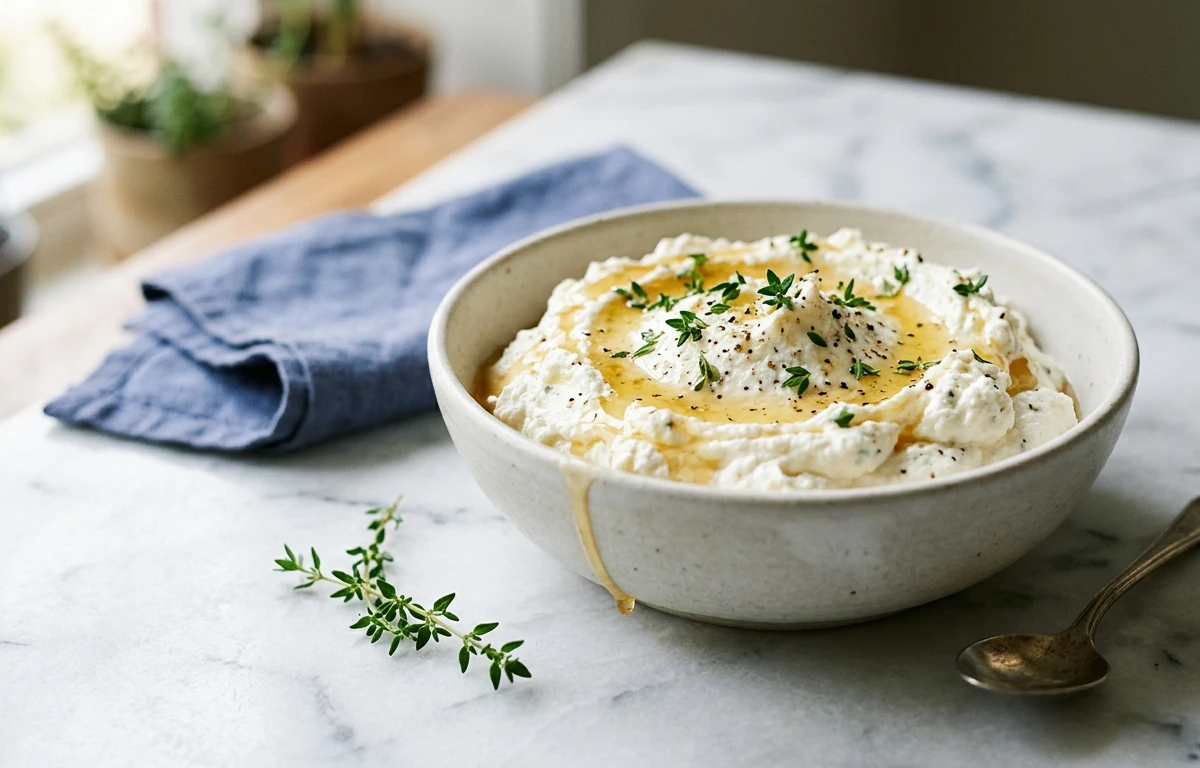
Here are three simple recipes that use feta as a star player, balancing its salty flavor with fresh ingredients.
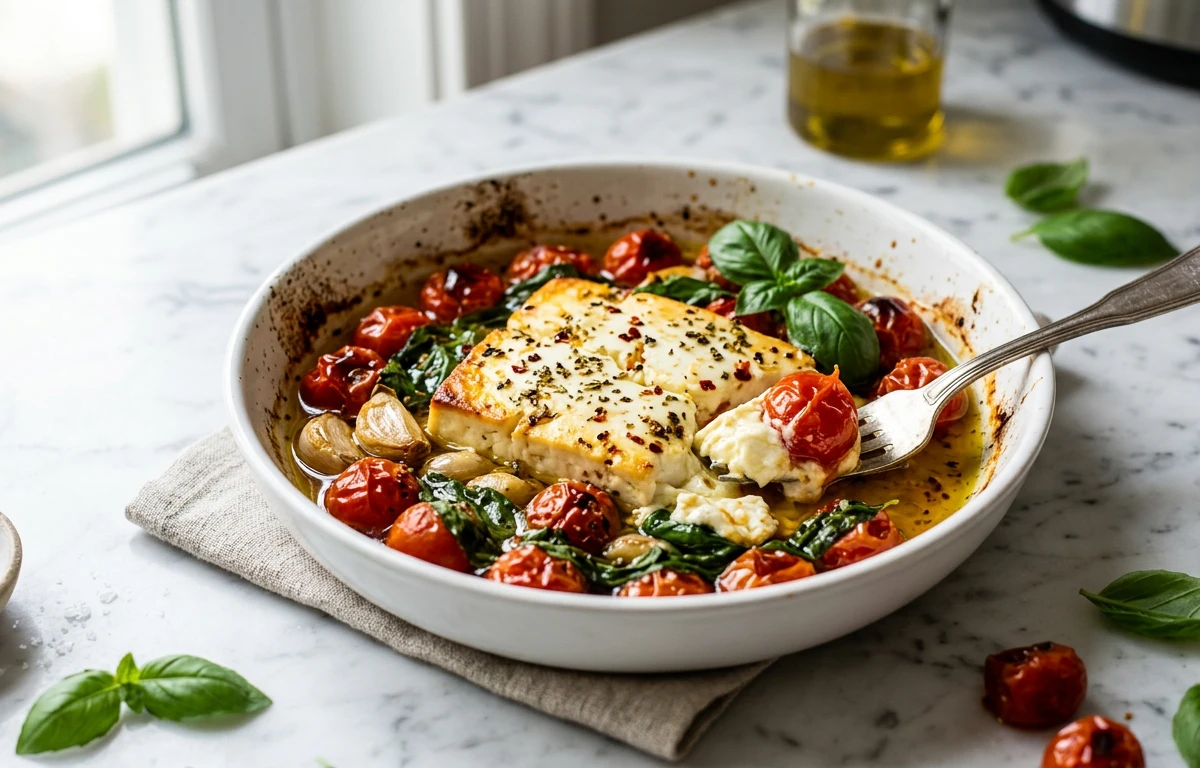
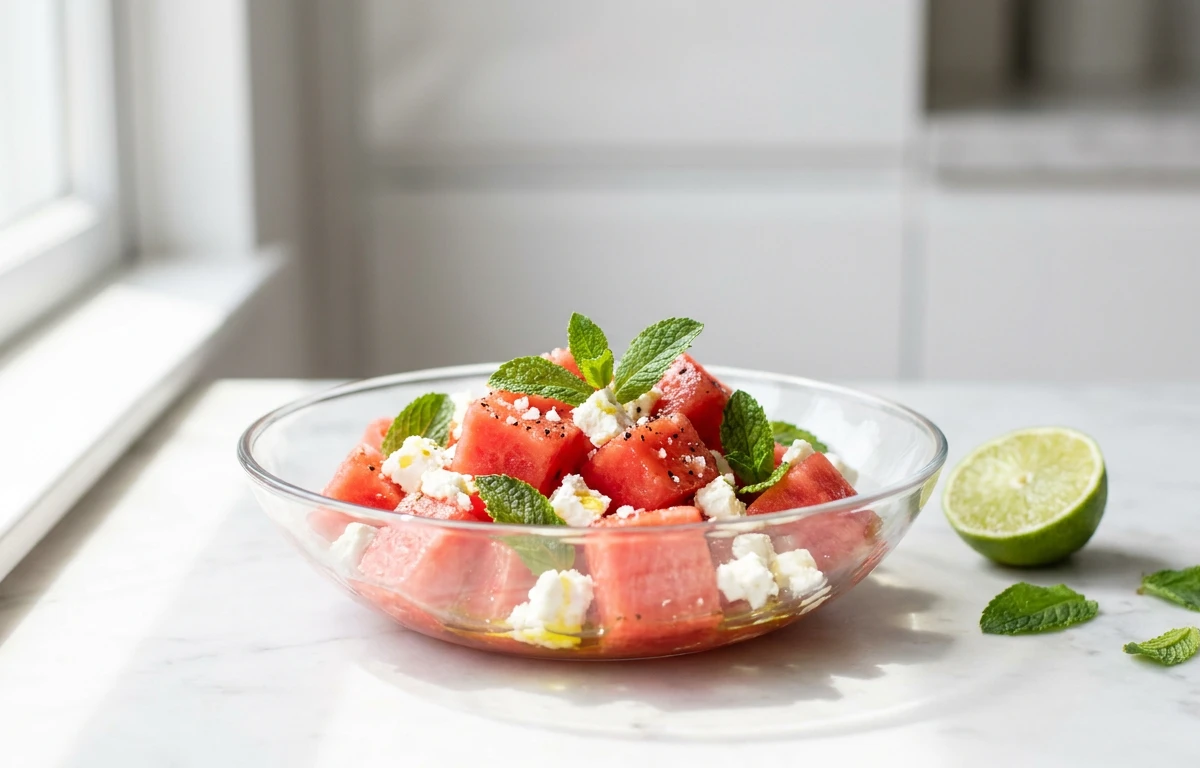
Want savory flavors worked into a balanced week — without the planning?
Our meal planner uses ingredients like feta to add big flavor for fewer calories, balancing them with fresh vegetables and whole grains. Get a plan with macros already calculated and a single grocery list.
Build my weekly plan →SOURCES & REFERENCES · 3
One more thing
Eating well is rarely about willpower. It’s about having a short list of dinners you actually want to eat. Pick two from this list. Make them next week. The rest will follow.
If you want these on autopilot, our weekly meal planner can drop the picks above into your calendar with one click and build a single grocery list from the merged ingredients.
FREQUENTLY ASKED QUESTIONS
Frequently asked questions
Is feta cheese healthy?
It can be a healthy part of your diet. It's a good source of protein and calcium and is low in carbs. However, it's high in sodium and saturated fat, so moderation is key, especially for those with high blood pressure or heart concerns.
Can you eat feta if you have high blood pressure?
It's best to limit it. Feta is very high in sodium, which can contribute to high blood pressure. If you do eat it, stick to very small portions and try rinsing it first to reduce some of the salt.
Is feta good for weight loss?
It can be. The protein in feta can help you feel full and satisfied. However, it's also calorie-dense, so portion control is crucial. Use a small amount to add flavor to low-calorie foods like salads and vegetables.
How do you make feta less salty?
Soak the block of feta in plain water or milk in the refrigerator for 30 minutes to an hour before using it. You can also give it a thorough rinse under cold running water. This can significantly reduce the sodium content.
METHODOLOGY
How this article was created
Built using verified nutrition databases, culinary research, and traditional cooking knowledge — every claim is cross-referenced against the sources listed in the article.
· USDA data· Culinary research· Quality reviewed
Read our methodology →TRANSPARENCY
About this content
Articles are curated using trusted food databases (USDA FoodData Central, IFCT), culinary literature, and dietary guidelines, then structured by our editorial team for clarity, accuracy, and usefulness.
· Verified data sources· Culinary research· Quality reviewed
Read our editorial policy →EXPLORE OUR MEALS
Meals that fit this article

AMERICAN · 1677 CAL
Almonds with Sliced Apple + supplement + iron

MEDITERRANEAN · 809 CAL
Greek Yogurt with Berries Almonds and Granola + supplement + iron

GENERAL_HEALTHY · 705 CAL
Banana with Peanut Butter Pregnancy + supplement + iron

MODERN · 982 CAL
Hummus with Crudits and Pita with Fresh Orange Snack + supplement + iron
TAGGED
KEEP READING