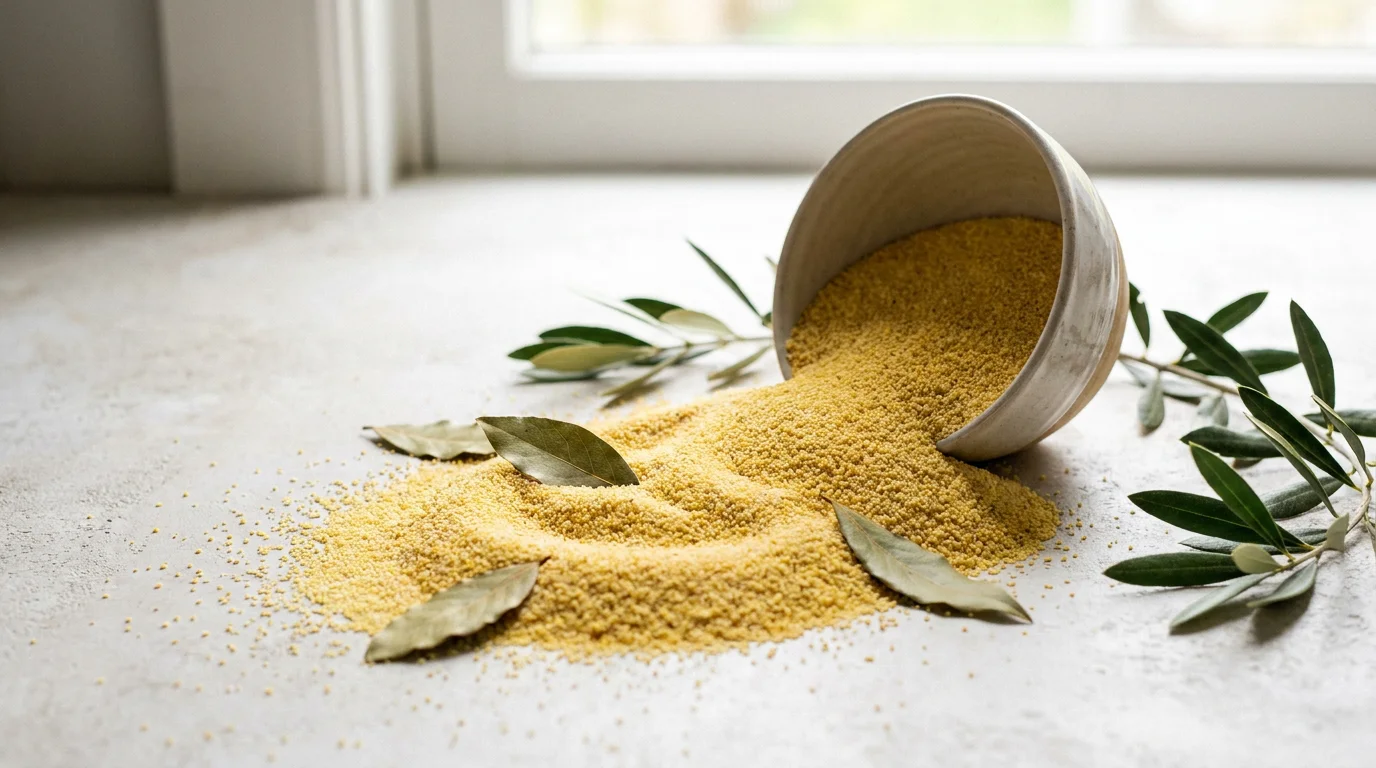
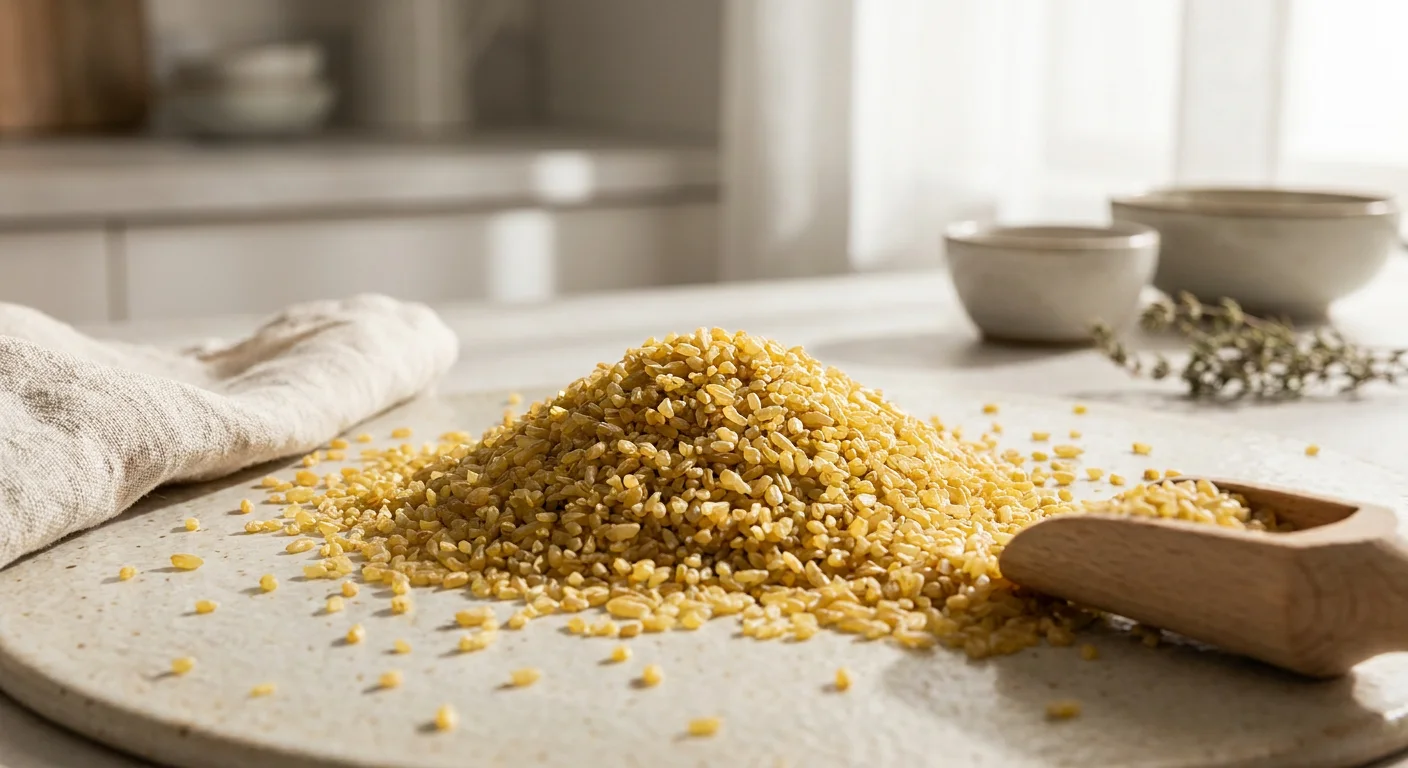
If you're stuck in a rice-or-quinoa rut, you need to meet foxtail millet. It's one of those ancient grains that feels brand new, but it's been a staple for thousands of years for good reason. It cooks up fluffy like couscous or creamy like porridge, and it packs a surprising amount of protein and fiber. It's also naturally gluten-free. Forget thinking of it as 'bird seed' — this is one of the most versatile, satisfying grains you can put on your plate.
↑ Foxtail millet is a tiny, versatile grain that cooks up light and fluffy.
The smart, satisfying comeback grain
Foxtail millet isn't new. In fact, it's one of the oldest cultivated grains on earth. What is new is its growing reputation as a seriously smart swap for more common carbs. Part of the reason is what it's missing: gluten. That makes it a go-to for anyone with celiac disease or gluten sensitivity.
But the real story is what it has. Compared to white rice, it's a nutritional powerhouse, with significantly more protein and fiber. A 100-gram serving delivers a solid 12.3 grams of protein and 8 grams of fiber. That's a combination that leaves you feeling full and satisfied, not heavy.
IN ONE LINE
A gluten-free ancient grain, foxtail millet is high in protein and fiber, making it a smart, filling swap for white rice.
Foxtail millet nutrition facts
Here's the nutritional breakdown for a typical 100-gram (about ½ cup, uncooked) serving of foxtail millet. This is enough to make about 1.5 cups cooked.
The numbers that jump out are the protein and fiber. At over 12 grams of protein, it's significantly higher than white rice (around 7g) and even brown rice (around 8g). The 8 grams of fiber is also impressive, contributing to its filling nature and benefits for blood sugar control and gut health.
Foxtail millet's glycemic index
Glycemic index (GI) is a measure of how quickly a food raises your blood sugar. Foods below 55 are 'low', 56-69 are 'medium', and 70+ are 'high'. While the exact GI of foxtail millet can vary based on how it's cooked, most studies place it in the low-to-medium range, often around 55-65. This is much better than white rice (GI 70+) and on par with many whole grains. The high fiber and protein content act as a natural brake, slowing down digestion and preventing sharp blood sugar spikes.
GLYCEMIC INDEX · A QUALITATIVE LOOK
Foxtail millet vs. common carbs
Apple
whole fruit
LOW
Foxtail Millet
approx. value
MEDIUM
Watermelon
whole fruit
HIGH
White bread
refined
HIGH
Cornflakes
refined
HIGH
SCALE 0–90
04590
How to cook it right
Cooking foxtail millet is simple, but getting the texture right is key. It can be fluffy like a grain salad or creamy like porridge, all depending on the water ratio.
01
Rinse well.
Always rinse your millet under cold water before cooking. This removes any dust and helps prevent a bitter taste.
02
Get the ratio right.
For a fluffy, pilaf-style texture, use 1 part millet to 2 parts water or broth. For a creamier porridge, increase the liquid to 3 or 4 parts.
03
Simmer, don't boil.
Bring the liquid to a boil, add the millet, then reduce the heat to a low simmer. Cover and cook for about 15-20 minutes.
04
Let it rest.
Once the liquid is absorbed, turn off the heat and let the millet sit, covered, for another 10 minutes. Then fluff it with a fork.
What foxtail millet is good for
01
Excellent source of plant protein
With over 12 grams of protein per serving, it's a fantastic choice for vegetarians, vegans, and anyone looking to build or maintain muscle.
12.3 g
protein
02
Packed with filling fiber
The 8 grams of fiber helps with satiety (feeling full), supports healthy digestion, and aids in blood sugar management.
8 g
fiber
03
Naturally gluten-free
It's a safe and nutritious grain for people with celiac disease or a non-celiac gluten sensitivity.
100%
gluten-free
04
Supports stable energy levels
The combination of complex carbs, fiber, and protein provides a slow, steady release of energy without the crash.
Medium
GI
What to pair foxtail millet with
Its mild, slightly nutty flavor makes foxtail millet a blank canvas. Pair it with bold flavors to make it shine.
Your go-to grain — or an occasional swap?
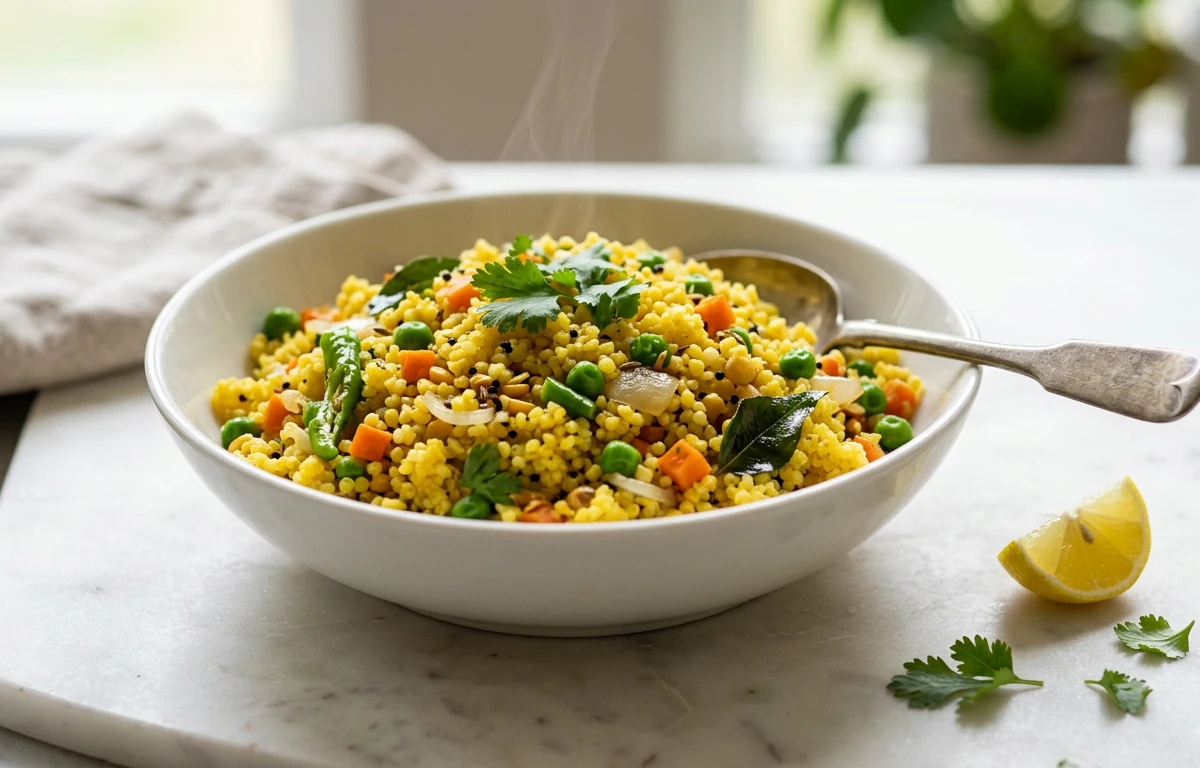
Three ways to use foxtail millet
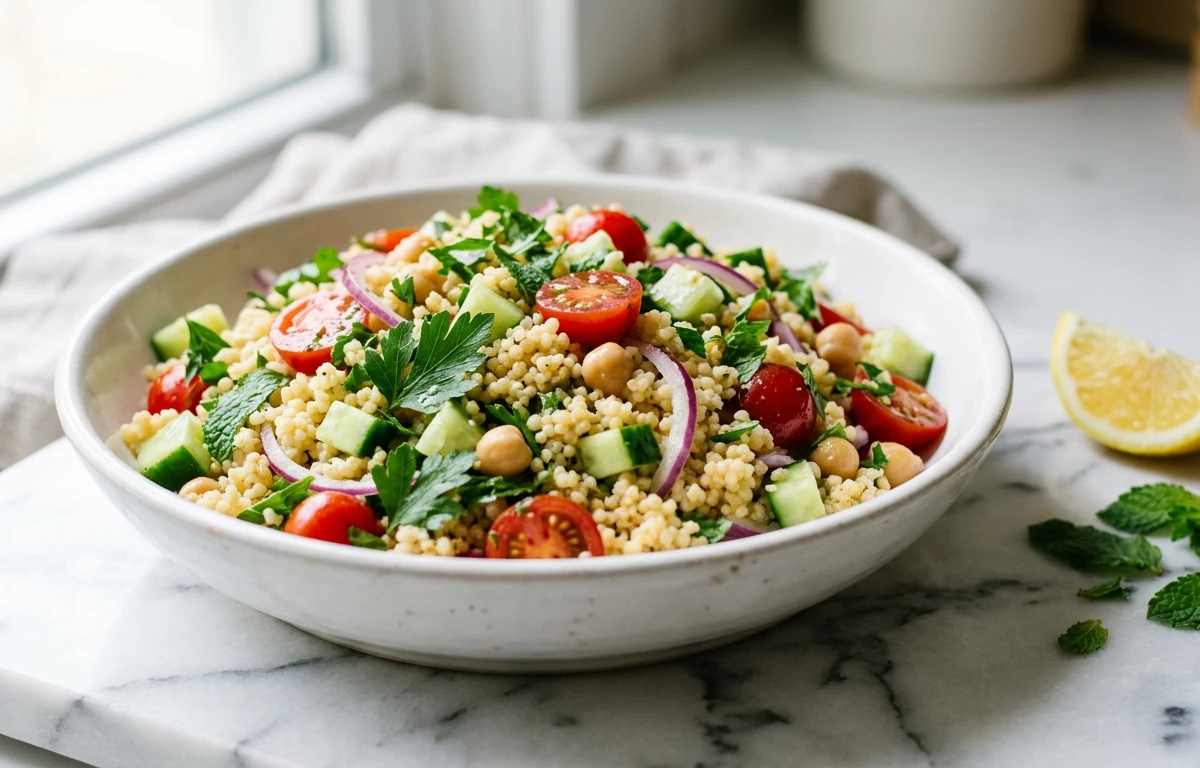
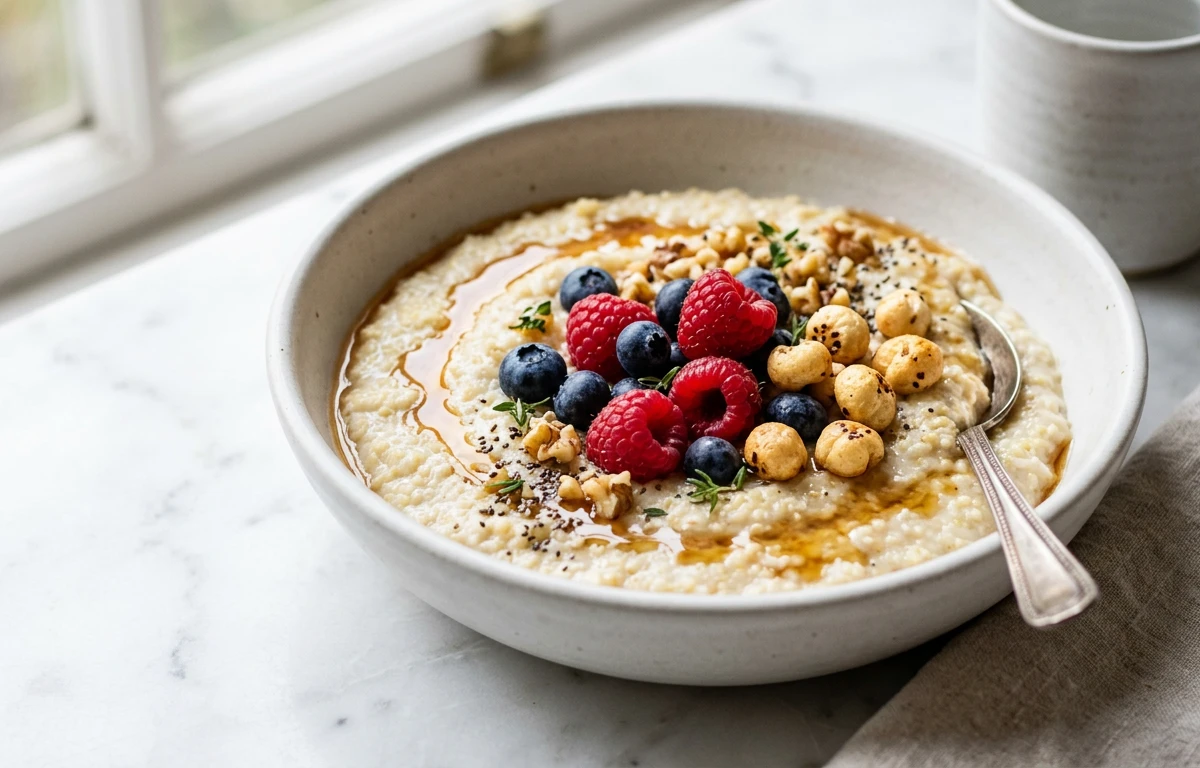
Go beyond a simple side dish. Here are three easy ideas to get you started, one savory, one sweet, and one for a fresh salad.
Want smart grains worked into a balanced week?
Our meal planner incorporates versatile grains like foxtail millet into delicious, easy recipes. We handle the portions and pairings so you get steady energy and a single, simple grocery list.
Build my weekly plan →SOURCES & REFERENCES · 3
One more thing
Eating well is rarely about willpower. It’s about having a short list of dinners you actually want to eat. Pick two from this list. Make them next week. The rest will follow.
If you want these on autopilot, our weekly meal planner can drop the picks above into your calendar with one click and build a single grocery list from the merged ingredients.
FREQUENTLY ASKED QUESTIONS
Frequently asked questions
Is foxtail millet good for people with diabetes?
Yes, it can be an excellent choice. Its high fiber and protein content, combined with a low-to-medium glycemic index, help prevent sharp blood sugar spikes. As with any carbohydrate, portion control is important, so stick to a sensible serving size.
Is foxtail millet better than quinoa or rice?
It's not about 'better', but 'different'. Compared to white rice, foxtail millet is nutritionally superior with more protein and fiber. It's nutritionally similar to quinoa and brown rice, offering a great way to add variety to your diet. All have a place in a healthy eating pattern.
Is foxtail millet gluten-free?
Yes, it is naturally 100% gluten-free, making it a safe and healthy grain for individuals with celiac disease or gluten sensitivity.
How do I stop my millet from being bitter?
The key is to rinse it thoroughly in a fine-mesh sieve under cold running water before you cook it. This washes away saponins, natural compounds on the grain's surface that can give it a slightly bitter or soapy taste.
METHODOLOGY
How this article was created
Built using verified nutrition databases, culinary research, and traditional cooking knowledge — every claim is cross-referenced against the sources listed in the article.
· USDA data· Culinary research· Quality reviewed
Read our methodology →TRANSPARENCY
About this content
Articles are curated using trusted food databases (USDA FoodData Central, IFCT), culinary literature, and dietary guidelines, then structured by our editorial team for clarity, accuracy, and usefulness.
· Verified data sources· Culinary research· Quality reviewed
Read our editorial policy →RELATED RECIPES
Cook from this article
EXPLORE OUR MEALS
Meals that fit this article

GENERAL_HEALTHY · 705 CAL
Banana with Peanut Butter Pregnancy + supplement + iron
AMERICAN · 694 CAL
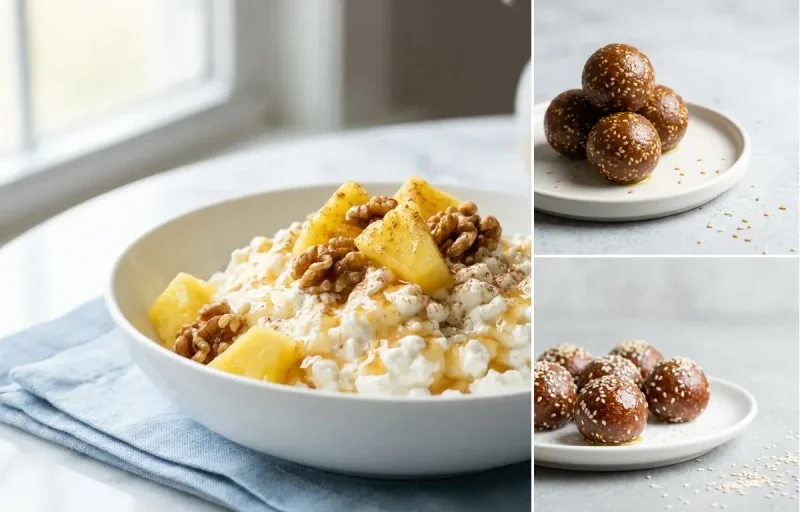
Cottage Cheese with Pineapple Walnuts and Hemp Pregnancy + supplement + iron
AMERICAN · 359 CAL
Apple with Peanut Butter with Glass of Milk + supplement + iron
MEDITERRANEAN · 738 CAL
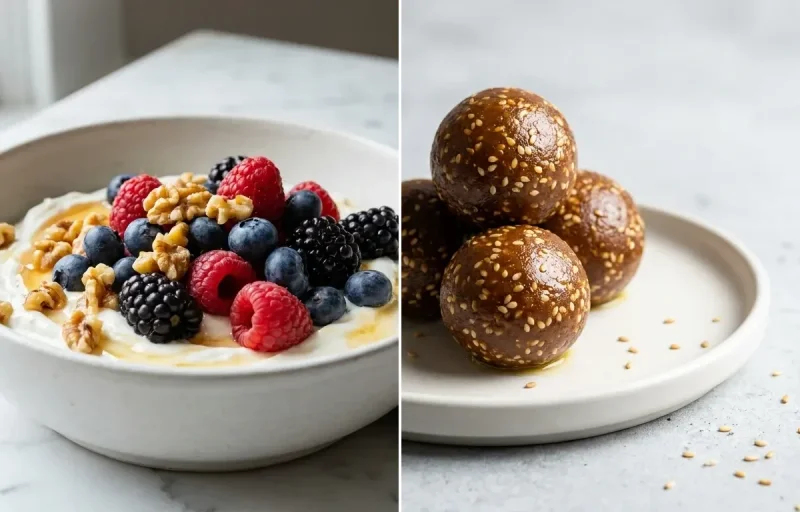
Greek Yogurt with Berries Walnuts and Honey + supplement + iron
TAGGED
KEEP READING