You've tasted it, even if you don't know its name. That dense, fudgy, slightly caramelized character at the heart of so many Indian sweets? That's often khoa, or milk solids. It's made by slowly simmering milk for hours until most of the water has evaporated, leaving behind a rich, concentrated paste. It’s a dessert-maker's secret weapon, but from a nutrition standpoint, it's a food of extremes: extremely high in calories, protein, and fat. It’s not an everyday health food, but it’s a fascinating, traditional ingredient worth understanding.
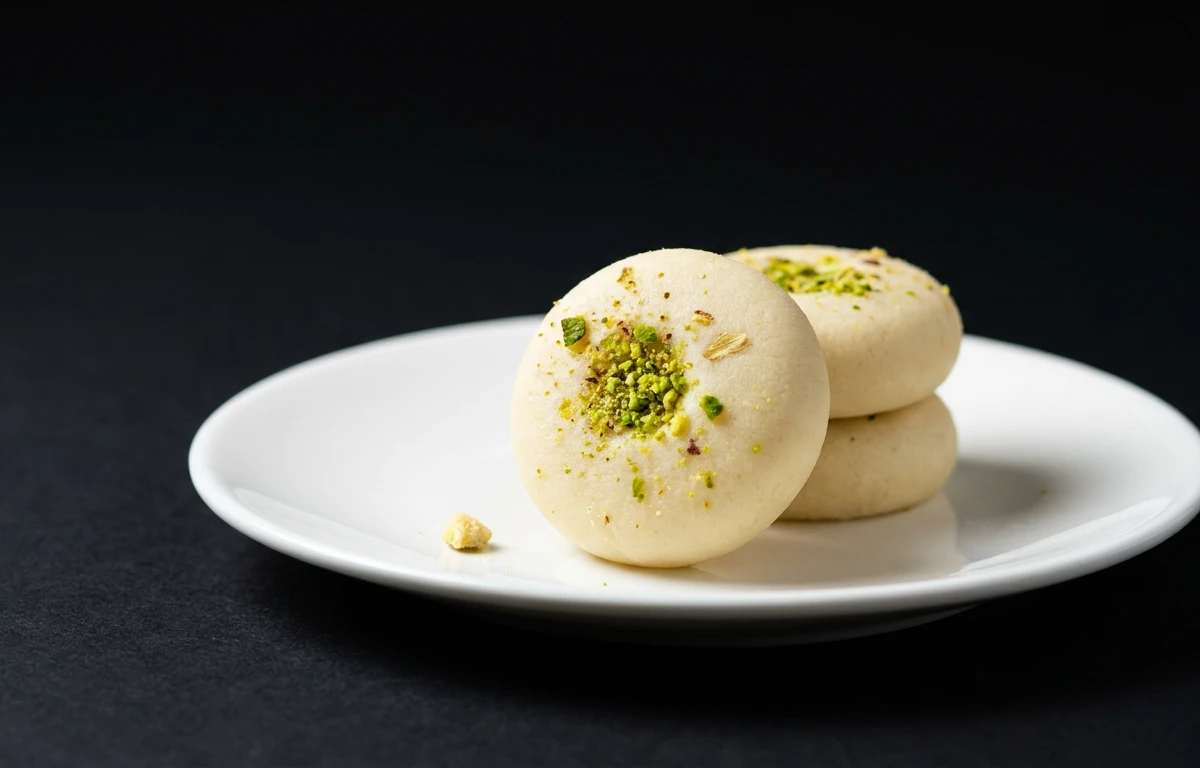
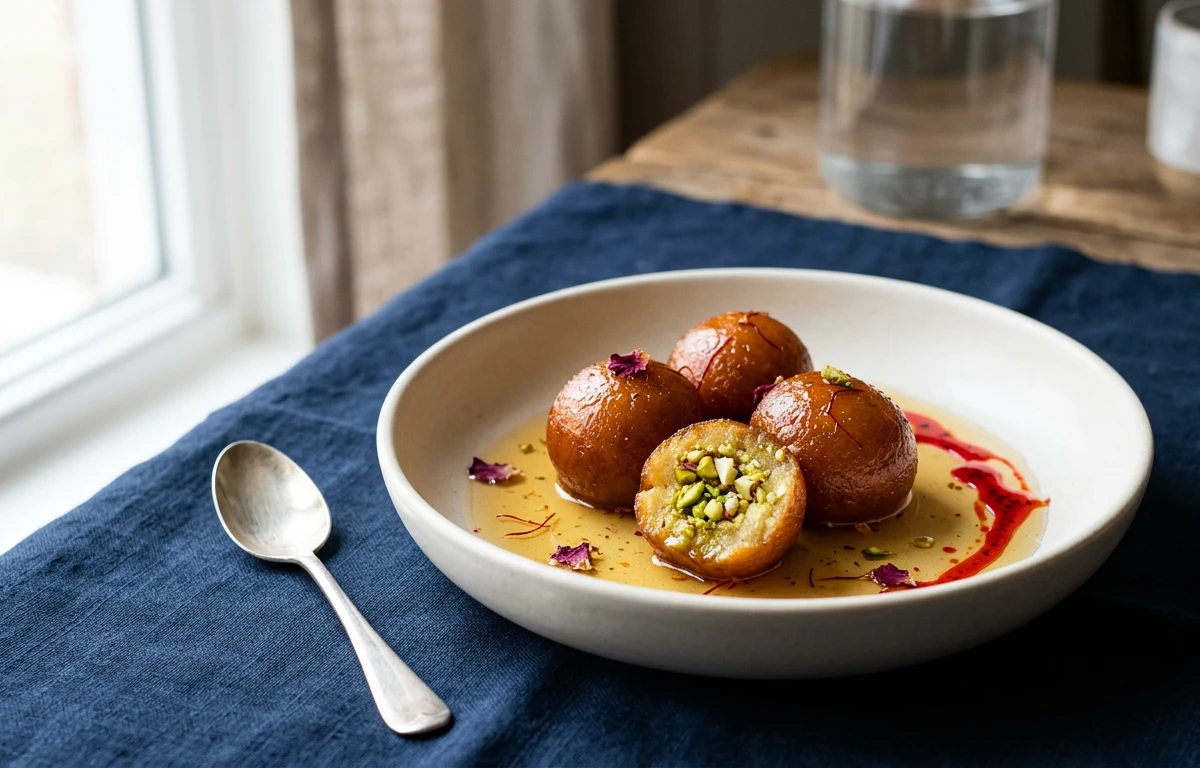
↑ Khoa is the foundational ingredient for sweets like peda and gulab jamun.
A food of extremes
Think of khoa as milk, deconstructed. By slowly boiling away the water, you're left with a concentration of everything else: the milk sugars (lactose), the milk proteins (casein and whey), and the milk fat. The result is a soft, slightly grainy, dough-like solid with a rich, nutty flavor.
This concentration is key. It's what makes khoa a phenomenal base for desserts, but it's also what makes its nutrition profile so intense. Let's be clear: this isn't a health food you sprinkle on your morning oats. It's a traditional, celebratory ingredient for creating rich textures and flavors.
Khoa is a calorie-dense ingredient made from concentrated milk solids. It's high in protein and fat, designed for richness in desserts, not for everyday eating.
Khoa nutrition facts
Here’s the nutritional breakdown for a 100-gram serving of khoa, which is about the size of a small bar of soap. Keep in mind that a single serving in a dessert would be far smaller, maybe 20-30 grams.
The numbers are striking. Over 25 grams of protein makes it a powerful muscle-builder, but it comes alongside nearly 27 grams of fat (much of it saturated) and 38 grams of carbohydrates from milk sugar. It's a dense package of energy, which made sense historically but requires portion control today.
Khoa's glycemic index
There's no official glycemic index rating for khoa. However, we can make a solid, educated guess. The carbohydrate in khoa is lactose, or milk sugar, which has a moderate GI of around 46. Crucially, the large amounts of protein and fat in khoa act as a significant brake, slowing down how quickly your body absorbs those sugars. So, while it's high in carbs, it's unlikely to cause the sharp, fast blood sugar spike you'd get from refined grains or candy. It provides a more sustained, albeit very large, release of energy.
GLYCEMIC INDEX · COMMON FOODS
Where khoa fits on the GI scale
Apple
whole fruit
LOW
Mango
whole fruit
LOW
Pineapple
whole fruit
MEDIUM
White bread
refined
HIGH
SCALE 0–90
04590
How to use it smartly
Khoa is an ingredient, not a standalone food. The key to enjoying it is to use it the way it was intended: in small amounts to add incredible richness to a larger dish.
01
Think in tablespoons, not cups.
A little goes a long way. Most recipes call for a modest amount, which gets distributed throughout the entire dish.
02
Use it as a binder and texturizer.
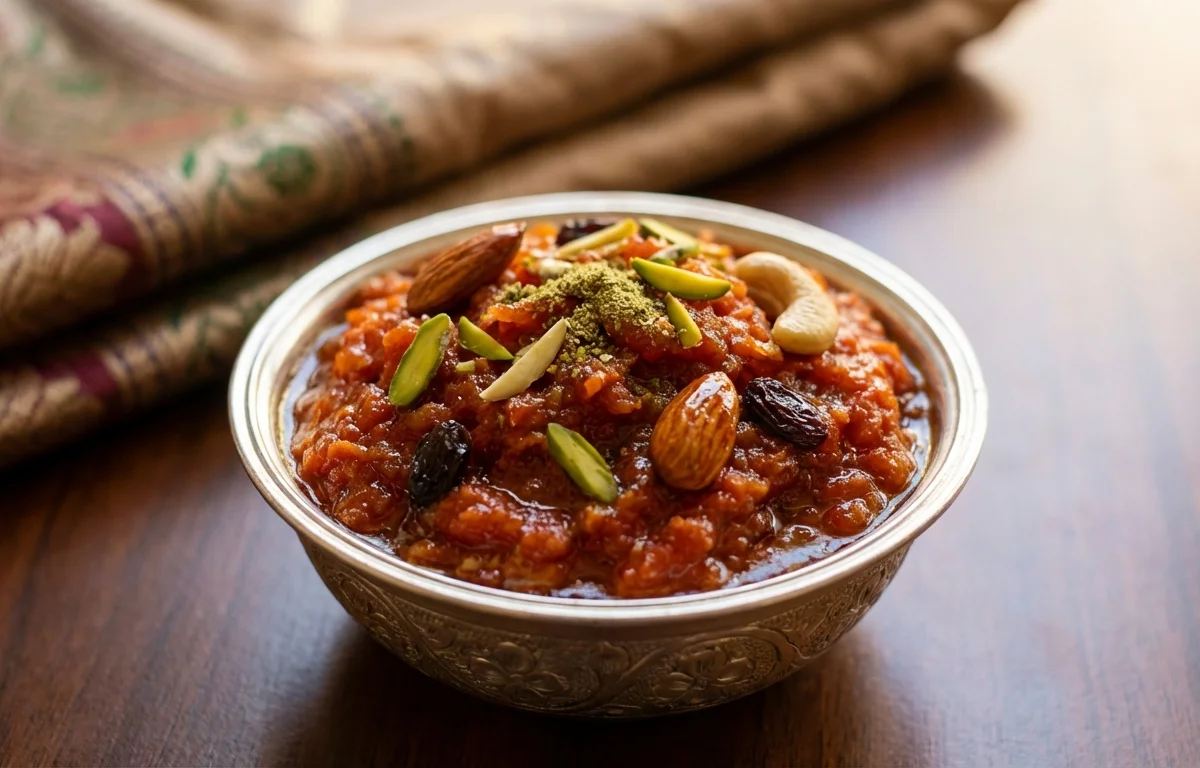
Its primary role is to give desserts a dense, fudgy quality. Crumble it into carrot halwa or use it to form milk peda.
03
Don't add a lot of extra fat.
Khoa brings plenty of its own fat and richness. You rarely need to add lots of extra ghee or butter to a recipe that uses it.
04
Balance it with spices and nuts.
Classic pairings like cardamom, saffron, and pistachios don't just add flavor; they add complexity that makes a small portion more satisfying.
What is khoa good for?
01
A huge hit of protein
With over 25g of protein per 100g, khoa is a very concentrated source of high-quality dairy protein, essential for muscle repair and growth.
25.7 g
protein
02
Concentrated bone minerals
As concentrated milk, khoa is rich in calcium and phosphorus, the two primary minerals that make up bone and teeth.
RICH
in calcium
03
Dense, sustained energy
The combination of carbs, fat, and protein provides a massive, slow-release energy payload. It's a food for fuel, not for light snacking.
496
calories
Classic pairings
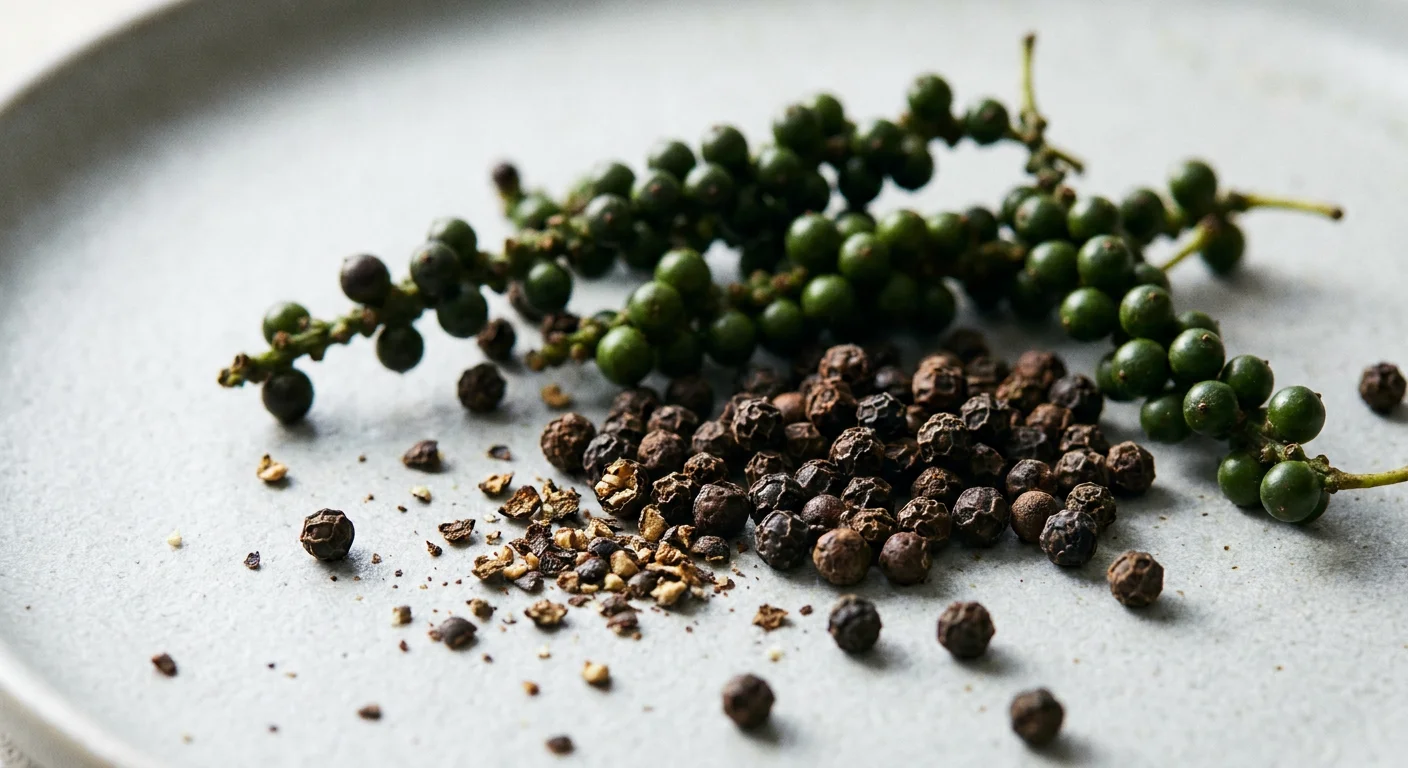
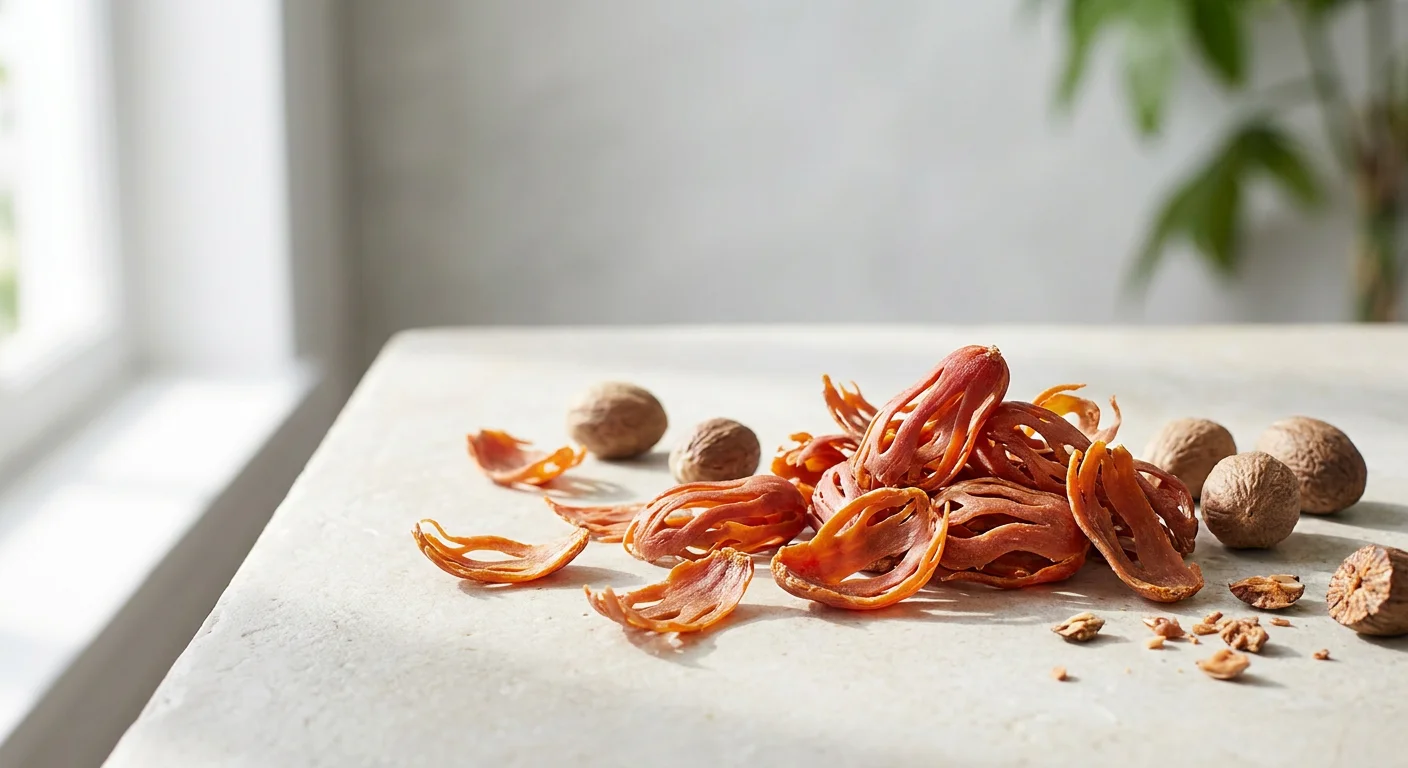
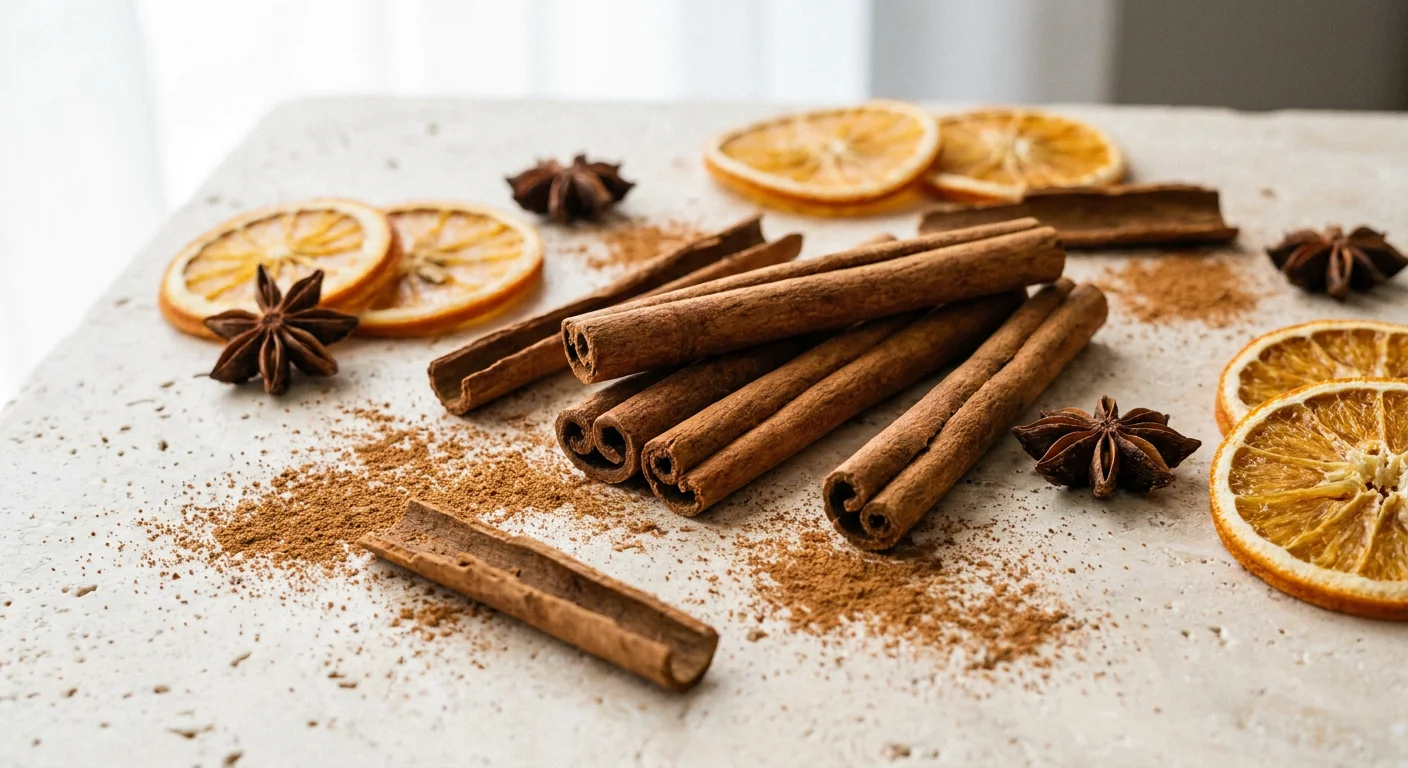
Khoa is a team player. Its mild, milky sweetness is the perfect canvas for the aromatic spices and nuts common in Indian desserts.
A treat, not a staple
Three ways to use it
Here are a few classic applications for khoa that show how it’s used to create texture and richness.
Need help balancing treats and healthy meals?
Our meal planner helps you build a balanced week that incorporates all foods. We handle the portions, macros, and planning, so you can enjoy your food without the guesswork.
Build my weekly plan →One more thing
Eating well is rarely about willpower. It’s about having a short list of dinners you actually want to eat. Pick two from this list. Make them next week. The rest will follow.
If you want these on autopilot, our weekly meal planner can drop the picks above into your calendar with one click and build a single grocery list from the merged ingredients.
FREQUENTLY ASKED QUESTIONS
Frequently asked questions
Is khoa healthy?
Not in the modern sense of a 'health food.' It is extremely high in calories, fat, and carbohydrates. However, it's also a 'whole food' made from a single ingredient (milk) and is very rich in protein and calcium. It's best viewed as a traditional, energy-dense ingredient for special occasion desserts, not for daily consumption.
Can people with diabetes eat khoa?
It's very challenging. A 100g serving has 38.4g of carbohydrates. Even a small portion used in a sweet can contribute a significant carb load. It should be consumed with extreme caution and in very small amounts, ideally under the guidance of a doctor or dietitian.
Is khoa the same as milk powder or ricotta cheese?
No. Milk powder is dehydrated milk with no moisture. Khoa is partially dehydrated, retaining some moisture and a soft, doughy texture. Ricotta is a fresh cheese made from whey, and is much lighter, wetter, and lower in fat than khoa.
Can I make khoa at home?
Yes, but it takes time and patience. It involves simmering full-fat milk in a heavy-bottomed pan for several hours, stirring constantly, until it thickens into a solid mass. It's a labor of love.

ABOUT THE AUTHOR
Shreya Chatterjee
NUTRITION WRITER
Shreya is a nutrition writer and the voice behind The Nutrition Pen, where she turns evidence-based nutrition into simple, repeatable eating habits. Her writing focuses on practical food guidance — what to actually put on the plate — for readers who want to eat well without the noise.
Meet the editorial team →METHODOLOGY
How this article was created
Built using verified nutrition databases, culinary research, and traditional cooking knowledge — every claim is cross-referenced against the sources listed in the article.
· USDA data· Culinary research· Quality reviewed
Read our methodology →TRANSPARENCY
About this content
Articles are curated using trusted food databases (USDA FoodData Central, IFCT), culinary literature, and dietary guidelines, then structured by our editorial team for clarity, accuracy, and usefulness.
· Verified data sources· Culinary research· Quality reviewed
Read our editorial policy →RELATED RECIPES
Cook from this article
EXPLORE OUR MEALS
Meals that fit this article

AMERICAN · 1677 CAL
Almonds with Sliced Apple + supplement + iron

MEDITERRANEAN · 809 CAL
Greek Yogurt with Berries Almonds and Granola + supplement + iron

GENERAL_HEALTHY · 705 CAL
Banana with Peanut Butter Pregnancy + supplement + iron
MODERN · 982 CAL
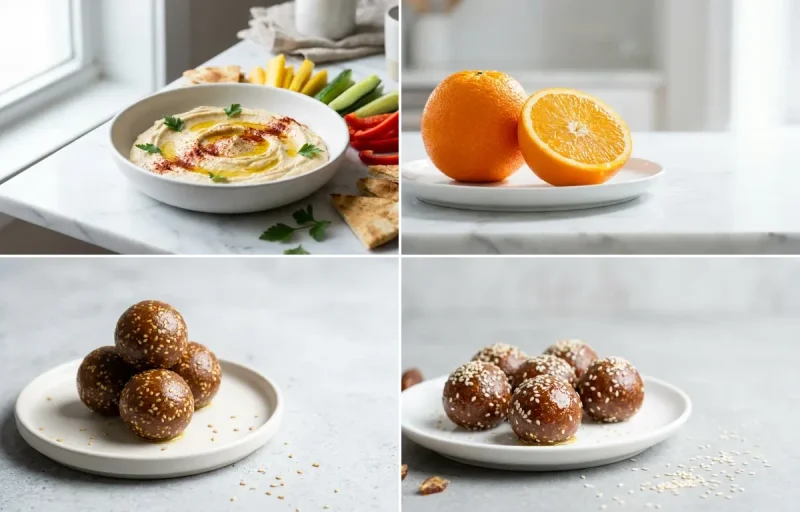
Hummus with Crudits and Pita with Fresh Orange Snack + supplement + iron
TAGGED
KEEP READING