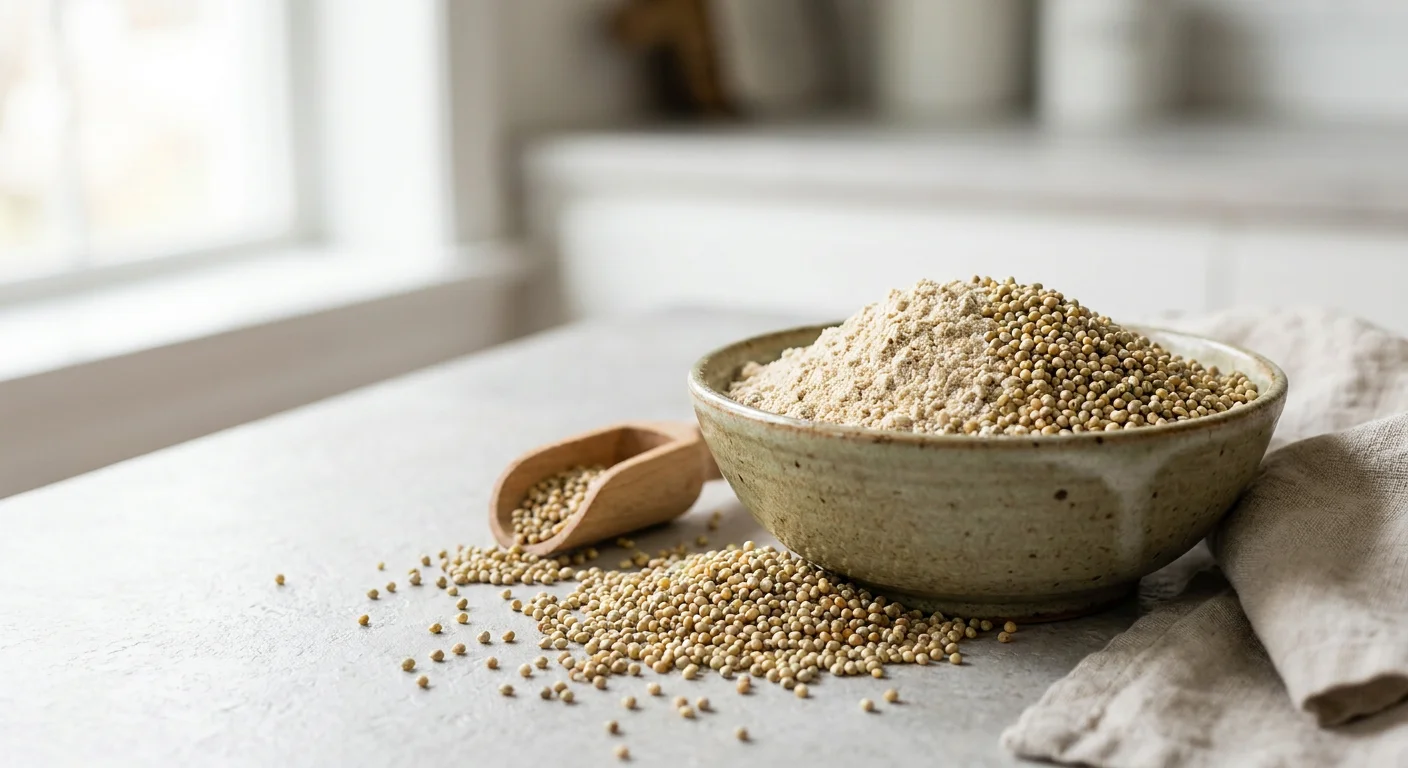
For years, many of us have known millet as one thing: bird seed. But for much of the world, this tiny, gluten-free grain is a staple food with a history stretching back millennia. It's time we caught up. Millet is a wonderfully versatile, nutty-tasting grain that's packed with protein and fibre. It's not a 'superfood' miracle, but it's a genuinely smart, satisfying and wildly underrated carbohydrate to have in your kitchen.
↑ Millet is a tiny, round grain with a mild, slightly nutty flavor.
The Ancient Grain We Forgot
Millet isn't new. It's an ancient grain, one of the first cereals ever cultivated by humans, and it's still a primary food source for millions in Asia and Africa. It's a group of small-seeded grasses, not a single plant, which is why you'll see different names like foxtail, finger, and kodo millet.
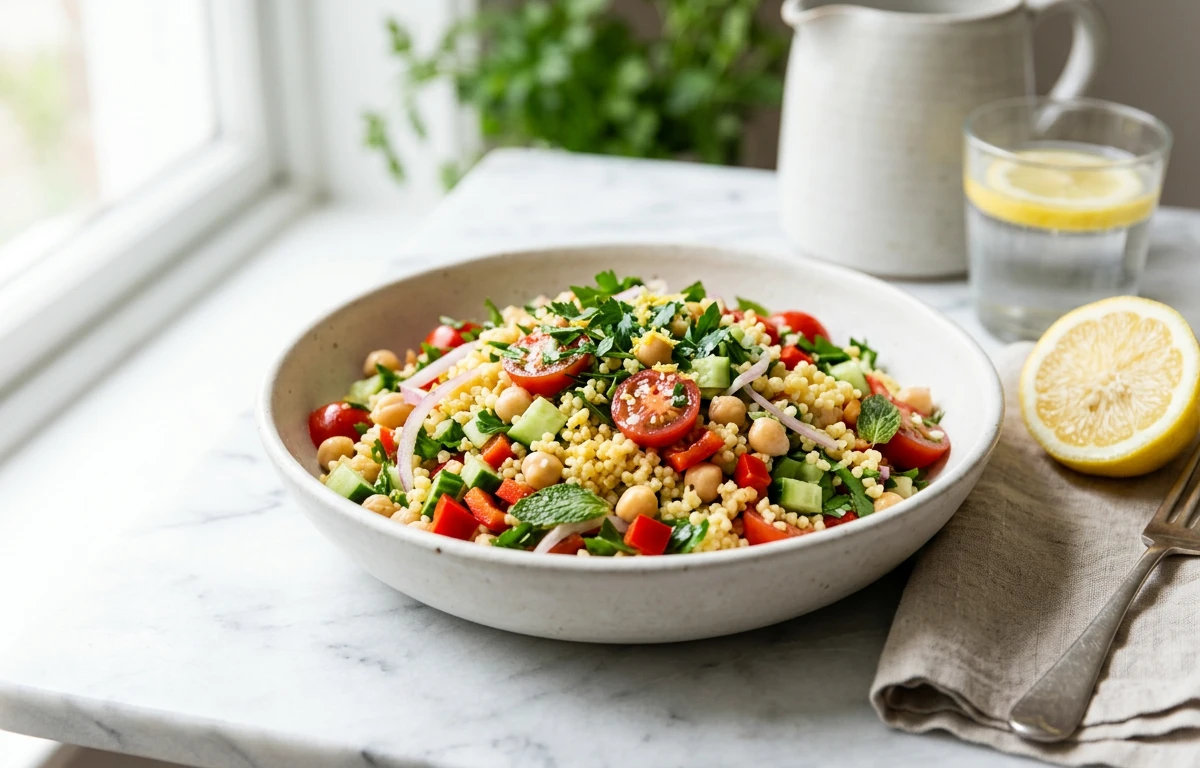
What they all share is a rugged ability to grow in tough conditions, a naturally gluten-free profile, and a quiet, nutty flavor that works as a breakfast porridge, a fluffy side instead of rice, or a base for a hearty grain salad. It's more nutrient-dense than rice and more affordable than quinoa. It's time to give it a try.
IN ONE LINE
Millet is a naturally gluten-free grain with impressive protein and fiber counts. Think of it as a versatile, budget-friendly alternative to quinoa or brown rice.
Millet nutrition facts
Here’s the nutritional breakdown for 100 grams of uncooked millet, which cooks up to about 2.5 to 3 cups. A typical single serving would be about 1/3 of this amount.
The two numbers that really stand out are the fiber and protein. At 8.5 grams and 11 grams respectively, millet offers serious staying power. This combination helps slow down digestion, keeping you feeling full and promoting a more gradual release of energy from the carbohydrates.
Millet's glycemic index
This is where it gets a little tricky. There isn't one single GI for 'millet' because it depends on the variety and how it's prepared. Generally, most common millet types fall into the medium-GI (56-69) or even high-GI (70+) category. It's a starchy grain, after all. This is higher than quinoa but often lower than white rice or cornflakes. The key takeaway? Millet is a healthy whole grain, but its carbohydrate content means portion size is important, especially for anyone managing blood sugar.
GLYCEMIC INDEX · MILLET vs COMMON FOODS
Millet sits in the medium-GI band
Apple
whole fruit
LOW
Millet (varies)
cooked grain
MEDIUM
White bread
refined
HIGH
Cornflakes
refined
HIGH
SCALE 0–90
04590
How to cook it right (so it's not mushy)
Badly cooked millet can be a sad, watery affair. But get it right, and it’s beautifully fluffy. Here's the no-fail method.
01
Rinse it well.
Place 1 cup of millet in a fine-mesh sieve and rinse under cold water. This removes any dusty residue.
02
Toast it (optional, but worth it).
Heat a dry pot over medium heat. Add the rinsed millet and toast for 4-5 minutes, stirring often, until it smells nutty. This deepens the flavor.
03
Add liquid and simmer.
Add 2 cups of water or broth and a pinch of salt. Bring to a boil, then reduce the heat to low, cover, and let it simmer for 15-20 minutes.
04
Rest and fluff.
Turn off the heat and let the pot stand, covered, for 10 more minutes. Don't peek! Then, uncover and fluff the grains with a fork.
What millet is good for
01
High in Plant-Based Protein
With 11 grams of protein per 100g, millet is a fantastic source for maintaining muscle and keeping you full, especially on a vegetarian or vegan diet.
11 g
protein
02
Excellent Source of Fiber
The 8.5 grams of fiber help with digestion, feed healthy gut bacteria, and contribute to stable blood sugar and cholesterol levels.
8.5 g
fiber
03
Naturally 100% Gluten-Free
Millet is a safe and nutritious staple for anyone with celiac disease or a non-celiac gluten sensitivity. It's a great alternative to wheat, barley, and rye.
GF
gluten-free
04
Rich in Essential Minerals
It's a good source of magnesium, which is crucial for heart health and blood pressure, and phosphorus, which is vital for building strong bones.
Mg, P
minerals
What to pair millet with
Millet's mild flavor makes it a blank canvas. Pair it with bold flavors and some extra protein or healthy fats to create a balanced meal.
Eat freely — or be mindful?
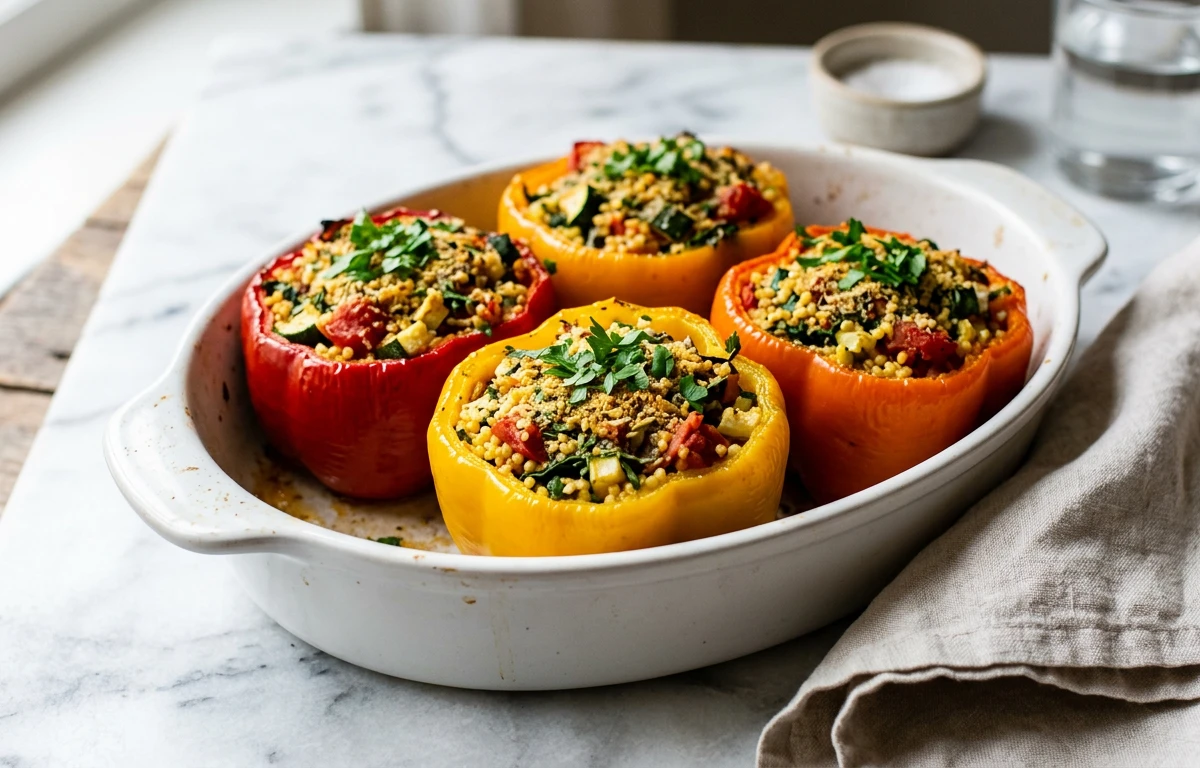
Three ways to eat it
Beyond a simple side dish, millet is incredibly versatile. Here are three ideas to get you started.
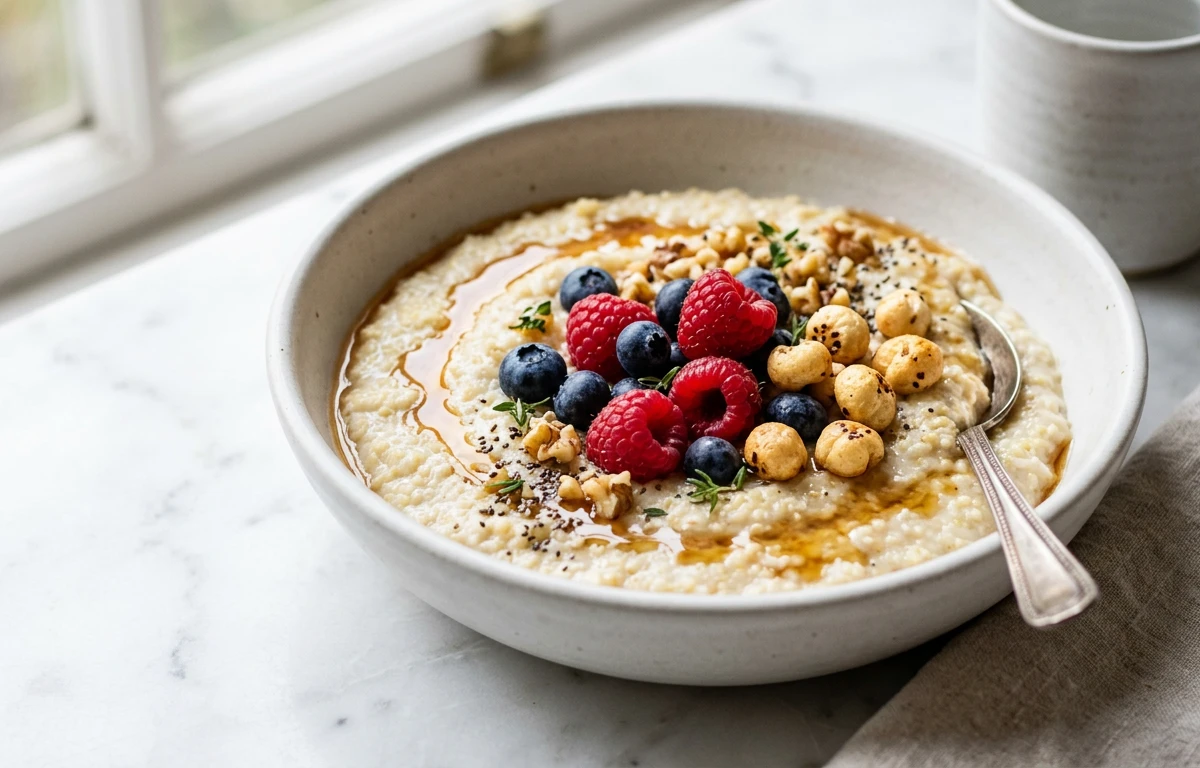
Want smart grains worked into a balanced week?
Our meal planner incorporates grains like millet and quinoa into delicious, easy recipes, with portions and macros already calculated. Get a balanced plan and a single grocery list.
Build my weekly plan →SOURCES & REFERENCES · 3
One more thing
Eating well is rarely about willpower. It’s about having a short list of dinners you actually want to eat. Pick two from this list. Make them next week. The rest will follow.
If you want these on autopilot, our weekly meal planner can drop the picks above into your calendar with one click and build a single grocery list from the merged ingredients.
FREQUENTLY ASKED QUESTIONS
Frequently asked questions
Is millet good for people with diabetes?
It can be, but with caution. Millet is a whole grain with valuable fiber and protein, but it's also high in carbohydrates and has a medium-to-high GI. Small portions (e.g., half a cup, cooked), paired with plenty of non-starchy vegetables and a protein source, are key to fitting it into a diabetes-friendly diet.
Is millet healthier than quinoa or rice?
It's different, not necessarily 'better'. Compared to white rice, millet is a clear winner with more fiber and protein. Compared to quinoa, it's nutritionally similar, though quinoa has slightly more protein and is a 'complete' protein. Millet is often more affordable. The best approach is to eat a variety of whole grains.
Does millet need to be soaked before cooking?
Soaking isn't required, but rinsing is highly recommended to remove any bitterness. Some people choose to soak it for a few hours to improve digestibility and reduce cooking time, but you can get great results just by rinsing and cooking directly.
Why is my millet always mushy?
The most common culprits are too much water or not letting it rest after cooking. Use a strict 1:2 ratio of millet to water (1 cup millet, 2 cups water). Critically, after it has simmered, let it stand off the heat, covered, for 10 minutes. This allows the grains to absorb the final bits of steam and firm up.

ABOUT THE AUTHOR
Shreya Chatterjee
NUTRITION WRITER
Shreya is a nutrition writer and the voice behind The Nutrition Pen, where she turns evidence-based nutrition into simple, repeatable eating habits. Her writing focuses on practical food guidance — what to actually put on the plate — for readers who want to eat well without the noise.
Meet the editorial team →METHODOLOGY
How this article was created
Built using verified nutrition databases, culinary research, and traditional cooking knowledge — every claim is cross-referenced against the sources listed in the article.
· USDA data· Culinary research· Quality reviewed
Read our methodology →TRANSPARENCY
About this content
Articles are curated using trusted food databases (USDA FoodData Central, IFCT), culinary literature, and dietary guidelines, then structured by our editorial team for clarity, accuracy, and usefulness.
· Verified data sources· Culinary research· Quality reviewed
Read our editorial policy →RELATED RECIPES
Cook from this article
EXPLORE OUR MEALS
Meals that fit this article

GENERAL_HEALTHY · 705 CAL
Banana with Peanut Butter Pregnancy + supplement + iron
AMERICAN · 694 CAL
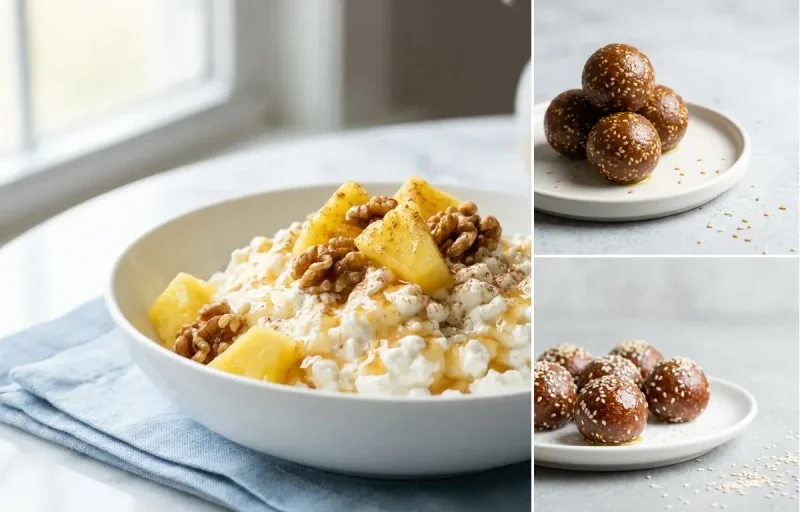
Cottage Cheese with Pineapple Walnuts and Hemp Pregnancy + supplement + iron
AMERICAN · 359 CAL
Apple with Peanut Butter with Glass of Milk + supplement + iron
MEDITERRANEAN · 738 CAL
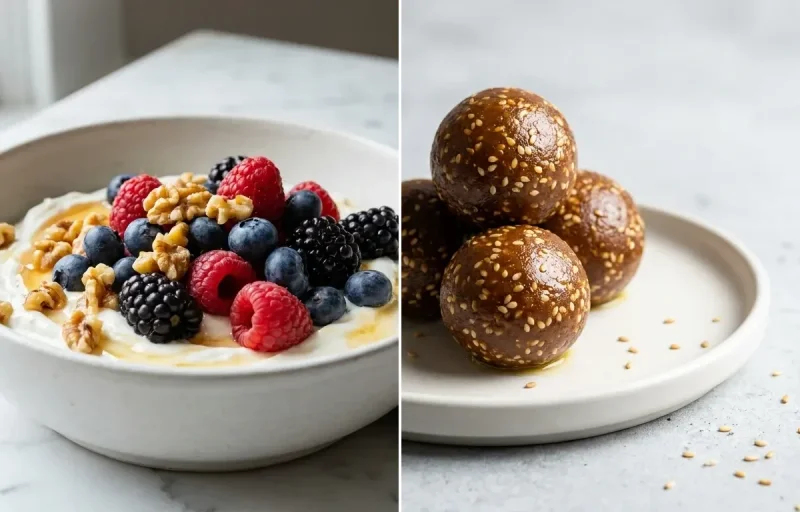
Greek Yogurt with Berries Walnuts and Honey + supplement + iron
TAGGED
KEEP READING