We tend to think of oregano as a dried dust we shake over pizza. A background flavour. But that completely sells it short. Fresh oregano is a robust, peppery, wonderful herb, and even the dried stuff is a quiet nutritional hero. The numbers are frankly wild — especially the fibre. It's one of the most antioxidant-rich herbs you can eat, and a brilliant way to add huge flavour to your food for almost zero calories, salt, or sugar.
↑ Fresh oregano is peppery and bold — a different world from the dried shaker stuff.
The underrated herb
Oregano is a staple of Mediterranean cooking for a reason. It has a warm, slightly peppery, aromatic quality that elevates everything from a simple tomato sauce to grilled fish. Most of us know the dried version, which is potent and fantastic for long-simmered dishes. But fresh oregano is a different animal: brighter, more pungent, and amazing for finishing dishes.
Nutritionally, it's a bit of a secret weapon. In the small amounts we typically use, it's a near-zero-calorie flavor bomb. But the data shows that, gram for gram, it's packed with an incredible amount of fiber and antioxidants.
IN ONE LINE
More than a pizza spice, oregano is an antioxidant-rich herb with staggering fiber content that adds huge flavor for virtually no calories.
Oregano nutrition facts
Let's get the weird part out of the way. Official nutrition data for herbs is usually given for a 100-gram serving. That's nearly a quarter of a pound — an amount you'd never eat in a month, let alone one sitting. It's useful for comparing herbs, but not for understanding a single portion.
Still, it reveals what oregano is made of. The most shocking number here is the fiber. At 42.5 grams, it tells us that most of oregano's carbohydrate is indigestible fiber, which is why its net carb count and blood sugar impact are virtually zero.
Oregano's glycemic index
There's no official glycemic index (GI) rating for oregano, because it wouldn't make sense to test it. To measure GI, you need to consume enough of a food to get 50 grams of available carbohydrate. With oregano, you'd have to eat over a pound of it to get there. Since almost all of its carbohydrate is fiber, it has a negligible effect on blood sugar. Its GI is effectively zero. It's one of the safest, most helpful ingredients for anyone managing blood sugar.
GLYCEMIC INDEX · OREGANO vs COMMON FOODS
Oregano has a negligible blood sugar impact
Oregano
herb
LOW
Apple
whole fruit
LOW
Pineapple
whole fruit
MEDIUM
White bread
refined
HIGH
Cornflakes
refined
HIGH
SCALE 0–90
04590
How to use it right
Getting the most out of oregano is about knowing when to use fresh versus dried.
01
Use dried for slow cooking.
Dried oregano's flavor is concentrated. It's perfect for adding to tomato sauces, stews, and marinades where it has time to rehydrate and infuse.
02
Use fresh for finishing.
Fresh oregano has a brighter, more peppery bite. Chop it and sprinkle it over dishes right before serving, like on salads, grilled meats, or pizza.
03
Make an infused oil or vinegar.
Gently warm some sprigs of fresh oregano in olive oil, or add them to a bottle of white wine vinegar. It's a simple way to capture its flavor.
04
Don't burn it.
When cooking with dried oregano, add it with liquids or partway through cooking. If you throw it into a hot, dry pan, it can burn and turn bitter.
05
Embrace the 'Greek' combo.
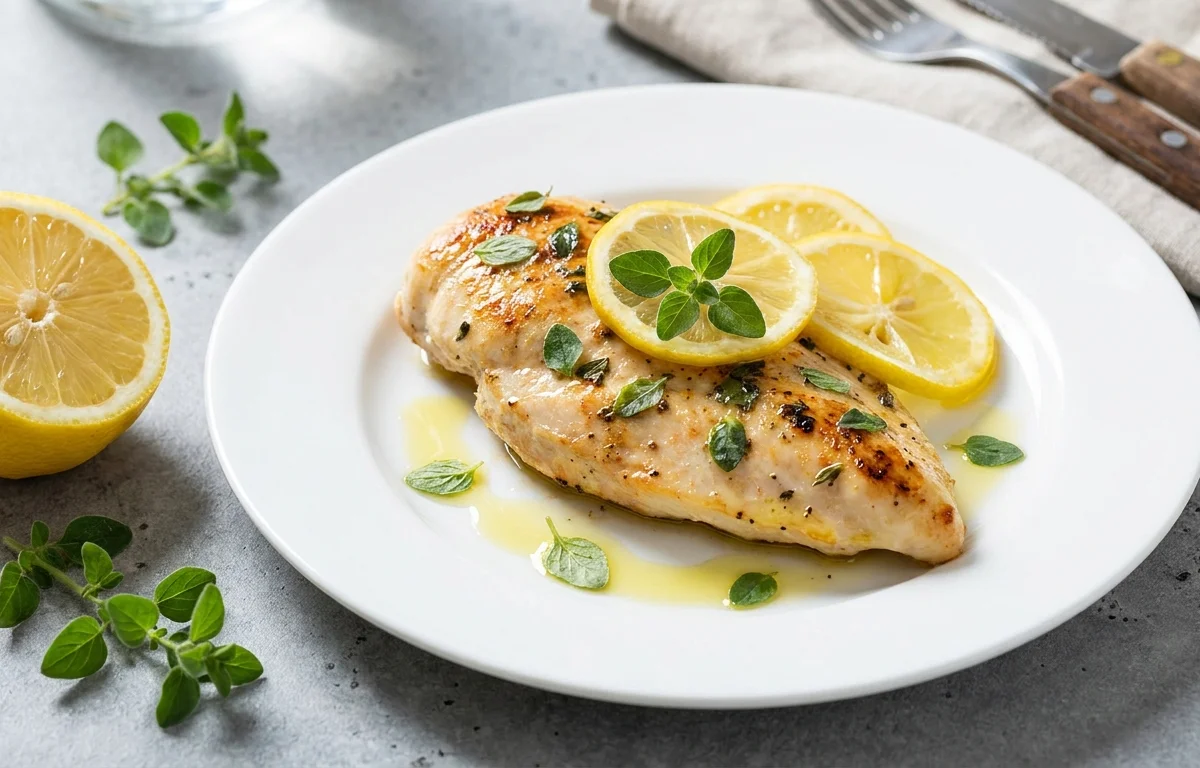
Oregano's classic partners are lemon, garlic, and good olive oil. That combination works on almost anything — chicken, fish, potatoes, vegetables.
What oregano is good for
01
A major source of antioxidants
Oregano is exceptionally rich in plant compounds like carvacrol and thymol, which act as powerful antioxidants, helping to protect cells from damage.
High
ORAC value
02
Flavor without salt or calories
For anyone trying to lose weight or lower their blood pressure, oregano is a perfect tool. It provides a huge amount of flavor with virtually no calories or sodium.
~3
calories/tsp
03
A surprising source of fiber
While you don't eat huge amounts, the fact that oregano is over 40% fiber by weight is significant. Every little bit contributes to gut health and regularity.
42.5g
fiber/100g
04
Traditional antimicrobial uses
For centuries, oregano and its oil have been used in traditional medicine for their potential antimicrobial and antibacterial properties, largely attributed to carvacrol.
Carvacrol
key compound
What to pair oregano with
Oregano is a team player, but it shines brightest with these Mediterranean staples.
Who is it good for?
Three ways to use it
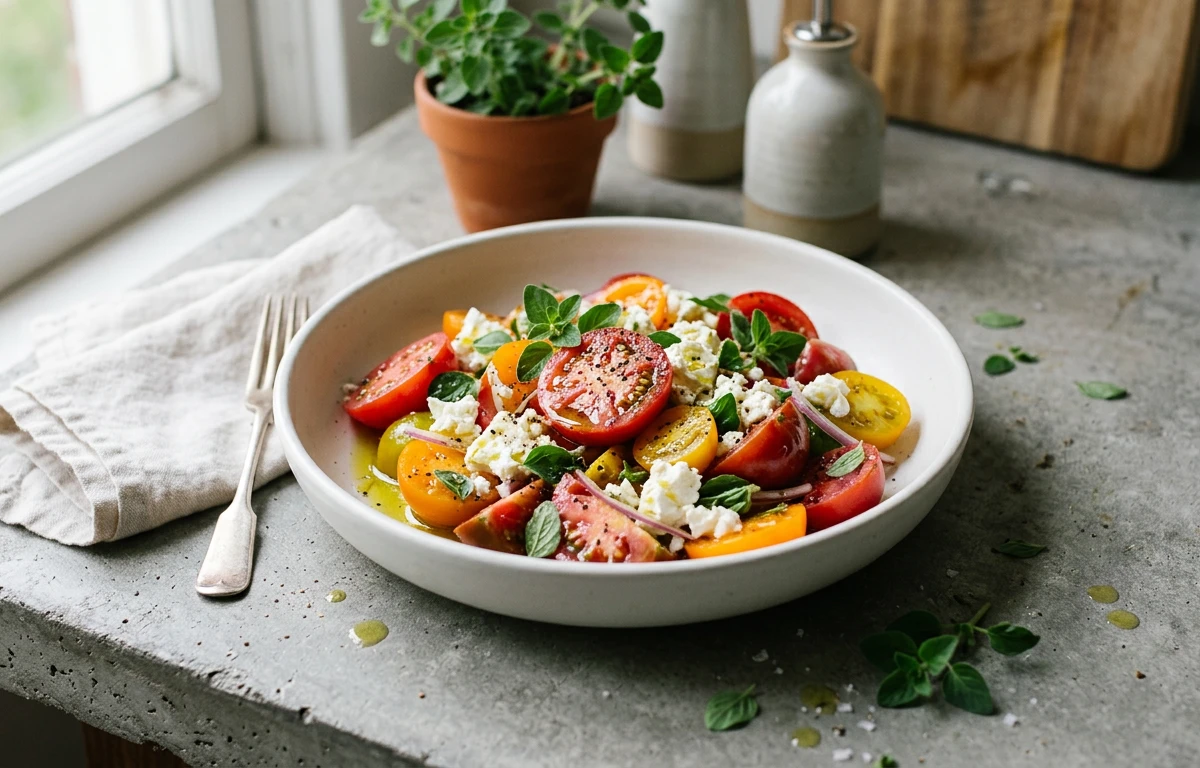
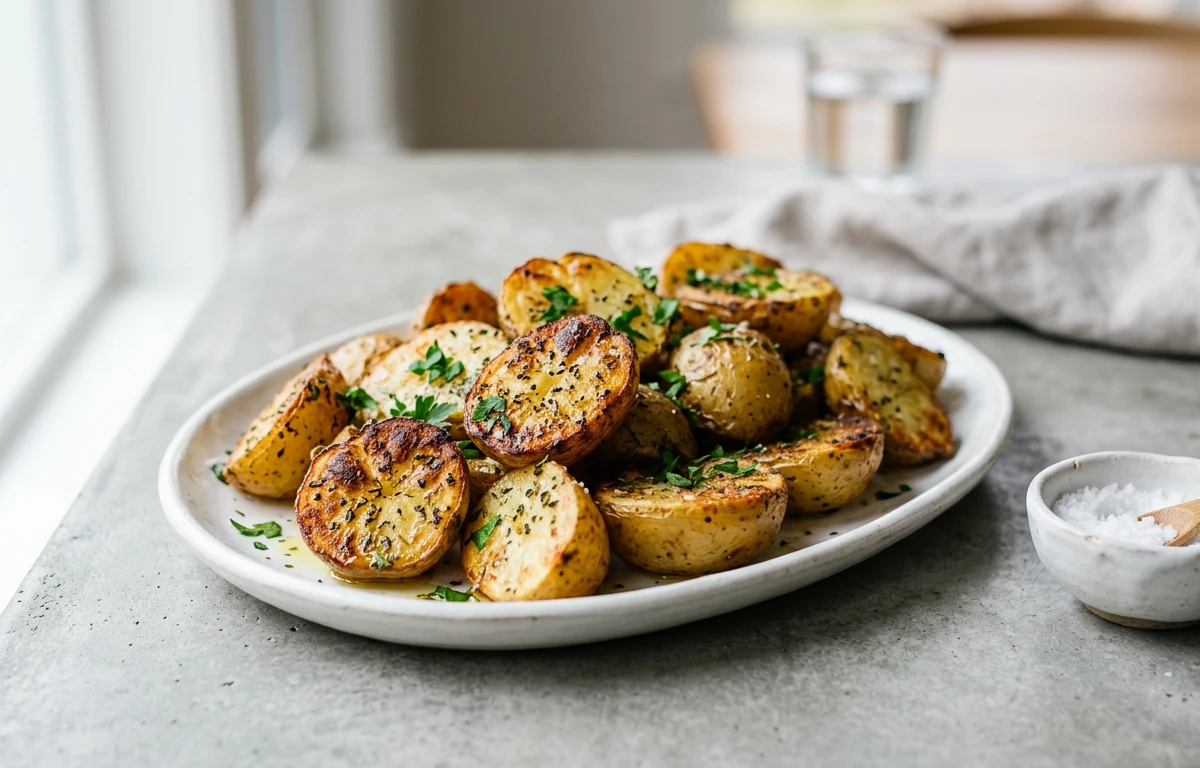
Three simple recipes that put oregano at the center of the plate.
Want more smart seasoning tips in a balanced week — without the planning?
Our meal planner uses herbs like oregano to build flavorful, low-sodium meals, with portions and macros already calculated and a single grocery list at the end.
Build my weekly plan →SOURCES & REFERENCES · 3
One more thing
Eating well is rarely about willpower. It’s about having a short list of dinners you actually want to eat. Pick two from this list. Make them next week. The rest will follow.
If you want these on autopilot, our weekly meal planner can drop the picks above into your calendar with one click and build a single grocery list from the merged ingredients.
FREQUENTLY ASKED QUESTIONS
Frequently asked questions
Is oregano good for you?
Yes, it's exceptionally good for you. In the amounts used for cooking, it adds a huge boost of flavor and antioxidants for virtually no calories, sugar, or sodium. It's a great tool for making healthy food taste delicious.
What's the difference between fresh and dried oregano?
Dried oregano has a more concentrated, earthy flavor that's great for slow-cooked sauces and marinades. Fresh oregano is more pungent, peppery, and bright, making it ideal for finishing dishes, salads, and dressings.
Can you eat too much oregano?
It's very difficult to eat too much of the culinary herb. You'd have to be eating it by the spoonful. Concentrated oil of oregano, however, is a very potent supplement and should only be used with guidance from a healthcare professional.
Is oregano good for a cough?
Oregano, particularly its essential oil, contains compounds like carvacrol that have traditional uses for respiratory issues. Many people find oregano tea or steam inhalation with a drop of oregano oil soothing for a cough, though it's not a substitute for medical treatment.
METHODOLOGY
How this article was created
Built using verified nutrition databases, culinary research, and traditional cooking knowledge — every claim is cross-referenced against the sources listed in the article.
· USDA data· Culinary research· Quality reviewed
Read our methodology →TRANSPARENCY
About this content
Articles are curated using trusted food databases (USDA FoodData Central, IFCT), culinary literature, and dietary guidelines, then structured by our editorial team for clarity, accuracy, and usefulness.
· Verified data sources· Culinary research· Quality reviewed
Read our editorial policy →EXPLORE OUR MEALS
Meals that fit this article

AMERICAN · 1677 CAL
Almonds with Sliced Apple + supplement + iron

MEDITERRANEAN · 809 CAL
Greek Yogurt with Berries Almonds and Granola + supplement + iron

GENERAL_HEALTHY · 705 CAL
Banana with Peanut Butter Pregnancy + supplement + iron

MODERN · 982 CAL
Hummus with Crudits and Pita with Fresh Orange Snack + supplement + iron
TAGGED
KEEP READING